Nápojová výrobní linka může obsahovat moderní tanky i plnicí stroje, a přesto se potýkat s nízkým výkonem, nekonzistentními recepturami nebo nákladnými prostoji. Problémem často bývá špatné sladění zařízení, nikoli jejich nedostatek.
Komerční nápojové zařízení by mělo být vybráno podle receptury nápoje, cílového denního objemu výroby, velikosti šarže, požadavků na zpracování a rychlosti balení. Správně naplánovaná výrobní linka propojuje úpravu vody, míchání, zpracování, skladování a plnění do jednoho koordinovaného systému, což výrobcům pomáhá udržovat stálou kvalitu a kontrolovat provozní náklady.
1. Co by mělo přinášet komerční zařízení na výrobu nápojů?
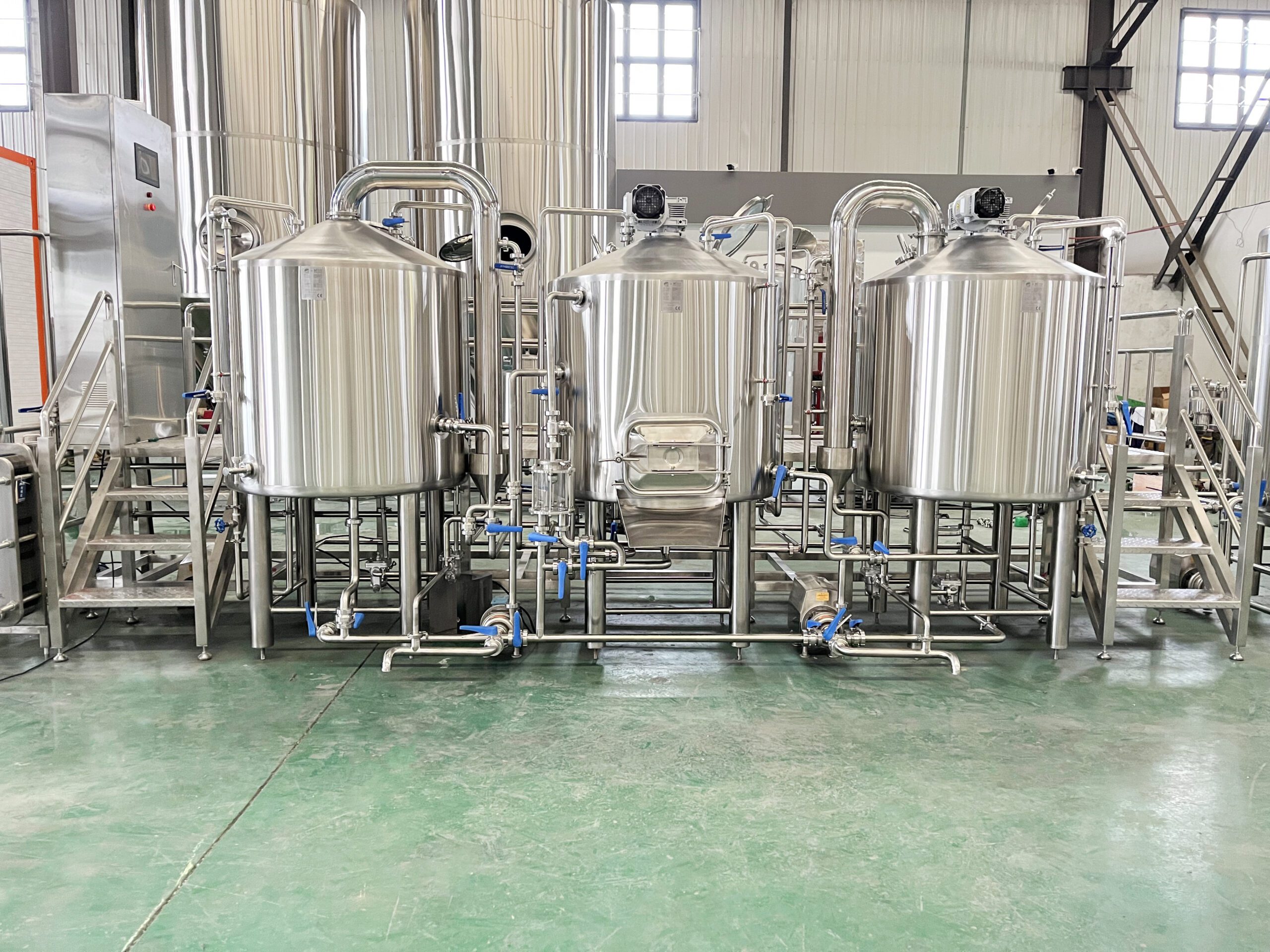
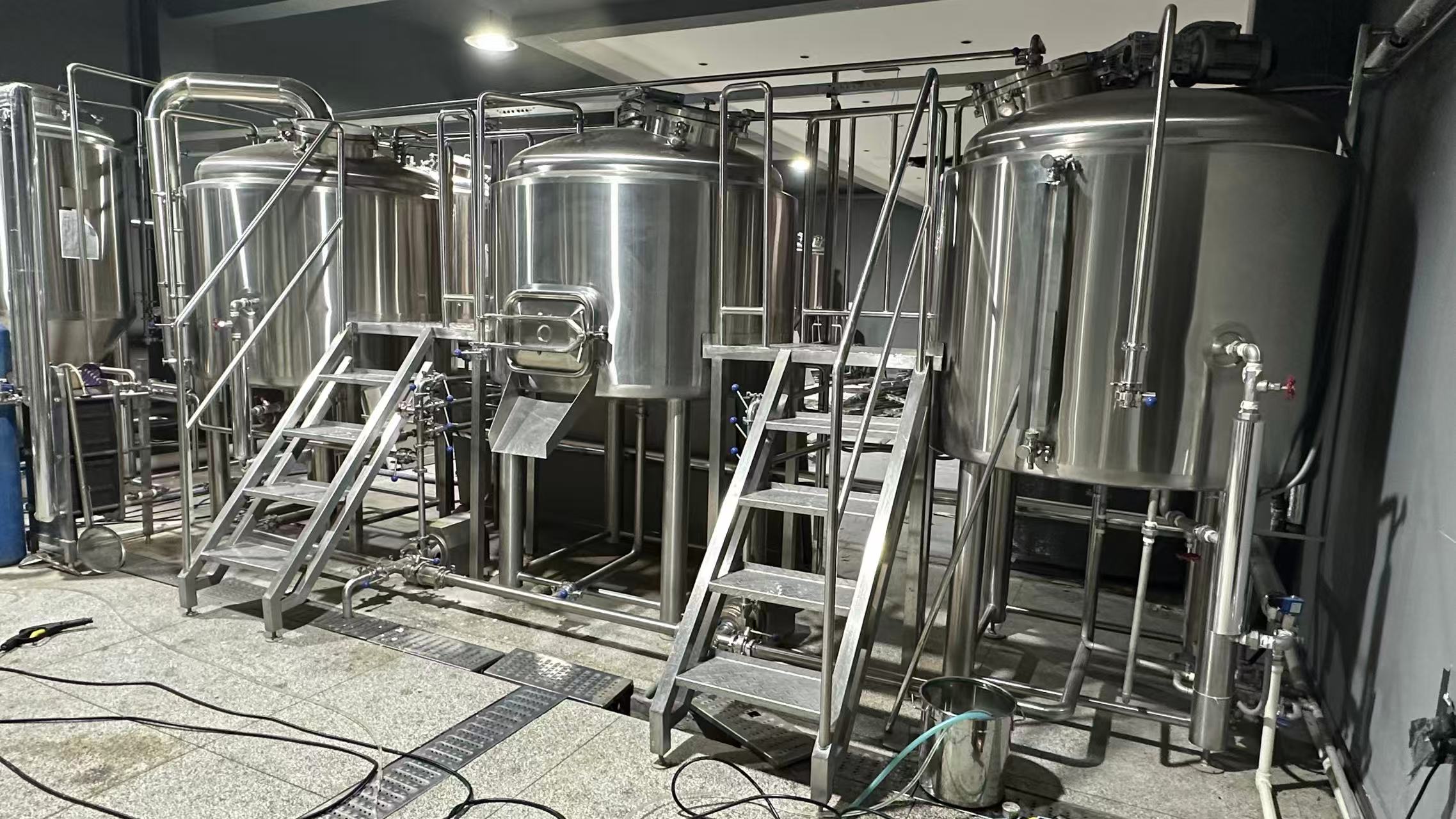
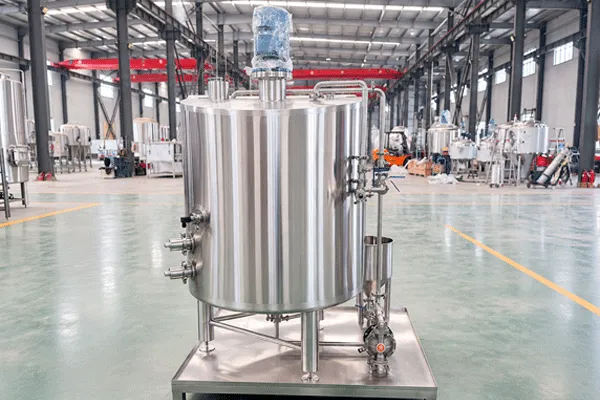
Komerční zařízení pro výrobu nápojů je více než soubor strojů. Jde o propojený výrobní systém určený k přípravě, zpracování, skladování a balení kapalných produktů. Pro výrobce nápojů musí každá fáze navazovat na následující. Pokud jeden stroj nestíhá, může se zpomalit celá výrobní linka.
Různé nápojové produkty vyžadují různé metody zpracování. Výrobce džusů může potřebovat přípravu surovin, míchání, filtraci a plnění. Producent sycených nápojů potřebuje přesné míchání CO₂ a regulaci teploty. Čajové nápoje a funkční nápoje mohou vyžadovat přesné dávkování surovin, řízený ohřev nebo dodatečnou filtraci.
Správný systém by měl podporovat tři důležité cíle:
- Konzistentní kvalita produktu: Udržujte opakovatelné poměry surovin, podmínky míchání a parametry zpracování.
- Stabilní výrobní výkon: Slaďte kapacitu tanků, čerpadel, procesních jednotek a plnicích strojů.
- Flexibilní výroba: Umožňuje závodu vyrábět různé receptury nápojů nebo zvyšovat kapacitu s růstem poptávky.
Pro B2B nákupčí není cílem pouze pořídit více vybavení. Jde o vybudování výrobního systému, který přesně odpovídá reálnému výrobnímu procesu.
2. Proč byste měli začít hotovým výstupem namísto objemu tanku?
Jednou z nejčastějších chyb při nákupu zařízení pro výrobu nápojů je výběr nádrže pouze podle její jmenovité kapacity. Míchací nádrž o objemu 1 000 l automaticky neznamená, že továrna dokáže každou hodinu zabalit 1 000 l hotového nápoje nebo každý den vyrobit pevně stanovené množství.
Nákupčí by měli nejprve spočítat očekávaný objem hotového produktu. Zohledněte počet výrobních směn, pracovní dobu, plánované šarže, intervaly sanitace, přestavby na jiný produkt i požadavky na balení. Tyto faktory určují skutečnou kapacitu potřebnou v jednotlivých fázích.
Například začínající výrobce nápojů, který plánuje vyrábět 3 000 l denně, může zpočátku uvažovat o třech šaržích po 1 000 l. Jde však pouze o teoretický výchozí bod. Skutečná výroba závisí také na době míchání, přípravě surovin, zpracování, přečerpávání, čištění a plnění.
Je užitečné rozlišovat tři ukazatele kapacity:
| Typ kapacity | Význam | Proč na tom záleží |
|---|---|---|
| Kapacita nádrže | Celkový nebo jmenovitý objem nádoby | Určuje velikost zařízení |
| Pracovní objem | Využitelný objem pro jednu výrobní šarži | Určuje praktické plánování šarží |
| Denní objem hotového produktu | Objem balených nápojů za den | Odráží skutečnou výrobní kapacitu |
Dobře naplánovaná výrobní linka by měla ponechávat dostatečnou rezervu pro běžná provozní přerušení a budoucí poptávku. Volba o něco větší nádrže bez kontroly zbytku systému může zvýšit investice, aniž by zlepšila skutečný výkon.
3. Jak vypočítat velikost šarže a denní produkci nápojů?
Plánování šarží propojuje výrobní cíl s pracovním objemem každé nádrže. Před výběrem zařízení by měli výrobci odhadnout, jaké množství produktu potřebují připravit v jedné šarži a kolik šarží může závod dokončit během dostupné pracovní doby.
Užitečný výchozí vzorec zní:
Požadovaný vstupní objem = Cílový objem hotového produktu ÷ Očekávaná procesní výtěžnost
Poté:
Požadovaný počet šarží = Požadovaný vstupní objem ÷ Efektivní objem šarže
Procesní výtěžnost by měla vycházet ze skutečné receptury a výrobních zkušeností. Měla by zohledňovat produkt zachycený v potrubí, ztráty při filtraci, odběry vzorků, ztráty při přečerpávání a další běžné provozní odchylky.
Ilustrativní příklad výroby
Předpokládejme, že začínající výrobce nápojů plánuje balit 3 000 l hotového produktu denně a zvažuje systém s efektivním míchacím objemem 1 000 l.
| Položka plánování | Ilustrativní hodnota |
|---|---|
| Denní cílový objem hotového produktu | 3 000 l |
| Efektivní objem šarže | 1 000 l |
| Teoretická potřeba šarží | 3 šarže |
| Výrobní směny | 1 směna |
| Skutečná potřeba šarží | Závisí na výtěžnosti procesu a provozní době |
Tři šarže představují pouze výchozí výpočet, nikoli zaručený denní výkon. Závod musí také ověřit, zda úprava vody, míchání, návazné zpracování, sanitace a balení dokážou plánovaný harmonogram pokrýt.
Praktický výrobní plán by měl zahrnovat:
- Očekávaný denní a měsíční objem prodeje.
- Efektivní pracovní objem tanku.
- Doba míchání a zpracování na jednu šarži.
- Čas přečerpávání a výdrže produktu.
- Čas na sanitaci a přechod na jiný produkt.
- Kapacita plnění a balení.
- Rezerva pro budoucí růst výroby.
Tyto informace poskytují výrobci zařízení mnohem jasnější základ pro doporučení vhodné konfigurace.
4. Jak sladit jednotlivé fáze procesu?
Výrobní linka na nápoje funguje efektivně pouze tehdy, když jsou kapacity jejích propojených fází správně sladěny. Velká míchací nádrž nemůže kompenzovat pomalé následné zpracovatelské zařízení. Stejně tak vysokorychlostní plnicí stroj nemůže pracovat nepřetržitě, pokud systém přípravy před ním nedokáže dodávat dostatek produktu.
Typický výrobní postup může zahrnovat následující moduly:
| Fáze procesu | Hlavní funkce | Důležitý faktor výběru |
|---|---|---|
| Úprava vody | Připravte procesní vodu | Zdroj vody a požadovaná kvalita vody |
| Příprava ingrediencí | Prepare liquids and additives | Recipe and ingredient characteristics |
| Mixing and blending | Combine ingredients uniformly | Working volume and agitation |
| sycení | Add and control CO₂ | Required carbonation and processing rate |
| Sterilization or pasteurization | Apply the required microbial control process | Product and preservation requirements |
| Buffer storage | Hold processed beverage before filling | Filling schedule and storage conditions |
| Filling and packaging | Fill bottles, PET bottles, or cans | Container type and hourly output |
Not every beverage requires every module. A non-carbonated tea drink may not need a CO₂ mixing machine, while a sparkling beverage requires a suitable carbonation process. Similarly, the required heat treatment or filtration method depends on the formulation and product safety plan.
The most important engineering principle is line balance. The actual production rate is limited by the slowest sustained process stage. When selecting equipment, compare processing rates, batch times, transfer capacity, and cleaning requirements instead of comparing individual machine specifications in isolation.
5. Which Beverage Characteristics Change Equipment Selection?
The beverage itself determines much of the equipment configuration. Two products may have the same batch volume but very different processing requirements.
For example, flavored water usually behaves differently from a thick fruit drink containing pulp. A carbonated product needs different handling from a non-carbonated tea beverage. These differences affect tank design, agitator selection, pumps, filters, temperature control, and filling methods.
Before choosing equipment, consider the following product characteristics:
Viscosity and solids content
Thin liquids can often move through standard sanitary pipelines and pumps. Thicker beverages or products containing fruit particles may require different pump structures, larger transfer passages, or suitable filtration arrangements.
Acidity and formulation
Fruit juice, herbal beverages, and functional drinks can have different chemical properties. Buyers should provide their formulation information so the manufacturer can recommend suitable product-contact materials and cleaning methods.
Carbonation requirements
Carbonated drinks require controlled CO₂ addition. The carbonation system must match the required processing volume, temperature conditions, and production schedule.
Temperature sensitivity
Some ingredients are sensitive to heating. If a beverage requires pasteurization or sterilization, the treatment method should be selected according to the formulation and required shelf life.
Foaming and oxygen sensitivity
Certain liquids create more foam during mixing and transfer. Some products also require careful oxygen management. These factors influence agitation, pumping, transfer speed, and filling configuration.
Providing the beverage recipe and process requirements early helps prevent equipment mismatches during manufacturing and commissioning.
6. How Do You Select Stainless Steel Tanks and Product-Contact Components?
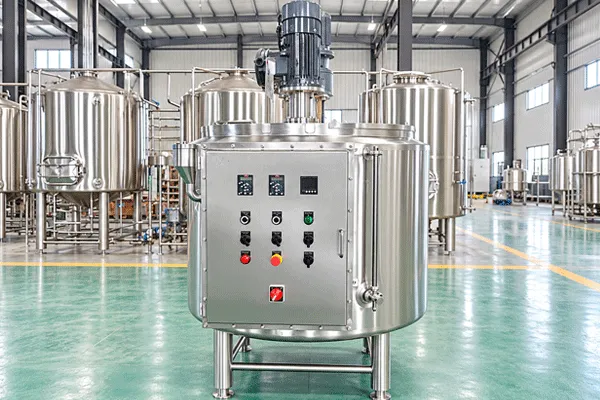
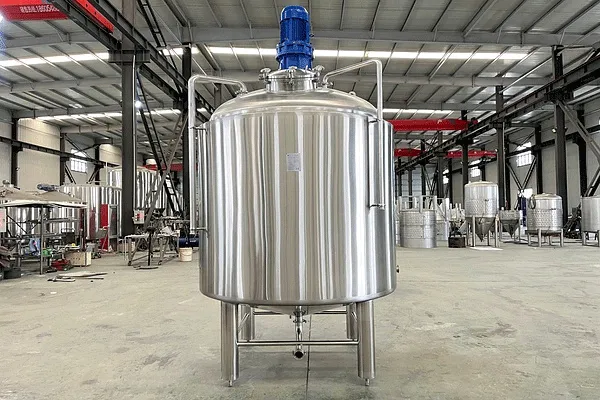
Stainless steel tanks are widely used in commercial beverage production because they offer a durable, cleanable structure suitable for food-contact processing. However, buyers should not select materials based on appearance alone.
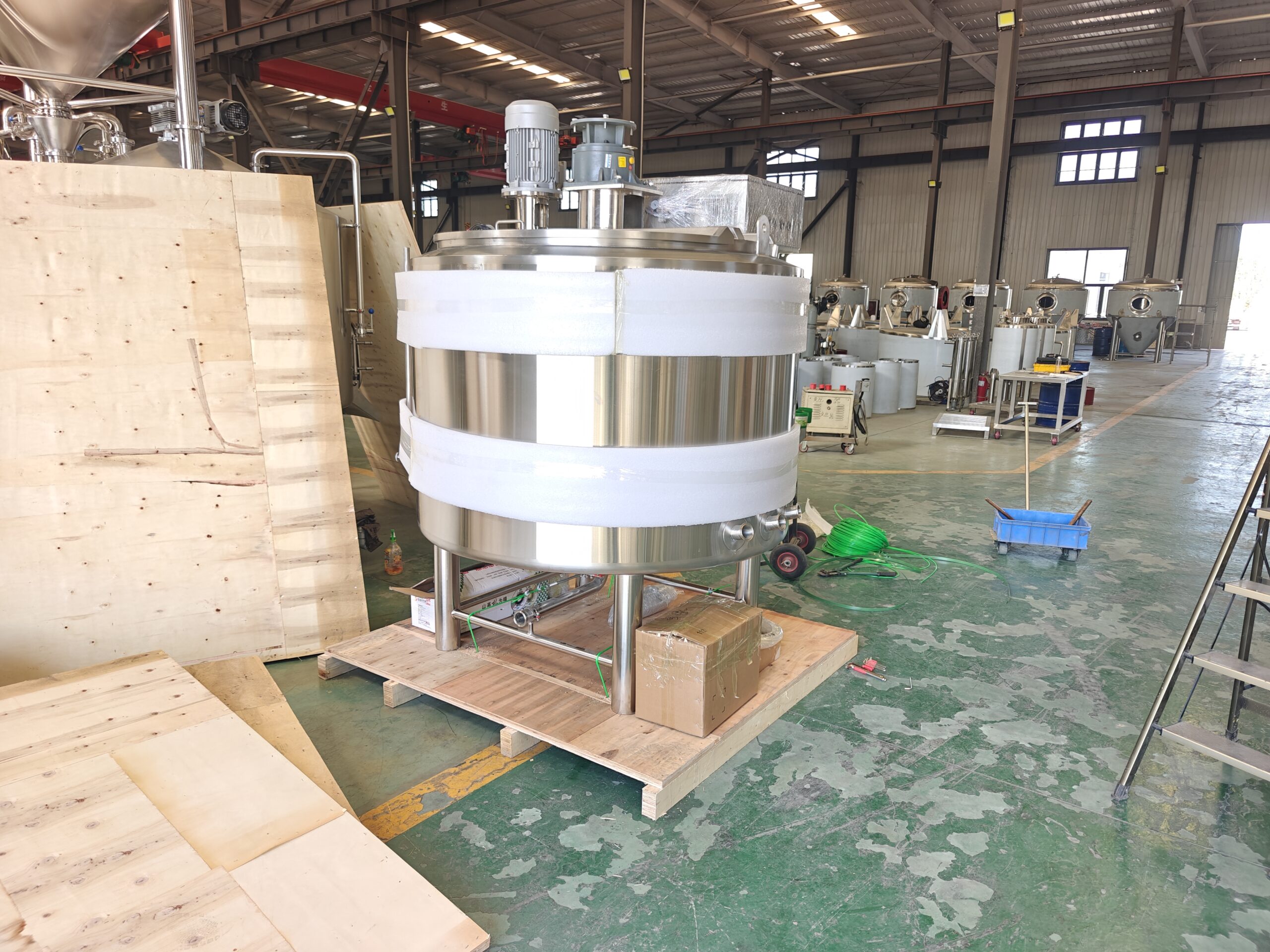
MICET offers SUS304 and SUS316L options according to the beverage type and operating conditions. SUS304 is commonly used for many standard beverage applications, while SUS316L may be more suitable for certain corrosive formulations or more demanding cleaning environments.
When reviewing a mixing tank or storage vessel, pay attention to these details:
- Internal surface finish: Smooth product-contact surfaces support effective cleaning and reduce areas where residue can accumulate.
- Welding quality: Consistent sanitary welding helps maintain vessel integrity and cleanability.
- Agitator configuration: The agitator should suit the liquid’s viscosity, solids content, and mixing requirements.
- Manways and fittings: Access points, valves, and connections should support operation, inspection, and maintenance.
- Drainage design: Tank outlets and internal geometry should allow effective product discharge and cleaning.
- Insulation and jackets: Depending on the process, insulation or heating and cooling jackets may be required.
Pumps, filters, valves, pipelines, and other equipment parts should also be compatible with the beverage and its cleaning chemicals. Selecting the entire product-contact system together is more reliable than purchasing components independently without checking their compatibility.
7. Why Are Water Quality, Cleaning, and CIP Important?
Water is a major ingredient in many beverages. Its quality can influence flavor, consistency, and the performance of downstream equipment. A water treatment system should therefore be designed according to the incoming water analysis and the finished product’s requirements.
Depending on the water source, a configuration may include sediment filtration, activated carbon filtration, water softening, precision filtration, and reverse osmosis. Not every plant needs every treatment stage. The final arrangement should be based on water quality rather than an unnecessarily complex equipment list.
Cleaning is equally important. Residual ingredients, sugars, flavor compounds, and product deposits can affect the next batch if the equipment is not cleaned correctly.
A Clean-in-Place (CIP) system can circulate suitable cleaning solutions through tanks and connected pipelines without requiring operators to dismantle every component. When planning CIP, buyers should confirm:
- Which tanks and pipelines need CIP coverage.
- Whether spray devices can reach the required internal surfaces.
- Chemical compatibility of product-contact materials and seals.
- Required cleaning temperature and circulation conditions.
- Drainage and cleaning-solution recovery arrangements.
- Whether separate product lines need different cleaning procedures.
CIP cleaning should not automatically be treated as sterilization. The required cleaning and microbial control steps must be determined by the beverage process and food safety requirements.
8. How Do You Match Filling Equipment to Production Capacity?
Filling is often one of the most important stages in the production line because it determines how quickly prepared beverages can become finished products ready for storage and distribution.
The correct filling system depends on the packaging format, beverage characteristics, target output, and level of automation. A plant producing bottled juice may need bottle rinsing, filling, capping, labeling, and conveying. A carbonated beverage producer needs a filling method suitable for handling carbonation and controlling product loss.
Consider the following before selecting filling equipment:
| Selection Factor | Questions to Confirm |
|---|---|
| Formát balení | Glass bottle, PET bottle, can, or other container? |
| Container size | What volume and dimensions will be used? |
| Filling speed | How many containers must be filled per hour? |
| Product properties | Is the liquid carbonated, foaming, viscous, or sensitive to oxygen? |
| Automatizace | Manual, semi-automatic, or automatic operation? |
| Changeover | How often will the line switch between products or container sizes? |
A simple planning formula is:
Required filling rate = Daily packaged volume ÷ Available filling hours
For example, if a plant needs to package 3,000L during five available filling hours, the average required filling rate is 600L per hour. The selected machine must also account for container size, operating interruptions, changeovers, and actual filling efficiency.
The upstream production system must supply product at a rate that supports the filling schedule. Otherwise, the filling machine may spend too much time waiting for product.
9. How Do Factory Layout, Utilities, and Automation Affect Production?
Equipment selection should always be connected to the factory layout. A technically suitable machine can still create operational problems if operators cannot access it easily, pipelines are too long, or maintenance space is insufficient.
A practical layout should follow the production sequence. Water treatment, ingredient preparation, mixing, processing, buffer storage, and filling should be arranged to support a clear material flow. Raw materials, finished products, cleaning chemicals, and waste streams should also have suitable handling routes.
Before finalizing the layout, confirm the following utilities:
- Water supply and drainage.
- Electricity and control cabinet requirements.
- Compressed air, if required by valves or other equipment.
- CO₂ supply for carbonated products.
- Steam or hot water for heating and cleaning, where applicable.
- Chilled water or cooling equipment, where required.
- Floor loading, equipment access, and installation clearance.
Automation can further improve production consistency. A PLC-based control system may coordinate pumps, agitators, temperature sensors, dosing operations, and process sequences. The exact automation scope should reflect the number of recipes, operating procedures, and available operators.
For a growing beverage factory, modular equipment and planned connection points can also make future expansion easier. The goal is to avoid rebuilding the entire production area when output increases.
10. What Should Buyers Prepare Before Requesting a Beverage Equipment Quote?
A detailed inquiry helps an equipment manufacturer recommend a suitable configuration instead of offering a standard package that may not match the actual project.
Before requesting a quotation, prepare the following information:
| Information | Details to Provide |
|---|---|
| Beverage type | Juice, tea drink, flavored water, carbonated drink, or functional beverage |
| Production target | Daily, weekly, and monthly output |
| Velikost šarže | Desired working volume per batch |
| Product formulation | Viscosity, ingredients, solids, acidity, and carbonation |
| Processing requirements | Mixing, filtration, heating, cooling, sterilization, or pasteurization |
| Balení | Bottle, PET bottle, can, or bulk transfer |
| Factory conditions | Available floor area, utilities, drainage, and installation location |
| Automation level | Manual, semi-automatic, or PLC-controlled |
| Expansion plan | Expected production increase or additional beverage varieties |
MICET’s published configurations provide useful reference points for project discussions. For example, the 500L beverage equipment includes a 500L effective-volume mixing tank, while the 1000L beverage equipment a 2000L beverage equipment offer larger configurations with corresponding process equipment.
These examples are starting points, not universal recommendations. The final equipment list should be developed around your product, output target, processing requirements, and plant conditions.
As a professional beverage equipment manufacturer, MICET supports customized stainless steel tanks, integrated processing systems, CAD and 3D layout planning, equipment matching, and installation guidance. We work with beverage startups, established manufacturers, and engineering contractors to develop practical production solutions.
If you are planning a new beverage plant or upgrading an existing production line, share your beverage type, target output, packaging format, and factory layout with our engineering team. We can help you evaluate the required configuration and prepare a project-specific proposal.
Často kladené otázky
What is included in commercial beverage equipment?
The configuration depends on the product and production process. A system may include water treatment, mixing tanks, storage tanks, pumps, filtration, carbonation, sterilization or pasteurization equipment, CIP, and filling machines. Not every beverage requires all these modules.
How do I choose between 500L, 1000L, and 2000L beverage equipment?
Start with your required daily output, working volume per batch, available production hours, and expected growth. Then check whether the processing and filling equipment can support the planned schedule. Tank capacity alone is not enough to determine daily production.
Can one beverage production line manufacture different drinks?
Yes, a suitably designed system can support multiple formulations. However, product viscosity, ingredient characteristics, processing temperatures, carbonation requirements, and cleaning procedures must be considered. Some product changes may require additional modules or dedicated pipelines.
Do all beverage production systems need CO₂ carbonation equipment?
No. CO₂ mixing is required for carbonated products such as sparkling drinks, but it is not necessary for every juice, tea, or flavored water application. The carbonation module should be included only when the recipe and product specifications require it.
Which stainless steel grade is suitable for beverage production?
SUS304 is suitable for many standard beverage applications. SUS316L may be preferred for certain corrosive products or more demanding operating conditions. The final selection should consider beverage chemistry, cleaning agents, temperature, and the required service life.
Key Points to Remember
- Select beverage equipment according to the actual production process, not just nominal tank volume.
- Calculate working batch size and daily finished output before choosing equipment.
- Match water treatment, mixing, processing, transfer, and filling capacities.
- Consider viscosity, acidity, solids, carbonation, and temperature sensitivity.
- Select stainless steel grades and sanitary components according to product requirements.
- Plan CIP, water quality, utilities, factory layout, and automation from the beginning.
- Match packaging speed with upstream production capacity to avoid bottlenecks.
- Work with an experienced equipment manufacturer to develop a customized and expandable production system.