おいしいビールを醸造するには、良質な麦芽、ホップ、酵母、水を選ぶだけでは不十分です。醸造設備が安定した温度、適切な衛生状態、または一貫した発酵条件を維持できなければ、最高のレシピでも期待外れの結果になることがあります。新しいレシピを試す家庭醸造家であっても、クラフトビール醸造所の開業を計画する起業家であっても、選択する設備はビールの品質、生産効率、そして長期的な事業の成功に重要な役割を果たします。
より良いビールを醸造するには、加熱、糖化、煮沸、冷却、発酵、洗浄、包装に適したシステムが必要です。優れた設備には、釜、マッシュタン、発酵タンク、ポンプ、チラー、制御装置、そして洗浄可能なビールタンクが含まれます。事業者にとって、スマートな醸造所設計は人件費、品質リスク、将来の拡張コストも削減します。
記事概要
- なぜ醸造を始める前に、適切な醸造設備を選ぶことが重要なのでしょうか?
- ビール造りの基本的な醸造工程とは?
- ケトル、マッシュタン、HLTはどのように連携するのか?
- 風味を守るには、どの発酵タンクと発酵制御装置を選べばよいですか?
- ポンプ、ホース、継手、チラーはどのような役割を果たすのか?
- ボトル、樽、それともブライトタンク:市場に合う包装方法はどれでしょうか?
- 自家醸造と商業醸造:どの醸造システムを選ぶべき?
- CIP、殺菌ルーティン、定置洗浄システムはどのようにリスクを低減しますか?
- 高品質なビール醸造設備を購入する前に、醸造者は何を確認すべきでしょうか?
- ターンキー方式の醸造所設計は、長期的な成長をどのように支援できますか?
なぜ適切な 醸造設備が 醸造を始める前に重要なこととは?
優れた醸造は、最初の麦芽が水に触れる前から始まっています。それは計画から始まります。ケトルのサイズ、発酵タンクの形状、液体の移送方法、冷却方式のすべてが、味、安全性、労力、そして再現性に影響を与えます。これは小規模な自家醸造設備にも当てはまりますが、成長段階にあるブルワリーにとってはなおさら重要です。
醸造・飲料設備の製造工場として、私たちはよくある問題を目にします。それは、購入者がタンクを容量だけで選んでしまうことです。それだけでは不十分です。スマートなシステムは、レシピ、建物のスペース、電力供給、蒸気または電気による加熱方式、洗浄方法、そして将来の販売計画に適合していなければなりません。
分かりやすく考えるためのポイントを以下にまとめました。
| 事業目標 | 重点を置く設備 | なぜ重要なのか |
|---|---|---|
| レシピの試作 | 小型の一体型設備または試験醸造設備 | 低リスクで習得が容易 |
| タップルームを開業する | コンパクトな醸造設備とサービングタンク | スペースと人件費を節約 |
| 包装済み製品を販売する | 大型タンクと安定した冷却 | 生産量と品質を支える |
| 地域ブランドを築く | 拡張可能なブルーハウスと自動化 | アップグレード費用を削減 |
優れた設備が技術に取って代わることはありません。技術を支え、醸造者が工程を管理できるようにします。
ビール醸造の基本的な工程とは?
醸造工程は一連のつながりで成り立っています。各工程は前の工程に依存します。まず、モルトミルで麦芽を砕いてグリストにします。次に、糖化工程で熱水と穀粒を混ぜます。醸造担当者はこのマッシュから穀粒の糖分を抽出します。その後、麦汁と呼ばれる甘い液体を煮沸工程へ移します。
煮沸中は、 醸造釜が強力に加熱します。チームは苦味や風味、香りを付けるためにホップを加えます。麦汁の煮沸が終わったら、熱い麦汁を素早く冷やす必要があります。プレート式チラーまたは浸漬式チラーを使い、酵母を加える前に適切な温度まで冷却します。
次に、液体は発酵タンクへ移されます。酵母が糖をアルコールと風味に変えます。ビールが熟成した後は、ブライトタンク、樽、または瓶詰めラインへ送られることがあります。シンプルな工程ですが、大きな効果をもたらします。
ケトル、煮沸釜、マッシュタン、HLTはどのように連携するのか?
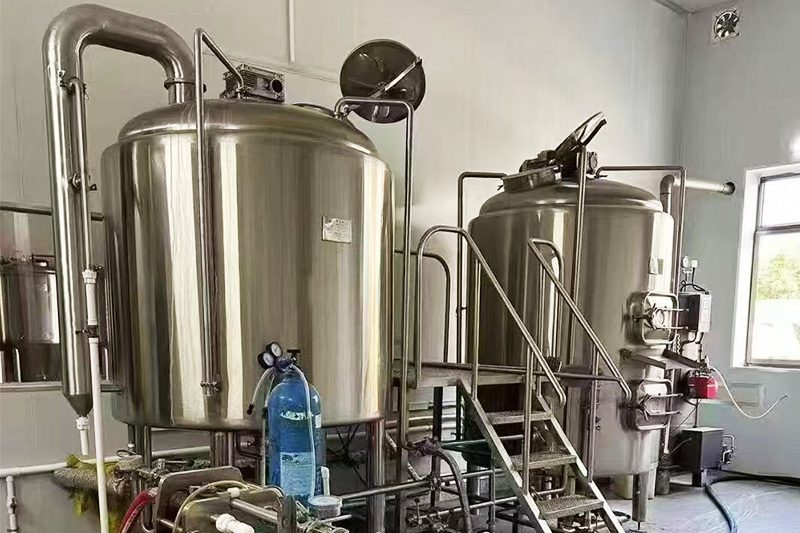
オールグレイン醸造では、仕込み釜、糖化槽、温水タンク(HLT)が醸造設備の中核をなします。温水タンクには温水を貯め、糖化や洗浄、スパージングに使用します。スパージング用の温水で穀物層に残った糖分を洗い流すことで、収率の向上につながります。
マッシュタンは温度をしっかり保持し、スムーズに排出できなければなりません。排出が悪いと生産が遅れます。不均一な加熱は糖の抽出に影響を与える可能性があります。その後、性能の高い醸造釜で煮沸を行います。安定した加熱、安全な蒸気放出、清掃のしやすさに対応していることが重要です。
少量のビール造りなら、プロパンバーナーとシンプルな容器でも対応できる場合があります。商業醸造では、より精密な管理が必要です。コントローラー、温度表示、安全なバルブ、再循環機能を備えた醸造設備があれば、バッチごとの再現性を高められます。
Which Fermenter and Fermentation Controls Protect Flavor?
The fermenter is where the recipe becomes a real product. Many professional beer tanks use a conical bottom because it helps collect yeast and sediment. A carboy may work for homebrewing, but commercial production needs stronger pressure ratings, cooling jackets, sanitary ports, and safe access.
Fermentation temperature has a direct effect on flavor. Too warm, and the result may taste sharp or solvent-like. Too cold, and the yeast may slow down. Glycol cooling helps keep the tank steady, especially when the room temperature changes.
A clean stainless steel tank, stable cooling, and careful monitoring help protect aroma, clarity, and shelf life. This is where equipment quality becomes business value. You do not just make liquid. You protect your brand.
What Role Do Pump, Hose, Fitting, and Chiller Play?
Liquid transfer sounds simple, but it is a hidden risk point. A pump moves liquid from vessel to vessel. A food-grade hose connects the system. A sanitary fitting keeps the line tight and clean. If these parts are poorly matched, the process can become slow, unsafe, or hard to clean.
The chiller also matters. Hot liquid should cool fast before it enters the fermenter. Fast cooling helps improve process control and saves time between steps. A plate chiller is common in many production systems because it cools efficiently and fits compact layouts.
A good transfer setup should be easy to operate and easy to inspect. We recommend buyers review every connection point before confirming a configuration. Small parts can create big delays.
Bottle, Keg, or Brite Tanks: Which Packaging Path Fits Your Market?
Packaging depends on the sales model. A taproom may focus on serving tanks and keg output. A retail brand may need bottle filling, capping, bottle caps, labeling, and carton packing. A brewpub may use a small brite tank for quick serving and a few kegs for events.
Keg washers save labor when draft sales are important. A proper coupler, rack, and cleaning plan also help keep draft quality stable. For larger production, brite tanks help clarify, carbonate, and prepare product before filling.
Here is a quick guide:
| Packaging Choice | Best For | 主な設備 |
|---|---|---|
| Keg | Taprooms, bars, events | Kegs, keg washers, couplers |
| Bottle | Retail, gifts, export | Filler, capper, bottle caps |
| Brite tank serving | Brewpubs, tasting rooms | Brite tanks, cooling, taps |
| Mixed packaging | Growing brands | Flexible filling and storage |
The right packaging path saves money. More importantly, it helps your customer enjoy the product as you planned.
Home Brew vs. Commercial Brewery: Which Brewing Systems Should You Choose?
Home brewing equipment is usually built for learning and small batches. A beginner may use a small kettle, thermometer, hydrometer, auto-siphon, and simple fermenting bucket. Some people prefer BIAB because it is simple and uses fewer vessels. An all-in-one electric system can also help new makers control heat more easily.
Commercial brewery systems need a different level of strength. They must handle repeated use, cleaning chemicals, hot liquid, pressure, and daily production. A small craft beer taproom may start with a 3 bbl or 5 bbl system. A regional commercial brewery may need larger brewhouses and more tanks.
The choice should not be based only on today’s budget. Ask: Will I expand in 12 to 24 months? Will I sell draft, package, or both? Do I need space for cold brew coffee, kombucha, cider, or other beverages later? Smart planning keeps you from rebuilding too soon.
How Do CIP, Sanitize Routines, and Clean-In-Place Systems Reduce Risk?
Cleaning is not the exciting part of the job. But it is one of the most important. A CIP system, also called clean in place, helps clean tank interiors and pipes without taking everything apart. This saves labor and supports safer daily work.
Cleaning and sanitizing are different. Cleaning removes soil. Sanitizing reduces unwanted microbes to safer levels. You should sanitize parts before they touch cooled liquid, especially after the boil when heat no longer protects the product.
For B2B buyers, cleanable design is essential. Look for smooth welds, sanitary valves, proper spray balls, safe tank access, and clear drainage. Good brewing equipment designed for real production should be easy to clean every day, not only look good on delivery day.
What Should a Brewer Check Before Buying High-Quality Beer Brewing Equipment?
Before buying high-quality beer brewing equipment, a brewer should check more than the price. Start with production goals. How many batches per day? What tank size? What power source? What ceiling height? What water quality? What local installation limits?
Next, review the details. Ask for drawings, material information, welding quality, cooling method, control options, valve brands, and after-sales support. A good supplier should help you understand the full system, not just sell individual tanks.
Use this buyer checklist:
- Confirm brewhouse size and daily output.
- Match fermenter quantity with sales plan.
- Check glycol cooling capacity.
- Review floor layout and drainage.
- Confirm packaging needs: keg, bottle, or both.
- Ask about spare parts and installation support.
- Choose equipment that can expand.
The best system is not always the biggest. It is the one that fits your business plan.
How Can Turnkey Brewery Design Support Long-Term Growth?
A turnkey project means one supplier helps coordinate the full system. This can include brewhouse design, fermenters, brite tanks, cooling, control panels, piping, platforms, cleaning systems, layout planning, installation guidance, and training. For investors and engineering contractors, this reduces project risk.
In our work with global B2B customers, we often begin with capacity planning. For example, a beverage startup may want beer first, then kombucha or cider later. We may suggest extra utility space, flexible tank ports, and a cooling system that can support future tanks.
A simple case study: a taproom planned only for direct serving. After market research, the owner added limited bottle sales. Because the layout allowed space for a filler and cold storage, the upgrade was smooth. That is the value of planning ahead.
Good brewery design is not only about equipment. It is about workflow. Where does raw material enter? Where does finished product leave? Where do staff clean? Where does water drain? A clean layout saves steps every day.
What About Special Beverage Projects Beyond Beer?
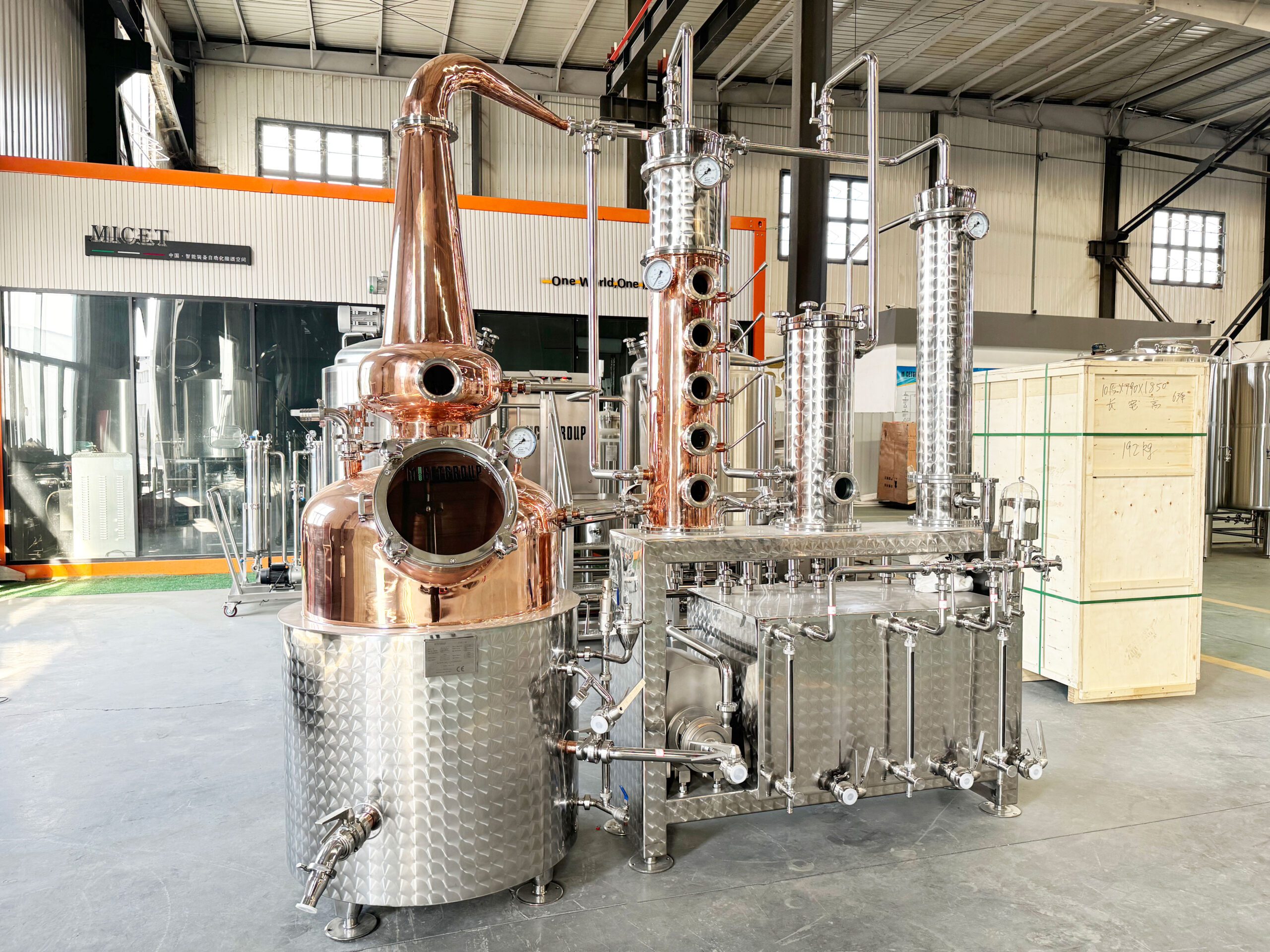
Many buyers now produce more than one drink. Kombucha, cider, wine, distillery wash, and cold brew coffee all need sanitary equipment, temperature control, and smart layout. The core idea is the same: protect flavor and keep the process stable.
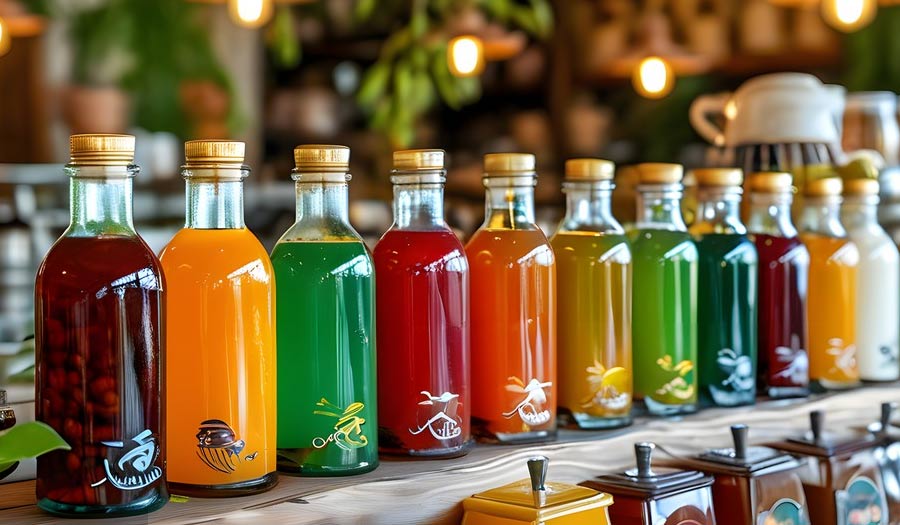
Still, each beverage has its own needs. Kombucha may need acid-resistant surfaces and careful oxygen control. Cider and wine may need gentle transfer. Cold brew coffee may need filtration and low-temperature storage. Beer at home teaches the basics, but commercial beverage production needs deeper planning.
This is why custom manufacturing matters. A standard tank may not fit every recipe, every building, or every market. A custom system can support your product, your team, and your future growth.
FAQs About Brewing Equipment, Home Brew, and Brewery Systems
What equipment do I need to start a small brew project?
For a small setup, you need a kettle, fermenter, thermometer, hydrometer, transfer tool, cleaner, sanitizer, and basic beer making supplies. Some people also add a chiller, pump, and better controls as they grow.
Is a mash tun required for all recipes?
A mash tun is important for all-grain brewing. Extract recipes may not need one. For commercial production, a dedicated mash vessel gives better control and supports repeatable output.
Should I choose keg or bottle packaging first?
Choose based on your sales channel. A taproom may start with keg service. A retail brand may need bottle filling and capping. Many growing producers use both.
Why is glycol cooling important?
Glycol cooling helps hold tank temperature steady. This supports stable fermentation, better flavor control, and safer production planning.
What is the difference between a home brew system and a commercial system?
A home system is for learning and small batches. A commercial system is stronger, easier to clean, and designed for repeated production, staff operation, and long-term business use.
How do I choose the right supplier?
Choose a supplier that understands capacity planning, tank design, piping, cooling, installation, and after-sales service. A good partner should help reduce risk, not only provide equipment.
要点
- Good brewing equipment helps control flavor, labor, cleaning, and output.
- The kettle, mash tun, fermenter, chiller, and transfer parts must work as one system.
- Packaging choices should match your sales model: keg, bottle, brite tank, or mixed output.
- Clean design, CIP planning, and sanitize routines protect product quality.
- Home brew setups are useful for learning, but commercial projects need stronger systems.
- Turnkey brewery planning reduces risk for craft breweries, brewpubs, beverage startups, investors, and contractors.
- Custom design helps your system grow with your business.