










Used Brewery Equipment & TurnKey Brewing Systems Supplier
Certified Used Fermentation Tanks, Brewhouses, Kombucha Equipment &
Packaging Lines for Global Breweries
Distillery Equipment & Turnkey Solutions for different Spirits
Distillery Equipment & Turnkey Solutions
Pot Still, Column Still & Hybrid Still
Why Breweries Trust Micet for Used Equipment
As a top-tier brewery equipment manufacturer, Micet provides a unique advantage in the used equipment market: professional factory inspection, refurbishing, upgrading, cleaning, testing, and turnkey installation services
Factory-Certified Refurbishment
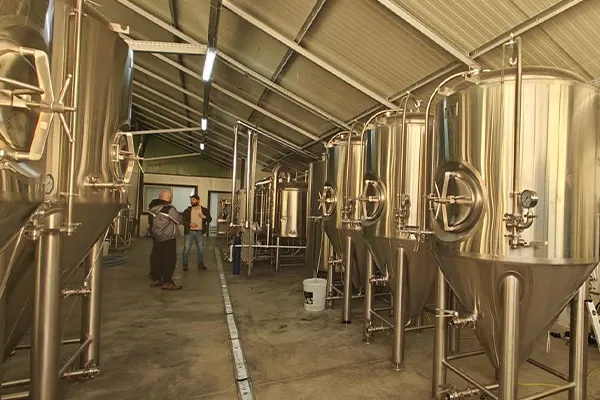
Every tank and system is professionally inspected, repaired, polished, and pressure-tested in our factory to ensure reliable performance and sanitary brewing standards
Professional Manufacturer Quality
As a global brewery equipment manufacturer, Micet applies ASME/CE welding, insulation, polishing, and hygiene standards—even to used equipment
Cost-Effective Brewing Investment
Save 40–70% compared to new systems while still receiving durable stainless-steel equipment that performs like new after refurbishing
Global Export & Technical Support
We provide layout design, installation guidance, logistics support, and long-term technical service for breweries in 68+ countries
Turnkey Brewing Solutions & Customization
Every brewery project is unique. We offer a wide range of optional upgrades so your micro brewery equipment perfectly matches local regulations, energy conditions and brand positioning.
中古醸造設備
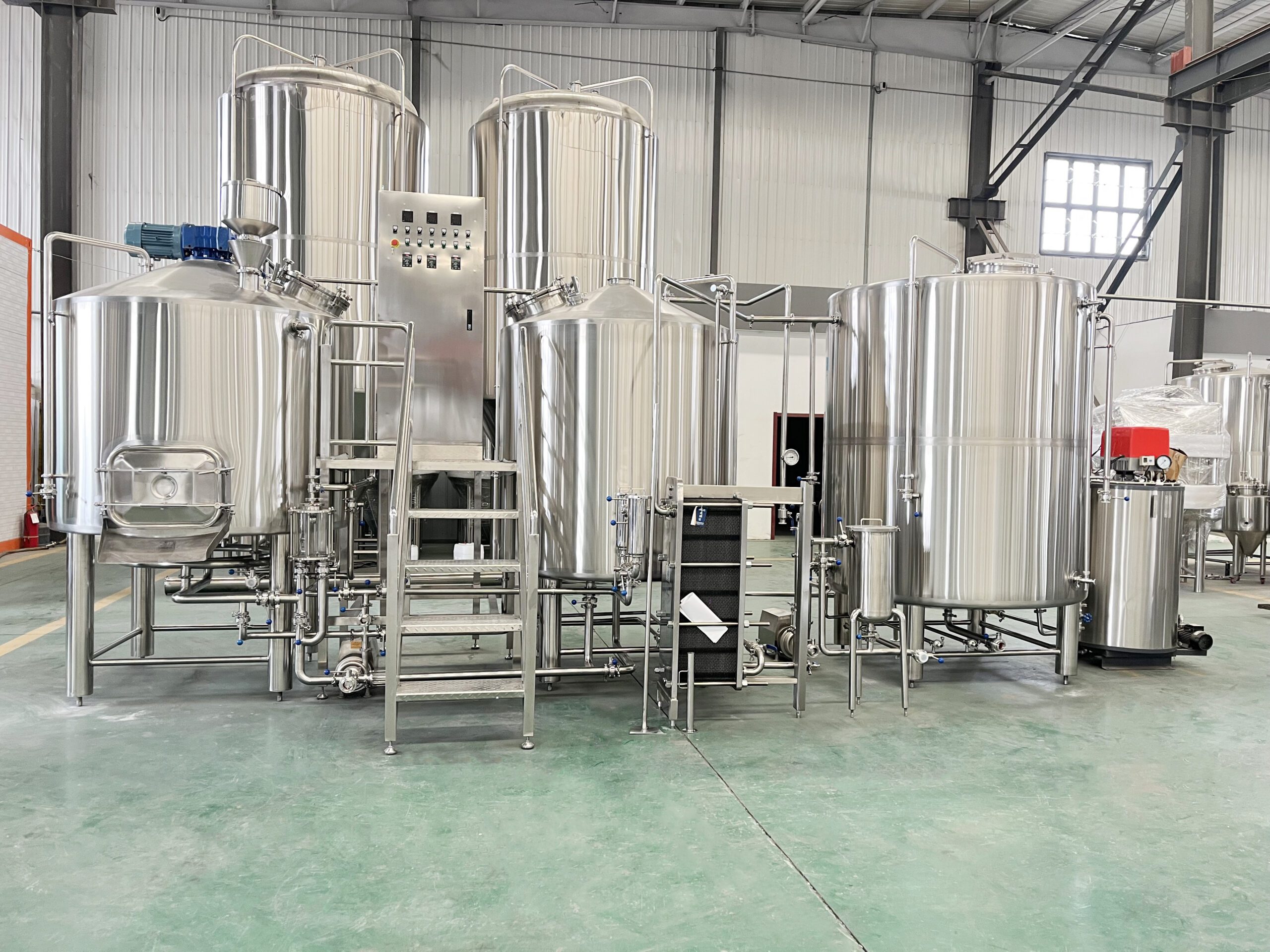
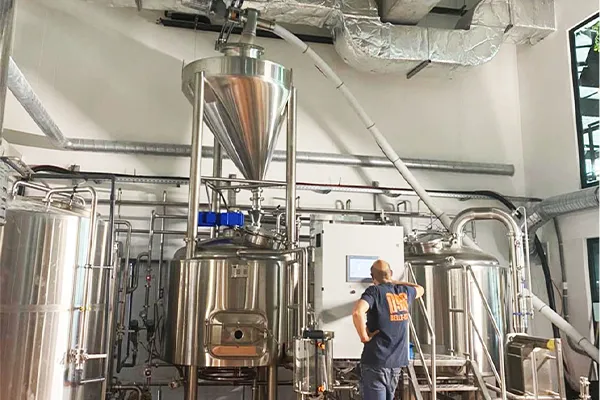
Fully tested brewhouse systems with mash tun, kettle, HLT, and controls—ideal for complete turnkey brewing operations
- 2–10 bbl compact brewhouse configurations
- Mash tun + kettle + HLT package
- Pumps, heat exchanger, and control panel included
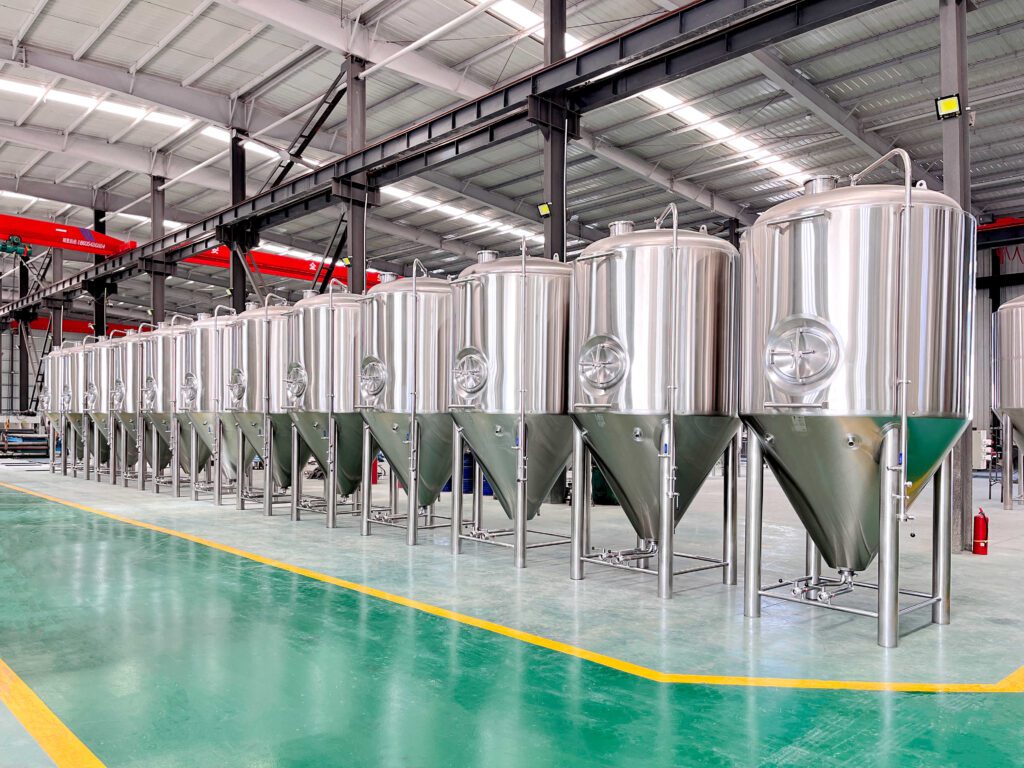
Used Fermentation Tanks
Cost-effective refurbished fermenters ready for brewing, conditioning, and temperature-controlled fermentation
- 3–5 bbl / 10 bbl / 20 bbl / 40 bbl sizes available
- Fully CIP-cleaned and sanitized
- Jacketed, insulated, pressure-tested
- Ready to ship worldwide
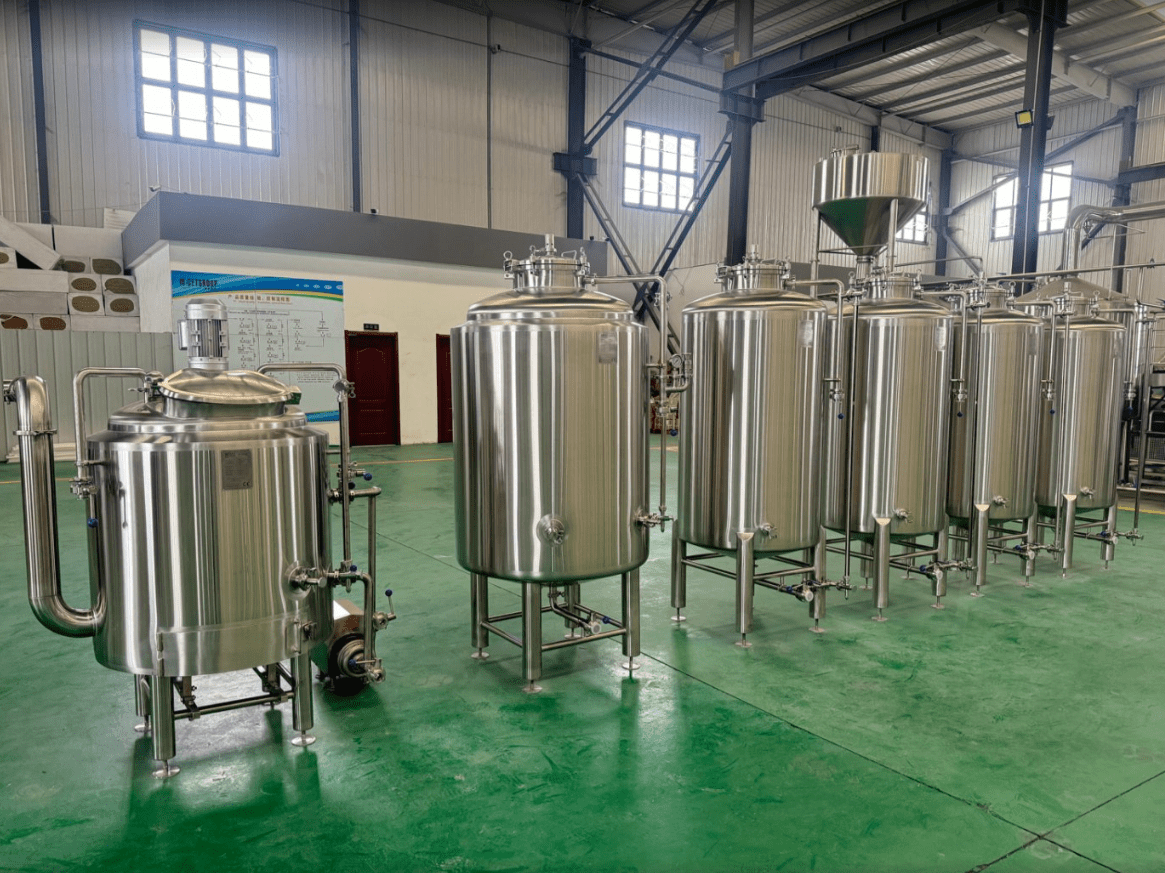
コンブチャ醸造設備
Reliable kombucha fermenting and processing tanks upgraded for tea fermentation and continuous brewing
- Fermenters & brite tanks for kombucha
- Sugar dissolving and mixing system
- Includes yeast brink and pumps
- For tea fermentation and continuous brewing
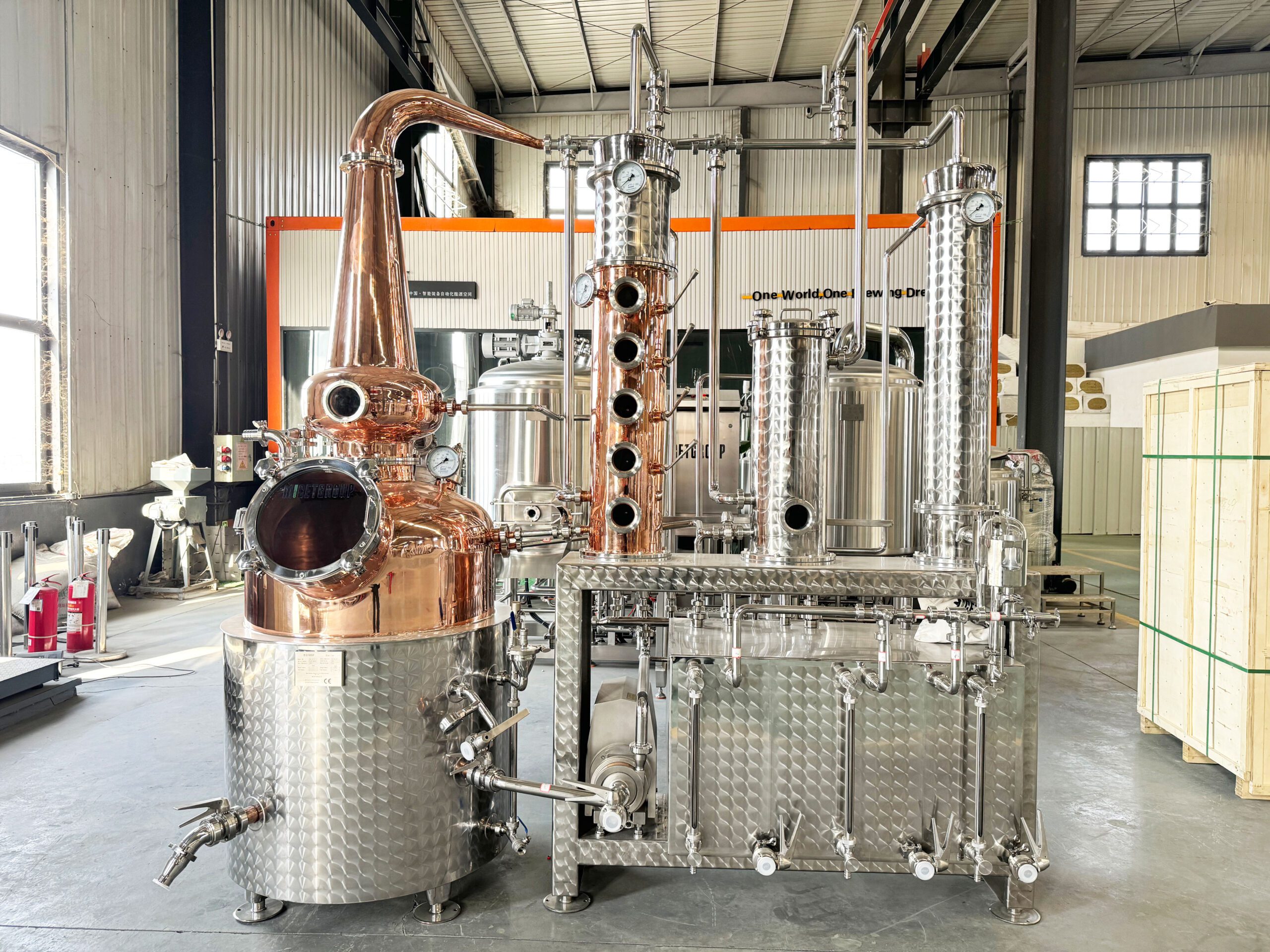
蒸留設備
Save 40–60% on your investment with high-quality new winery tanks, presses, pumps and filtration systems for wineries, juice plants and co-packers.
- Process & Technical Design
- Distillery Equipment Manufacturing
- CAD & 3D distillery layout design
- Installation & Commissioning
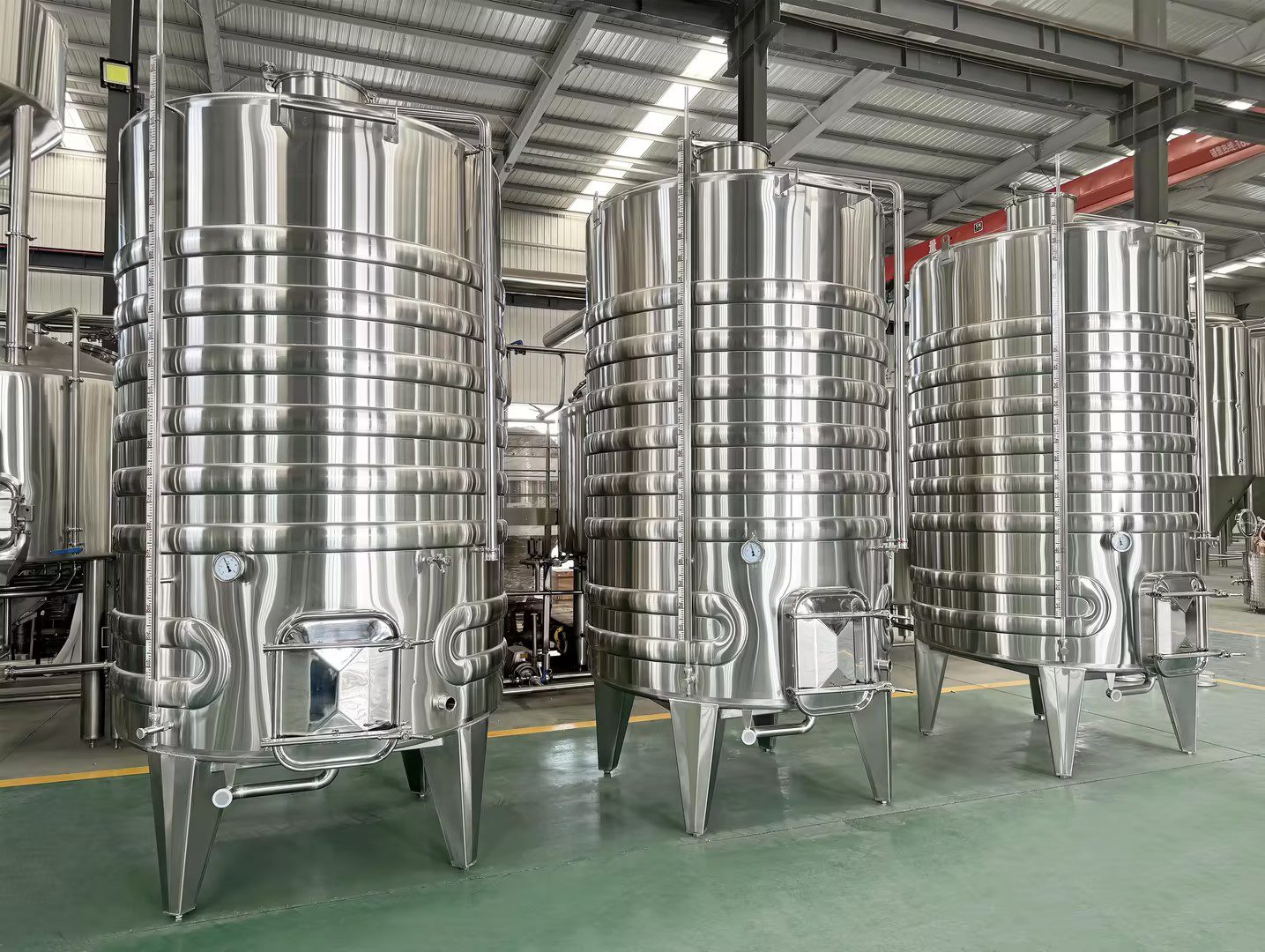
ワイン発酵タンク
Our ワイナリー設備 is rebuilt to modern design & technical standards, using food-grade stainless steel, hygienic internal finishes and CIP-friendly layouts,
- Mash Cookers & Kettles
- Distillery Fermentation Tanks
- Pot Stills & Hybrid Stills
- Column Stills
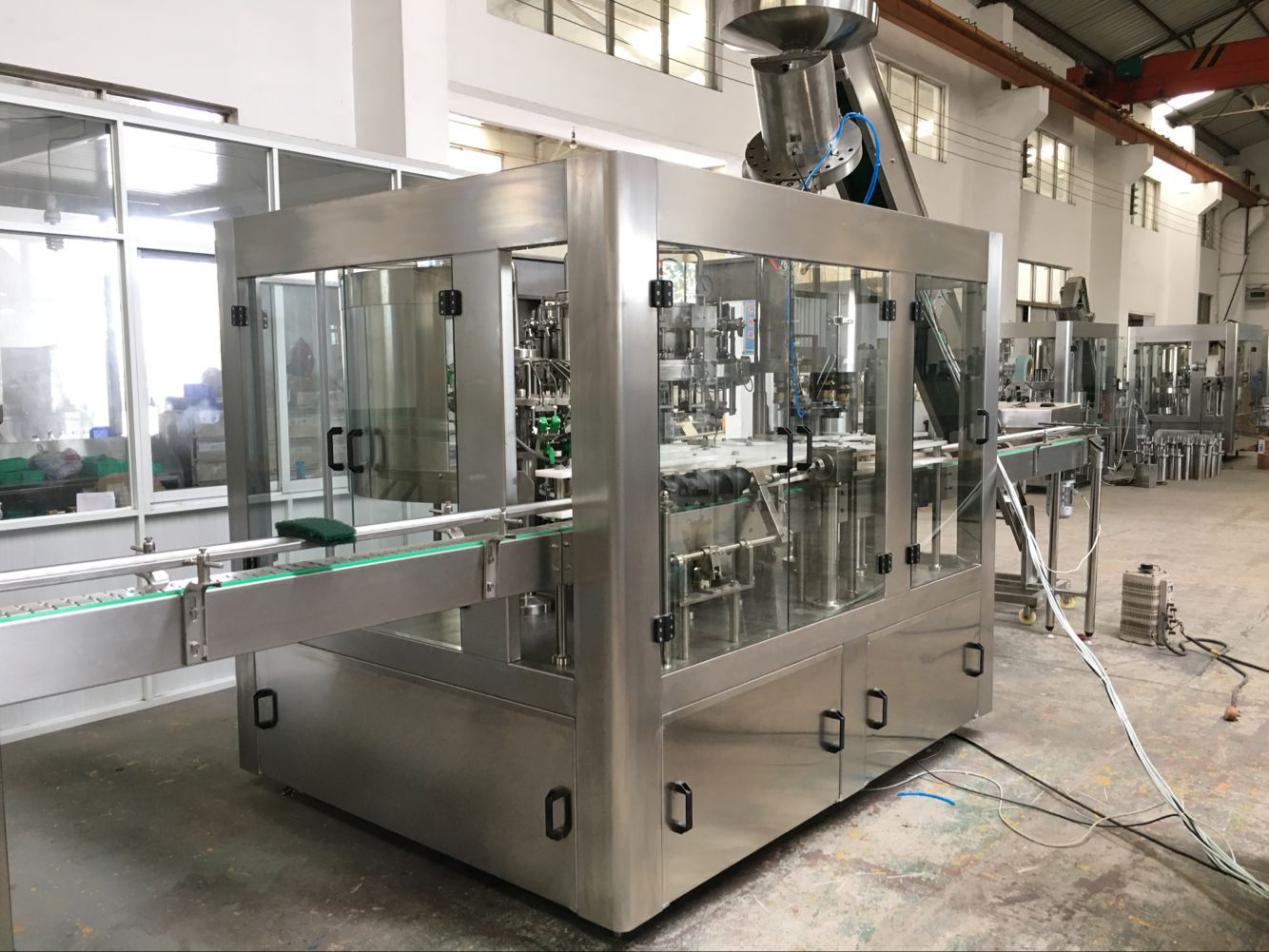
包装設備
Our ワイナリー設備 is rebuilt to modern design & technical standards, using food-grade stainless steel, hygienic internal finishes and CIP-friendly layouts
- Bottle Packaging Lines
- Can Packaging Lines
- Keg Filling & Cleaning Systems
- Plastic Bottle Filling, Capping & Sealing Integrated
Hybrid New & Used Brewing Solutions – Smarter Investment for Your Project
Not every project has to be 100% used or 100% new. We design hybrid new & used brewery equipment solutions that combine refurbished brewhouses, tanks and support systems with new PLC control, CIP, valves and utilities. This approach helps breweries, kombucha producers and distilleries launch or expand with lower CAPEX while keeping critical process steps modern, safe and easy to upgrade.
Tell us about your project and our engineers will design a hybrid new + used solution just for you.
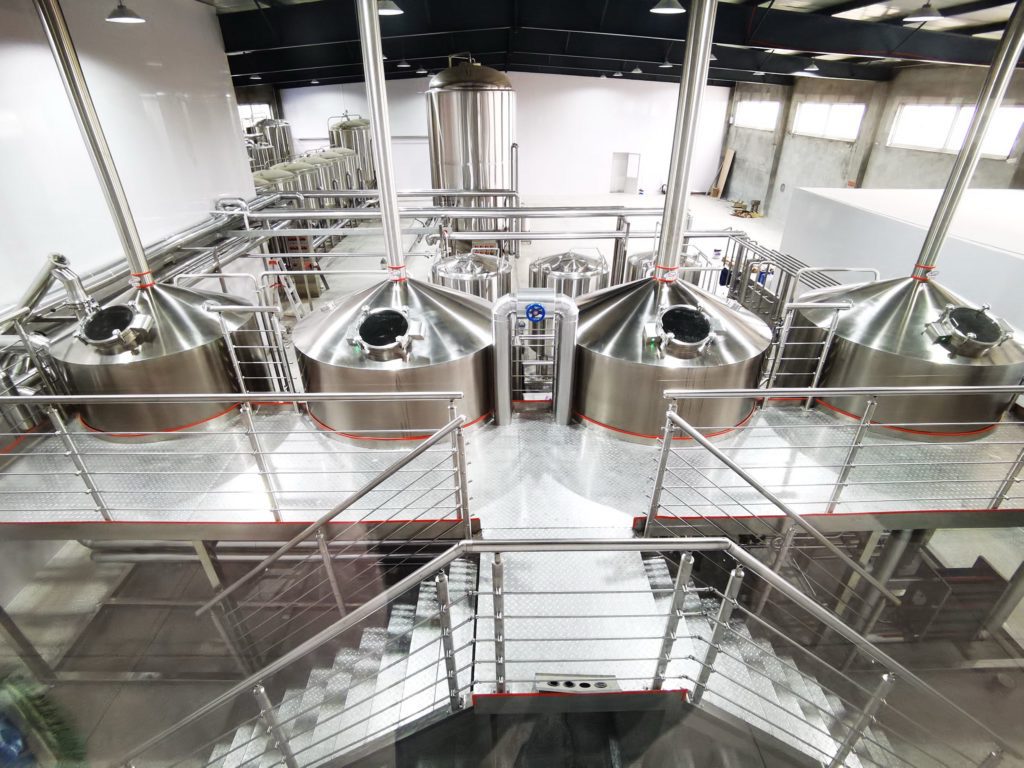
One-Stop Turnkey Brewery Solutions
Beyond individual used tanks, Micet also provides complete turnkey brewing solutions, including:
-
Brewery layout planning
-
P&ID Process flow design
-
Equipment matching and optimization
-
Electrical & piping diagram
-
On-site installation and commissioning
-
Operation training service
-
Ongoing maintenance and upgrades
Micet engineers support breweries of all sizes—commercial, microbrewery, craft pubs, kombucha plants, and pilot production labs.
Micet Company Strength
Micet delivers proven reliability with a 10,000+ m² certified facility, expert engineering support, and the trust of 1,000+ breweries worldwide.
Team
There are different teams of design, production, installation and electric automatization in our company, and turnkey project service also can be provided.
Experience
We are experienced in manufacturing stainless steel vessels for more than 22 years, especially in craft beer brewing equipment.
Customization
The strong professional R&D and production team can provide and produce the Craft Beer Equipment according to the drawings or samples offered by customers.
Professional
Professional order management system ensures us delivery on time, and good quality with QC & QA.

Micet Company Strength
Micet delivers proven reliability with a 10,000+ m² certified facility, expert engineering support, and the trust of 1,000+ breweries worldwide.
Team
There are different teams of design, production, installation and electric automatization in our company, and turnkey project service also can be provided.
Experience
We are experienced in manufacturing stainless steel vessels for more than 22 years, especially in craft beer brewing equipment.
Customization
The strong professional R&D and production team can provide and produce the Craft Beer Equipment according to the drawings or samples offered by customers.
Professional
Professional order management system ensures us delivery on time, and good quality with QC & QA.
How Our Used Equipment Program Works
Our used equipment program ensures every tank and system is inspected, refurbished, tested, and prepared for reliable production, giving you factory-verified quality at a lower investment.
Sourcing
Partner breweries upgrade systems through Micet
Inspection
Professional factory inspection checklist
Refurbish
Re-polish, replace parts, pressure test
Certification
Sanitary and safety compliance
List & Sell
Transparent specs, photos, videos
Ship Worldwide
Export-ready packaging
Real Project Cases & On-Site Photos
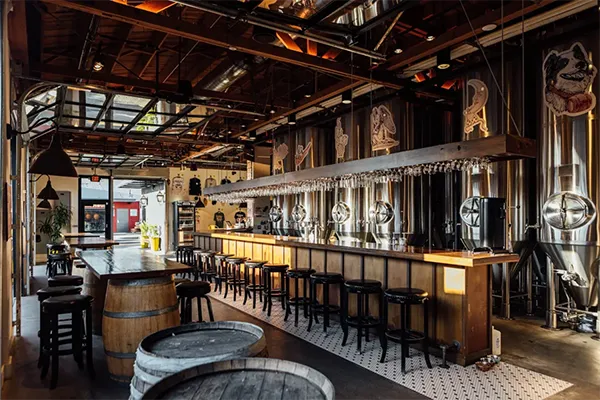
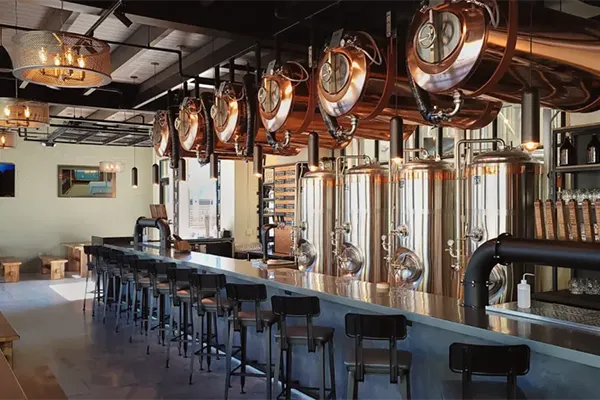
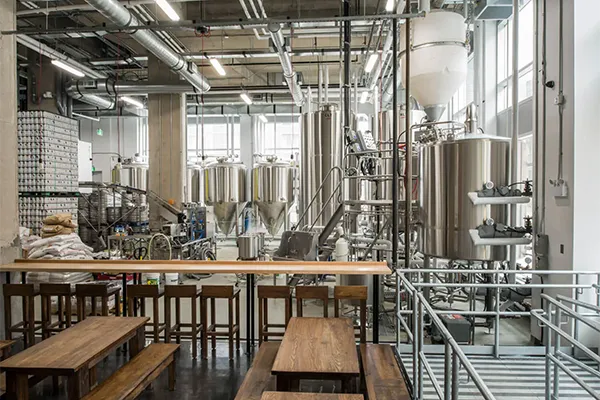
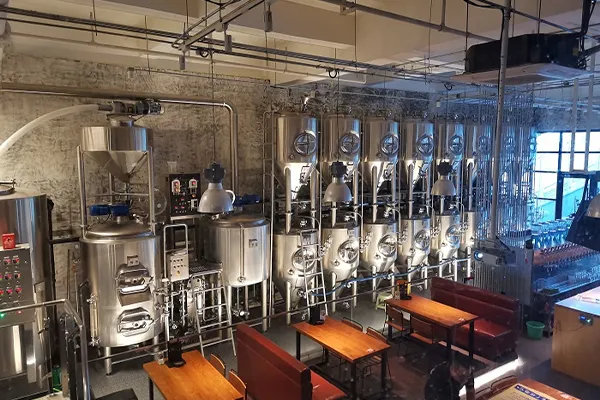
Our used brewery equipment is already working in brewpubs, microbreweries and regional breweries in many countries. Below you can see real installation photos, brewhouse layouts and cellar setups, so you know exactly what to expect in your own project.
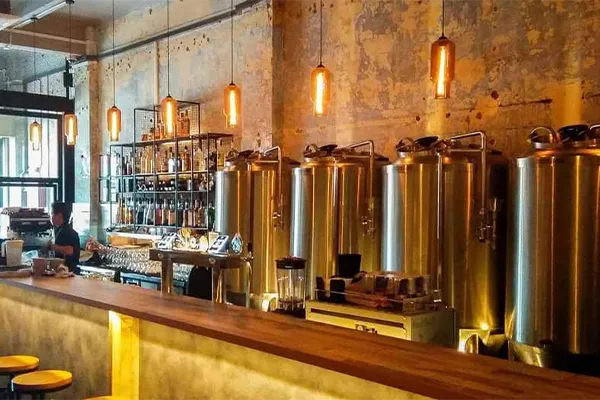
Customer Cases
MICET has performed actual installations in more than 100 countries—customized brewery, kombucha, distillery, winery systems, fermentation tanks, and stainless steel tanks.
Explore how we design, manufacture, install, and support turnkey projects from nano to commercial scale.

Used 500L Fermentation Tank for Sale
As the global craft beer industry continues to grow, many breweries are looking for reliable and affordable equipment to expand production while controlling investment costs. A high-quality used fermentation tank can be an excellent choice, offering professional performance at a significantly lower price than new equipment.
We currently have a well-maintained used 500L stainless steel fermentation tank available for sale. This tank has been professionally inspected, cleaned, and tested to ensure stable operation and excellent brewing performance. It is ideal for craft breweries, brewpubs, pilot brewing projects, beverage startups, and expanding production facilities.
Product Overview
The used 500L fermentation tank is one of the most popular sizes in the craft brewing industry. It provides the perfect balance between production flexibility and investment efficiency. Whether you are launching a new brewery or adding extra fermentation capacity, this tank can meet your requirements.
Manufactured from food-grade stainless steel, the tank is designed according to sanitary standards and is suitable for beer fermentation, cider production, kombucha fermentation, and other beverage applications.
Main Features
- Capacity: 500 Liters
- Material: Food-grade
- SUS304 Stainless Steel
- Double-Wall Construction with Glycol Cooling Jacket
- PU Insulation for Temperature Stability
- CIP Cleaning Spray Ball Included
- Pressure Gauge and Sampling Valve
- Adjustable Stainless Steel Legs
- Top or Side Manway Configuration
- Safety Pressure Relief Valve
- Mirror-Polished Interior Surface
Advantages of Choosing Used Equipment
Significant Cost Savings
Purchasing a used fermentation tank can reduce equipment investment by 30% to 60% compared with buying a new unit. This allows breweries to allocate more budget toward raw materials, packaging, marketing, or additional production equipment.
Faster Delivery
Unlike new equipment that may require several weeks or months of manufacturing time, used tanks are generally available for immediate shipment, helping breweries start production sooner and reduce waiting time.
Proven Performance
This tank has already been used in a production environment and has demonstrated reliable operational performance. After professional inspection and refurbishment, it is ready for continued service.
Sustainable Choice
Reusing brewing equipment contributes to environmental sustainability by extending equipment life cycles and reducing industrial waste.
Suitable Applications
について used 500L fermentation tank is suitable for:
- クラフト・ブリュワリー
- ブリューパブ
- Pilot Brewing Systems
- Cider Production
- Kombucha Production
- Distillery Fermentation
- Beverage Research and
- Development Facilities
Equipment Condition
All used equipment offered by our company undergoes a comprehensive inspection process before sale. We carefully evaluate tank integrity, welding quality, cooling jacket condition, valves, fittings, and overall appearance.
The tank is thoroughly cleaned, pressure-tested, and prepared for shipment to ensure customers receive equipment that is ready for installation and operation.
Photos, videos, and detailed inspection reports can be provided upon request.
お問い合わせ
If you are looking for a reliable and affordable used 500L fermentation tank, this unit represents an excellent opportunity to expand your brewery at a competitive cost.
Contact us today for pricing, photos, videos, and shipping information. Our team will be happy to provide a customized quotation and help you select the right equipment for your brewing project.

高品質の中古500Lクラフトビール醸造設備の販売
投資コストを抑えながら生産拡大を目指す醸造所、ブルーパブ、レストラン、クラフトビール新興企業にとって、この中古500Lクラフトビール醸造システムは、性能、信頼性、手頃な価格の優れたバランスを提供します。この醸造所一式は専門家によるメンテナンスが施され、良好な稼働状態を維持しているため、業務用ビール生産に理想的なソリューションとなっています。.
中古500L醸造システム構成一式
|
設備名 |
仕様 |
|
マッシュ・タン |
500L |
|
ラウター&ワールプール桶 |
500L |
|
発酵タンク |
500L |
|
グリコール水タンク |
1000L |
|
グリコール・チラー |
5 HP |
|
電気蒸気ボイラー |
50 kg/h |
|
モルト・ミル |
150 kg/h |
|
CIP洗浄カート |
可動式ステンレスタイプ |
|
電気制御盤 |
完全制御システム |
このシステムは2槽式醸造所として設計されており、床面積を最小限に抑えながら効率的な麦汁生産を実現する。.
効率的な醸造能力
500L醸造所は、IPA、ペールエール、ラガー、スタウト、ウィートビール、季節限定のスペシャルビールなど、さまざまなスタイルのクラフトビールの製造に適しています。.
6人 500L発酵タンク, 醸造者は複数のビールレシピを同時に管理することができ、生産の柔軟性が向上し、醸造所全体の生産量が増加します。発酵スケジュールや醸造頻度にもよりますが、このシステムは月に数千リットルのビールを生産できるので、小規模な商業醸造所や成長中のクラフトビール・ビジネスに適しています。.
信頼性の高い冷却と温度制御
醸造所には、1000Lのグリコール水タンクと5HPのグリコールチラーがあり、発酵とビールのコンディショニング工程で安定した冷却性能を発揮します。正確な温度制御により、製造全体を通してビールの品質と一貫性を維持することができます。.
付属の50kg電気ボイラーは、マッシングと麦汁製造に必要なスチームと熱エネルギーを供給し、効率的な醸造作業を保証します。.
簡単なクリーニングとメンテナンス
専用のCIP洗浄カートを使用することで、ビールメーカーはタンクやパイプラインを効率的に洗浄することができ、必要な労働力を削減し、衛生基準を向上させることができます。適切な洗浄は、ビールの品質を維持し、機器の耐用年数を延ばすために不可欠です。.
ステンレス鋼製で、耐食性、耐久性に優れ、食品グレードの醸造要件に適合している。.
様々な醸造ビジネスに最適
この中古500L醸造システムは、以下の用途に適している:
- クラフト・ブリュワリー
- ブリューパブ
- レストランの醸造所
- タップルーム
- パイロット醸造施設
- 契約醸造プロジェクト
- 醸造所拡大プログラム
新しい醸造所を立ち上げる場合でも、既存の生産能力を拡張する場合でも、このシステムは、新しい設備を購入する代わりに費用対効果の高い選択肢を提供します。.
中古醸造設備を購入する利点
新品の醸造設備に比べ、中古の醸造システムにはいくつかの利点がある:
- 初期投資の低減
- より迅速な配送と設置
- 実証済みの運用実績
- プロジェクト立ち上げコストの削減
- 投資収益率の向上
成功を収めているクラフトビール醸造所の多くは、予算の柔軟性を維持しながら事業の成長を加速させるために、高品質の中古醸造設備を使用して事業を開始または拡大しています。.
お問い合わせ
信頼性の高い中古の500Lクラフトビール醸造システムをお探しなら、この醸造所パッケージ一式がお客様の生産ニーズをサポートします。詳細な写真、技術仕様、機器の状態レポート、価格情報、世界各地への配送ソリューションについては、今すぐお問い合わせください。.
また、醸造所のレイアウト設計、設置指導、試運転サポート、アフターセールス技術支援も提供し、迅速かつ効率的に醸造を開始できるようお手伝いします。.

蒸留酒を蒸留するために使用される蒸留設備とは?商業用蒸留装置の完全ガイド
Starting a distillery without the right equipment can waste raw ingredients, reduce spirit quality, and create serious safety risks. Distillation needs more than a still. A complete distillery needs fermentation, heating, vapor control, condensation, storage, cleaning, testing, and packaging equipment.
A distillery usually uses mash equipment, a mash tun, fermenter, pot still or column still, condenser, reflux system, receiving tank, storage tanks, filtration equipment, proofing tools, CIP cleaning equipment, pumps, valves, piping, and bottling equipment. Commercial distilling also requires safety controls, ventilation, temperature control, hygienic design, and legal compliance.

エグゼクティブ・サマリー
Distillery equipment is not only the still. A complete system includes mash preparation, fermentation, distillation, condensation, spirit collection, storage, filtration, proofing, cleaning, and packaging.
Distillation separates liquid mixtures by vapor behavior, then condenses vapor back into liquid distillate.
In the United States, a distilled spirits plant can produce, bottle, process, rectify, or store beverage spirits such as vodka, whiskey, gin, brandy, rum, and liqueurs, but approval and compliance are required.
Ethanol vapor and flammable liquid handling require serious engineering controls, including controlling vapor release and eliminating ignition sources.
Copper contact is often used in whiskey distilling because copper surfaces can help reduce sulfur compounds in spirit production, although the effect depends on still design and contact area.
The right distillation equipment depends on spirit type, batch size, heating method, hygiene requirements, local regulations, and the size of your business.
記事概要
What equipment is used in any distillery?
What does a still do in the distillation process?
Pot still vs column still: which distillation equipment is right?
Why are mash tun, fermentation tank, and fermenter important?
How do condenser, vapor path, and reflux affect distillate quality?
What storage tanks, proofing tools, and filtration equipment are needed?
What cleaning equipment supports hygiene within a distillery?
What equipment is needed for whiskey, vodka, gin, brandy, and essential oils?
What safety and compliance equipment should commercial distilling projects consider?
How should B2B buyers choose commercial distillery equipment?
What Equipment Is Used in Any Distillery?
どの蒸留所にも基本的な設備が含まれます:原材料取り扱いツール、マッシュ設備、 発酵タンクスティル、コンデンサー、受けタンク、貯蔵タンク、ポンプ、バルブ、配管、清掃設備、試験ツール、パッケージング設備です。正確なシステムは、蒸留者がウイスキー、ウォッカ、ジン、ブランデー、ラム、中性スピリッツ、または他の蒸留スピリッツ製品を製造するかどうかに依存します。
A simple distillery flow looks like this:
| Process Stage | Main Equipment Used |
|---|---|
| Raw ingredient preparation | Grain mill, fruit crusher, sugar mixing tank, water treatment |
| Mash preparation | Mash tun, cooker, agitator, heating system |
| 発酵 | Fermenter, cooling jacket, yeast handling, temperature control |
| Distillation | Pot still, column still, heating system, reflux system |
| Condensation | Condenser, cooling water system, distillate outlet |
| Collection | Spirit receiver, alcohol pipeline, hydrometer, proofing tools |
| Aging or storage | Stainless steel storage tanks, barrels, blending tanks |
| ろ過 | Good filtration system, activated carbon filters where suitable |
| クリーニング | CIP pump, spray balls, cleaning tanks, sanitary piping |
| パッケージング | Manual bottling line, filling machine, corker, capper, labeler |
For commercial projects, I do not recommend choosing equipment piece by piece without a production plan. Distilling alcohol involves heat, ethanol vapor, pressure, cooling, cleaning, and regulation. The equipment should be planned as one system.
As a professional brewery, distillery, winery, kombucha, and beverage equipment manufacturer, we usually begin by asking: What spirit do you want to distill, what batch size do you need, and how will the product be packaged or aged? Those answers shape the whole system.
What Does a Still Do in the Distillation Process?
A still is the core distillation equipment used to heat fermented liquid and separate alcohol vapor from the mixture. During distillation, components with different vapor behavior separate as the liquid is heated. The vapor travels through the still system, enters a condenser, cools, and returns to liquid form as distillate.
In spirit production, the still does not create alcohol by itself. Alcohol comes from fermentation, where yeast converts fermentable sugars into ethanol. The still then concentrates and separates the alcohol and flavor compounds from the fermented wash, wine, mash, or beer-like liquid.
A distiller controls several factors during the distilling process:
- Heating rate
- Vapor path
- Copper or stainless steel contact
- Reflux level
- Condenser efficiency
- Collection method
- Cut points
- Cooling water flow
- Product proof target
A small change in still design can change flavor, yield, and working efficiency. A tall neck may create more reflux. A traditional pot still may keep heavier flavor. A column still may produce cleaner, lighter spirit. The right choice depends on the spirit style.

Pot Still vs Column Still: Which Distillation Equipment Is Right?
A pot still is commonly used for flavorful batch distillation. It is often selected for whiskey distilling, brandy, rum, and craft spirits where aroma and body matter. A traditional pot still usually has a pot, head or helmet, lyne arm, condenser, and collection outlet.
A column still uses plates or packing to create repeated vapor-liquid contact inside the column. This helps increase separation and can produce higher-proof spirit. Column still systems are often used for vodka, gin base spirit, neutral spirit, and operations that need more control over purity and proof.
| Equipment Type | Main Strength | Common Use |
|---|---|---|
| Pot still | Richer flavor, batch control, traditional character | Whiskey, brandy, rum, craft spirits |
| Column still | Higher proof, cleaner separation, more reflux control | Vodka, gin base, neutral alcohol |
| Hybrid still | Combines pot and column features | Craft distilleries with multiple products |
| Reflux column | Better separation and cleaner output | Vodka or high-proof spirits |
| Botanical gin still | Adds vapor or liquid infusion options | Gin and flavoring products |
The trade-off is simple. A pot still often gives more character but may need more time and more cuts. A column still gives more control and higher proof but may remove some heavier flavor. For a multi-product distillery, a hybrid pot-column system can be practical.
Why Are Mash Tun, Fermentation Tank, and Fermenter Important?
Before a distillery can distill, it needs fermentable alcohol. For grain spirits, the process often starts with milling and mashing. A mash tun or cooker mixes grain and water under controlled temperature and mixing. This helps convert starch into fermentable sugars, depending on the raw ingredients and recipe.
After mashing, the liquid moves to a fermenter. Yeast is added, and fermentation begins. The fermenter must support temperature control, cleaning, safe transfer, and proper working volume. For fruit spirits or brandy, fermentation may start with juice or crushed fruit instead of grain mash.
A commercial fermenter should be:
- Made of stainless steel or suitable food-grade material
- Easy to clean
- Designed with sanitary valves
- Sized for the batch plan
- Equipped with temperature control mechanisms
- Compatible with CIP cleaning where needed
- Built with safe access and drain points
If fermentation is unstable, distillation cannot fix everything. Poor fermentation can create off-flavors, low alcohol yield, microbial problems, or inconsistent distillate. Good spirits begin before the still.
How Do Condenser, Vapor Path, and Reflux Affect Distillate Quality?
The condenser cools alcohol vapor and turns it back into liquid distillate. Without a good condenser, vapor may not fully condense, collection becomes unstable, and safety risk increases. Condenser design must match the still size, heating power, cooling water supply, and expected vapor flow.
The vapor path also matters. Vapor may pass through copper, stainless steel, a helmet, a swan neck, a column, plates, packing, or a reflux section. More reflux means some vapor condenses and returns to the still or column before being collected. This repeated contact can make the spirit cleaner and higher in proof.
Copper deserves special attention. Research on whiskey sulfur compounds notes that copper still surfaces have been reported to remove sulfur compounds, although the chemistry is complex and not every copper position has the same effect.
For whiskey, brandy, and some craft spirits, copper contact can help shape aroma. For vodka or gin, stainless steel systems with copper sections may be used depending on the desired spirit style. The best design is not “all copper” or “all stainless” by default. It should match product quality and yield goals.
What Storage Tanks, Proofing Tools, and Filtration Equipment Are Needed?
After distillation, the distillate may need temporary holding, proof adjustment, blending, filtration, aging, or bottling. Storage tanks are used for spirit collection, blending, dilution, resting, or bulk storage. They are usually made of stainless steel and fitted with sanitary valves, level indicators, vents, manways, and cleaning connections.
Proofing tools help the distiller check alcohol strength. A hydrometer or alcoholmeter is used to measure proof or ABV, usually with temperature correction. Professional operations may also use lab testing for accuracy, especially for tax, labeling, and compliance.
ろ過は蒸留酒の特性に依存します。ウオッカは、透明度と滑らかさを改善するために活性炭フィルターを使用することがあります。ジンは植物由来の粒子を除去する必要がある場合があります。ブランデーやウィスキーは、フレーバーの保持が目的であれば、ろ過を少なくする必要があるかもしれません。良いろ過システムは、求められる特性を損なうことなく製品の品質を向上させるべきです。
| 設備 | 目的 |
|---|---|
| スピリットレシーバー | 冷却器からの蒸留物を集める |
| Storage tank | ブレンドまたは包装の前にスピリットを保持する |
| プルーフタンク | 希釈とプルーフ調整をサポートする |
| ハイドロメーター / アルコールメーター | アルコール強度をチェックする |
| 活性炭フィルター | ウオッカのポリッシングに一般的 |
| カートリッジまたはプレートろ過 | 瓶詰め前に粒子を除去する |
| ブレンディングタンク | バッチを混ぜるまたはフレーバーを調整する |
| 手動瓶詰めライン | 小規模なクラフト生産に適している |
蒸留所内の衛生をサポートする清掃設備は何ですか?
蒸留所内の衛生状態は、風味、安全、製造効率に影響を与えます。清掃設備には CIPシステムスプレーボール、清掃ポンプ、化学薬品タンク、ホース、排水システム、衛生的な接続部が含まれるかもしれません。CIPとは、その場で清掃することを意味します。完全に分解せずにタンクやパイプを清掃することが可能です。
蒸留所の清掃は単なるすすぎとは異なります。マッシュ残渣、酵母、果物の pulp、糖の沈着物、植物性オイル、鉱物スケールが設備に蓄積することがあります。これらの残留物がシステム内に残ると、次のバッチに影響を与える可能性があります。
よく設計された清掃設備は以下をサポートするべきです:
- 安全な化学物質の循環
- 簡単な排水
- 死角がないこと
- 滑らかな内部表面
- アクセス可能なバルブ
- 必要に応じて取り外し可能なフィルター
- 定期的な点検
- 文書化された清掃手順
B2Bバイヤーにとって、これは低コスト設備とプロフェッショナルな 蒸留所設備の最も大きな違いの一つです。 清掃が難しいスティルやタンクは、ダウンタイム、労働、品質問題を通じて高額になります。
ウィスキー、ウオッカ、ジン、ブランデー、エッセンシャルオイルには何の設備が必要ですか?
異なる製品には異なる蒸留設備が必要です。ウイスキーの蒸留では、通常、マッシュ調理、発酵タンク、 ポットスチル あるいはハイブリッドスティル、コンデンサー、スピリッツ受取装置、樽、貯蔵エリアが必要です。ブランデーでは、果物の処理、発酵、蒸留、そして多くの場合は熟成が必要です。
ウオッカまたはジンは異なる計画を必要とします。ウオッカは通常、よりクリーンで高濃度のスピリットを必要とするため、カラム蒸留、リフラックス制御、プルーフ測定、およびろ過が重要になります。ジンは植物由来のフレーバー付与が必要であり、これはマセレーション、蒸気注入、または蒸留者のスタイルによって異なるジンバスケットを通じて行われる場合があります。
エッセンシャルオイルは飲料アルコールではありませんが、一部の機器の原則は重複しています。エッセンシャルオイルの蒸留には、通常蒸気蒸留、植物材料用バスケット、冷却器、油と水の分離器、ステンレス鋼の容器が使用されます。デザインの焦点は香りの捕獲、植物材料の取り扱い、分離です。
| 製品 | 一般的な機器の焦点 |
|---|---|
| ウィスキー | マッシュタンク、発酵器、ポットスチル、冷却器、樽熟成 |
| ウオッカ | カラムスチル、リフラックス、ろ過、プルーフタンク |
| ジン | ニュートラルスピリットシステム、植物バスケット、フレーバー制御 |
| ブランデー | 果物の発酵、ポットスチル、貯蔵タンク |
| ラム | モラセスの取り扱い、発酵、ポットまたはカラム蒸留 |
| エッセンシャルオイル | 蒸気発生器、植物バスケット、冷却器、分離器 |
1000Lの蒸留所システムは成長中のクラフト蒸留所に適しているかもしれませんが、サイズだけでは不十分です。加熱方法、冷却器の容量、カラム設計、清掃アクセス、建物の公共施設が製品に合致する必要があります。
商業蒸留プロジェクトはどのような安全およびコンプライアンス設備を検討すべきですか?
商業蒸留には可燃性の液体とエタノール蒸気が含まれます。OSHAのガイダンスによれば、エタノールなどの可燃性液体に対する工学的管理は、可燃性蒸気の放出を防止または制御し、発火源を排除することに焦点を当てています。
蒸留所は、以下のような安全装置および設計機能を考慮すべきです:
- 適切な換気
- 必要に応じて爆発防止型の電気部品
- 接地およびボンディング
- 安全なアルコール保管
- 温度および圧力モニタリング
- 緊急シャットオフ
- 火災防護
- 漏出管理
- 明確な排水
- 安全なアクセスプラットフォーム
- 地域のコードに準拠した部屋設計
法令遵守も重要です。アメリカ合衆国では、TTBの規則が蒸留酒工場の運営、許可、登録、生産、瓶詰め、処理、保管、および関連するコンプライアンスのトピックをカバーしています。蒸留酒工場は、スピリッツを生産、瓶詰め、改良、処理、または保管できますが、操作者は適用される規則に従う必要があります。
この記事は法的助言ではありません。すべての商業蒸留所は、設備を購入または設置する前に、地元の法律、アルコールライセンス規則、火災規則、電気規則、および環境要件を確認する必要があります。
B2Bバイヤーは商業蒸留設備をどのように選ぶべきか?
B2Bバイヤーは、カタログの写真ではなくプロセスで商業蒸留設備を選択すべきです。スタートアップのクラフト蒸留所、確立された蒸留所、レストランチェーン、飲料共同包装業者、流通業者、またはプロジェクト投資者は、製品名が似ていても非常に異なる設備が必要となる場合があります。
実用的な購入チェックリスト:
| Question | なぜ重要なのか |
|---|---|
| どのスピリッツを生産しますか? | ウイスキー、ウォッカ、ジン、ブランデー、ラム、またはエッセンシャルオイルは異なるシステムが必要です。 |
| どのバッチサイズが必要ですか? | スチルの容量、発酵槽のサイズ、加熱負荷を定義します。 |
| どの原材料を使用しますか? | 穀物、果物、モラセス、またはボタニカルは、マッシュと清掃に影響を与えます。 |
| ポットスティルかコラムスティルか? | 風味、度数、製造スタイルを制御します。 |
| どの加熱方法が利用可能ですか? | スチーム、電気、ガス、または熱油は、レイアウトとコストに影響します。 |
| 銅接触が必要ですか? | 一部のスピリッツスタイルと香りのターゲットにとって重要です。 |
| どの度数のターゲットが必要ですか? | リフラックス、カラムデザイン、およびコレクション戦略に影響します。 |
| システムはどのように清掃しますか? | CIP、アクセス、バルブ、ダウンタイムを決定します。 |
| どのパッケージング方法が計画されていますか? | 手動瓶詰めラインまたは自動充填はレイアウトに影響します。 |
| どのサポートが必要ですか? | CAD/3Dレイアウト、設置ガイダンス、および技術サービスはリスクを減少させます。 |
私たちの専門的な経験から、多くの蒸留所プロジェクトは計画段階で失敗します。なぜならバイヤーがスティルだけに焦点を当てるからです。スティルは重要ですが、発酵槽、冷却装置、冷却システム、清掃計画、貯蔵タンク、および安全設計も同様に重要です。
すべての蒸留所に当てはまらない推奨事項は?
すべての蒸留所が同じシステムを必要としているわけではありません。小さなクラフト蒸留業者は、高い自動化よりも柔軟性が必要かもしれません。ウォッカ生産者は、コラムスティルとフィルトレーションが必要かもしれません。ウイスキー生産者は、伝統的なポットスティルの特性を好むことがあります。ブランデー生産者は果物の取り扱いや穏やかな蒸留にフォーカスするかもしれません。共同パッカーは、再現可能な清掃、迅速な変更、およびバッチ文書が必要かもしれません。
重要なトレードオフには:
- ポットスティル対コラムスティル:風味特性対高い度数と分離。
- 銅対ステンレス鋼:香りの管理対清掃、コスト、および耐久性。
- 手動対自動制御:初期コストの低さ対再現可能な操作。
- 小バッチ対大バッチ:製品の柔軟性対規模の経済。
- オープンレイアウト対コンパクトレイアウト:サービスへのアクセスの容易さ対限られた建物スペース。
- 基本的なフィルトレーション対高度なフィルトレーション:風味保持対透明度と滑らかさ。
最高のシステムは最も高価なものではありません。それは、あなたの製品、生産能力、安全要件、および長期的なビジネス計画に一致するシステムです。
実用的なケーススタディ:1000Lクラフト蒸留システムの計画
スタートアップの蒸留所は、ウイスキーとジンのための1000Lシステムを望んでいました。最初、バイヤーはスティルの価格だけを求めました。プロジェクトをレビューした結果、施設は発酵容量、冷却、ボタニカルの取り扱い、度数調整、貯蔵、清掃、実用的な手動瓶詰めラインも必要であることがわかりました。
最終的な設備計画には:
| ニーズ | 設備ソリューション |
|---|---|
| ウイスキーのマッシュ準備 | マッシュタンの温度および攪拌制御 |
| 発酵 | バッチスケジュール用にサイズ調整されたステンレススチールの発酵槽 |
| ウイスキー蒸留 | 銅接触およびコンデンサーを備えたポットスチル |
| ジンの柔軟性 | ボタニカルバスケットと制御された蒸気経路 |
| 冷却 | コンデンサー冷却水システム |
| スピリッツの取り扱い | 受けタンク、プルーフタンク、貯蔵タンク |
| クリーニング | CIPポンプおよび衛生スプレー接続 |
| パッケージング | 小規模リリース用の手動瓶詰めライン |
| レイアウト | ワークフローおよびユーティリティアクセス用のCAD/3Dプラン |
このプロジェクトは共通の教訓を示しました:良い蒸留所設備は、蒸留の瞬間だけでなく、生産チェーン全体をサポートするべきです。
蒸留設備に関するよくある質問
蒸留所で使用される設備は何ですか?
蒸留所では、マッシュ設備、発酵器、スティル、コンデンサー、リフラックスシステム、スピリッツ受取装置、貯蔵タンク、ポンプ、バルブ、配管、フィルタリングシステム、プルーフィングツール、清掃設備などが必要です。 ボトリング設備。
蒸留所で最も重要な設備は何ですか?
スティルは最も目立つ設備ですが、発酵器、コンデンサー、冷却システム、清掃システムも不可欠です。悪い発酵や悪い凝縮は、スティルが良く作られていても品質を損なう可能性があります。
What is the difference between a pot still and a column still?
ポットスチルは通常、バッチ蒸留およびウイスキー、ラム、ブランデーなどの風味豊かなスピリッツに使用されます。コラムスチルは、強力な分離と高いプルーフを実現するためにプレートまたはパッキングを使用し、ウォッカ、ジンの基礎スピリッツ、中性アルコールに役立ちます。
蒸留設備にはステンレススチールまたは銅のどちらが適していますか?
どちらも有用です。ステンレススチールは耐久性があり、衛生的で、掃除が簡単です。銅は硫黄化合物を管理するのに役立ち、ウイスキーやブランデーの多くのスティルでは伝統的です。多くの商業システムはステンレススチールと銅接触セクションを組み合わせています。
蒸留所にはマッシュタンが必要ですか?
あなたのスピリッツ生産が穀物または他のデンプンベースの原材料から始まる場合、マッシュタンが必要です。ワイン、サイダー、果物の洗浄、または購入した中性スピリッツから蒸留する場合、マッシュ設備のニーズは異なる可能性があります。
ウォッカまたはジンに必要な設備は何ですか?
ウォッカには通常、コラム蒸留、リフラックス制御、プルーフィング、フィルタレーション、清潔な貯蔵が必要です。ジンには中性スピリッツの取り扱い、ボタニカルフレーバリング、ジンバスケットまたはマセレーションタンク、コンデンサー、貯蔵、フィルタレーション、瓶詰め設備が必要な場合があります。
自宅でのアルコール蒸留は合法ですか?
法律は国や地域によって異なります。アメリカ合衆国では、飲料の蒸留スピリッツの生産は規制されており、商業操作には適切な承認と遵守が必要です。蒸留を行う前に常に地元のアルコール法を確認してください。
要点
蒸留所の設備には、スティルだけでなく多くのものが含まれます。
完全なシステムには、マッシュタン、発酵器、スティル、コンデンサー、リフラックスコラム、受けタンク、貯蔵タンク、フィルターニング、プルーフィング、CIP清掃、瓶詰め装置が含まれる可能性があります。
ポットスチルは、ウイスキーやブランデーなどの風味豊かなスピリッツにしばしば使用されます。
コラムスチルは、高プルーフスピリッツ、例えばウォッカや中性アルコールにしばしば使用されます。
発酵の質は、蒸留物の質や収益に大きく影響します。
コンデンサーのサイズと冷却水供給は、安全な蒸気制御にとって重要です。
銅の接触は、いくつかの蒸留システムにおける硫黄化合物の削減に影響を与える可能性があります。
ステンレススチールは、衛生的で耐久性があり、掃除が簡単なため広く使用されています。
商業的な蒸留には、エタノールおよびアルコール蒸気が可燃性であるため、真剣な安全計画が必要です。
最良の蒸留所設備プランは、スピリットの種類、バッチサイズ、建物のレイアウト、加熱方法、清掃ワークフロー、法的要件、および将来の成長に合致するべきです。
蒸留所プロジェクトにおいて、安全な次のステップはプロセスレビューです:スピリットの種類、バッチ容量、加熱源、建物のユーティリティ、清掃計画、パッケージング方法、地元の遵守ニーズを確認した後に、スティルのサイズや完全な設備レイアウトを選ぶ前に確認してください。

What Equipment Is Needed to Make Kombucha? A Practical Guide to Kombucha Brewing at Home and Commercial Scale
Bad kombucha equipment can lead to weak fermentation, mold risk, flat flavor, messy bottling, or unsafe pressure in bottles. Whether you brew kombucha at home or plan commercial production, the right tools help you control taste, safety, fizz, and repeatable quality.
To make kombucha, you need tea, cane sugar, water, a SCOBY, starter tea, a clean glass jar or stainless steel fermentation tank, breathable cover, rubber band, thermometer, pH test strips or meter, strainer, bottles for second fermentation, and cleaning tools. Commercial kombucha brewing also needs sanitary tanks, CIP cleaning, cooling, filtration, carbonation, filling, and quality control equipment.

エグゼクティブ・サマリー
Kombucha is a fermented tea made with sweetened tea and a SCOBY, a culture of bacteria and yeast that drives fermentation.
For safe homemade kombucha, pH control matters. Colorado State University notes kombucha should be below pH 4.2 but not below pH 2.5 for safe consumption.
A homebrew setup can start with a glass jar, coffee filter or tea towel, rubber band, starter tea, kombucha SCOBY, thermometer, test strips, and glass bottles.
Second fermentation creates carbonation, but pressure can build in bottles, so bottle choice and monitoring matter.
Commercial kombucha production requires stainless steel fermentation tanks, hygienic design, temperature control, pH/TA testing, safe packaging, and process records.
The best equipment depends on your goal: homemade kombucha, taproom-style batches, beverage co-packing, or scalable factory production.
記事概要
What is kombucha brewing, and why does equipment matter?
What basic equipment do you need to make kombucha at home?
Why are SCOBY, starter tea, and sweetened tea essential?
What jar, cover, rubber band, and brewing vessel should you use?
What tools help control fermentation, temp, and pH?
What bottles are needed for second fermentation and carbonation?
How do you make kombucha with a simple 1-gallon recipe?
What equipment is needed for commercial kombucha brewing?
What are the trade-offs between DIY kombucha kits and professional systems?
How should beverage businesses choose kombucha equipment?
What Is Kombucha Brewing, and Why Does Equipment Matter?
Kombucha brewing is the process of fermenting sweetened tea with a SCOBY. The word SCOBY means symbiotic culture of bacteria and yeast. During fermentation, yeast and bacteria work together to change sugar and tea into a tart, lightly fizzy fermented tea. Research describes kombucha as sugared tea fermented at ambient temperature with a cellulose pellicle made up of acetic acid bacteria and yeast.
Equipment matters because kombucha is alive. It needs air during the first fermentation, clean tools, the right room temperature, enough starter tea, and a safe vessel. Poor tools can slow the brew, invite fruit flies, increase contamination risk, or create inconsistent flavor. This is true whether you make kombucha at home in a wide-mouth jar or produce it in a commercial beverage facility.
From my experience as a brewery, distillery, winery, kombucha, and beverage equipment manufacturer, I usually tell buyers one thing first: kombucha equipment should support clean fermentation before it supports high output. A bigger tank is not useful if the process is hard to clean, hard to test, or hard to repeat.
What Basic Equipment Do You Need to Make Kombucha at Home?
To make kombucha at home, you need simple but clean tools. A beginner homebrew setup usually includes a glass jar, tea, organic cane sugar or cane sugar, starter liquid, a kombucha SCOBY, a breathable cover, rubber band, thermometer, pH test strips, strainer, and glass bottles for second fermentation.
A basic homemade kombucha equipment list looks like this:
| 設備 | Why You Need It |
|---|---|
| Glass jar or brewing jar | Holds the sweet tea, starter, and SCOBY |
| SCOBY | Starts the fermentation process |
| Starter tea | Acidifies the brew and protects the batch |
| Tea bags or loose leaf tea | Provides nutrients and flavor |
| Cane sugar | Feeds yeast and bacteria |
| Coffee filter or tea towel | Covers the jar while allowing airflow |
| ゴムバンド | Secures the cover and keeps fruit flies out |
| 温度計 | Helps monitor room temperature |
| pH test strips or meter | Checks acidity and safety range |
| Strainer | Removes tea leaves or fruit pieces |
| ガラス瓶 | Used for second fermentation and fizz |
For beginners, this setup is enough to start brewing. A DIY kombucha kit may include many of these items, but you should still check the quality of the jar, bottles, and test strips. Cheap bottles may not handle pressure well during bottle conditioning.
Why Are SCOBY, Starter Tea, and Sweetened Tea Essential?
The SCOBY is the heart of kombucha brewing. It often looks like a pale, rubbery layer called a pellicle. This pellicle forms on the surface as the culture ferments sweet tea. Studies of SCOBY cultures show that kombucha communities commonly include yeast and acetic acid bacteria, with common genera such as Brettanomyces and Komagataeibacter found in many samples.
Starter tea is just as important as the SCOBY. It lowers the pH of the new batch at the start. This makes the brew less friendly to unwanted microbes. Colorado State University explains that acidification helps kombucha reach a safe pH and reduce contamination risk.
Sweetened tea provides food. You can use black tea, green tea, or a blend of black and green tea. The yeast consumes sugar and produces compounds that bacteria convert into organic acids. Without enough sugar, the kombucha may become sluggish. Without enough starter, the batch may not acidify fast enough.
What Jar, Cover, Rubber Band, and Brewing Vessel Should You Use?
For kombucha at home, a wide-mouth glass jar is usually the easiest choice. Glass is easy to see through, easy to clean, and does not react with acidic kombucha. A 1 gallon jar is common for a small batch of kombucha. A half-gallon jar is also useful when testing a new kombucha recipe or different flavors.
You should cover the jar with a coffee filter, tea towel, or tightly woven breathable cloth. The cover should allow oxygen to enter but keep fruit flies, dust, and insects out. A rubber band keeps the cover tight around the jar. Do not seal the first fermentation with an airtight lid because the SCOBY needs oxygen.
For commercial production, food-grade stainless steel is normally preferred. It is stronger, more hygienic, easier to clean, and better for controlled production. A commercial kombucha tank may include a manway, sanitary valves, CIP spray ball, cooling jacket, sample valve, temperature probe, and optional spigot or racking outlet.
What Tools Help Control Fermentation, Temp, and pH?
Kombucha fermentation depends on temperature, time, acidity, starter strength, and culture health. A simple thermometer helps you check room temperature. Kombucha usually ferments at room-temperature conditions, but very cold rooms can slow the process, while overly warm rooms can push faster acid production.
pH test strips or a pH meter help you monitor acidity. Colorado State University states that safe kombucha should be below pH 4.2 and not lower than pH 2.5. This is why test strips are not just “extra tools.” They help you know whether the brew is moving in the right direction.
For home use, test strips are usually enough. For professional beverage production, a pH meter, titratable acidity testing, alcohol testing, temperature logs, batch records, and sanitation checks become more important. Kombucha that rises above 0.5% ABV may be regulated as an alcoholic beverage in the United States, so commercial producers should test alcohol carefully.
What Bottles Are Needed for Second Fermentation and Carbonation?
After the first fermentation, many brewers move finished kombucha into bottles for second fermentation. This stage adds flavoring and carbonation. Fruit juice, herbs, ginger, berries, citrus, or other flavoring ingredients can create different flavors. The yeast consumes small amounts of sugar and produces carbon dioxide, which creates fizz.
Use strong glass bottles made for pressure, such as flip-top bottles designed for fermented drinks. Do not use weak decorative bottles. Pressure can build during second fermentation. If bottles are too weak, overfilled, or left too long at warm temperature, they may leak or break.
Second fermentation needs careful control. Use clean bottles, leave headspace, do not overdo sugar, and refrigerate when carbonation is ready. For commercial kombucha, carbonation can be controlled more safely with brite tanks, carbonation stones, pressure-rated vessels, and filling systems.
How Do You Make Kombucha With a Simple 1-Gallon Recipe?
A simple 1 gallon kombucha recipe usually starts with brewed tea, sugar, starter tea, and a SCOBY. Exact ratios vary by recipe and culture strength, but the basic process is easy to understand.
A beginner process may look like this:
- Brew tea with tea bags or loose leaf tea.
- Add cane sugar while the tea is hot and stir until dissolved.
- Cool the sweet tea to room temperature.
- Pour it into a clean glass jar.
- Add starter tea and the kombucha scoby.
- Cover the jar with a coffee filter or tea towel.
- Secure it with a rubber band.
- Let it ferment at room temperature.
- Taste after several days.
- Bottle the finished kombucha for flavoring or second fermentation.
- Save starter tea and SCOBY for the next batch.
Colorado State University notes that kombucha is often fermented for 7–10 days, though timing can vary based on conditions and desired taste. A shorter brew may taste sweeter. A longer brew may taste more sour or vinegary. If the batch smells rotten, grows fuzzy mold, or looks unsafe, discard it.
What Equipment Is Needed for Commercial Kombucha Brewing?
Commercial kombucha brewing needs stronger, cleaner, and more controlled equipment than homemade kombucha. A beverage producer needs to repeat the same taste, acidity, carbonation, and package quality across every batch. This requires more than a glass jar.
A commercial kombucha line may include:
| Process Stage | Professional Equipment |
|---|---|
| お茶の淹れ方 | Hot water tank, tea extraction vessel, filter or strainer |
| 砂糖の混合 | 混合タンク, agitator, dosing system |
| 冷却 | Plate heat exchanger or jacketed cooling tank |
| 発酵 | Stainless steel fermentation tank with sanitary fittings |
| Culture handling | SCOBY handling tools, starter tank, sanitary transfer |
| テスト | pH meter, thermometer, alcohol testing, acidity testing |
| 香料 | Mixing tank, fruit juice dosing, ingredient filtration |
| 炭酸 | Brite tank, carbonation stone, CO₂ control |
| ろ過 | Strainer, membrane filter, or product-specific filtration |
| パッケージング | Bottle filler, canning line, keg filler, labeling machine |
| クリーニング | CIP pump, CIP tank, spray balls, sanitary valves |
For a startup kombucha brand, not every item must be fully automatic on day one. But the equipment should be hygienic, scalable, and easy to clean. A poor layout can waste labor every day. A good layout supports smooth movement from tea brewing to fermentation, flavoring, carbonation, and filling.

What Are the Trade-Offs Between DIY Kombucha Kits and Professional Systems?
A DIY kombucha kit is good for learning. It is affordable, small, and easy to use. You can test black tea, green tea, fruit juice, loose leaf tea, and different flavors without much investment. But a DIY kit does not offer strong process control or commercial capacity.
Professional kombucha systems cost more, but they provide better sanitation, repeatability, temperature control, and production planning. They also reduce manual handling. For beverage co-packers, kombucha producers, brewpub chains, and project investors, these benefits can reduce long-term risk.
| Option | Advantage | Limitation |
|---|---|---|
| DIY kombucha kit | Low cost, easy to start | Small volume, less control |
| Glass jar homebrew | Simple and visible | Not scalable |
| Small stainless tank | More durable, cleaner | Higher upfront cost |
| Jacketed fermenter | Better temp control | Needs utilities |
| Full commercial line | Scalable and efficient | Requires planning and capital |
The right choice depends on your goal. If you only want homemade kombucha, use simple tools. If you want a beverage business, plan for hygiene, testing, filling, cooling, and repeatable production.
How Should Beverage Businesses Choose Kombucha Equipment?
B2B buyers should not choose kombucha equipment only by tank volume. Start with the business model. Will you sell fresh kombucha on tap, bottled kombucha, canned kombucha, flavored kombucha, hard kombucha, or co-packed products for other brands? Each model needs different equipment.
A practical buyer checklist:
| Question | なぜ重要なのか |
|---|---|
| What is the target batch size? | Defines tank volume and production plan |
| How many SKUs or flavors? | Affects flavoring tanks and scheduling |
| Do you need carbonation? | Requires pressure-rated equipment |
| Bottle, can, keg, or bulk pack? | Defines filling and packaging line |
| What is the target pH and acidity? | Defines testing and quality control |
| Do you need alcohol control? | Important for compliance and labeling |
| How will tanks be cleaned? | Determines CIP design |
| Is expansion planned? | Affects layout and utility sizing |
| What is the building layout? | Impacts workflow and installation |
| What technical support is needed? | Reduces startup and commissioning risk |
As a professional brewery, distillery, winery, kombucha, and beverage equipment manufacturer, we often review the buyer’s process before recommending tanks. For global projects, we may support factory-direct supply, CAD/3D layout planning, sanitary stainless steel equipment, installation guidance, and long-term technical service.
What Recommendations Do Not Apply to Every Kombucha Project?
Not every kombucha project needs the same equipment. A home brewer does not need a stainless steel CIP system. A small taproom may not need a high-speed canning line. A large beverage co-packer should not rely on open jars or manual bottling.
Some trade-offs are important:
- Glass jars are good for learning, but not for scalable commercial output.
- Open fermentation can support oxygen exposure, but it must be protected from insects and contamination.
- Second fermentation can make kombucha fizzy, but pressure risk must be managed.
- More automation saves labor, but it increases upfront investment.
- Filtration improves clarity, but it may change live culture profile.
- Forced carbonation improves consistency, but it changes the craft-style bottle conditioning approach.
Professional advice should always match the real process, local rules, and market plan. Kombucha for a restaurant chain, kombucha for retail shelves, and kombucha for a small tasting room are different projects.
Practical Case Study: From Homemade Kombucha to Small Commercial Production
A startup beverage team came to us after making successful homemade kombucha in glass jars. Their flavor was good, but they had three problems: inconsistent acidity, slow bottling, and limited batch volume. They wanted to scale without losing the fresh fermented tea character.
We suggested a staged equipment plan:
| Problem | Equipment-Based Improvement |
|---|---|
| Inconsistent pH | Add pH meter, batch records, controlled starter ratio |
| Small batch size | Move from jars to stainless steel fermentation tanks |
| Slow bottling | Use semi-automatic bottle filling |
| Messy flavoring | Add small mixing tank for fruit juice and flavoring |
| Unclear layout | Create CAD/3D flow from tea brewing to packaging |
| Cleaning risk | Add sanitary valves and CIP-ready tank design |
The result was a more reliable kombucha brewing process. The team could still make your own kombucha-style product, but with better hygiene, clearer workflow, and stronger commercial control.

FAQs About Kombucha Equipment
What equipment do I need to make kombucha at home?
You need a glass jar, SCOBY, starter tea, sweetened tea, breathable cover, rubber band, thermometer, pH test strips, strainer, and glass bottles for second fermentation.
Can I brew kombucha without a SCOBY?
You usually need a kombucha SCOBY or strong starter from a previous batch. Store-bought kombucha may work only if it is raw, unflavored, and contains live culture, but results can be slower or less reliable.
What kind of jar is best for kombucha?
A wide-mouth glass jar is best for home kombucha. It is easy to clean, easy to cover, and does not react with acidic fermented tea.
Do I need pH test strips for homemade kombucha?
They are strongly recommended. pH strips or a pH meter help you check whether the fermentation is becoming acidic enough and not becoming too acidic.
What bottles are best for second fermentation?
Use strong pressure-rated glass bottles, such as flip-top bottles designed for fermented drinks. Avoid weak bottles because carbonation can build pressure.
What equipment is needed for commercial kombucha brewing?
Commercial kombucha production may need stainless steel fermentation tanks, tea brewing tanks, mixing tanks, cooling, pH and alcohol testing, carbonation equipment, filtration, filling machines, CIP洗浄, and sanitary piping.
How long does kombucha fermentation take?
Many home batches ferment around 7–10 days, but time depends on temperature, starter strength, sugar, tea, SCOBY health, and preferred taste.
要点
To make kombucha, you need tea, sugar, water, SCOBY, starter tea, a clean jar or tank, breathable cover, testing tools, and bottles.
The SCOBY and starter tea are essential for stable fermentation.
A glass jar works well for homemade kombucha, while stainless steel tanks are better for commercial brewing.
pH control is important because kombucha must become acidic enough to reduce contamination risk.
Second fermentation creates fizz, but bottle pressure must be managed carefully.
A DIY kombucha kit is good for learning, but commercial projects need hygienic, scalable equipment.
Beverage businesses should plan equipment around batch size, flavoring, carbonation, packaging, cleaning, and compliance.
Good kombucha equipment should make the process cleaner, safer, easier to repeat, and easier to scale.
For startup kombucha brands, brewpubs, beverage co-packers, wineries, distilleries, and project investors, a professional equipment review can help match the process, layout, and budget before purchasing.

Used 1000L Beer Brewing Equipment
As the global craft beer industry continues to expand, more breweries are seeking reliable and affordable brewing equipment to increase production capacity while controlling investment costs. A high-quality used brewery system offers an excellent opportunity to achieve professional brewing performance at a significantly lower cost than purchasing new equipment.
We currently have a well-maintained used 1000L beer brewing equipment available for sale. This brewing system has been professionally inspected and maintained to ensure stable operation and consistent brewing performance. It is an ideal solution for craft breweries, brewpubs, restaurants, startup brewing projects, and brewery expansion plans.
Product Overview
The 1000L brewery system is one of the most popular configurations for small and medium-sized craft breweries. It provides an ideal balance between production capacity, operational flexibility, and investment efficiency.
Manufactured from high-quality food-grade stainless steel, the system is designed to meet modern brewing requirements while ensuring durability, hygiene, and long service life. Whether you are launching a new brewery or upgrading your existing facility, this used brewing equipment can help you achieve your production goals with a lower investment.
Main Equipment Configuration
| 項目 | 仕様 |
|---|---|
| Brewhouse Capacity | 1000L |
| Brewhouse Type | 2-Vessel / 3-Vessel Brewhouse (Optional) |
| 発酵タンク | Multiple 1000L Stainless Steel Fermenters |
| 材料 | SUS304 Food-Grade Stainless Steel |
| 冷却システム | Glycol Water Tank & Chiller |
| 熱交換器 | Stainless Steel Plate Heat Exchanger |
| 制御システム | PLC Control or Manual Control |
| Pumps | Wort Pump & Glycol Pump |
| CIPシステム | CIP Cart with Cleaning Pump |
| Electrical Components | International Standard Electrical Components |
| Condition | Used, Tested and Ready for Operation |
Advantages of Choosing Used Brewery Equipment
Significant Cost Savings
Compared with purchasing new brewery equipment, a used 1000L brewing system can significantly reduce startup costs and capital investment. This allows breweries to allocate more resources to raw materials, packaging, marketing, and future expansion.
Faster Delivery
Used equipment is generally available for immediate shipment, eliminating the long manufacturing lead times often associated with new brewery systems. This helps breweries start production and generate revenue more quickly.
Proven Brewing Performance
The equipment has been operated in a production environment and has demonstrated reliable performance. With proper maintenance and inspection, it continues to provide stable brewing results and efficient operation.
Flexible Brewing Applications
The 1000L capacity is suitable for producing a wide variety of beer styles, including:
- Lager
- Ale
- IPA
- Stout
- Wheat Beer
- Specialty Craft Beers
Its versatile design makes it an excellent choice for breweries seeking flexibility in recipe development and production planning.
Equipment Condition
This second-hand brewery equipment has been professionally maintained and remains in good working condition. The tanks feature sanitary interior polishing, high-quality welding, and efficient temperature control performance to help ensure consistent beer quality.
Before shipment, the equipment can be inspected and tested to verify operational reliability. Photos, videos, and detailed equipment information are available upon request.
Customization and Support
To meet different brewing requirements, the system can be customized according to customer needs, including:
- Voltage Requirements
- Heating Method Selection
- 発酵タンク数量
- Brewery Layout Design
- Utility Configuration
Our experienced team can also provide technical consultation, shipping arrangements, and brewery planning support to help ensure a successful project.
お問い合わせ
If you are looking for a reliable and affordable used 1000L beer brewing equipment system, this unit represents an excellent opportunity to expand your brewing capacity while controlling costs.
Contact us today for pricing, photos, videos, and detailed specifications. Our team will be happy to provide a customized solution and help you find the right brewery equipment for your brewing project.

Distillery Equipment & Turnkey Solutions: A Practical Guide to Choosing the Right Still, Distilling System, and Complete Production Line
Starting a distillery without the right equipment can create delays, safety risks, poor spirit quality, and wasted investment. A beautiful still is not enough. You need a complete process plan, compliant design, reliable utilities, and a supplier who understands real production.
Distillery equipment includes the mash system, fermenter, pot still or column still, condenser, cooling equipment, spirit receiver, tanks, pumps, piping, controls, and cleaning support used to produce spirits such as whisky, gin, rum, vodka, and brandy. A turnkey distillery solution covers layout, equipment design, manufacturing, installation guidance, commissioning support, and long-term technical service.

エグゼクティブ・サマリー
Distillery equipment should be selected by spirit type, batch size, heating method, distillation style, utility conditions, compliance needs, and future expansion.
A pot still is commonly used for whisky, brandy, rum, and flavorful spirits, while column stills and continuous stills are often used when higher efficiency or lighter spirit style is needed.
In the United States, a commercial distilled spirits business must first qualify with TTB by applying for a permit to operate; this is a regulatory step, not an equipment choice.
U.S. regulations for distilled spirits plants are covered under 27 CFR Part 19, including permits, production, storage, processing, records, and tax-related operations.
ASME’s Boiler and Pressure Vessel Certification Program covers design, fabrication, assembly, and inspection rules for pressure equipment; buyers should review pressure vessels carefully when selecting tanks and heated systems.
A reliable supplier should support CAD/3D layout, custom distillation equipment, sanitary fabrication, installation guidance, training, spare parts, and after-sales service.
記事概要
What Is Distillery Equipment?
What Equipment Is Needed for a Turnkey Distillery?
How Does a Still Work in a Distillation System?
Pot Still vs Column Still: Which Distilling Equipment Is Right?
What Spirits Can You Produce: Gin, Whisky, Rum, Vodka, and Brandy?
Why Do Materials Matter: Copper, Stainless Steel, or Both?
What Is Included in a Turnkey Distillery Solution?
How Do Capacity, Layout, and Utilities Affect Distillery Design?
What Safety, Compliance, and Pressure Vessel Details Matter?
How Should B2B Buyers Choose Distillation Equipment Manufacturers?
What Is Distillery Equipment?
Distillery equipment is the full set of machines, tanks, vessels, piping, and controls used to produce distilled spirits. It may include a mash tun, fermenter, distillation kettle, pot still, distillation column, condenser, spirit receiver, storage tanks, pumps, heat exchangers, cooling equipment, control cabinet, and cleaning accessories.
In simple words, the equipment helps turn a fermented liquid into a spirit. First, raw materials are prepared and fermented. Then the fermented liquid is heated in the still. Alcohol and aroma compounds vaporize, move through the system, condense, and are collected. The exact design changes depending on whether the distiller wants whisky, gin, rum, vodka, brandy, or another spirit.
For B2B buyers, the key point is this: distilling equipment should not be purchased as isolated parts. A still, fermenter, cooling system, piping layout, and control system must work together. If one part is poorly matched, the whole production process becomes harder to control.
What Equipment Is Needed for a Turnkey Distillery?
A turnkey distillery normally includes both production equipment and project support. The equipment side may include mashing, fermentation, distillation, cooling, receiving, storage, cleaning, and control systems. The project side may include layout planning, equipment manufacturing, installation guidance, commissioning support, operator training, and long-term service.
A typical turnkey distillery equipment list may include:
| System Area | Main Equipment | 目的 |
|---|---|---|
| Raw material preparation | Milling or material handling equipment | Prepare grain, fruit, molasses, or other base materials |
| Mashing | Mash tun, hot water tank, agitator | Convert or mix fermentable materials |
| 発酵 | Fermentation tanks, cooling jacket, valves | Convert sugar into alcohol |
| Distillation | Pot still, column stills, condenser | Separate and concentrate alcohol and aroma compounds |
| 冷却 | Chiller, cooling water system, heat exchangers | Support condensation and temperature control |
| Receiving | Spirit receiver, safe collection tank | Collect distillate |
| Storage | Stainless storage tanks or spirit tanks | Hold product before blending or aging |
| クリーニング | CIP pump, spray balls, cleaning tanks | Improve hygiene and maintenance |
| コントロール | PLC/HMI or manual control panel | Monitor heating, pumps, and process points |
For a startup craft distillery, a compact system ranging from 150L to several hundred liters may be enough for trial production or local sales. For a larger project, equipment may range from 1000L to 3000L or more, depending on spirit type, production goals, building size, and budget.
How Does a Still Work in a Distillation System?
A still is the core of a distillation system. It heats fermented liquid so alcohol and volatile compounds rise as vapor. The vapor then moves through a head, column, lyne arm, or condenser, depending on the design. After cooling, the vapor becomes liquid distillate.
A pot still is often valued for flavor retention. It is widely used in craft distilleries because it gives the distiller more character and batch control. A distillation column can provide more separation and higher purity, which is useful for spirits such as vodka or neutral spirit production.
The still must match the spirit style. A whisky producer may want copper contact and flavor complexity. A vodka producer may need stronger rectification. A gin producer may need botanical baskets or vapor infusion options. A rum producer may prefer equipment that supports molasses wash and flavor development.
Pot Still vs Column Still: Which Distilling Equipment Is Right?
A pot still is a batch distillation system. It is commonly used for whisky, brandy, rum, and craft spirits where aroma and body matter. It is simple in concept, but the shape, copper contact, heating method, and condenser design all affect final character.
A column still uses trays or packing to improve separation. It can create a lighter, cleaner spirit and can support higher efficiency. Continuous stills are suitable for some large-scale production needs where output and consistency are priorities.
| 項目 | Pot Still | Column Still |
|---|---|---|
| Operation Style | Batch distillation | Batch or continuous distillation |
| Common Spirits | Whisky, rum, brandy, craft gin base | Vodka, neutral spirit, light rum, high-volume spirits |
| Flavor Profile | Richer, heavier, more character | Cleaner, lighter, more refined |
| Control Level | More hands-on | More technical control |
| Best For | Craft distilleries and premium spirits | Larger output and high-purity spirit |
| Equipment Cost | Can be lower for small systems | Usually higher for advanced systems |
| Flexibility | Good for small-batch products | Good for efficiency and repeatability |
A practical trade-off is clear. If you want a rich, craft-style spirit, a pot still may be better. If you need high-purity vodka or larger production efficiency, a column system may be better. Many distilleries combine both.

What Spirits Can You Produce: Gin, Whisky, Rum, Vodka, and Brandy?
Different spirits need different process planning. The Distilled Spirits Council tracks spirit categories such as American whiskey, brandy and cognac, gin, rum, vodka, tequila/mezcal, Scotch, Irish whiskey, and other categories, which shows the wide commercial range of the distillation industry.
Gin production may use neutral spirit plus botanicals. The equipment may include a gin basket, vapor infusion path, or botanical maceration tank. Buyers planning gin should discuss botanical loading, cleaning access, aroma control, and recipe flexibility.
Whisky requires mashing, fermentation, distillation, and usually aging. A whisky system may include mash tuns, fermenters, copper pot stills, spirit receivers, and storage support. Rum may start from molasses or sugarcane-based material and often benefits from fermentation and distillation choices that keep flavor depth. Vodka usually needs cleaner separation and higher rectification. Brandy is commonly linked to fruit or wine distillation and may require gentle heating and aroma protection.
For buyers, the lesson is simple: do not buy “one standard still” before defining the spirit. The best distillery equipment depends on your product, market, and production needs.
Why Do Materials Matter: Copper, Stainless Steel, or Both?
Distilling equipment is commonly made from stainless steel and copper. Each material has a role. Stainless steel is strong, cleanable, durable, and widely used for tanks, piping, platforms, and processing equipment. Copper is often used in stills because it supports traditional appearance and can influence spirit character.
A copper pot still offers visual appeal and process value for many craft spirits. Buyers often choose copper pot stills for whisky, brandy, and premium craft products. A stainless system with copper sections can also be a practical option. It may reduce cost and maintenance while still allowing copper contact where needed.
| 材料 | Main Benefits | Common Use |
|---|---|---|
| Copper | Traditional appearance, flavor-related contact, premium look | Pot still, helmet, column sections, gin basket |
| Stainless steel | Durable, easier maintenance, strong hygiene performance | Fermenter, tank, piping, frame, storage tanks |
| Copper and stainless steel | Balanced cost, hygiene, and copper contact | Hybrid distilling systems |
The right choice depends on spirit style, budget, cleaning method, local water, maintenance ability, and brand image. A full copper still may look impressive, but it also needs proper care. A hybrid design can be easier for some operators.
What Is Included in a Turnkey Distillery Solution?
A turnkey solution is more than equipment delivery. It should help the buyer move from concept to operation with fewer mistakes. A strong turnkey distillery solution includes technical review, layout planning, equipment matching, fabrication, packing, shipping support, installation guidance, commissioning advice, and long-term service.
A good supplier should help review:
- Spirit type and target product
- Batch size and annual output
- Building height and floor space
- Heating method
- Cooling water demand
- Fermentation capacity
- Local compliance needs
- Packaging plan
- Utilities and drainage
- Operator workflow
- Future expansion
As a professional brewery, distillery, winery, kombucha, and beverage equipment manufacturer, we support buyers with factory-direct supply, CAD/3D layout, turnkey engineering, installation guidance, and global technical service. We also support used brewing systems when buyers need cost-effective project options.
A real turnkey distillery solution should reduce project risk. It should not lock buyers into unnecessary equipment. It should help them choose what fits.
How Do Capacity, Layout, and Utilities Affect Distillery Design?
Capacity is not only about still volume. A 500L still may not produce efficiently if the fermenters, mash tun, cooling equipment, and receiving tanks are too small. A distillery is a system. The slowest part becomes the bottleneck.
Layout also matters. Operators need space to move, clean, load material, access valves, inspect the still, connect hoses, and maintain equipment. A poor layout can make daily work slower and less safe.
Utilities can decide whether a project runs smoothly. Heating may be electric, steam, direct fire, or an electrically heated bain-marie system. Cooling may require chilled water, city water, or a closed-loop system. The building must support drainage, ventilation, power, water, and safe workflow.
Distillery Planning Checklist
| Planning Point | なぜ重要なのか |
|---|---|
| Product type | Determines still design and process flow |
| Batch volume | Determines still, fermenter, and tank size |
| Fermentation time | Determines number of fermentation tanks |
| Heating method | Affects energy, control, and building requirements |
| Cooling system | Affects condensation and output stability |
| Building height | Determines still and column size limits |
| Floor load | Affects tank and platform placement |
| Drainage | Supports cleaning and safe operation |
| Ventilation | Supports safer working conditions |
| Expansion plan | Avoids early capacity limits |
For both craft distilleries and large-scale plants, layout planning should happen before final manufacturing. CAD and 3D layout support can prevent many costly changes.
What Safety, Compliance, and Pressure Vessel Details Matter?
Distilleries handle flammable alcohol vapor, heated vessels, pumps, electrical systems, and cleaning chemicals. Safety must be built into the project from the beginning. Equipment design alone does not replace local codes, permits, fire review, ventilation planning, or operator training.
In the United States, TTB requires businesses that engage in distilled spirits operations to qualify by applying for a permit to operate. U.S. distilled spirits plant rules also cover production, storage, processing, records, and other operational requirements under 27 CFR Part 19.
Pressure vessels also deserve attention. ASME states that its Boiler and Pressure Vessel Certification Program conforms to rules governing design, fabrication, assembly, and inspection of boiler and pressure vessel components during construction. Buyers should confirm when equipment must meet ASME, CE, PED, or other local requirements.
Key safety and compliance points include:
- Local alcohol production permit
- Fire and explosion risk review
- Ventilation and vapor management
- Electrical classification
- Pressure relief devices
- Vacuum protection where needed
- Safe heating system design
- Proper grounding and bonding
- Operator training
- Cleaning chemical handling
- Local inspection requirements
This section is not legal advice. Requirements change by country and region. Buyers should work with local authorities, licensed engineers, and compliance professionals before installation.
How Should B2B Buyers Choose Distillation Equipment Manufacturers?
Choosing distillation equipment manufacturers is a major decision. Buyers may compare known industry names such as ABE Equipment or Vendome Copper with international manufacturers and custom distillation equipment suppliers. The best choice depends on budget, design needs, delivery time, technical support, and after-sales expectations.
A serious supplier should not only sell a still. They should understand fermentation, distillation, utilities, layout, shipping, installation, and maintenance. They should also explain trade-offs clearly.
Supplier Evaluation Table
| Evaluation Area | What to Ask |
|---|---|
| Experience | Have they supplied craft distilleries and large-scale projects? |
| Product Range | Do they offer pot still, column stills, fermenters, mash tuns, storage tanks, and cooling equipment? |
| Customization | Can they meet your specific needs for gin, whisky, rum, vodka, or brandy? |
| Materials | Can they provide copper equipment, stainless steel tanks, or hybrid designs? |
| Engineering | Do they provide CAD/3D layout and process review? |
| Fabrication | Are welds, polishing, fittings, and pressure vessels properly controlled? |
| Controls | Can they support manual, semi-auto, or PLC control? |
| Service | Do they provide installation guidance and maintenance and repair services? |
| Export | Can they support packing, shipping, and documentation? |
| After-sales | Are spare parts and remote support available? |
For B2B buyers, the best distillery equipment is not simply the cheapest system. It is high-quality equipment designed for your product, building, and production plan.
What Are Common Mistakes When Buying Distilling Equipment?
One common mistake is buying by still volume only. A buyer may choose a 1000L still but forget that fermentation capacity, cooling water, and storage tanks must also match. This creates bottlenecks.
Another mistake is ignoring cleaning and maintenance. Distilling systems need access points, drainability, cleanable surfaces, safe valves, and service-friendly design. A beautiful copper still that is hard to clean can become a daily problem.
A third mistake is overlooking local compliance. Equipment may be well made, but installation still needs to satisfy local rules. Permit, fire, electrical, pressure, ventilation, and alcohol regulations should be reviewed early.
- 避けるべき間違い
- Choosing equipment only by price
- Buying before defining spirit type
- Ignoring building height
- Underestimating cooling needs
- Forgetting fermentation capacity
- Overlooking pressure vessel requirements
- Selecting materials without maintenance planning
- Ignoring operator workflow
- レイアウト見直しのスキップ
- Assuming one still can fit every product
Good project planning saves money before the equipment is manufactured.
When Does a Turnkey Distillery Solution Make Sense?
A turnkey distillery solution makes sense when the buyer wants coordinated support instead of managing every detail alone. It is especially helpful for startup distilleries, international projects, restaurant or hospitality groups, investors, and buyers entering distilling from brewing or beverage production.
Turnkey support is useful when:
- You need help matching equipment to spirit type.
- You want CAD or 3D layout before purchase.
- You need a complete production line.
- You need new and used equipment comparison.
- You need export packing and shipping support.
- You want installation guidance.
- You need training and after-sales service.
However, turnkey may not be necessary for every buyer. An experienced distiller expanding a known system may only need one custom copper pot still, one fermenter, or one replacement tank. The right service level should match the buyer’s experience and project complexity.

FAQ About Distillery Equipment and Turnkey Solutions
What equipment is needed to start a distillery?
A distillery usually needs raw material preparation equipment, mash tun, fermenter, still, condenser, cooling system, spirit receiver, storage tanks, pumps, piping, controls, and cleaning support. The exact equipment depends on the spirit type and production scale.
What is the difference between a pot still and a column still?
A pot still is usually used for batch distillation and is common for whisky, rum, brandy, and craft spirits. A column still provides more separation and efficiency, making it useful for vodka, neutral spirit, and larger production systems.
Can one distillation system make gin, whisky, rum, vodka, and brandy?
One system may support multiple spirits if designed with flexibility, but not every system is ideal for every spirit. Gin may need botanical features, vodka may need higher rectification, and whisky may need copper contact and suitable fermentation planning.
What is a turnkey distillery?
A turnkey distillery is a complete project solution that may include equipment design, manufacturing, layout planning, shipping support, installation guidance, commissioning support, and technical service. It helps buyers reduce coordination risk.
Is copper or stainless steel better for distillery equipment?
Both materials have value. Copper is often used in stills for traditional appearance and spirit character. Stainless steel is widely used for tanks, frames, piping, and storage because it is durable and cleanable. Many systems use both.
What size distillery equipment should I choose?
Choose size based on target spirit, batch volume, fermentation time, daily output, building space, utilities, budget, and future expansion. Common craft systems may range from 150L to 3000L, but the right size depends on your production plan.
Do I need permits before buying distilling equipment?
For commercial alcohol production, permits and local approvals are usually required. In the United States, TTB requires distilled spirits businesses to qualify by applying for a permit to operate. Always check local rules before installation.
要点
Distillery equipment includes mashing, fermentation, distillation, cooling, receiving, storage, control, and cleaning systems.
A still must be selected based on spirit type, production process, flavor target, and capacity.
Pot stills are common for whisky, rum, brandy, and craft spirits.
Column stills and continuous stills are useful for higher purity or larger output.
Gin, vodka, rum, whisky, and brandy may require different equipment details.
Copper and stainless steel both have important roles in distilling equipment.
A turnkey distillery solution should include layout, equipment matching, manufacturing, shipping, installation guidance, and service.
Safety, local permits, fire review, pressure vessels, and ventilation should be considered early.
The best distillery equipment supplier should understand both production process and project execution.
Do not choose equipment only by price or still volume; choose based on complete production needs.

コンブチャ醸造機器:正しいキット、発酵槽、タンク、業務用コンブチャ製造システムの選び方実践ガイド
コンブチャのセットアップが悪いと、風味が弱くなったり、発酵が不安定になったり、コンタミネーションの危険性があったり、生産が遅くなったりする。ホームブルワーにとって、それはイライラさせる。ビジネスにとっては、コストがかかる。解決策は、バッチサイズ、衛生面のニーズ、成長計画に適した機器を選ぶことです。.
コンブチャの醸造設備には、甘茶を醸造し、SCOBY培養液で発酵させ、pHと温度を監視し、香料を添加し、飲料を瓶詰めまたは樽詰めし、清潔な製造を維持するために使用する道具や容器が含まれる。基本的な家庭用キットではガラス瓶やボトルを使用するが、業務用コンブチャの製造には通常、ステンレスタンク、サニタリー継手、CIP洗浄、冷却、ろ過、パッケージングシステムが必要である。.

エグゼクティブ・サマリー
コンブチャの醸造器具は、瓶、布蓋、SCOBY、紅茶、砂糖、pHストリップ、ボトルなどのシンプルな家庭用キットから、プロ仕様のものまで幅広い。 ステンレスタンク および包装ライン。.
コンブチャは、バクテリアと酵母の共生培養物であるSCOBYで甘いお茶を発酵させて作られる。コロラド州立大学は、培養物がお茶を酸性化し、汚染を最小限に抑えるのに役立つと説明している。.
完成したコンブチャは一般的に酸性である。コロラド州立大学は、安全な飲用にはpH4.2以下が必要だが、2.5以下にはならないとしている。.
コンブチャ・ブルワーズ・インターナショナルは、コンブチャを発酵茶飲料と説明し、通常pH2.3から3.8の範囲で、有機酸、微量アルコール、若干の炭酸を自然に含んでいる。.
米国では、TTBアルコール規制は、コンブチャが製造中、瓶詰め中、または瓶詰め後にABVが0.5%以上にならない場合に限り適用されない。.
B2Bプロジェクトの場合、適切なシステムは、バッチ量、発酵サイクル、衛生設計、冷却ニーズ、包装形態、スペース、ユーティリティ、将来の拡張に適合するものでなければならない。.
記事概要
コンブチャ醸造器具とは?
自宅でコンブチャを淹れるのに必要な器具は?
基本的なコンブチャ醸造キットには何が含まれていますか?
業務用コンブチャ製造に必要な設備とは?
なぜステンレス製コンブチャタンクがスケールアップに重要なのか?
発酵、pH、温度をどのようにコントロールするか?
ボトリング、樽詰め、包装に必要な設備とは?
洗浄、衛生、CIPはコンブチャの品質にどう影響するか?
家庭用キット vs 業務用コンブチャ醸造システム:違いは何か?
B2Bバイヤーはどのように正しいコンブチャ醸造機器サプライヤーを選ぶべきか?
コンブチャ醸造器具とは?
コンブチャ醸造器具 紅茶、砂糖、水、コンブチャの培養液からコンブチャを作るための道具、容器、タンク、アクセサリーを指す。基本的なレベルでは、甘いお茶を抽出し、冷却し、SCOBYとスターター液を加え、発酵させ、pHをチェックし、フレーバーを加え、完成した飲料をパッケージングするのに役立つ。.
自家醸造の場合、セットアップはとても簡単だ。ガラス瓶、布カバー、輪ゴム、pHストリップ、温度計、漏斗、瓶があれば、少量なら十分かもしれない。市販のコンブチャの場合、設備はより本格的になる。ステンレスタンク、サニタリーポンプ、フィルター、冷却装置、CIP洗浄装置、調味タンク、炭酸コントロール、充填ラインなどが必要になるかもしれない。.
コンブチャは理論的にはシンプルだが、プロの製造は気軽ではない。コンブチャは理論的には簡単ですが、プロの製造は気軽なものではありません。その工程では、スコビーを保護し、発酵環境をコントロールし、製品の接触面をすべて清潔に保たなければなりません。.
自宅でコンブチャを淹れるのに必要な器具は?
ホームブルワーにとって基本的な目標は、少量で安全、清潔、おいしいバッチを醸造することである。ほとんどの人は、1ガロンのガラス瓶、通気性の良い布製の蓋、お茶、砂糖、スターター液、SCOBY、二次発酵用の瓶から始める。.
コロラド州立大学の説明によると、SCOBYと液体を、抽出し、冷まして砂糖を加えた紅茶を入れた食品用の容器に加え、軽く蓋をして室温で発酵させる。.
簡単な家庭用セットアップには以下のようなものがある:
| 家庭用コンブチャツール | 目的 |
|---|---|
| ガラス瓶 | 主発酵容器 |
| 布蓋またはコーヒーフィルター | 通気性を確保しながら、ホコリや虫の侵入を防ぐ |
| ゴムバンド | カバーを固定する |
| ティーケトル | お茶を淹れるのに使う |
| 温度計 | 冷却と室温のチェックに役立つ |
| pHストリップまたはメーター | 酸度の監視に役立つ |
| ファンネル | 液体をボトルに移しやすくする |
| スイングトップボトル | 炭酸注入とサービングに使用 |
| ファインフィルター | 茶殻や果物を取り除く |
| ラベル | バッチ日付と風味の追跡に役立つ |
家庭で使用する場合は、洗浄が簡単で検査もしやすいガラス瓶が一般的である。ミシガン州立大学エクステンションは、コンブチャはpHが低いため、不適切な材料による化学的危険のリスクを減らすため、ガラス容器または食品用容器で製造・保存することを推奨すると指摘している。.

基本的なコンブチャ醸造キットには何が含まれていますか?
基本的なコンブチャの醸造キットは、通常、コンブチャの醸造を開始するために必要な必須アイテムが含まれています。瓶、SCOBY、スターター液、紅茶、砂糖、布カバー、ゴムバンド、pHストリップ、説明書などが含まれます。キットによっては、ボトル、香料、温度計、小さなフィルターなどが含まれていることもある。.
良いキットであれば、初心者でも簡単に行えるはずだ。甘茶を作る、冷やす、培養液を加える、瓶に蓋をする、発酵を待つ、pHを測定する、慎重に味見する、飲み物が出来上がったら瓶に詰める、といった基本を理解する手助けになるはずだ。.
小規模なユーザーにはキットで十分。ブランドやカフェにとっては、キットでは十分ではない。販売用のコンブチャを製造することが目標になれば、そのプロセスにはより強力な機器、より優れた記録、再現可能な管理が必要になる。バイヤーが瓶やボトルからタンク、ポンプ、バルブ、温度管理、パッケージング・システムに移行するのはその時だ。.
業務用コンブチャ製造に必要な設備とは?
商業的なコンブチャ製造には、大きな瓶以上のものが必要だ。管理された工程が必要なのだ。プロのセットアップには、紅茶抽出装置、砂糖混合タンク、冷却装置が含まれる場合があります、, 発酵タンク, サニタリー移送ポンプ、フィルター、調合タンク、調味タンク、炭酸設備、樽詰・瓶詰ライン、洗浄システム。.
実用的なコンブチャの製造フローは次のようになる:
| 生産段階 | 必要な機材 | 主な目的 |
|---|---|---|
| お茶の淹れ方 | ケトルまたは給湯システム | お茶の風味を引き出す |
| 砂糖の混合 | 混合タンク | 砂糖を均一に溶かす |
| 冷却 | 熱交換器または冷却タンク | 培養前の甘いお茶を冷やす |
| 一次発酵 | 発酵タンク | SCOBYとスターターでお茶を発酵させる |
| pHモニタリング | pHメーターまたはストリップ | 酸度の測定 |
| 香料 | ブレンディングタンク | フルーツ、ジュース、ハーブ、植物を加える |
| ろ過 | フィルターまたはスクリーン | 果物の粒や固形物を取り除く |
| 炭酸 | 炭酸石または圧力タンク | 泡の追加と管理 |
| パッケージング | ボトル充填機、樽詰システム、缶詰ライン | 最終製品の準備 |
| クリーニング | CIPシステム | タンクとパイプラインの清掃 |
コンブチャ・ブリュワーズ・インターナショナルは、コンブチャを茶葉、水、天然甘味料、SCOBYまたはペリクルで作られる発酵飲料と説明している。.
醸造所、コンブチャ、ワイナリー、蒸留所、飲料機器メーカーのプロとして、私たちは通常、バイヤーに容量、製品スタイル、包装形態、市場ルールについて尋ねることから始めます。50リットルのパイロット・システムと5,000リットルの業務用コンブチャ・ラインでは、まったく異なるプランニングが必要になります。.
なぜステンレス製コンブチャタンクがスケールアップに重要なのか?
コンブチャ・ビジネスが成長すると、ステンレス製機器が重要になる。ステンレス製のコンブチャタンクは、多くの小さな容器よりも強く、洗浄しやすく、耐久性があり、プロの生産に適しています。.
業務用発酵槽には、サニタリー継手、温度制御、サンプリングバルブ、スプレーボール、マンウェイ、底部アウトレットを設計することができる。これらの機能は、醸造者が製品をより効率的に監視、洗浄、移送するのに役立ちます。.
コンブチャの場合、飲料が酸性であるため、材料の選択が重要である。食品グレードのステンレス鋼は、衛生的な設計と長寿命をサポートするため、飲料工場で一般的に使用されている。ただし、バイヤーは注文前に、材料グレード、溶接品質、内部研磨、継手規格、化学的適合性を確認する必要がある。.
一般的なステンレス製コンブチャタンクの特徴
| 特徴 | なぜ重要なのか |
|---|---|
| 304ステンレス鋼 | 一般的な飲料用素材 |
| 内部研磨 | 残留物を減らし、洗浄の難易度を下げる |
| 衛生継手 | クリーンな転送と簡単な接続をサポート |
| サンプリングバルブ | タンクを開けずにテストが可能 |
| スプレーボール | サポート CIP洗浄 |
| クーリングジャケット | 発酵温度の管理に役立つ |
| マンウェイ | 点検と清掃のためのアクセスが可能 |
| ボトムアウトレット | 製品と洗浄液の排出を助ける |
| サーモウェル | 温度モニタリングに対応 |
B2Bのバイヤーにとって、適切な設備とは単に最大のタンクではない。それは、発酵スタイル、洗浄方法、建物の高さ、床荷重、バッチサイズ、ユーティリティ供給、包装計画にマッチしたタンクである。.
発酵、pH、温度をどのようにコントロールするか?
コンブチャの発酵は、培養液中のバクテリアと酵母によって促進される。酵母は糖分の分解を助け、バクテリアは有益な酸の生成を助ける。その結果、酸味があり、ほのかな甘みと酸味のある、複雑な風味を持つ飲料となる。.
pHコントロールは、最も重要な安全性と品質チェックのひとつである。コロラド州立大学は、安全な飲用にはpH4.2以下が必要だが、2.5以下は必要ないと述べている。ペンシルバニア州のコンブチャ醸造ガイダンスでも、未殺菌のボトル入りコンブチャやその他の発酵飲料の製造者はpH4.2以下を目指し、予防管理としてpHを監視すべきとしている。.
温度も発酵のスピードと風味に影響する。温度が低すぎると発酵が遅くなる。温度が高すぎると、発酵が早く進みすぎたり、風味が悪くなったりします。業務用システムの場合、温度管理はより安定した高品質のコンブチャ製品を作るのに役立ちます。.
コンブチャ・モニタリング・チェックリスト
| コントロール・ポイント | 何を測定するか | なぜ重要なのか |
|---|---|---|
| pH | 酸度 | 安全性と味の管理に役立つ |
| 温度 | 発酵環境 | 発酵速度に影響 |
| 時間 | バッチ期間 | フレーバープロファイルの再現を助ける |
| 糖度 | 残る甘み | 味と炭酸に影響 |
| アルコール | ABVレベル | 規制遵守のために重要 |
| 香りと味わい | 官能的な品質 | 製品ターゲットを確認 |
| ビジュアル・コンディション | カビ、汚染、SCOBYの健康 | 問題の早期発見に役立つ |
米国では、アルコール度数0.5%以上のコンブチャはアルコール規制要件に該当する可能性があるため、アルコール度数は重要である。TTBは、コンブチャの製造中、瓶詰め中、または瓶詰め後にアルコール度数が0.5%以上にならない場合に限り、規制は適用されないと説明している。.
ボトリング、樽詰め、包装に必要な設備とは?
発酵後、コンブチャはろ過され、味付けされ、炭酸化され、包装される。小規模な醸造所では、スイングトップボトルを使用することが多い。大規模な事業所では、ボトル充填機、缶詰ライン、樽詰システム、バッグ・イン・ボックスのソリューションを使用することもある。.
コロラド州立大学では、発酵後に果汁やその他の香味料を加え、炭酸で発泡させることもできると指摘している。ここでパッケージの選択が重要になる。.
小ロットの場合は、ボトルが有効かもしれない。カフェやレストラン、タップルームでは、樽詰めをすることで包装の無駄を省き、ドラフト・サービスをサポートすることができる。小売ブランドにとっては、ボトルや缶の方が流通に適しているかもしれない。.
コンブチャのパッケージ・オプション
| 包装形態 | ベストユース | 主な検討事項 |
|---|---|---|
| スイングトップボトル | 家庭用および小規模クラフトバッチ | 圧力上昇は管理されなければならない |
| ガラス瓶 | 小売およびプレミアム製品 | 破損と輸送重量 |
| アルミ缶 | 小売・流通 | 適切な充填ラインが必要 |
| ケグ | タップルーム、レストラン、カフェ | ドラフトシステムとコールドストレージが必要 |
| ペットボトル | 一部の地域市場 | 圧力と食品安全のニーズに合致していること |
コンブチャのパッケージは、炭酸と進行中の発酵を管理しなければならない。瓶詰め後も発酵が強く続くと、圧力が高まる可能性がある。このため、pH、糖分、温度、アルコール、炭酸、冷蔵保存のすべてが、商業運営において専門的な管理が必要となる。.
洗浄、衛生、CIPはコンブチャの品質にどう影響するか?
洗浄はオプションではありません。コンブチャは酸性で、生きており、不要な汚染に敏感です。洗浄が不十分だと風味が損なわれ、保存期間が短くなり、安全性に問題が生じます。.
少量生産のコンブチャ製造の場合、洗浄にはジャー、ファンネル、ボトル、布カバーを入念に洗うことが含まれる。業務用の場合、洗浄には通常、CIP、サニタリー配管、スプレーボール、ポンプ、適切な洗浄手順が必要となる。.
プロ仕様のシステムは、デッドコーナー、粗い溶接部、清掃しにくい表面を減らす必要があります。そのため、タンクの設計、バルブの選択、ホースの品質、ガスケットの材質、配管のレイアウトが重要になる。美しいタンクであっても、衛生的な設計が不十分であれば、問題を引き起こす可能性があります。.
CIPおよびクリーニング設計チェックリスト
| クリーニング | なぜ重要なのか |
|---|---|
| スプレーボールの範囲 | タンク表面の汚れを落とす |
| 滑らかな溶接 | 残留物の蓄積を低減 |
| サニタリーバルブ | 洗浄性の向上 |
| 排水性 | 液体の滞留を防ぐ |
| 正しい化学薬品の使用 | ステンレススチールの保護 |
| 道具を分ける | 二次汚染を低減 |
| 清掃記録 | 品質管理をサポート |
| 検査アクセス | 洗浄結果の確認に役立つ |
飲料機器メーカーとして、私たちは洗浄を念頭に置いてシステムを設計しています。優れたタンクは製品を保持するだけではありません。洗浄、検査、メンテナンスが容易でなければなりません。.
家庭用キット vs 業務用コンブチャ醸造システム:違いは何か?
家庭用キットは学習と個人使用のために設計されています。業務用コンブチャ醸造システムは、再現可能な生産、管理された品質、およびビジネス運営のために設計されています。.
| 項目 | ホーム・コンブチャ・キット | 業務用コンブチャシステム |
|---|---|---|
| バッチサイズ | 多くの場合、1ガロンまたは小ロット | 数十リットルから数千リットル |
| 容器 | ガラス瓶または小さな容器 | ステンレス・タンクまたは発酵槽 |
| モニタリング | pHストリップ、温度計 | pHメーター、温度管理、記録 |
| クリーニング | 手動洗浄 | CIPとサニタリープロセス |
| 譲渡 | 手酌またはサイフォン | サニタリーポンプと配管 |
| 香料 | フルーツやジュースの手動添加 | ブレンディングタンクと計量注入 |
| パッケージング | ハンドボトル充填 | ボトル、缶、樽詰めライン |
| コントロール | 基本指示 | SOP、QC、バッチ記録 |
| ゴール | コンブチャの個人醸造 | コンブチャの商業生産 |
トレードオフは明らかだ。キットは手頃な価格でシンプル。業務用システムはコストがかかるが、衛生、効率、規模をサポートする。コンブチャを販売するのであれば、機器の選択は法令遵守、安定した生産、再現可能な製品品質をサポートするものでなければならない。.
バイヤーが準備すべき食材と付属品とは?
コンブチャは、水、紅茶、砂糖、スターター液、そしてSCOBYという、いくつかの核となる材料から始まる。生産者によっては、紅茶、緑茶、またはブレンドを使用する。ブランドの位置づけのためにオーガニックの原料を使うところもある。味付けには、フルーツ、ハーブ、スパイス、ボタニカル、ジュースを使うブランドもある。.
付属品も重要である。小規模な事業所では、pHストリップ、温度計、漏斗、フィルター、スピゴット、ラベル、ボトル、洗浄用具が必要かもしれない。商業プラントでは、流量計、圧力計、サニタリーホース、クランプ、ガスケット、サンプルバルブ、スペアパーツが必要になるかもしれない。.
材料と付属品のチェックリスト
| カテゴリー | 例 |
|---|---|
| コア成分 | 紅茶、砂糖、スターター、SCOBY |
| モニタリングアクセサリー | pHストリップ、pHメーター、温度計、ゲージ |
| トランスファーアクセサリー | ホース、ポンプ、フィルター、漏斗 |
| パッケージ付属品 | ボトル、キャップ、ケグ、ラベル |
| クリーニングアクセサリー | CIPスプレーボール、洗浄剤、ブラシ |
| 高品質アクセサリー | サンプルバルブ、テストツール、バッチ記録 |
最高のアクセサリーとは、リスクを軽減するものである。プロのコンブチャ製造では、あらゆる小物が清潔さ、再現性、作業者の安全をサポートする必要があります。.
B2Bバイヤーはどのように正しいコンブチャ醸造機器サプライヤーを選ぶべきか?
B2Bバイヤーの場合、サプライヤーは飲料プロセスと機器製造の両方を理解する必要がある。一般的な製造業者からタンクを購入する方が安く見えるかもしれないが、コンブチャ製造には酸度、培養管理、衛生管理、風味付け、パッケージング、可能なアルコール管理といった特別なニーズがある。.
醸造所、蒸留所、ワイナリー、コンブチャ、飲料機器の専門メーカーとして、工場直送、ターンキーエンジニアリング、CAD/3Dレイアウトサポート、設置指導、長期的な技術サービスでグローバルプロジェクトをサポートします。また、費用対効果の高いオプションが必要な場合は、中古の醸造システムも提供しています。.
サプライヤーを選ぶ際には、以下をチェックすること:
- サプライヤーはコンブチャの製造を理解しているか?
- 酸性飲料用のステンレス製発酵タンクを設計できるのか?
- 紅茶の抽出、砂糖の混合、発酵、香味付け、冷却、包装をサポートできるか?
- CADや3Dレイアウトのサポートは可能ですか?
- 新品と中古の機器の比較を手伝ってくれるのか?
- サニタリー継手とCIPを理解しているか?
- 世界各地への配送や設置指導に対応できるか?
- タンクサイズ、ポート位置、コントロールレベルをカスタマイズできるか?
- アフターサービスやスペアパーツを提供しているか?
新興のクラフト飲料ブランド、レストランチェーン、コンブチャ製造業者、飲料のコ・パッカー、流通業者、代理店、プロジェクト投資家にとって、設備は単体の部品として購入すべきではない。完全な生産フローとして計画されるべきである。.

コンブチャ醸造器具を購入する際のよくある間違い
よくある間違いの一つは、プロセスを定義する前にタンクのサイズから始めることだ。バイヤーは大きなタンクを要求するかもしれないが、本当の問題は冷却、包装速度、発酵サイクルかもしれない。容量は、1日の生産量、バッチ時間、市場の需要から計算すべきである。.
もう一つの間違いは、コンブチャの必要条件を確認せずにビールの器具を使うことだ。ビールとコンブチャはステンレスの金具を共有しているが、コンブチャは酸度、培養度、香味、パッケージングが異なる。.
三つ目の過ちは、洗浄を無視することだ。タンク、バルブ、ホースの洗浄が困難であれば、作業は危険なものとなる。良い生産には良い洗浄が必要だ。.
- 避けるべき間違い
- 価格だけで買う
- 間違った素材の選択
- pHとアルコールのモニタリングを無視
- 包装圧力の過小評価
- 保冷の必要性を忘れる
- 粗悪なクリーニング・デザインの使用
- レイアウト見直しのスキップ
- 建物に合わないタンクの購入
- 将来の拡大を無視
購入前に慎重に検討することで、設置後の数カ月に及ぶトラブルを避けることができる。.
これらの勧告が適用されないのはどのような場合か?
すべてのコンブチャ・プロジェクトに完全なステンレス製製造ラインが必要なわけではない。小規模なテストキッチン、製品開発室、または教育的なセットアップでは、ジャー、小さなケトル、ボトル、基本的なキットだけで済むかもしれません。レシピをテストするのであれば、システムはシンプルにしましょう。.
しかし、大規模な小売ブランドは、家庭用機器に頼ってはならない。製品が広く販売されるようになれば、より強力な管理、より良い衛生管理、バッチ記録、安定した包装、コンプライアンス計画が必要になる。.
正解はステージによって異なる:
| ビジネスステージ | 推奨されるアプローチ |
|---|---|
| ホーム・ラーニング | コンブチャ基本キット |
| 小さなカフェのテスト | 小型発酵槽と手動瓶詰め |
| タップルームまたはレストラン | ステンレスタンクと樽詰め |
| 地元小売ブランド | 制御された発酵とボトル/缶への充填 |
| 地域CMブランド | コンブチャ製造ライン |
| コ・パッカー | フレキシブルタンク、CIP、混合、ろ過、包装 |
だから、早すぎる買いすぎは禁物だ。しかし、ビジネスが安定した生産量に依存しているときには、過小な投資は禁物である。.
コンブチャ醸造器具に関するFAQ
コンブチャを淹れるのに必要な道具は?
自宅でコンブチャを作るには、ガラス瓶、紅茶、砂糖、SCOBY、スターター液、布カバー、pHストリップ、温度計、漏斗、ボトルが必要だ。業務用には、ステンレスタンク、ポンプ、フィルター、冷却装置、CIP、香料タンク、瓶などが必要になる。 包装設備。.
コンブチャの発酵に最適な容器は?
家庭用では、食品用の清潔なガラス瓶が一般的だ。業務用には、耐久性があり、洗浄可能で、プロの作業にも適しているステンレス製の発酵タンクが適している。.
コンブチャはステンレスで淹れることができますか?
そう、市販のコンブチャは、ステンレス製機器で製造されることが多い。購入者は、食品グレードのステンレス鋼、適切な内部仕上げ、衛生的な継手、および酸性飲料の製造に適した設計を選択する必要があります。.
コンブチャタンクのサイズは?
タンクのサイズは、バッチ量、発酵時間、1日の需要、パッケージング速度、スペースによって異なる。小さなカフェには小さな発酵槽が必要かもしれないが、商業的なコンブチャブランドには複数の大きなタンクが必要かもしれない。.
コンブチャにpHストリップやpHメーターは必要ですか?
pHモニタリングはコンブチャの安全性と品質にとって重要です。ホームブルワーはpHストリップを使用しますが、商業生産者は通常、校正されたpHメーターとバッチ記録を使用します。.
コンブチャは瓶詰めより樽詰めの方がいい?
樽詰めは、タップルーム、カフェ、レストラン、ドラフト・サービスに便利です。瓶詰めや缶詰は、小売流通に適している。最適な選択は、販売チャネルとパッケージング計画による。.
コンブチャキットと市販のコンブチャ醸造器具の違いは何ですか?
キットは少量の家庭用バッチと学習用。業務用機器は、より大きなバッチ、衛生管理、温度管理、移送、風味付け、パッケージング、安定した生産用に設計されている。.
コンブチャの器具はカスタマイズできますか?
タンク、ポート、バルブ、冷却ジャケット、プラットフォーム、制御システム、包装ラインは、容量、プロセス、レイアウト、市場のニーズに応じてカスタマイズすることができます。.
要点
コンブチャの醸造器具は、家庭用のシンプルなものから、業務用のプロ仕様のものまである。.
基本的なキットには通常、瓶、SCOBY、スターター、紅茶、砂糖、カバー、pHストリップ、ボトルが含まれている。.
業務用コンブチャ製造には、タンク、ポンプ、冷却、ろ過、調味、CIP、パッケージングシステムが必要である。.
pHと温度のモニタリングは品質管理に不可欠である。.
ステンレス製のコンブチャタンクは、スケーラブルな生産に適している。.
瓶詰、缶詰、樽詰はそれぞれ異なるビジネスモデルに適合する。.
洗浄と衛生設計は製品の品質に直接影響する。.
タンクの大きさや価格だけで機器を選ばないこと。.
適切な設備は、バッチサイズ、発酵サイクル、包装形態、ユーティリティ、床面積、拡張計画に適合したものでなければならない。.
信頼できる飲料機器メーカーは、お客様のプロセスを検討し、オプションを比較し、実用的なシステムを設計するお手伝いをします。.

中古発酵タンク販売:醸造所や飲料プロジェクトに適したステンレス製発酵槽の選び方
Buying the wrong used tank can turn a good deal into a costly mistake. Hidden damage, poor sanitation, wrong pressure rating, or missing fittings can delay production. The smart approach is to inspect the fermenter, confirm specifications, and match the equipment to your real process.
Used fermentation tanks for sale can be a cost-effective choice for breweries, wineries, kombucha producers, cider makers, and beverage projects when the tank is stainless steel, properly inspected, pressure-suitable, hygienic, and matched to batch size, cooling needs, fittings, shipping limits, and future scale-up plans.

エグゼクティブ・サマリー
Used fermentation tanks can reduce project cost and shorten lead time, but only if the vessel condition, fittings, cooling jacket, pressure rating, and cleaning history are checked carefully.
A stainless steel fermenter is usually preferred for professional beer and beverage production because it supports hygienic cleaning, durability, and long-term commercial use.
For any process above 15 psi, the Brewers Association Maintenance and Engineering Subcommittee recommends using an ASME-rated tank.
Sanitation must be treated seriously. Brewery sanitation involves more than basic CIP, and multiple items in the production environment can support or harm clean beer production.
Stainless steel can be damaged by unsuitable chemicals. The Brewers Association Draught Beer Quality Manual warns that hydrochloric acid corrodes stainless steel and should not be used for cleaning draught lines.
A reliable used tank supplier should help buyers review drawings, photos, specifications, accessories, loading, shipping, and installation needs before purchase.
記事概要
What Are Used Fermentation Tanks?
Why Do Breweries Buy Used Fermenters?
What Types of Fermentation Tanks Are Available?
How Do You Inspect a Used Stainless Steel Tank?
What Size Fermenter Should You Choose?
What Pressure Rating and Safety Details Matter?
How Do Cleaning, Sanitation, and Passivation Affect Tank Value?
Used Fermenter vs New Fermenter: Which Is Better?
What Should Be Included in a Used Tank Purchase?
How Can B2B Buyers Find a Reliable Manufacturer or Supplier?
What Are Used Fermentation Tanks?
Used fermentation tanks are previously owned vessels designed for controlled fermentation. In a brewery, the tank is where yeast converts wort into beer. In other beverage projects, a fermenter may also be used for wine, cider, kombucha, or other fermented drinks. The key job is simple: hold product safely while supporting temperature control, hygiene, and process stability.
A professional fermentation tank is usually made from stainless steel. Many beer fermenters use a conical bottom because yeast and sediment can collect at the bottom and be removed through the outlet. This helps brewers manage yeast harvesting, clarification, and cleaning.
For B2B buyers, a used fermenter is not just second-hand equipment. It is a production asset. If the tank is well built and properly maintained, it can continue serving for many years. If it has hidden defects, it may create quality problems, repair costs, or installation delays.
Why Do Breweries Buy Used Fermenters?
Many startup brewery owners look for used equipment because the early budget is tight. A new brewhouse, glycol system, fermenters, bright tanks, packaging line, and installation work can become expensive quickly. Buying a used tank can help reduce initial investment and leave more budget for raw materials, taproom buildout, staff training, and marketing.
Established breweries may also buy used fermenters when they need quick capacity expansion. If beer demand grows faster than expected, waiting for new custom tanks may slow production. A good used fermenter can sometimes enter the project faster, especially when the tank is already available in inventory.
However, a low price is not the only goal. The best deal is the tank that fits your batch size, floor height, cooling system, process pressure, cleaning method, and beverage type. A tank that is cheap but wrong is not affordable. It is a delay waiting to happen.
What Types of Fermentation Tanks Are Available?
There are several common types of tanks used in beverage production. The best selection depends on the product, process, and building layout.
| タンクタイプ | Common Use | Main Benefit |
|---|---|---|
| Conical fermenter | Beer, cider, kombucha | Easy yeast and sediment removal |
| Cylindrical fermenter | Wine, beverage storage, fermentation | Simple design and flexible use |
| Unitank | Beer fermentation and carbonation | Can ferment and condition in one tank |
| Bright beer tank | Beer conditioning and serving | Supports carbonation and clear beer |
| Storage tanks | Wine, water, beverage base, finished liquid | Flexible holding and buffering |
| Jacketed tank | Beer, kombucha, wine, beverage production | Temperature control |
| Insulated tank | Cold storage or controlled fermentation | Reduces temperature loss |
For beer production, a conical fermenter is often the most common choice. For kombucha, wine, cider, and juice projects, the tank design may be different. Some producers need top manways. Some need side manways. Some need cooling jackets. Some need sanitary spray balls, racking arms, carbonation stones, sampling valves, or CIP ports.
As a professional brewery, distillery, winery, kombucha, and beverage equipment manufacturer, we usually ask buyers about the product first. A tank for lager beer is not always the same as a tank for kombucha. A wine storage tank is not always the same as a pressure-rated beer fermenter.
How Do You Inspect a Used Stainless Steel Tank?
Before buying any used tank, inspection is essential. Photos alone are not enough. A buyer should check the inside, outside, welds, fittings, legs, jacket, manway, valves, and pressure label if available.
Start with the internal surface. The inside should be smooth, clean, and free from deep scratches, dents, rust, heavy beerstone, pitting, or chemical damage. Light marks may be normal, but deep damage can affect cleaning and sanitation.
Then check the external body. Look at insulation panels, cooling jacket connections, dimple jacket condition, legs, footpads, lifting points, and support structure. A tank that looks fine from the front may have damage near the back, bottom, or jacket ports.
Used Tank Inspection Checklist
| Inspection Point | What to Check | なぜ重要なのか |
|---|---|---|
| Inner surface | Scratches, rust, pitting, residue | Affects hygiene and cleaning |
| Welds | Cracks, rough welds, repair marks | Affects strength and sanitation |
| クーリングジャケット | Leaks, pressure test history, fittings | Affects temperature control |
| マンウェイ | Seal condition, hinge, pressure rating | Affects safety and operation |
| Valves and ports | Size, thread, clamp standard, missing parts | Affects installation cost |
| Legs and base | Bent legs, weld damage, leveling feet | Affects stability |
| Pressure label | Rating, certification, test record | Affects safe use |
| Tank size | Diameter, height, working volume | Affects layout and batch planning |
| Shipping condition | Loading method, packaging, container fit | Affects landed cost |
A used tank should be inspected with both production needs and shipping needs in mind. A large tank may be a good price but expensive to move. Always check total cost, not only the listed price.

What Size Fermenter Should You Choose?
Tank size should match your brewing system and production plan. If your brewhouse makes 10 barrels per batch, your fermenter should normally support that batch volume with enough headspace. If you plan double batching, you may need a larger vessel.
A common planning mistake is buying tanks only for today’s output. A startup brewery may begin small, but if sales grow, fermentation capacity can become the first bottleneck. On the other hand, buying tanks that are too large can waste floor space, cooling energy, and cash.
For beer, buyers often consider:
- Brewhouse batch size
- Fermentation time
- Number of batches per week
- Product mix
- Lagering time
- Dry hopping needs
- Cleaning schedule
- Available cellar space
- Future expansion plan
For kombucha, wine, cider, and other beverage projects, tank sizing depends on fermentation cycle, blending process, storage time, packaging speed, and product demand.
A good rule is to plan the cellar as a system. The fermenter, storage tanks, cooling unit, CIP station, piping, platform, and packaging equipment should work together.
What Pressure Rating and Safety Details Matter?
Pressure is one of the most important details in a used fermenter purchase. Some tanks are atmospheric. Some are low-pressure. Some are designed for fermentation pressure, carbonation, or serving. Never assume that a tank can safely hold pressure just because it looks strong.
The Brewers Association Maintenance and Engineering Subcommittee recommends brewers use an ASME-rated tank for any process requiring pressure above 15 psi. This matters for unitanks, bright beer tanks, pressure fermentation, carbonation, and any process where the vessel may be pressurized.
ASME explains that its certification programs are connected to public safety and quality, and buyers can use ASME certificate holder resources to verify certified companies.
For used tanks, buyers should check:
- Pressure rating
- Design standard
- Safety valve condition
- Pressure relief setting
- Vacuum relief protection
- Manway pressure compatibility
- Previous pressure test record
- Any repair or modification history
- Local code requirements
Do not use a non-rated tank for pressure work. That is not a place to save money.
How Do Cleaning, Sanitation, and Passivation Affect Tank Value?
A fermentation tank must be cleanable. A shiny outside does not guarantee a hygienic inside. In beverage production, sanitation affects flavor, shelf life, and product safety.
The Brewers Association notes that sanitation in a brewery involves more than good CIP practices because many items can work for or against clean beer production. The Brewers Association Draught Beer Quality Manual also warns that some acid cleaners can harm stainless steel; for example, hydrochloric acid corrodes stainless steel and should not be used for cleaning draught lines.
Passivation is another important topic. Stainless steel depends on a protective passive layer. When a tank has been repaired, scratched, aggressively cleaned, or exposed to hard water or acidic products, it may need proper cleaning and passivation. The American Homebrewers Association provides practical guidance on cleaning and passivating stainless brewing equipment, including sanitizing or final rinsing after cleaning steps.
For used tanks, buyers should ask:
- What product was previously used in the tank?
- Was it used for beer, wine, sour beer, kombucha, or another product?
- Was the tank cleaned with proper chemicals?
- Are there signs of pitting or corrosion?
- Has the tank been passivated?
- Can the supplier provide internal photos or inspection video?
- Are spray balls and CIP fittings included?
A used tank that was properly cleaned and maintained has higher value than a cheaper vessel with unknown history.
Used Fermenter vs New Fermenter: Which Is Better?
A used fermenter and a new fermenter each have advantages. The right choice depends on budget, timing, customization needs, and risk tolerance.
| Decision Point | Used Fermenter | New Fermenter |
|---|---|---|
| Cost | Usually lower upfront cost | Higher upfront cost |
| Lead time | Often faster if in stock | Longer if custom manufactured |
| Customization | Limited to existing design | Fully customizable |
| Condition | Must be inspected carefully | New production condition |
| Warranty | May be limited | Usually clearer warranty terms |
| Fittings | Existing ports may not match your system | Can be designed to your process |
| Appearance | May show wear | New finish |
| Best for | Budget-sensitive expansion | Long-term custom projects |
Used tanks are attractive when the buyer needs an affordable and fast solution. New tanks are better when the buyer needs exact dimensions, specific ports, custom pressure rating, special jacket design, or brand-new appearance.
In our professional experience, many buyers use a mixed strategy. They may buy used fermentation tanks for quick capacity expansion and order new customized tanks for long-term growth. This can be a practical way to control cash flow while building production strength.
What Should Be Included in a Used Tank Purchase?
A used tank purchase should be clear. Before you pay a deposit or place a bid, confirm exactly what is included. A tank without valves, gaskets, fittings, or legs may cost more after replacement.
A good listing should include:
- Tank volume
- Working capacity and total capacity
- Material grade
- Tank diameter and height
- Jacket type
- Insulation information
- Pressure rating
- Manway type
- Valve and port list
- Cooling inlet and outlet size
- CIP spray ball
- サンプリングバルブ
- Racking arm
- サーモウェル
- Temperature sensor compatibility
- Photos and video
- Loading method
- Packing method
- Shipping dimensions
- Condition notes
If a seller only says “fermentation tanks for sale” without clear specifications, be careful. A professional supplier should be able to provide a structured specification sheet.

How Can B2B Buyers Find a Reliable Manufacturer or Supplier?
When buyers search for tanks for sale, they often compare price first. That is understandable. But for professional beverage projects, the supplier’s ability matters just as much as the tank price.
A reliable used tank supplier should help you find the right match, not only push available inventory. They should understand beer production, beverage fermentation, sanitary fittings, container loading, international shipping, and installation planning.
As a professional brewery, distillery, winery, kombucha, and beverage equipment manufacturer, as well as a trusted used brewing system supplier, we support buyers with both standard and customized solutions. Our work covers brewery systems, fermentation tanks, conical beer fermenters, storage tanks, used brewing systems, turnkey engineering, CAD/3D layout support, installation guidance, and long-term global technical service.
For importers, distributors, brewery owners, brewpub chains, cider producers, wineries, kombucha brands, beverage co-packers, project investors, and agents, a good supplier should support:
- Technical consultation
- Tank matching
- New and used equipment comparison
- Layout review
- Photos and inspection support
- Fittings verification
- Export packing
- Container loading
- International shipping support
- Spare parts and after-sales service
A cheap listing with “unbeatable prices” may look exciting, but professional buyers should still ask for specifications, inspection details, and total landed cost.
What Trade-Offs Should Buyers Understand Before Purchase?
Used tanks can be a smart purchase, but they are not perfect for every project. The biggest trade-off is flexibility. A used tank already has a fixed height, diameter, port position, jacket design, pressure rating, and appearance. You must adapt your layout and process to the tank.
Another trade-off is inspection effort. New equipment follows a fresh production process. Used equipment needs more checking. You may need extra cleaning, passivation, valve replacement, gasket replacement, or port modification.
A third trade-off is shipping. Sometimes a low-cost tank located far away becomes expensive after freight, loading, customs, and inland transport. This is especially true for large tanks that require special handling.
Used tanks work best when:
- The size matches your process.
- The condition is clearly verified.
- The pressure rating is suitable.
- The fittings match your system.
- The shipping cost is reasonable.
- The supplier can support inspection and export.
Used tanks may not be suitable when:
- You need exact custom dimensions.
- Your ceiling height is limited.
- You need special port positions.
- Your local code requires new certified vessels.
- You need a highly polished showroom appearance.
- The tank history is unclear.
Practical Case Study: Expanding a Craft Brewery with Used Fermentation Tanks
Imagine a craft brewery with a 10 bbl brewhouse. Demand for its IPA and lager grows faster than expected. The owner does not want to replace the whole brewing system. The main problem is cellar capacity.
In this case, used fermentation tanks may be the fastest way to increase output. The brewery can add two or three conical fermenters, connect them to the existing glycol system, and improve weekly production capacity.
But the buyer must check details. Do the tanks fit through the door? Are they too tall for the cellar? Do the jackets match the existing glycol chiller? Are the valves compatible? Can the floor support the weight? Does the pressure rating match the planned beer process?
A careful review can turn a used tank purchase into a successful expansion. A rushed purchase can create installation problems.
FAQ About Used Fermentation Tanks For Sale
Are used fermentation tanks a good choice for a startup brewery?
Yes, used fermentation tanks can be a good choice for a startup brewery when the tank is properly inspected, reasonably priced, and suitable for the planned beer production. They can reduce upfront cost and help the project start faster.
What is the best material for a beer fermenter?
Stainless steel is the most common professional material for a beer fermenter because it is strong, cleanable, durable, and suitable for commercial brewing. Buyers should still confirm material grade, weld quality, and internal surface condition.
Can a used tank be used for kombucha or wine?
Yes, some used tanks can be used for kombucha or wine, but the buyer should check previous use, cleaning history, fittings, pressure needs, and material compatibility. Kombucha and acidic beverages may require extra attention to cleaning and stainless steel condition.
What is a conical fermenter?
A conical fermenter is a fermentation tank with a cone-shaped bottom. In beer production, the conical bottom helps collect yeast and sediment, making yeast removal, cleaning, and product handling easier.
Should I buy a used fermenter or a new one?
Buy a used fermenter if you need faster delivery and lower cost, and the tank specifications match your project. Choose a new fermenter if you need exact customization, special fittings, new appearance, or specific certification requirements.
What should I inspect before buying a used tank?
Inspect internal surface condition, welds, cooling jacket, pressure rating, manway, ports, valves, legs, previous use, cleaning history, and shipping dimensions. Also confirm whether fittings, gaskets, and accessories are included.
Can used tanks be shipped internationally?
Yes, used tanks can be shipped internationally, but the supplier must confirm dimensions, packaging, loading method, container fit, and export documentation. Shipping cost should be included in the total purchase evaluation.
要点
Used fermentation tanks for sale can be a smart option for breweries and beverage producers that need cost-effective capacity.
A good used tank should be inspected for internal condition, weld quality, pressure rating, cooling jacket, ports, fittings, and shipping dimensions.
A stainless steel fermenter is usually preferred for commercial beer and beverage production.
A conical fermenter is especially common in beer brewing because it helps manage yeast and sediment.
Do not use a tank above its safe pressure rating.
Cleaning, sanitation, and passivation history affect tank value.
Used tanks are more affordable but less customizable than new tanks.
New tanks are better when exact dimensions, custom fittings, or specific certification is required.
A reliable supplier should help compare used and new options, review layout, confirm accessories, and support shipping.
The best purchase is not the cheapest tank. It is the tank that fits your process, building, budget, and growth plan.

Used Brewery Equipment for Sale: How to Buy Brewing Equipment That Helps You Brew Better
Margins get tight fast when a brewery buys the wrong system. A low price can hide missing parts, bad welds, weak controls, or an expensive restart. The smarter path is simple: match the right equipment to your process, verify condition, and buy with a plan.
Used brewery equipment can be an excellent option when the system is hygienic, pressure-appropriate, complete enough for your process, and supported by a realistic installation and service plan. It is often best for brewhouses, tanks, utilities, and some packaging assets, but not always for automation-heavy lines or unknown-pressure vessels.
エグゼクティブ・サマリー
The used market is active because the U.S. brewing sector remains large and dynamic. The Brewers Association reported 9,736 small and independent breweries in operation in 2024, with 335 openings and 399 closings, which helps explain why used inventory keeps moving through the market.
In 2024, craft brewers produced 23.1 million barrels and craft’s U.S. beer market share by volume was 13.3%. That combination of scale and slower growth tends to create more resale, consolidation, and upgrade activity.
If a process tank will run above 15 psi, you should treat pressure-code review as non-negotiable. The Brewers Association and OSHA both point to special safety requirements for pressure vessels in that range.
For beer, kombucha, wine, and other food-grade liquids, cleanability matters as much as purchase cost. FDA cGMP and FSMA frameworks emphasize hygienic design, sanitary operations, and preventive controls.
A hybrid model is often best: buy used core vessels and utilities, then buy new controls, seals, some valves, sensors, and selected packaging modules.
My professional rule is this: never buy used brewing equipment because it is cheap; buy it because it is the right process fit, with manageable risk and clear recommissioning steps.
Outline
Why is used brewery equipment for sale getting more attention?
When does used brewery equipment make sense, and when is new better?
What equipment should you buy used first?
What should you inspect in a brewhouse, tank, filter, filler, and chiller?
How do you compare price, total cost, and the quality of a seller quote?
Which standards matter for stainless steel, pressure, and hygiene?
What system size fits a startup, regional producer, or co-packer?
Where should a serious buyer look: marketplace, auction, direct seller, or turnkey provider?
Can used systems work for kombucha, wine, spirits, cider, and cold brew coffee?
How do you reduce recommissioning risk in global projects?
Why is used brewery equipment for sale getting more attention?
The short answer is market pressure. In the U.S. and USA craft segment, demand has not disappeared, but growth has slowed. That changes buying behavior. More owners now prefer lower-capex expansion, partial retrofits, or a hybrid new-plus-used solution. At the same time, more assets return to the market after brewery closures, capacity changes, mergers, and project delays.
I see this every time I review a used brewhouse or packaging line. The strongest buyers are not chasing hype. They want an affordable way to start, expand, or replace capacity without freezing cash. For many craft breweries, that means a practical mix: a pre-owned mash kettle, used hot liquor tank, reconditioned fermenter, and new controls or a new CIP skid.
This is also why the used market is no longer just about beer brewing. Serious beverage producers now search for assets that can fit kombucha, cider, RTD, wine, spirits, coffee, and broader craft beverage production. Portland Kettle Works says its used division supports resale and recommissioning across Beer, coffee, distilling, kombucha, soda, CBD, and Wine, often after expansions, closures, acquisitions, repossessions, and lockouts.

When does used brewery equipment make sense, and when is new better?
In my experience, used equipment makes the most sense when the process is stable, the geometry is easy to inspect, and the missing-value risk is low. That usually includes utility vessels, many cellar tanks, some brewhouses, mill and auger systems, glycol skids, and basic keg handling equipment. It can also work for selected beer brewing equipment in mature process layouts.
New equipment is usually better when your product is sensitive, your control logic is complex, or your packaging spec is strict. A used 4-head filler may look attractive on a sale listing, but if spares are unavailable, sensors are obsolete, or dissolved oxygen targets are tight, the total cost can quickly exceed a new module. The same caution applies to older canning lines, some tunnel pasteurizers, and advanced inline filter or flash-pasteurization setups.
Here is the decision table I use with clients:
Option Best For Main Advantage Main Risk
Used only Tight budgets, simple process, proven layout Lowest upfront price Hidden repair and integration cost
New only New flagship plants, strict packaging KPIs Warranty, consistency, documentation Higher capex
Hybrid Most serious B2B projects Best balance of cost and control Requires good engineering review
For most projects, I recommend the hybrid route. Buy used heavy stainless steel assets. Buy new wear parts, seals, some controls, critical sensors, and selected packaging components. That approach is usually more efficient than buying everything new or everything used.
What equipment should you buy used first?
When I prioritize used assets, I start with the pieces that are expensive to fabricate but straightforward to inspect. That list often includes a mash tun, lauter tun, wort kettle, whirlpool, hot liquor tank, cold liquor tank, cellar tank, and non-complex transfer skids. If the surfaces are sound and the documentation is credible, these assets can offer very strong value.
A used fermenter can also be a good buy, but only if you verify jacket condition, shell quality, insulation integrity, fittings, manways, PRV setup, and internal finish. The same goes for brite tanks, yeast tanks, and beer kegs handling equipment. A low sticker price does not mean low lifecycle cost.
Packaging is where I get more selective. I treat every used filler, depalletizer, rinser, labeler, and bottle or can line as a control-and-parts question first, not a steel question. If the line depends on discontinued PLC hardware, custom servo logic, or hard-to-source change parts, it may be a poor fit even if it looks clean.
A practical buy-used-first list
Brewhouse vessels and utilities
Cellar tanks and some complete brewhouses
Glycol or utility chiller packages
Basic keg washers and transfer panels
Structural skids, platforms, and pipe racks
Some bulk handling and non-sensitive machinery
A buy-new-or-hybrid list
High-speed packaging
Advanced inline filter systems
Critical automation and recipe control
High-changeover package lines
Proprietary OEM-only subassemblies
What should you inspect in a brewhouse, tank, filter, filler, and chiller?
This is the section buyers skip too often. I never review used brewery equipment from photos alone. I want drawings, nameplates, pressure data, weld photos, interior surface photos, utility requirements, installed options, and a parts list. If possible, I want to see the operation history and the reason for shutdown or closure.
For a brewhouse, check false bottom condition, rake function if present, manway alignment, steam or electric heating integrity, pump history, platform damage, and CIP spray coverage. For each tank, inspect shell dents, jacket zones, insulation wet spots, PRV fittings, sample valves, thermowells, and the interior finish. A used filter needs media compatibility review, housing inspection, and a clear sanitation history. A filler needs change parts, control logic backup, calibration review, and a dry test or wet test if available.
For a chiller, I focus on compressor hours, refrigerant status, control panel condition, pump health, heat-exchanger fouling, and whether the unit matches local electrical standards. For exported projects, freight, local utility voltage, and spare-parts supply matter just as much as nameplate tons.
My used-equipment inspection checklist
Verify serial numbers and pressure ratings
Confirm original manufacture year and major repairs
Review welds, manways, nozzles, jackets, and insulation
Check valves, gaskets, seals, and every critical valve seat
Confirm CIP path, chemical compatibility, and drainability
Review automation files, HMI backups, and I/O list
Confirm spare parts, manuals, and commissioning support
Ask what is excluded from the sale
I also tell clients to look beyond steel. Missing clamps, sensors, cables, sample ports, a VFD, or a small skid-mounted pump package can delay startup far more than a visible dent.
How do you compare price, total cost, and the quality of a seller quote?
A real buying decision is never just about list price. It is about total landed cost, recommissioning cost, local compliance, and startup speed. I ask sellers for a detailed quote that separates asset cost, loading, crating, decommissioning, freight dimensions, missing parts, cleaning status, and whether any refurb work is included.
This matters because many listings promise unbeatable prices, but the math changes once you add freight, tax, local fabrication, controls upgrade, site piping, electrical work, and delayed startup. A cheap used package line can become expensive if you must rebuild guarding, replace actuators, and rewrite PLC logic.
I use this simple comparison model:
| Cost Item | Used Asset | New Asset | What Buyers Miss |
|---|---|---|---|
| Purchase price | Lower | Higher | Missing components |
| Freight & rigging | Variable | Variable | Oversize and access limits |
| Refurbishment | Often moderate/high | Low | Seal, pump, control replacement |
| Startup time | Can be fast or slow | Usually predictable | Hidden schedule risk |
| Warranty | Limited | Stronger | Real service response matters |
My advice: ask for three numbers, not one. Ask for price, restart cost, and full project cost. That is how professional buying and selling decisions stay grounded.
Which standards matter for stainless steel, pressure, and hygiene?
For food and drink plants, sanitary design is not optional. FDA says cGMP covers plant and equipment design, sanitary operations, facility sanitation, and production/process controls. FSMA preventive controls rules also require covered food facilities to maintain a food safety plan based on hazard analysis and risk-based controls.
For highly hygienic applications, ASME BPE is an important reference. It covers materials, design, fabrication, inspection, testing, and certification for fluid processing systems with higher hygienic requirements. I do not tell every brewery to build to pharmaceutical standards, but I do use BPE thinking when the product is sensitive, the cleanability risk is high, or the system may later serve kombucha, low-acid beverage products, or specialty fermentation.
Pressure is a separate issue. The Brewers Association notes that an ASME-rated brewing process tank is relevant where working pressure exceeds 15 psi, and OSHA warns that cracked or damaged pressure vessels can leak or rupture. If a cellar tank, bright tank, or carbonation vessel will operate above that threshold, the pressure-code review must happen before purchase, not after.
One more point: hygiene is not just a vessel issue. FDA’s sanitary transportation rule says vehicles and transportation equipment should be suitable, adequately cleanable, and able to maintain safe conditions when required. That matters when you relocate used assets internationally or move product-contact items between plants.

What system size fits a startup, regional producer, or co-packer?
The right size depends on more than desired output. It depends on SKU count, cellar days, packaging format, labor model, and whether you will brew for your own brand or for contract customers. A startup may do very well with a modest brewhouse and extra fermentation. A regional producer may need a more aggressive cellar-to-brewhouse ratio and better packaging flow.
In real projects, I often see early buyers focus on the brewhouse and underestimate fermentation and packaging. A 15bbl brewhouse with smart cellar balance can outperform a poorly planned larger system. A 20bbl plant can also be the wrong answer if the seller does not include enough glycol, control capacity, or floor-space logic per batch.
A simple sizing guide
Startup craft brewery: buy enough brewhouse capacity to launch, then protect fermentation flexibility
Brewpub or restaurant chain: smaller brewhouses, stronger hot-side reliability, polished cellar presentation
Commercial producer: design around packaging, uptime, and SKU turnover
Co-packer: prioritize changeover, sanitation, CIP, and QA space
Distillery, cider, wine, or kombucha producer: validate material compatibility, CIP chemistry, gas handling, and temperature profile
For mixed portfolios, I prefer a modular approach. A used brewhouse plus new cellar controls is often a better turnkey answer than a single oversized used line with weak documentation.
Where should a serious buyer look: marketplace, auction, direct seller, or turnkey provider?
Buyers now have more channels than ever. You can find assets through a direct seller, broker, auction, general marketplace, specialized beverage platform, or an engineering provider that buys, refurbishes, and recommissions systems. The channel matters because it changes risk.
Specialized channels usually understand what brewers actually need. Portland Kettle Works says its used division and Used-Brewing-Equipment.com handle appraisal, removal, refurbishment, transfer, sale, and recommissioning for beverage assets. That is valuable because the seller is not only listing steel; it is handling process context.
General industrial platforms can also matter. EquipNet describes itself as a major online venue for pre-owned manufacturing and packaging assets, and it also promotes surplus asset sales through direct sale and global auction channels. That makes it relevant when breweries buy from wider processing industries, not only from beer-specific sellers.
You may also see listings from top brands or known names such as GEA, Tiantai, Portland Kettle Works, or private integrators. My advice is simple: treat every platform as a lead source, not as proof of quality. The listing gets your attention. The engineering review earns the purchase.
Can used systems work for kombucha, wine, spirits, cider, and cold brew coffee?
Yes, but only when you respect process differences. A used brewery vessel may fit kombucha, wine, RTD, or cold brew coffee, but not automatically. Product acidity, dissolved gas, yeast or SCOBY behavior, temperature profile, oxygen exposure, and cleaning chemical compatibility all change the risk profile.
This is where a professional manufacturer or project engineer adds value. I work with clients who are not only brewers. They include distilleries, cider houses, wineries, coffee producers, restaurant groups, and global beverage producers. The right answer is often not “Can this used beer tank work?” but “What gaskets, controls, piping, finish standards, CIP steps, and utilities must change so this asset works safely and profitably?”
The good news is that many vessel-based systems are flexible. The same core stainless steel asset base can sometimes support beer, cider, wine, kombucha, or other beverage equipment applications after proper review and modification. That is especially true when you buy from a factory-direct manufacturer that can add missing skids, revise nozzles, provide CAD/3D layouts, and support installation guidance.

How do you reduce recommissioning risk in global projects?
This is where many deals win or fail. A used system is not really bought when payment is made. It is bought when it runs cleanly, safely, and profitably at your site. That means decommissioning, packing, export prep, layout fit, utilities, controls, and training all need attention.
I recommend a staged recommissioning plan:
Asset survey and document collection
Mechanical and sanitary review
Missing-parts list
Controls and utility compatibility check
Layout and piping model
Refurb scope and FAT/SAT logic
Installation guidance and commissioning
Spare-parts and service plan
I also advise buyers to plan for inventory changes. A line that looks complete on day one may not be complete by shipment day if parts are swapped, sold separately, or damaged during removal. That is why I insist on photo-locked packing lists and line-by-line handover notes.
Safety belongs here too. NIOSH notes that carbon dioxide exposure can cause headache, dizziness, breathing difficulty, and worse, while the Brewers Association continues to emphasize CO2 hazard awareness in brewery work. Recommissioning is not only about valves and pumps; it is about safe gas handling, ventilation, and startup procedure.
FAQs
Is used brewery equipment good for a new brewery?
Yes, often. For a new brewery, used systems can reduce capex and shorten procurement time. I usually recommend a hybrid build: used vessels and utilities, plus new wear parts, controls, and selected packaging items.
Should I buy a used fermenter or a new one?
A used fermenter can be a smart buy if the pressure rating, jacket condition, weld quality, and interior finish check out. If your process runs higher pressure or your documentation is weak, new may be safer.
Are auction listings a good source for used brewing equipment?
Sometimes, yes. An auction can offer value, but it often offers less process support. I treat auction buys as higher-risk than direct engineering-backed sales unless the inspection access is excellent.
Can winery equipment and brewery equipment be shared?
Sometimes. Some winery equipment and brewery equipment assets overlap, especially tanks, pumps, and utility skids. But process chemistry, temperature profile, oxygen exposure, and sanitation requirements must be reviewed first.
How do I know whether a used tank is safe above 15 psi?
Do not guess. Verify the nameplate, design documents, and local code expectations. The Brewers Association says brewing process tanks above 15 psi generally require ASME-compliant design and fabrication review.
Key takeaways
Used brewery equipment works best when process fit, hygiene, pressure rating, and spare-parts support are all verified.
Buy used heavy stainless steel assets first; be more cautious with automation-heavy packaging.
Evaluate every asset by total landed cost, not just sale price.
If a vessel will run above 15 psi, pressure-code review is essential.
A hybrid approach is often the best path for startup and growth-stage projects.
The best supplier is not just a seller of steel, but a technical partner that can support layout, refurbishment, installation, and long-term service.
A sensible next step is not “buy now.” It is a structured review. If you are comparing listings, planning a plant expansion, or evaluating a used brewhouse equipment group package, the smartest move is to build a technical review sheet first, then request a detailed quote against your actual process, utilities, and growth plan.
Frequently Asked Questions
Everything you need to know before placing your custom brewery equipment order
Yes. All used equipment from Micet is professionally inspected, refurbished, and pressure-tested to ensure safe, stable, and long-term operation. You receive manufacturer-verified quality at a lower cost.
We perform full internal/external cleaning, valve replacement, CIP verification, weld inspection, glycol jacket testing, and surface repolishing. Any worn components are repaired or replaced to restore brewery-ready condition.
Yes. Every used fermentation or brite tank is hydro-tested and pressure-tested according to ASME/CE standards to ensure safety and reliability before shipping.
A typical refurbished brewhouse includes a mash tun, kettle/whirlpool, HLT, pumps, heat exchanger, platform, and control panel—fully tested and ready for turnkey installation.
Absolutely. Micet ships worldwide with export-grade packaging, shipping frames, and container loading. We support DDP, CIF, and door-to-brewery delivery options.
Pricing depends on tank size, condition, refurbishment level, and included accessories. Used fermenters typically save 25–45% compared to new equipment. Micet provides transparent quotes based on your capacity needs.
Get Pricing & Availability Today
Micet used equipment is in high demand and updates weekly.
Let us know your production scale and needed equipment—we will reply with stock availability and a quote within 12 hours.