










Nancy Shang | Founder & CEO, MICET | Published July 25, 2026
“Custom brewing equipment” means a manufacturer changes vessel dimensions, materials, heating method, or control layout to match your process — not that every option on a spec sheet is open. In a factory-direct 2–10 BBL brewhouse, roughly half of what gets marketed as custom is really a pre-set configuration menu.

What “Custom” Is Supposed to Mean
At the manufacturing level, customization means a change to the vessel’s actual engineering: capacity, wall thickness, heating source, number of vessels, or how the pipework routes through your building. That’s different from picking a paint finish or a control panel skin from a catalog. Both get called “custom” in sales copy. Only one of them changes what the equipment can physically do.
This distinction matters for buyers because it changes the conversation you should be having with a supplier. Asking “can this be custom?” gets you a yes almost every time, because nearly everything technically can be. The better question is which changes require re-engineering (cost, lead time, drawings) versus which are just a different selection on an order form.
Genuinely Structural Customization
These changes affect welding, vessel geometry, or the process flow itself, and they’re where real engineering time goes:
- Batch capacity— moving a brewhouse from, say, a 2 BBL mash tun to a 10 BBL configuration isn’t a bigger version of the same drawing; vessel wall thickness, support structure, and pump sizing all shift with it.
- Heating method— direct-fire, steam jacket, or electric element each require different vessel construction, not just a different switch on the panel.
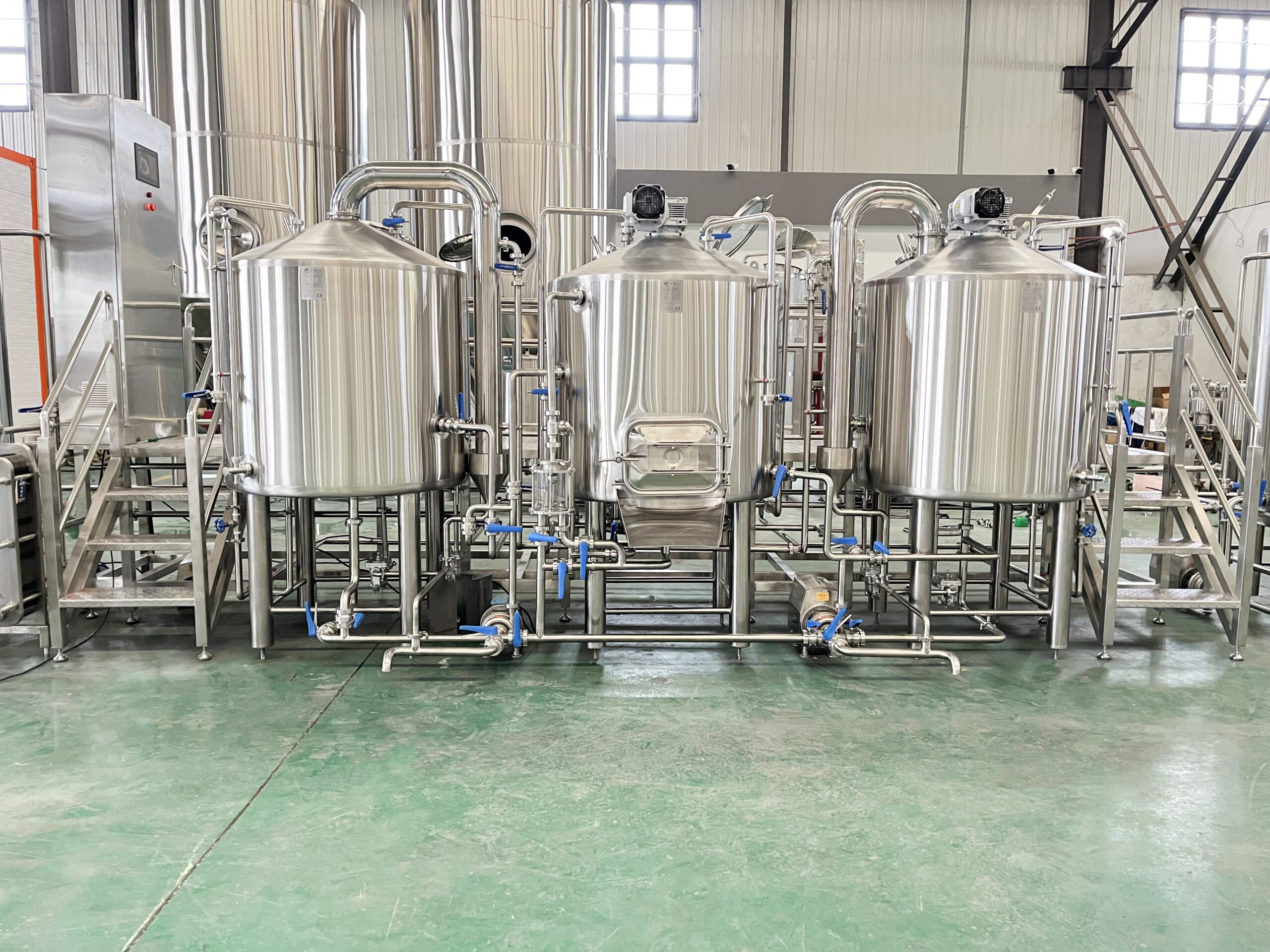
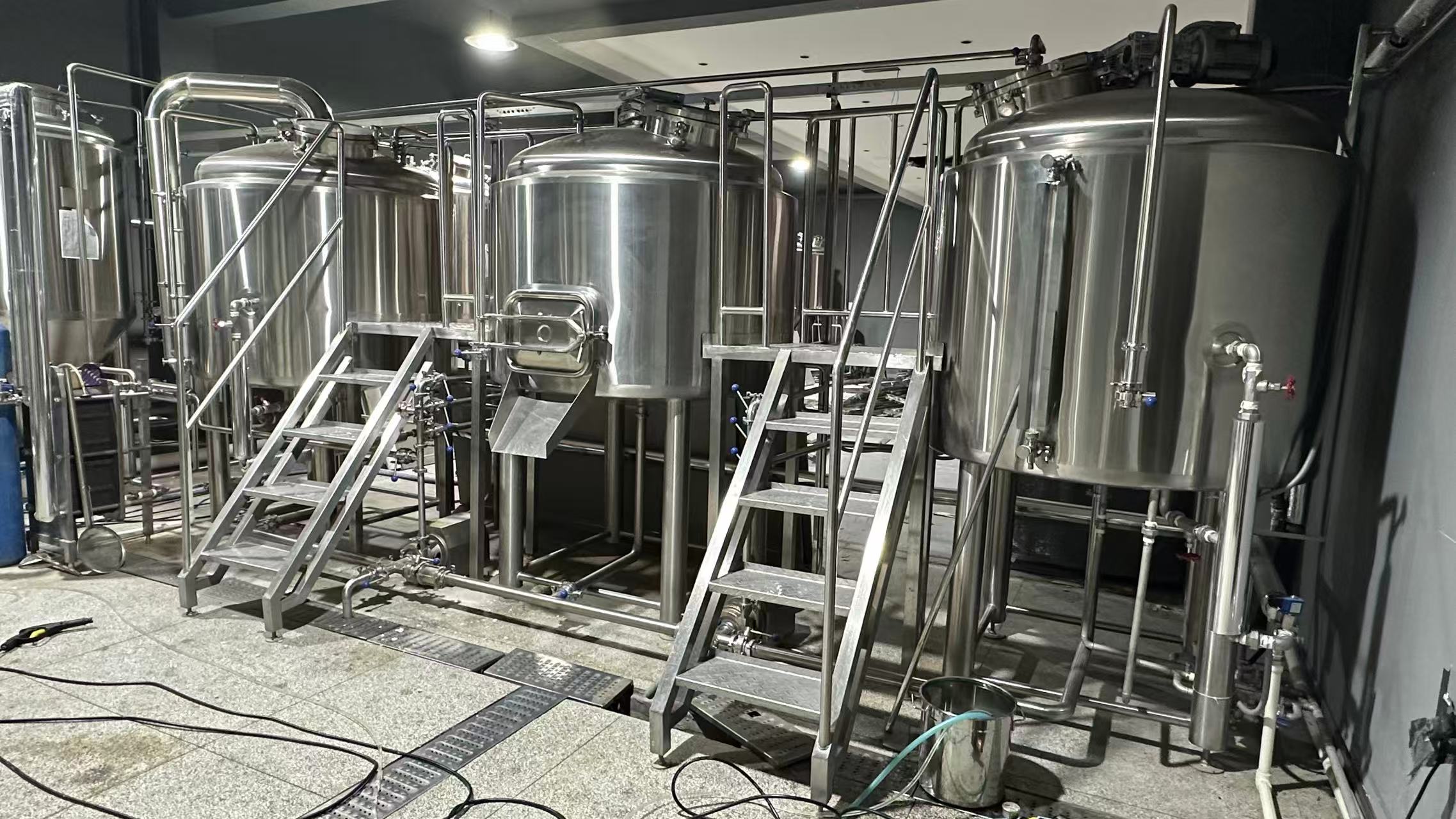
- Vessel count and arrangement— a 2-vessel (combined mash/lauter) versus 3-vessel (separate mash tun, lauter tun, kettle/whirlpool) system is a different process flow, not an accessory upgrade.
- Material grade— SUS304 versus SUS316L stainless changes corrosion resistance and cost, and it’s chosen at the fabrication stage, not swapped in later.
- Pipe routing and footprint— fitting a system into an existing building’s ceiling height, doorway width, and drain layout is genuine engineering, especially for retrofits into non-purpose-built spaces.

What’s Usually Just Configuration, Not Customization
None of these are bad options — they’re just not the re-engineering work the word “custom” implies:
- Control panel branding or touchscreen skin
- Choice of ball valve versus butterfly valve on non-critical lines
- Cosmetic polish level (mirror versus brushed finish) on non-process surfaces
- Pre-built accessory bundles (a “starter package” of pumps and a heat exchanger sold as one SKU)
- Color-coded piping or labeling schemes
A supplier offering these as “customization options” isn’t being dishonest exactly — they are technically configurable — but a buyer comparing quotes should know that two suppliers both claiming “fully custom” may be doing very different amounts of actual engineering work behind that word.
A Common Misread: Assuming “Custom” Means “Built From Scratch”
New buyers sometimes assume a custom quote means the factory starts with a blank drawing. In practice, most manufacturers work from a base platform — a known-good 5 BBL or 10 BBL frame, for instance — and customize outward from there. That’s not a shortcut; it’s how lead times stay reasonable and how a supplier can stand behind a design that’s already been pressure-tested and installed elsewhere. The edge case worth watching for: if a request falls genuinely outside the platform range (a non-standard batch size, an unusual heating fuel, a vessel shape nobody has built before), expect a longer lead time and a higher per-unit engineering cost than the standard custom quote implies. Ask directly whether your request is “platform customization” or “new design” — the two carry different timelines.
中古醸造設備: Where the Specs Actually Sit
For buyers looking at a compact factory-direct brewhouse rather than building from a blank sheet, a typical used or refurb-sourced package runs 2–10 BBL, combining a mash tun, kettle, and hot liquor tank (HLT) as one configuration, with pumps, a heat exchanger, and a control panel included as standard rather than sold separately. On the compliance side, most listings reference general “ASME/CE” craftsmanship without publishing specific certificate numbers or the issuing body — worth asking for directly if a formal registration number matters to your local inspector or insurer, since a generic reference on a spec sheet isn’t the same as a certificate you can verify.
Price Ranges
Full microbrewery equipment packages — brewhouse plus supporting fermentation — typically run 30,000–80,000 USD, and a minimum-scale commercial system starting around 10 BBL runs roughly 50,000–80,000 USD. Beyond those two anchor ranges, pricing depends on the specific structural customizations above (capacity, heating method, material grade), so most suppliers will require a spec conversation before quoting rather than publishing a fixed number — which is a reasonable ask given how much those variables move the fabrication cost.
Pros and Cons of Going Custom
Structural customization gets you equipment that fits your actual building and process instead of one you retrofit your workflow around, and it’s usually the only path if your ceiling height, drainage, or batch size falls outside a standard platform. The tradeoff is lead time — genuine re-engineering takes longer to quote and build than selecting from a configuration menu — and cost transparency can suffer if a buyer doesn’t ask which specific changes are driving the price difference between two quotes. Configuration-only options are faster and cheaper but won’t solve a problem that’s actually structural, like a building with insufficient ceiling clearance for a standard vessel height.

Where Certification Fits
Machinery and pressure-related customizations — a different heating method, a different vessel wall thickness — are exactly where certification paperwork should track the actual build, not a generic model line. As one reference point, UDEM Uluslararası Belgelendirme Denetim Eğitim Merkezi has issued Machinery Directive and EMC Directive attestations (certificate M.2025.206.C131636) covering technical file review under 2006/42/EC Annex VIII and 2014/30/EU Annex II for filling and packaging equipment — the kind of document that should reference your specific configuration, not just a base model number, once a build has been structurally modified.
FAQ
Q: If I ask for a custom brewhouse, will the quote take longer than a standard package?
A: Only if the change is structural. A capacity change, a different heating method, or a non-standard footprint typically adds engineering review time; a different valve type or panel skin usually doesn’t.
Q: Can I customize just the fermenter and keep a standard brewhouse?
A: Yes — capacity, jacket configuration, and material grade on a fermenter can be changed independently of the brewhouse, since they’re fabricated and quoted as separate vessels in most factory-direct setups.
Q: Does a custom build cost more to maintain later, not just to buy?
A: Not inherently, but a genuinely non-standard configuration (an unusual heating fuel, for example) can mean replacement parts aren’t off-the-shelf everywhere, which is worth asking about before finalizing the spec.
Q: How do I tell if a supplier’s “custom” claim is real customization or a configuration menu?
A: Ask what changes on the fabrication drawing versus what changes on the order form. If the answer is “nothing changes on the drawing,” it’s configuration, not customization — useful to know, but not the same thing.