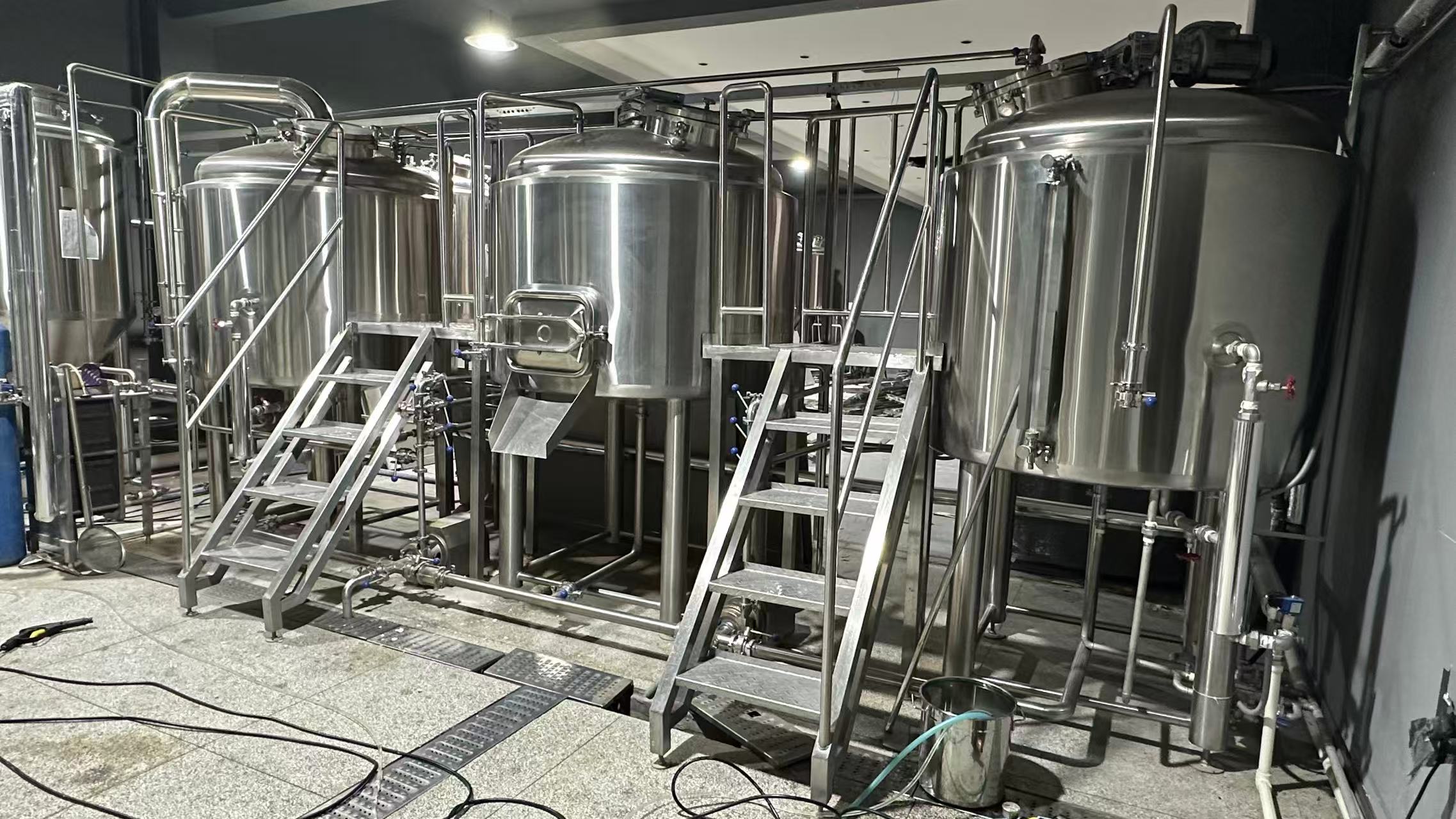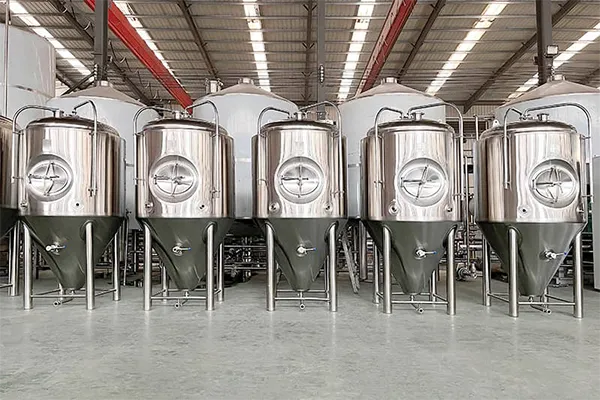











適切な機器がない状態で蒸留所を始めると、生の材料を無駄にし、スピリッツの品質を低下させ、深刻な安全リスクを生じる可能性があります。蒸留にはまだ必要なものがもっとあります。完全な蒸留所は、発酵、加熱、蒸気制御、凝縮、保管、清掃、テスト、そして包装の機器が必要です。
蒸留所では通常、マッシュ機器、マッシュタン、発酵槽、ポットスティルまたはコラムスティル、凝縮器、リフラックスシステム、受け取りタンク、貯蔵タンク、ろ過機器、プルーフツール、CIP洗浄機器、ポンプ、バルブ、配管、瓶詰め機器を使用します。商業的な蒸留には、安全管理、換気、温度管理、衛生設計、法的な遵守も必要です。
エグゼクティブ・サマリー
蒸留所の設備は、単にスティルだけではありません。完全なシステムには、マッシュ準備、発酵、蒸留、凝縮、スピリットの収集、貯蔵、ろ過、プルーフ、清掃、パッケージングが含まれます。
蒸留は、液体混合物を蒸気の挙動によって分離し、その後、蒸気を液体蒸留物として凝縮します。
アメリカでは、蒸留スピリッツ工場は、ウォッカ、ウイスキー、ジン、ブランデー、ラム、リキュールなどの飲料スピリッツを生産、瓶詰め、加工、精製または貯蔵することができますが、承認と遵守が必要です。
エタノール蒸気と可燃性液体の取り扱いには、蒸気の放出を制御し、点火源を排除することを含む厳格なエンジニアリング制御が必要です。
ウイスキー蒸留では、銅の接触がよく使用されます。これは、銅の表面がスピリット製造における硫黄化合物の削減に役立つからですが、その効果はスティルの設計と接触面積に依存します。
適切な蒸留機器は、スピリットの種類、バッチサイズ、加熱方法、衛生要件、地域の規制、ビジネスの規模によって異なります。
記事概要
蒸留所ではどんな設備が使われますか?
蒸留プロセスにおいて、スティルは何をしますか?
ポットスティルとコラムスティル:どちらの蒸留装置が適切ですか?
なぜマッシュタン、発酵タンク、および発酵器が重要ですか?
凝縮器、蒸気経路、およびリフラックスは、蒸留物の品質にどのように影響しますか?
どんな貯蔵タンク、プルーフツール、ろ過機器が必要ですか?
蒸留所内の衛生を支えるためにどんな清掃機器が必要ですか?
ウイスキー、ウォッカ、ジン、ブランデー、エッセンシャルオイルにはどんな機器が必要ですか?
商業用の蒸留プロジェクトでは、安全管理および遵守機器を考慮する必要がありますか?
B2Bバイヤーはどのように商業蒸留機器を選ぶべきか?
蒸留所ではどんな機器が使われますか?
どの蒸留所にも基本的な設備が含まれます:原材料取り扱いツール、マッシュ設備、 発酵タンクスティル、コンデンサー、受けタンク、貯蔵タンク、ポンプ、バルブ、配管、清掃設備、試験ツール、パッケージング設備です。正確なシステムは、蒸留者がウイスキー、ウォッカ、ジン、ブランデー、ラム、中性スピリッツ、または他の蒸留スピリッツ製品を製造するかどうかに依存します。
シンプルな蒸留プロセスのフローは次のようになります:
| プロセスステージ | 主な使用機器 |
|---|---|
| 原材料の準備 | 穀物ミル、果物クラッシャー、砂糖混合タンク、水処理 |
| マッシュ準備 | マッシュタン、クッカー、攪拌器、加熱システム |
| 発酵 | 発酵槽、冷却ジャケット、酵母取り扱い、温度管理 |
| 蒸留 | ポットスティル、コラムスティル、加熱システム、リフラックスシステム |
| 凝縮 | 凝縮器、冷却水システム、蒸留物出口 |
| 収集 | スピリット受け取り装置、アルコールパイプライン、比重計、プルーフツール |
| 熟成または貯蔵 | ステンレス鋼製貯蔵タンク、樽、ブレンドタンク |
| ろ過 | 良好なろ過システム、適切な場合は活性炭フィルター |
| クリーニング | CIPポンプ、スプレーボール、清掃タンク、衛生配管 |
| パッケージング | 手動瓶詰めライン、充填機、コルク打ち機、キャッパー、ラベラー |
商業プロジェクトでは、製作計画なしで機器を一点ずつ選ぶことをお勧めしません。アルコールの蒸留には、加熱、エタノール蒸気、圧力、冷却、清掃、規制が関与します。機器は一つのシステムとして計画する必要があります。
私たちは、プロフェッショナルな醸造所、蒸留所、ワイナリー、コンブチャ、飲料機器メーカーとして、通常次のように始めます:どのスピリットを蒸留したいか、どのくらいのバッチサイズが必要か、そして製品はどのようにパッケージされる、または熟成されるか?その回答が全体のシステムを形作ります。
蒸留プロセスにおいてスティルは何をしますか?
スティルは、発酵した液体を加熱し、混合物からアルコール蒸気を分離するために使用する中心的な蒸留設備です。蒸留中、異なる蒸気挙動を持つ成分が分離され、液体が加熱されると蒸気が発生します。蒸気はスティルシステムを通り、凝縮器に入り、冷却されて液体の蒸留物に戻ります。
スピリット生産において、スティルは単独ではアルコールを生成しません。アルコールは発酵から得られ、酵母が発酵可能な糖をエタノールに変換します。スティルは、その後、アルコールと風味の化合物を発酵した洗剤、ワイン、マッシュ、またはビールのような液体から濃縮し分離します。
蒸留プロセス中に、蒸留者は次のいくつかの要因を制御します:
- 加熱速度
- 蒸気経路
- 銅またはステンレス鋼の接触
- 再流動レベル
- 冷却剤効率
- 収集方法
- カットポイント
- 冷却水の流れ
- 製品の証明目標
蒸留器の設計における小さな変更が、風味、収量、作業効率を変える可能性があります。高いネックは再流動を増加させるかもしれません。伝統的なポットスチルは重い風味を保つかもしれません。カラムスチルはよりクリーンで軽いスピリッツを生産するかもしれません。適切な選択はスピリッツのスタイルによります。
ポットスチル対カラムスチル:どの蒸留設備が適していますか?
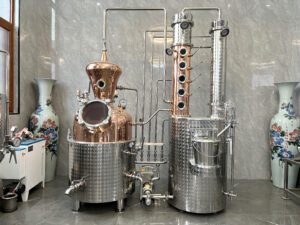
ポットスチルは、風味のあるバッチ蒸留によく使われます。ウィスキー、ブランデー、ラム、香りやボディが重要なクラフトスピリッツの蒸留に通常選ばれます。伝統的なポットスチルは、ポット、ヘッドまたはヘルメット、ラインアーム、コンデンサー、収集出口から構成されています。
カラムスチルは、内部で繰り返される蒸気-液体接触を生成するためにプレートまたはパッキングを使用します。これにより分離が増加し、高濃度のスピリッツを生産できます。カラムスチルシステムは、ウォッカ、ジン用スピリッツ、ニュートラルスピリッツ、純度と濃度の管理が必要な操作によく使われます。
| 機器の種類 | 主要な強み | 一般的な用途 |
|---|---|---|
| ポットスチル | 豊かな風味、バッチ制御、伝統的なキャラクター | ウィスキー、ブランデー、ラム、クラフトスピリッツ |
| カラムスチル | 高濃度、クリーンな分離、より多くの再流動制御 | ウォッカ、ジンベース、ニュートラルアルコール |
| ハイブリッドスチル | ポットとカラムの特徴を組み合わせる | マルチプロダクトのクラフト蒸留所 |
| 再流動カラム | より良い分離とクリーンな出力 | ウォッカまたは高濃度スピリッツ |
| ボタニカルジンスチル | 蒸気または液体の注入オプションを追加 | ジンとフレーバー製品 |
妥協は単純です。ポットスチルは通常、より多くのキャラクターを提供しますが、より多くの時間とカットが必要になる場合があります。カラムスチルはより多くの制御と高濃度を提供しますが、いくつかの重い風味を取り除く可能性があります。マルチプロダクトの蒸留所には、ハイブリッドポットカラムシステムが実用的です。
マッシュタン、発酵タンク、発酵器が重要な理由は何ですか?
蒸留所が蒸留を行う前に、発酵可能なアルコールが必要です。穀物のスピリッツの場合、プロセスは通常、粉砕とマッシングから始まります。マッシュタンまたはクッカーは、穀物と水を制御された温度と混合で混ぜます。これにより、原材料とレシピに応じて、デンプンが発酵可能な糖に変換されます。
マッシングの後、液体は発酵器に移動します。酵母が追加され、発酵が始まります。発酵器は温度管理、清掃、安全な移動、適切な作業量をサポートする必要があります。果実スピリッツやブランデーの場合、発酵は穀物のマッシュの代わりにジュースやつぶした果物から始まるかもしれません。
商業用発酵器は次のようにするべきです:
- ステンレス鋼または適切な食品グレードの材料で作られていること
- 清掃が簡単であること
- 衛生バルブで設計されていること
- バッチプランに応じたサイズであること
- 温度制御機構が装備されていること
- 必要に応じてCIPクリーニングに対応していること
- 安全なアクセスと排水ポイントが設けられていること
発酵が不安定な場合、蒸留ではすべてを修正できません。悪い発酵はオフフレーバー、低いアルコール収率、微生物の問題、または不均一な蒸留物を生み出す可能性があります。良いスピリッツは、スチルの前に始まります。
コンデンサー、蒸気経路、再流動は蒸留物の品質にどのように影響しますか?
コンデンサーはアルコールの蒸気を冷却し、液体の蒸留物に戻します。良いコンデンサーがなければ、蒸気が完全に凝縮せず、収集が不安定になり、安全リスクが増加します。コンデンサーの設計は、スチルのサイズ、加熱能力、冷却水の供給、および期待される蒸気フローに合致する必要があります。
蒸気経路も重要です。蒸気は、銅、ステンレス鋼、ヘルメット、スワンネック、カラム、プレート、パッキング、または再流動セクションを通過するかもしれません。より多くの再流動は、いくつかの蒸気が凝縮し、収集される前にスチルまたはカラムに戻ってくることを意味します。この繰り返し接触により、スピリッツはよりクリーンで高濃度になります。
銅は特別な注意が必要です。ウィスキーの硫黄化合物に関する研究では、銅のスチル表面が硫黄化合物を除去することが報告されていますが、化学は複雑で、すべての銅の位置が同じ効果を持つわけではありません。
ウィスキー、ブランデー、いくつかのクラフトスピリッツの場合、銅接触は香りを形作るのに役立ちます。ウォッカやジンの場合には、希望するスピリッツのスタイルに応じて、銅セクションを持つステンレス鋼システムが使用されることがあります。最良の設計は、デフォルトで「すべて銅」または「すべてステンレス」ではありません。製品の品質と収量目標に合致する必要があります。
どのような貯蔵タンク、証明ツール、およびろ過機器が必要ですか?
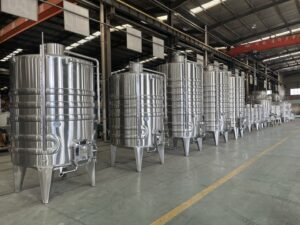
蒸留後、蒸留物は一時的な保持、証明調整、ブレンド、ろ過、熟成、または瓶詰めが必要になる場合があります。貯蔵タンクは、スピリッツの収集、ブレンド、希釈、休止、またはバルク貯蔵に使用されます。通常、ステンレス鋼で作られ、衛生バルブ、レベルインジケーター、ベント、マンウェイ、および清掃接続が装備されています。
証明ツールは、蒸留者がアルコールの強さを確認するのに役立ちます。ハイドロメーターやアルコールメーターは、通常、温度補正を伴って、証明またはABVを測定するために使用されます。プロの操作では、特に税金、ラベル付け、およびコンプライアンスのための精度を確保するために、実験室試験も使用されることがあります。
ろ過は蒸留酒の特性に依存します。ウオッカは、透明度と滑らかさを改善するために活性炭フィルターを使用することがあります。ジンは植物由来の粒子を除去する必要がある場合があります。ブランデーやウィスキーは、フレーバーの保持が目的であれば、ろ過を少なくする必要があるかもしれません。良いろ過システムは、求められる特性を損なうことなく製品の品質を向上させるべきです。
| 設備 | 目的 |
|---|---|
| スピリットレシーバー | 冷却器からの蒸留物を集める |
| 貯蔵タンク | ブレンドまたは包装の前にスピリットを保持する |
| プルーフタンク | 希釈とプルーフ調整をサポートする |
| ハイドロメーター / アルコールメーター | アルコール強度をチェックする |
| 活性炭フィルター | ウオッカのポリッシングに一般的 |
| カートリッジまたはプレートろ過 | 瓶詰め前に粒子を除去する |
| ブレンディングタンク | バッチを混ぜるまたはフレーバーを調整する |
| 手動瓶詰めライン | 小規模なクラフト生産に適している |
蒸留所内の衛生をサポートする清掃設備は何ですか?
蒸留所内の衛生状態は、風味、安全、製造効率に影響を与えます。清掃設備には CIPシステムスプレーボール、清掃ポンプ、化学薬品タンク、ホース、排水システム、衛生的な接続部が含まれるかもしれません。CIPとは、その場で清掃することを意味します。完全に分解せずにタンクやパイプを清掃することが可能です。
蒸留所の清掃は単なるすすぎとは異なります。マッシュ残渣、酵母、果物の pulp、糖の沈着物、植物性オイル、鉱物スケールが設備に蓄積することがあります。これらの残留物がシステム内に残ると、次のバッチに影響を与える可能性があります。
よく設計された清掃設備は以下をサポートするべきです:
- 安全な化学物質の循環
- 簡単な排水
- 死角がないこと
- 滑らかな内部表面
- アクセス可能なバルブ
- 必要に応じて取り外し可能なフィルター
- 定期的な点検
- 文書化された清掃手順
B2Bバイヤーにとって、これは低コスト設備とプロフェッショナルな 蒸留所設備の最も大きな違いの一つです。 清掃が難しいスティルやタンクは、ダウンタイム、労働、品質問題を通じて高額になります。
ウィスキー、ウオッカ、ジン、ブランデー、エッセンシャルオイルには何の設備が必要ですか?
異なる製品には異なる蒸留設備が必要です。ウイスキーの蒸留では、通常、マッシュ調理、発酵タンク、 ポットスチル あるいはハイブリッドスティル、コンデンサー、スピリッツ受取装置、樽、貯蔵エリアが必要です。ブランデーでは、果物の処理、発酵、蒸留、そして多くの場合は熟成が必要です。
ウオッカまたはジンは異なる計画を必要とします。ウオッカは通常、よりクリーンで高濃度のスピリットを必要とするため、カラム蒸留、リフラックス制御、プルーフ測定、およびろ過が重要になります。ジンは植物由来のフレーバー付与が必要であり、これはマセレーション、蒸気注入、または蒸留者のスタイルによって異なるジンバスケットを通じて行われる場合があります。
エッセンシャルオイルは飲料アルコールではありませんが、一部の機器の原則は重複しています。エッセンシャルオイルの蒸留には、通常蒸気蒸留、植物材料用バスケット、冷却器、油と水の分離器、ステンレス鋼の容器が使用されます。デザインの焦点は香りの捕獲、植物材料の取り扱い、分離です。
| 製品 | 一般的な機器の焦点 |
|---|---|
| ウィスキー | マッシュタンク、発酵器、ポットスチル、冷却器、樽熟成 |
| ウオッカ | カラムスチル、リフラックス、ろ過、プルーフタンク |
| ジン | ニュートラルスピリットシステム、植物バスケット、フレーバー制御 |
| ブランデー | 果物の発酵、ポットスチル、貯蔵タンク |
| ラム | モラセスの取り扱い、発酵、ポットまたはカラム蒸留 |
| エッセンシャルオイル | 蒸気発生器、植物バスケット、冷却器、分離器 |
1000Lの蒸留所システムは成長中のクラフト蒸留所に適しているかもしれませんが、サイズだけでは不十分です。加熱方法、冷却器の容量、カラム設計、清掃アクセス、建物の公共施設が製品に合致する必要があります。
商業蒸留プロジェクトはどのような安全およびコンプライアンス設備を検討すべきですか?
商業蒸留には可燃性の液体とエタノール蒸気が含まれます。OSHAのガイダンスによれば、エタノールなどの可燃性液体に対する工学的管理は、可燃性蒸気の放出を防止または制御し、発火源を排除することに焦点を当てています。
蒸留所は、以下のような安全装置および設計機能を考慮すべきです:
- 適切な換気
- 必要に応じて爆発防止型の電気部品
- 接地およびボンディング
- 安全なアルコール保管
- 温度および圧力モニタリング
- 緊急シャットオフ
- 火災防護
- 漏出管理
- 明確な排水
- 安全なアクセスプラットフォーム
- 地域のコードに準拠した部屋設計
法令遵守も重要です。アメリカ合衆国では、TTBの規則が蒸留酒工場の運営、許可、登録、生産、瓶詰め、処理、保管、および関連するコンプライアンスのトピックをカバーしています。蒸留酒工場は、スピリッツを生産、瓶詰め、改良、処理、または保管できますが、操作者は適用される規則に従う必要があります。
この記事は法的助言ではありません。すべての商業蒸留所は、設備を購入または設置する前に、地元の法律、アルコールライセンス規則、火災規則、電気規則、および環境要件を確認する必要があります。
B2Bバイヤーは商業蒸留設備をどのように選ぶべきか?
B2Bバイヤーは、カタログの写真ではなくプロセスで商業蒸留設備を選択すべきです。スタートアップのクラフト蒸留所、確立された蒸留所、レストランチェーン、飲料共同包装業者、流通業者、またはプロジェクト投資者は、製品名が似ていても非常に異なる設備が必要となる場合があります。
実用的な購入チェックリスト:
| 質問 | なぜ重要なのか |
|---|---|
| どのスピリッツを生産しますか? | ウイスキー、ウォッカ、ジン、ブランデー、ラム、またはエッセンシャルオイルは異なるシステムが必要です。 |
| どのバッチサイズが必要ですか? | スチルの容量、発酵槽のサイズ、加熱負荷を定義します。 |
| どの原材料を使用しますか? | 穀物、果物、モラセス、またはボタニカルは、マッシュと清掃に影響を与えます。 |
| ポットスティルかコラムスティルか? | 風味、度数、製造スタイルを制御します。 |
| どの加熱方法が利用可能ですか? | スチーム、電気、ガス、または熱油は、レイアウトとコストに影響します。 |
| 銅接触が必要ですか? | 一部のスピリッツスタイルと香りのターゲットにとって重要です。 |
| どの度数のターゲットが必要ですか? | リフラックス、カラムデザイン、およびコレクション戦略に影響します。 |
| システムはどのように清掃しますか? | CIP、アクセス、バルブ、ダウンタイムを決定します。 |
| どのパッケージング方法が計画されていますか? | 手動瓶詰めラインまたは自動充填はレイアウトに影響します。 |
| どのサポートが必要ですか? | CAD/3Dレイアウト、設置ガイダンス、および技術サービスはリスクを減少させます。 |
私たちの専門的な経験から、多くの蒸留所プロジェクトは計画段階で失敗します。なぜならバイヤーがスティルだけに焦点を当てるからです。スティルは重要ですが、発酵槽、冷却装置、冷却システム、清掃計画、貯蔵タンク、および安全設計も同様に重要です。
すべての蒸留所に当てはまらない推奨事項は?
すべての蒸留所が同じシステムを必要としているわけではありません。小さなクラフト蒸留業者は、高い自動化よりも柔軟性が必要かもしれません。ウォッカ生産者は、コラムスティルとフィルトレーションが必要かもしれません。ウイスキー生産者は、伝統的なポットスティルの特性を好むことがあります。ブランデー生産者は果物の取り扱いや穏やかな蒸留にフォーカスするかもしれません。共同パッカーは、再現可能な清掃、迅速な変更、およびバッチ文書が必要かもしれません。
重要なトレードオフには:
- ポットスティル対コラムスティル:風味特性対高い度数と分離。
- 銅対ステンレス鋼:香りの管理対清掃、コスト、および耐久性。
- 手動対自動制御:初期コストの低さ対再現可能な操作。
- 小バッチ対大バッチ:製品の柔軟性対規模の経済。
- オープンレイアウト対コンパクトレイアウト:サービスへのアクセスの容易さ対限られた建物スペース。
- 基本的なフィルトレーション対高度なフィルトレーション:風味保持対透明度と滑らかさ。
最高のシステムは最も高価なものではありません。それは、あなたの製品、生産能力、安全要件、および長期的なビジネス計画に一致するシステムです。
実用的なケーススタディ:1000Lクラフト蒸留システムの計画
スタートアップの蒸留所は、ウイスキーとジンのための1000Lシステムを望んでいました。最初、バイヤーはスティルの価格だけを求めました。プロジェクトをレビューした結果、施設は発酵容量、冷却、ボタニカルの取り扱い、度数調整、貯蔵、清掃、実用的な手動瓶詰めラインも必要であることがわかりました。
最終的な設備計画には:
| ニーズ | 設備ソリューション |
|---|---|
| ウイスキーのマッシュ準備 | マッシュタンの温度および攪拌制御 |
| 発酵 | バッチスケジュール用にサイズ調整されたステンレススチールの発酵槽 |
| ウイスキー蒸留 | 銅接触およびコンデンサーを備えたポットスチル |
| ジンの柔軟性 | ボタニカルバスケットと制御された蒸気経路 |
| 冷却 | コンデンサー冷却水システム |
| スピリッツの取り扱い | 受けタンク、プルーフタンク、貯蔵タンク |
| クリーニング | CIPポンプおよび衛生スプレー接続 |
| パッケージング | 小規模リリース用の手動瓶詰めライン |
| レイアウト | ワークフローおよびユーティリティアクセス用のCAD/3Dプラン |
このプロジェクトは共通の教訓を示しました:良い蒸留所設備は、蒸留の瞬間だけでなく、生産チェーン全体をサポートするべきです。
蒸留設備に関するよくある質問
蒸留所で使用される設備は何ですか?
蒸留所では、マッシュ設備、発酵器、スティル、コンデンサー、リフラックスシステム、スピリッツ受取装置、貯蔵タンク、ポンプ、バルブ、配管、フィルタリングシステム、プルーフィングツール、清掃設備などが必要です。 ボトリング設備。
蒸留所で最も重要な設備は何ですか?
スティルは最も目立つ設備ですが、発酵器、コンデンサー、冷却システム、清掃システムも不可欠です。悪い発酵や悪い凝縮は、スティルが良く作られていても品質を損なう可能性があります。
ポットスティルとコラムスティルの違いは何ですか?
ポットスチルは通常、バッチ蒸留およびウイスキー、ラム、ブランデーなどの風味豊かなスピリッツに使用されます。コラムスチルは、強力な分離と高いプルーフを実現するためにプレートまたはパッキングを使用し、ウォッカ、ジンの基礎スピリッツ、中性アルコールに役立ちます。
蒸留設備にはステンレススチールまたは銅のどちらが適していますか?
どちらも有用です。ステンレススチールは耐久性があり、衛生的で、掃除が簡単です。銅は硫黄化合物を管理するのに役立ち、ウイスキーやブランデーの多くのスティルでは伝統的です。多くの商業システムはステンレススチールと銅接触セクションを組み合わせています。
蒸留所にはマッシュタンが必要ですか?
あなたのスピリッツ生産が穀物または他のデンプンベースの原材料から始まる場合、マッシュタンが必要です。ワイン、サイダー、果物の洗浄、または購入した中性スピリッツから蒸留する場合、マッシュ設備のニーズは異なる可能性があります。
ウォッカまたはジンに必要な設備は何ですか?
ウォッカには通常、コラム蒸留、リフラックス制御、プルーフィング、フィルタレーション、清潔な貯蔵が必要です。ジンには中性スピリッツの取り扱い、ボタニカルフレーバリング、ジンバスケットまたはマセレーションタンク、コンデンサー、貯蔵、フィルタレーション、瓶詰め設備が必要な場合があります。
自宅でのアルコール蒸留は合法ですか?
法律は国や地域によって異なります。アメリカ合衆国では、飲料の蒸留スピリッツの生産は規制されており、商業操作には適切な承認と遵守が必要です。蒸留を行う前に常に地元のアルコール法を確認してください。
要点
蒸留所の設備には、スティルだけでなく多くのものが含まれます。
完全なシステムには、マッシュタン、発酵器、スティル、コンデンサー、リフラックスコラム、受けタンク、貯蔵タンク、フィルターニング、プルーフィング、CIP清掃、瓶詰め装置が含まれる可能性があります。
ポットスチルは、ウイスキーやブランデーなどの風味豊かなスピリッツにしばしば使用されます。
コラムスチルは、高プルーフスピリッツ、例えばウォッカや中性アルコールにしばしば使用されます。
発酵の質は、蒸留物の質や収益に大きく影響します。
コンデンサーのサイズと冷却水供給は、安全な蒸気制御にとって重要です。
銅の接触は、いくつかの蒸留システムにおける硫黄化合物の削減に影響を与える可能性があります。
ステンレススチールは、衛生的で耐久性があり、掃除が簡単なため広く使用されています。
商業的な蒸留には、エタノールおよびアルコール蒸気が可燃性であるため、真剣な安全計画が必要です。
最良の蒸留所設備プランは、スピリットの種類、バッチサイズ、建物のレイアウト、加熱方法、清掃ワークフロー、法的要件、および将来の成長に合致するべきです。
蒸留所プロジェクトにおいて、安全な次のステップはプロセスレビューです:スピリットの種類、バッチ容量、加熱源、建物のユーティリティ、清掃計画、パッケージング方法、地元の遵守ニーズを確認した後に、スティルのサイズや完全な設備レイアウトを選ぶ前に確認してください。