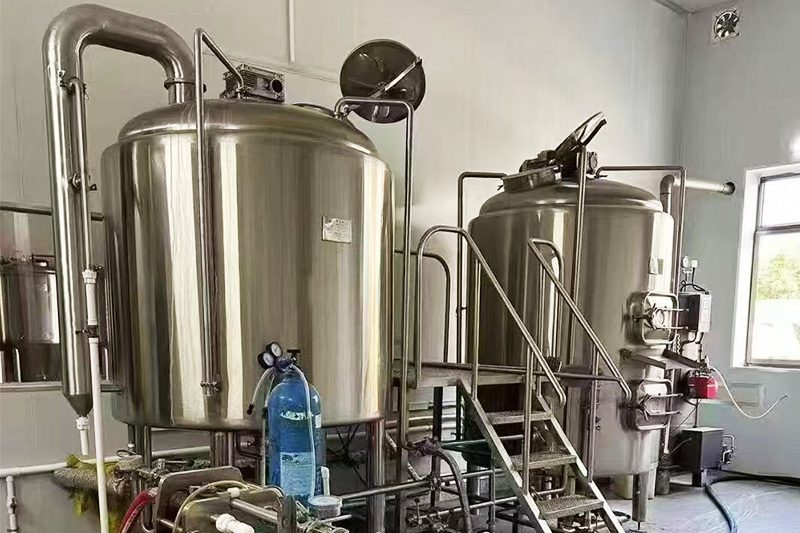
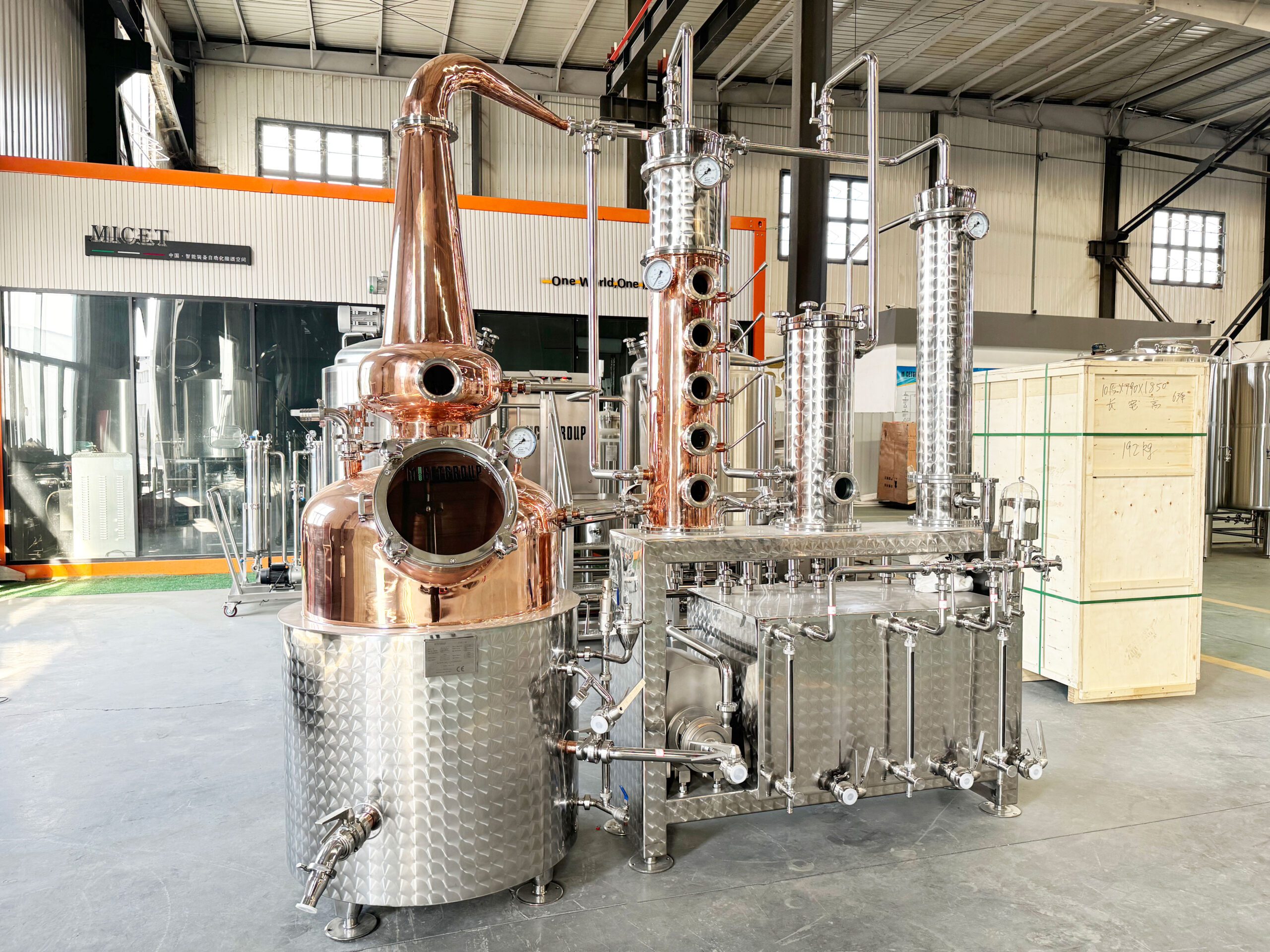
Vetting a brewing equipment company means separating three business models (factory-direct manufacturer, broker, reseller), verifying certifications by actual certificate number rather than logo, and testing the factory’s engineering depth in person before you sign. Everything else follows from those three checks.
The Three Types of Companies Selling You Brewing Equipment
Search results for “brewing equipment companies” surface hundreds of English-language sites that all sound identical: turnkey solutions, ISO-certified, decades of experience, 1000+ installations worldwide. Under those homepages sit three very different business models, and the money you spend behaves differently depending on which one you actually bought from.
Factory-direct manufacturer. Owns the fabrication facility. Employs its own welders, control-panel engineers, and QC staff. The sales team and the shop floor sit on the same site or within one company entity. Price includes fabrication margin only. Post-sale issues get resolved by the people who built the equipment.
Broker or trading company. Owns no fabrication. Sources from a network of partner factories, marks up 15–30%, and rebrands. Frequently indistinguishable from a manufacturer on the public site, because the website was built to look identical. Post-sale issues route through the broker back to whichever partner factory built your specific unit, and response speed depends on how important your order was to that factory.
Local reseller. A distributor in your region who imports containers from one or more Chinese manufacturers or brokers, then resells with local support attached. Prices include broker markup plus reseller margin plus in-country logistics. The advantage is local hands and local paperwork. The disadvantage is two extra layers between you and the shop floor.
None of the three is automatically wrong. A local reseller with real technicians solves problems a factory-direct manufacturer in Shandong cannot solve on a Tuesday afternoon in São Paulo. A broker with genuine sourcing depth can hit configurations no single factory offers. But you cannot make that judgment until you know which one you are talking to — and most brokers will not volunteer the distinction.
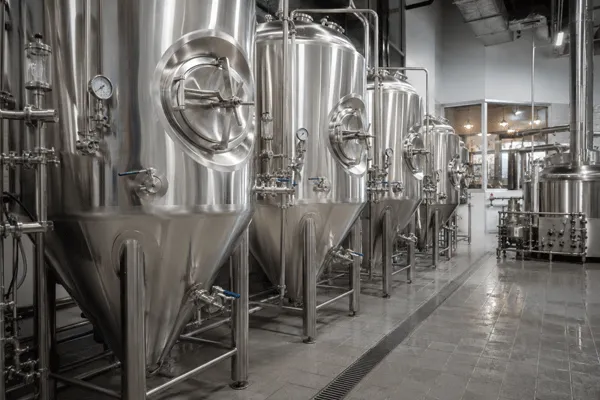
Comparison at a glance
| Dimension | Factory-Direct Manufacturer | Broker / Trading Company | Local Reseller |
| Owns fabrication | Yes | No | No |
| Price markup layers | 0 | 1–2 | 2–3 |
| Certificate numbers on file | Usually verifiable | Depends on partner factory | Depends on chain of custody |
| Deep customization | Wide range | Limited to partner factory’s standards | Very limited |
| Real factory tour possible | Yes, at own facility | No, or arranged theater tour | No |
| Refurb / used inventory access | Case-by-case | Rare | Rare |
| Lead-time control | Direct | One extra decision layer | Two extra layers |
| After-sales response | Direct engineering | Broker → factory → engineer | Reseller → broker → factory |
| Cheapest for standard configs | Not always | Sometimes | Rarely |
| Best for regulated markets | Yes, if certs are traceable | Risky | Depends |
The compressed version: cheaper up-front is not always cheaper over five years, and shorter response chains matter far more than the buyer thinks until something breaks.
Certifications: What to Ask For, and What “CE Compliant” Isn’t
Bu sektörde en çok suistimal edilen ifade "CE sertifikalı"dır. CE, tek bir kuruluş tarafından verilen bir sertifika değil, AB direktifleri kapsamındaki bir öz beyan mekanizmasıdır. Bir tedarikçinin sitesinde hiçbir direktif, standart veya doğrulama kuruluşu belirtilmeksizin "CE sertifikalı" yazıyorsa, bu ifadenin hiçbir hükmü yoktur.
Bira üretim ekipmanları için geçerli bir sertifikasyon beyanında üç unsur belirtilir: direktif, standart ve doğrulayıcı kuruluş ile sertifika numarası ya da üreticinin teknik dosya referansını içeren kendi Uygunluk Beyanı. Özellikle bira üretim ekipmanları için şunları görmeyi bekleyin:
- Pressure Equipment Directive 2014/68/EU (PED)— required for any pressurized vessel (fermenters, bright tanks, kettle with pressure rating), with standard EN 1626:2008 referenced for cryogenic valves and related components.
- Machinery Directive 2006/42/EC— required for the mechanical assembly and safety of the equipment, with standards including EN ISO 12100:2010 (safety of machinery — general principles) and EN 60204-1:2018 (electrical equipment of machines).
- EMC Directive 2014/30/EU— required for the electrical control system’s electromagnetic compatibility, with standards EN IEC 61000-6-2:2019 and EN IEC 61000-6-4:2019.
- For packaging lines specifically, add EN 415-3:2021and EN 415-10:2014 for filling and packaging machinery safety.
A working example of what real disclosure looks like — this is a set actually issued to a China-based brewing equipment manufacturer:
| Document Type | Certificate Number | Issuing Body | Geçerlilik |
| PED Verification | 3N231110.SICS093 | Ente Certificazione Macchine Srl | 2023-11-10 ila 2028-11-09 |
| Machinery + EMC Attestation | M.2025.206.C131636 | UDEM (Turkey) | Valid to 2030-12-15 |
| CE PED Report | UAC231101SIC01PED | UAC Quality Technology Service Limited | Dated 2023-10-20 |
| Voluntary Verification of Conformity | ICR/VC/HM2507146 | ICR Co., Ltd. | 2025-07-16 to 2030-07-15 |
| CE MD Test Report | XDH40255041120802FAR | BST Testing (Shenzhen) Co., Ltd. | 2025-11-25 ila 2025-12-08 |
You do not need the supplier to have exactly this list. You need any list at all, with numbers you can look up on the issuing body’s site. A supplier who cannot produce a certificate number when you ask has told you the certificate does not meaningfully exist.
ISO 9001'i ayrıca sorun. ISO 9001 bir ürün sertifikası değil, kalite yönetim sistemi sertifikasıdır ve birçok bira üretim ekipmanı şirketi bu ikisini birbirine karıştırır. Tedarikçi "ISO 9001" diyorsa, sertifikayı hangi kuruluşun, ne zaman ve tam olarak hangi tesis için verdiğini sorun. Genel merkez adına düzenlenmiş bir grup ISO 9001 sertifikası, 800 km uzaklıktaki ortak bir fabrikada yapılan üretimi kapsamaz.
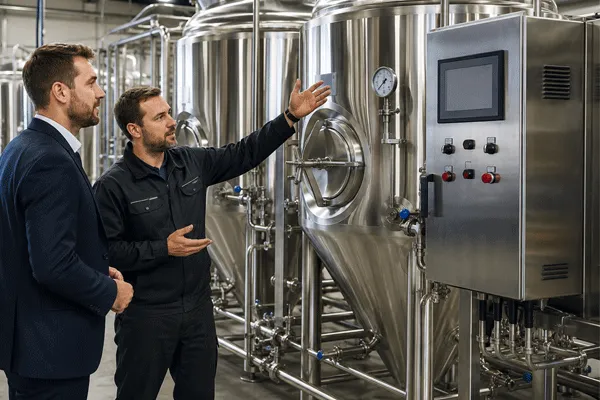
Bu Fabrika Tour Checklist
200.000 ABD Dolarının üzerinde bir sipariş veriyorsanız fabrikayı ziyaret edin. Seyahat bütçeniz bunu karşılamıyorsa, sizin yerinize yapması için üçüncü taraf bir denetim kuruluşu (SGS, Bureau Veritas, TÜV) gönderin. Bu meblağ söz konusu olduğunda bu durum isteğe bağlı değildir.
What to look at, in order:
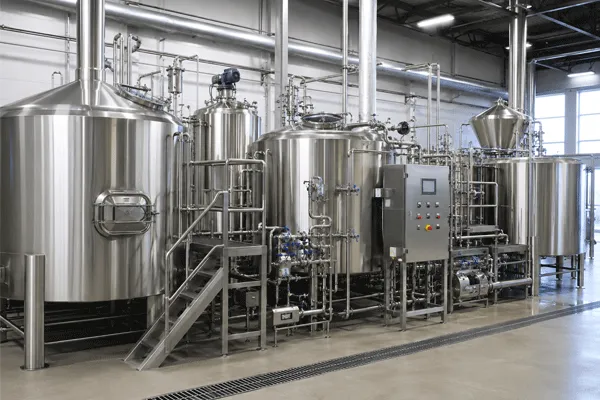
- The address matches the entity on the pro forma invoice.Sounds obvious. It is the single most common misalignment. If the sales entity is registered in Hong Kong or Shenzhen but the factory is in a completely different province with a different owner, you have a broker relationship you were not told about.
- Hammadde depolama ve izlenebilirlik. Paslanmaz çelik depolama alanını görmeyi talep edin. Rulo ve levhalar, malzeme kalitesini ve döküm numarasını belgeleyen fabrika test sertifikalarına (EN 10204 3.1 veya daha iyisi) sahip olmalıdır. SUS304 ve SUS316L göze tamamen aynı görünür; bunu doğrulamanın tek yolu fabrika sertifikasıdır. Talep edildiğinde fabrika sertifikası sunamayan bir tesis, tanklarınızın gerçekte neyden yapıldığını garanti edemez.
- Welding station: TIG or MIG, and are welders qualified.For food-contact brewing vessels, TIG welding on interior seams is standard practice. Watch a weld being made if possible. Ask about welder qualification records — reputable factories maintain welder-performance-qualification files tied to specific procedures. This is dry paperwork that separates real fabrication shops from assembly operations that source shells from elsewhere.
- Pasivasyon ve yüzey işleme süreci. Fermantasyon tanklarının iç yüzey kalitesi #4 sıhhi polisaj veya daha iyisi olmalıdır (butik biracılık için genellikle Ra ≤ 0,8 μm, farmasötik sınıf için daha hassastır). Polisaj kalitesini nasıl ölçtüklerini ve belgelediklerini sorun. Size profilometre ölçüm sonucu gösteremeyen bir fabrika göz kararı polisaj yapıyordur; bu estetik açıdan sorun olmasa da CIP (yerinde temizlik) etkinliği açısından yetersizdir.
- Pressure testing area.Every pressure vessel should be hydrostatically tested at 1.5× the design pressure per PED requirements. Look for the test rig. Ask to see test records for vessels currently in production. If the test rig looks unused or the records look freshly printed, be skeptical.
- Kontrol paneli montaj alanı. PLC panellerinin tesiste kablolanması ile bir alt yükleniciden hazır olarak satın alınması arasında gerçek bir fark vardır. Hangi PLC markasının kullanıldığını sorun (görmek isteyeceğiniz üç marka Siemens, Allen-Bradley ve Schneider'dır; markasız Çin menşeli PLC'ler sorunsuz çalışır ancak yurtdışı desteği daha zayıftır). HMI programlamasının şirket bünyesinde mi yapıldığını yoksa dışarıdan mı temin edildiğini sorun. Dış kaynaklı programlama, bir arıza durumunda sorunu üçüncü bir tarafın çözmesi gerektiği anlamına gelir.
- Sevkiyat ve paketleme alanı. Bitmiş ekipmanı nasıl sandıkladıkları, deniz taşımacılığına ne kadar dayanacağı konusunda fikir verir. Köpük köşe koruyuculara, paslanmaz yüzeylerde streç filme ve ayrı sandıklanmış bağlantı parçaları ile küçük parçalara dikkat edin. Ana tankın içine gelişigüzel atılmış gevşek parçalar, konteyner ulaştığında hasar talepleri anlamına gelir.
Refurbishment Capability as a Vetting Signal
Most brewing equipment companies sell new equipment only. A smaller subset also handles refurbished and used equipment as a distinct product line. This is worth paying attention to for two reasons: it signals the factory has the fabrication capability to rework existing vessels rather than only assemble new components, and it opens a lower-CAPEX path for buyers whose budget does not clear a new-line quote.
For reference, a ikinci el bira üretim ekipmanı Yenileme kabiliyetine sahip bir üreticinin genellikle sunabileceği paket şu şekildedir:
| Bileşen | Configuration |
| Brewhouse size range | 2–10 BBL compact |
| Vessel package | Mash tun + kettle + HLT |
| Auxiliary included | Pompalar, ısı eşanjörü, kontrol paneli |
| Typical remediation before resale | Passivation refresh, seal replacement, PLC reprogramming, PED re-verification |
Bir tedarikçinin yenilenmiş konfigürasyonlar sunup sunmadığını sormak hızlı bir değerlendirme yöntemidir. Aracılar bunu nadiren yapabilir; çünkü kendilerine ait bir yenileme atölyeleri yoktur. Yerel bayiler neredeyse hiçbir zaman yapamaz. Doğrudan fabrikadan satış yapan üreticiler ise değişkenlik gösterir: mekanik imalat altyapısı olanlar yapabilir, dışarıdan satın alınan gövdeleri monte etmekle yetinenler ise yapamaz. Bu ahlaki bir ayrım değildir; ancak beş yıl sonra mevcut tanklarınızın ceketlerinin yenilenmesi gerektiğinde sürecin nasıl işleyeceğini doğrudan etkiler.
Pricing note. Used brewery equipment configurations are not published pricing on most manufacturer sites — refurb scope, source unit condition, and remediation depth vary too much for a rate card. Expect any quote to require a project-specific inquiry. For reference, new microbrewery equipment (small commercial systems) sits roughly at USD 30,000–80,000, and small commercial breweries (10 BBL and up) at USD 50,000–80,000; refurbished configurations typically fall meaningfully below these ranges but require case-by-case scoping.
Satış Sonrası Yapılanma: 3. Yılda Gerçekten Önem Taşıyan Unsurlar
The sales conversation talks about warranty length. The service conversation, which you will have three years later, is about response time and parts availability. These are different metrics, and warranty length correlates with neither.
Real questions to ask about after-sales:
- Where is the nearest service technician who can be dispatched to your site, and what is the standard travel window for a critical failure?
- Yaygın aşınma parçaları (contalar, sızdırmazlık elemanları, gözetleme camları, sensör probları, PLC G/Ç modülleri) bölgenizdeki stokta tutuluyor mu, yoksa talep üzerine menşe fabrikadan mı gönderiliyor?
- Is remote HMI access supported for diagnostics, and if yes, on what protocol (VNC, VPN into the local network, cloud-based platform)?
- What is the escalation path if a first-line service response fails to solve the issue?
- Are technical manuals bilingual, and are they specific to your delivered configuration or generic to the product line?
A supplier that can answer these questions specifically — with names, cities, part numbers, response-time commitments in hours — has real service infrastructure. A supplier that answers in generic reassurances has a sales team.
Compared with the standard broker-sourced approach, where after-sales runs through a chain of custody with unclear ownership, direct-to-factory service has one fewer handoff. That does not automatically make it faster; it makes it more diagnosable when it slows down. Traceability of a problem is worth as much as speed of response.
Red Flags That Should End the Conversation
A short list of things that, in isolation, may be defensible, but combined mean you are looking at a company that will disappear if the project goes wrong:
- Website with no physical address, only a WhatsApp number and an @gmail or @yahoo sales email.
- “CE certified” claim with no directive, no standard, no certificate number, and no willingness to provide one when asked.
- Factory tour offered by video only, with the sales rep controlling the camera and refusing to show specific stations.
- Reference customers listed on the site but no customer contact provided on request (real breweries generally take a reference call if the supplier asked in advance).
- Aggressive discounting from the first quote — the first quote should be defensible; a 30% drop on the second email means the first number was fictional.
- Payment terms that require 100% before shipment with no letter of credit option or no inspection clause.
- Refusal to name the specific factory for fabrication when you ask, or answers that shift between visits (“normally we make it here, but this order will be at our other facility”).
None of these is fatal alone. Two of them stacked is a warning. Three is your answer.
FAQ
Q: How many brewing equipment companies should I shortlist and RFQ?
A: For orders above USD 200,000, three to five is a reasonable balance. Fewer than three and you have no basis for price and configuration comparison. More than five and evaluation time outpaces the marginal information you get from another quote.
Q: What documentation should a supplier provide with the pro forma invoice?
C: Ayrıntılı teknik şartname (malzemeler, boyutlar, kapasiteler), P&ID veya ekipman yerleşim çizimi, kapsama dâhil olan ve olmayan kalemlerin listesi, numaralarıyla birlikte sertifika listesi, belirli kapsam sınırlarını içeren garanti koşulları ve kilometre taşı tarihlerini içeren teslimat takvimi. Belirsiz proforma faturalar, belirsiz nihai faturalara dönüşür.
S: Diğer müşterilerinin iletişim bilgilerini paylaşmayan bir tedarikçiye güvenebilir miyim?
A: Not fully. Suppliers should protect customer privacy, but a supplier who cannot arrange any reference call, on any project, in any market, is signaling that either the references do not exist or the reference customers are not confident recommenders. Ask for two references in your region or industry. Follow up if they materialize.
Q: What is the realistic lead time for a 30 BBL brewery from order to arrival at my facility?
C: Çin merkezli ve doğrudan fabrika satışı yapan bir üretici için standart konfigürasyonlarda tipik üretim teslim süresi 60–90 gündür; buna büyük Kuzey Amerika, Avrupa veya Güney Amerika limanlarına 30–45 günlük deniz taşımacılığı ve gümrük işlemleri eklenir. Toplamda 100–140 gün gerçekçi bir süredir; toplamda 60 günün altındaki herhangi bir süre şüphe uyandırmalıdır.
Q: Should I require a factory inspection before shipment?
A: Yes, either in person or via a third-party inspection service. This is standard practice for orders above USD 100,000 and non-negotiable above USD 300,000. Inspection catches material, weld, and dimension deviations before the container ships, which is when they are cheapest to fix.
S: Gerçek bir üreticiyi markasını değiştiren bir aracıdan en iyi hangi sorular ayırt eder?
A: Ask for photos of the fabrication facility with today’s date on a whiteboard. Ask for the welder qualification records for one specific project you can look up later. Ask for the ISO 9001 certificate PDF, not the logo — the PDF names the scope and the certified site. Any of these will feel routine to a real factory and awkward to a broker.