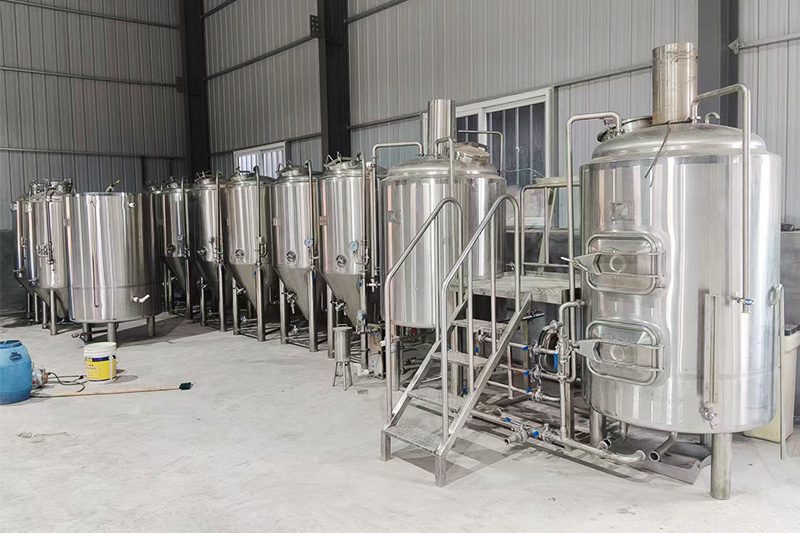
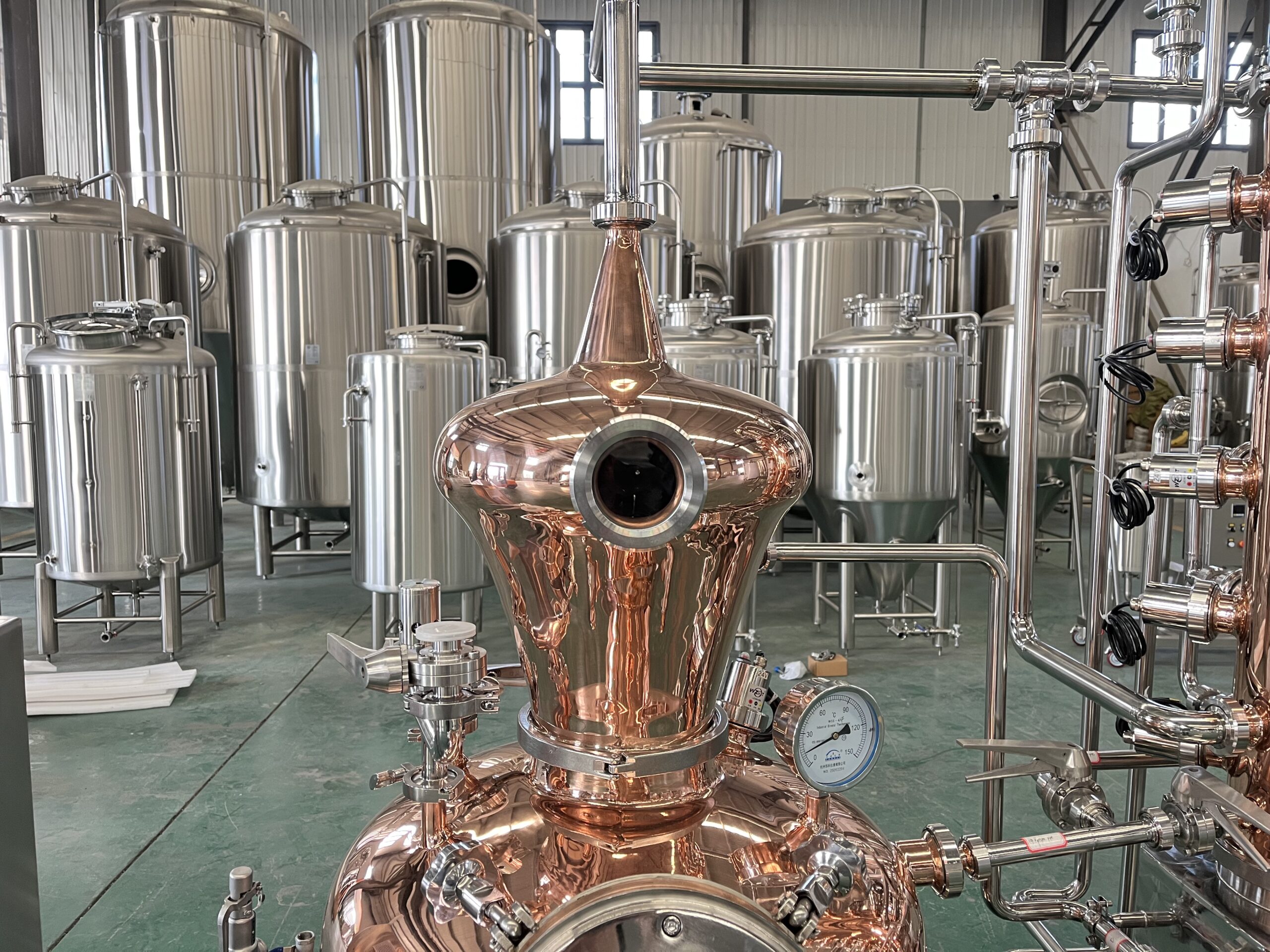
Konik bir fermentör maya toplamayı kolaylaştırabilir; ancak yanlış sistemin seçilmesi sızıntılara, temizlik sorunlarına veya gelecekteki üretimde kısıtlamalara yol açabilir. FastFerment, küçük partiler için erişilebilir bir başlangıç noktası sunar. Tasarımını ve sınırlamalarını anlamak, bira üreticilerinin ticari bir fermantasyon tankının ne zaman daha iyi bir yatırım olacağına karar vermelerine yardımcı olur.
FastFerment konik fermantör; temel olarak evde üretim ile küçük partiler halinde bira, şarap ve elma şarabı üretimi için tasarlanmış, gıdaya uygun plastikten üretilmiş bir fermantasyon sistemidir. Koni şeklindeki gövdesi, alt vanası ve çıkarılabilir toplama topu, maya ve tortunun ayrılmasına yardımcı olur. Konik fermantasyonu öğrenmek için oldukça kullanışlı bir çözüm sunarken ticari paslanmaz çelik fermantörler daha yüksek kapasite, entegre soğutma, hijyenik temizlik sistemleri ve basınca dayanıklı seçenekler sağlar.
Makale Anahatları
- FastFerment Konik Fermantör Nedir?
- FastFerment Toplama Topu Nasıl Çalışır?
- Ev Biracıları İçin Temel Özellikler ve Avantajlar Nelerdir?
- FastFerment ile Ne Gibi Sorunlar Yaşanabilir?
- FastFerment Birincil ve İkincil Fermantasyon İçin Kullanılabilir mi?
- Sıcaklık Kontrolü ve Oksijene Maruz Kalma Sonuçları Nasıl Etkiler?
- FastFerment, Ticari Paslanmaz Çelik Fermantörlerle Nasıl Karşılaştırılır?
- FastFerment'ten Daha Büyük Bir Tanka Ne Zaman Geçmelisiniz?
- 30 L'den 300 L, 500 L veya 1000 L'ye Geçildiğinde Neler Değişir?
- Bir Sonraki Konik Fermantörünüzü Nasıl Seçmelisiniz?
1. FastFerment Konik Fermantör Nedir?
FastFerment konik fermentör; ev biracıları, küçük ölçekli şarap üreticileri ve hobi amaçlı içecek üreticileri için tasarlanmış kompakt bir fermantasyon sistemidir. Geleneksel fermantasyon kovası veya cam damacanadan farklı olarak mayayı ve tortuyu çıkarılabilir bir toplama haznesine yönlendiren koni biçimli bir tabana sahiptir.
Yaygın olarak bilinen 7,9 ABD galonu model, yaklaşık 30 litrelik toplam kapasiteye sahiptir. Aktif fermantasyon sırasında köpük payı bırakılarak, genellikle yaklaşık 5 ABD galonluk partiler için kullanılır. Ana gövde paslanmaz çelik yerine gıdaya uygun HDPE plastikten üretilmiştir.
Standart bileşenleri şunlardır:
| Bileşen | Main Function |
|---|---|
| Konik HDPE gövde | Fermantasyondaki içeceği barındırır |
| Alt toplama topu | Çöken mayayı ve tortuyu toplar |
| Rakorlu vana | Ana tankı toplama haznesinden ayırır |
| Vidalı kapak | Doldurma ve temizlik için erişim sağlar |
| Hava kilidi | Fermantasyon gazını tahliye eder |
| Termovel | Sıcaklık ölçümü yapılmasını sağlar |
| Duvara montaj braketleri | Kabı destekler |
| Hortum ve bağlantı parçaları | Başka bir kaba aktarımı destekler |
Koni, tasarımın en ayırt edici kısmıdır. Fermantasyon yavaşladıkça maya ve diğer katı maddeler kabın dibine doğru çöker.
Tortunun kabın tabanına yayıldığı düz tabanlı kovalardan FastFerment'i ayıran özellik de budur.
Ayrıca ticari ekipmanlara yatırım yapmadan önce daha büyük konik fermantasyon sistemlerinin nasıl çalıştığını anlamak isteyen biracılar için de ürünü cazip kılar.
7,9 galonluk model ve aksesuarları, FastFerment ürün teknik özelliklerinde belgelenmiştir.
2. FastFerment Toplama Topu Nasıl Çalışır?
Toplama küresi, ev biracılarının bu tip ekipmanları tercih etme nedenlerinden biridir.
Fermantasyon sırasında maya ve tortu koninin dibine doğru çöker. Alt vana, ana kabı bu maddelerin bir kısmının toplanabileceği küçük ve çıkarılabilir bir hazneye bağlar.
Üreticinin talimatlarına uygun şekilde kullanıldığında sistem, tortu çöktükten sonra biracının toplama haznesini izole etmesine olanak tanır.
Mantık oldukça basittir: tüm partiyi başka bir kaba aktarmadan çöken maddeyi ayırmak.
Maya Toplamak Neden Faydalıdır?
Maya hasadı, maya davranışını incelemek veya tekrarlayan küçük partileri yönetmek isteyen bira üreticileri için yararlı olabilir.
Çıkarılabilir bir toplama haznesi gereksiz müdahaleleri azaltabilir; ancak toplanan maya kendiliğinden yeniden kullanıma uygun hale gelmez. Mayanın durumu suşa, fermantasyon geçmişine, hijyene, saklama koşullarına ve diğer faktörlere bağlıdır.
Küçük bir evde üretim düzeneği için bu işlem oldukça pratik olabilir.
Bununla birlikte, toplama haznesi temiz kalması ve düzgün bir şekilde sızdırmazlığının sağlanması gereken ilave bağlantılar gerektirir.
The brewer should inspect:
- Toplama küresi dişleri
- Valf contaları
- Contalar ve O-ringler
- Bağlantı yüzeyleri
- Tortu birikimi
- Sızıntı belirtileri
Do not unscrew the collection ball while the valve is open or while the assembly is under unsafe pressure.
How Is This Different From Commercial Yeast Harvesting?
Ticari bir paslanmaz çelik konik fermentör, mayayı toplamak veya boşaltmak için genellikle hijyenik bir alt çıkış kullanır.
Küçük, çıkarılabilir bir toplama haznesi yerine, daha büyük sistemler mayayı uygun valfler ve borulama aracılığıyla özel bir toplama kabına aktarabilir.
This allows operators to manage larger volumes without relying on small threaded plastic fittings.
Temel fikir benzerdir, ancak mühendislik gereksinimleri çok farklıdır.
3. What Are the Main FastFerment Features and Benefits for Homebrewers?
FastFerment, standart bir fermantasyon kovasına göre cazip bir üst seviye seçenek olabilir.
For home brew applications, it introduces several process features normally associated with professional conical vessels.
Daha Kolay Tortu Yönetimi
Konik bölüm, çöken maya ve tortuyu tabana yakın bir yerde yoğunlaştırır.
Bu, düz tabanlı bir kova kullanmaya kıyasla tortunun giderilmesini kolaylaştırabilir; ancak bazı katı maddeler yine de kabın içinde kalabilir.
Ek Aktarımlara Daha Az İhtiyaç
Bazı bira tariflerinde fermantasyon ve koşullandırma tek bir kapta tamamlanabilir.
Bu, yalnızca rutin tortu ayırma işlemi için birayı başka bir damacanaya aktarma gereksinimini azaltabilir.
Daha az aktarma, taşıma süresini ve oksijene maruz kalma ihtimalini de azaltabilir.
Sıcaklık Takibi
Ürünle birlikte verilen termokovan, uygun bir sıcaklık probunun takılabileceği bir yer sağlar.
Bu, bira üreticisinin yalnızca oda sıcaklığına güvenmek yerine sıvı sıcaklığını izlemesine yardımcı olur.
Ancak sıcaklığı izlemek, aktif sıcaklık kontrolüyle aynı şey değildir.
Compact Installation
Sistem, uygun destekler kullanılarak duvara monte edilebilir. Uyumlu bir zemin standı da bulunabilir.
Bu da tasarımı, bira üreticisinin zemin alanının sınırlı olduğu durumlarda kullanışlı kılar.
Uygulamalı Öğrenme
Perhaps its greatest benefit is educational.
Bir bira üreticisi, konik geometrinin maya çökmesini nasıl etkilediğini, alt valflerin nasıl çalıştığını ve bir kapta ek bağlantılar olduğunda sanitasyonun neden daha önemli hâle geldiğini öğrenebilir.
These are useful lessons before moving into professional beer production.
4. FastFerment'te Hangi Sorunlar Ortaya Çıkabilir?
Plastik konik bir sistemin avantajları vardır, ancak bakım zorlukları da bulunur.
Sızdıran bir vana, hasarlı bir vida dişi veya yerine düzgün oturmamış bir conta ürün kaybına yol açabilir. FastFerment'in çıkarılabilir birden fazla bağlantısı olduğundan, kullanıcıların montaj ve temizlik sırasında çok dikkatli olması gerekir.
Alt Vana Çevresindeki Sızıntılar
A leak may occur when a seal is damaged, a connection is assembled incorrectly, or a fitting is overtightened.
The correct response is to inspect the joint and follow the manufacturer’s assembly procedure.
Ek sıkmanın her zaman bir sızıntıyı giderdiğini varsaymayın. Aşırı kuvvet plastik dişlere zarar verebilir.
Sediment Clogging
Bazı bira tarifleri diğerlerinden daha fazla trub veya tortu üretir.
Küçük bir çıkış ağzı, özellikle partide büyük miktarda şerbetçiotu materyali veya başka parçacıklar bulunduğunda çöken katılar nedeniyle tıkanabilir.
Bu, ticari fermentörlerde çıkış ağzı boyutlandırmasının kısmen ürün özelliklerine ve katı madde yönetimine dayanmasının nedenlerinden biridir.
Bağlantı Noktalarının Çevresinin Temizlenmesi
Toplama küresi, alt vana, hortum ve dişli bağlantıların tümü dikkat gerektirir.
Bir bağlantıda kalıntı kalırsa, bir sonraki parti için kontaminasyon riski oluşturabilir.
Küçük bir sistem elle temizlenebilirken, daha büyük ticari kaplarda genellikle entegre Yerinde Temizleme (CIP) ekipmanı kullanılır.
Çizikler ve Malzeme Aşınması
Gıdayla temasa uygun plastik fermantasyon için uygun olabilir, ancak hasarlı yüzeylerin kontrol edilmesi ve temizlenmesi daha zordur.
Aşındırıcı temizlik araçlarından ve üreticinin talimatlarını aşan kimyasallardan veya sıcaklıklardan kaçının.
Plastik bir kapta derin çizikler, kalıcı kokular veya hasarlı bağlantı parçaları oluştuğunda, kullanmaya devam etmek yerine kabı değiştirmek daha pratik olabilir.
Basit bir bakım kontrol listesi birçok sorunu önleyebilir:
| Öğe | Neleri Kontrol Etmeli |
|---|---|
| Ana gövde | Cracks, scratches, discoloration |
| Toplama haznesi | Contanın durumu ve temizliği |
| Alt vana | Movement and leakage |
| Kapak | Conta durumu |
| Hava kilidi | Clear gas-release path |
| Termovel | Güvenli bağlantı |
| Montaj sistemi | Sağlam destek ve bağlantı elemanları |
| Transfer hose | Temizlik ve aşınma |
Bu kontroller, küçük ev yapımı bira partileri için bile önemlidir.
5. FastFerment Birincil ve İkincil Fermantasyonu Gerçekleştirebilir mi?
FastFerment sisteminin önemli bir satış avantajı, bira üreticisinin birincil fermantasyonu ve sonraki kondisyonlamayı aynı kapta tamamlayabilmesidir.
During primary fermentation, yeast converts fermentable sugars in the wort into alcohol and carbon dioxide.
En aktif aşamadan sonra maya ve parçacıklar çökmeye başlar. Konik yapı, bu malzemenin bir kısmının dipte toplanmasına yardımcı olur.
Removing settled sediment may make additional transfers unnecessary for certain recipes.
Ancak bu, her biranın ayrı bir ikincil fermantasyon aşaması gerektirdiği anlamına gelmez.
Birçok ale, ambalajlanmaya hazır olana kadar birincil fermantasyon kabında kalabilir. Diğer ürünler ise belirli proses nedenleriyle daha uzun süre dinlendirme, berraklaştırma, olgunlaştırma veya aktarma gerektirebilir.
Doğru yaklaşım, fermentör üreticisinin pazarlama iddialarına değil, ürüne bağlıdır.
Sistem Aktarmayı Ortadan Kaldırıyor mu?
Tamamen değil.
Bira fermantasyon ve dinlendirme sırasında aynı kabın içinde kalsa bile, sonunda bir fıçıya, şişeye veya başka bir kaba aktarılması gerekir.
Sistem, aktarma sayısını azaltabilir; ancak her aktarmayı veya oksidasyon riskini ortadan kaldırmaz.
Dikkatli bir bira üreticisi yine de temiz aktarma ekipmanı, uygun hortumlar ve doğru taşıma işlemleri kullanmalıdır.
Ticari bira fabrikaları için oksijen maruziyetini en aza indirmek daha da önem kazanır; çünkü daha büyük üretim partileri depolama ve dağıtımda daha uzun süre kalabilir.
6. Sıcaklık Kontrolü ve Oksijen Maruziyeti Fermantasyonu Nasıl Etkiler?
Mayanın performansı büyük ölçüde sıcaklığa bağlıdır.
If a batch becomes too warm, fermentation may produce unwanted flavors. If it becomes too cold, yeast activity may slow or stop before fermentation is complete.
The FastFerment thermowell helps a brewer monitor temperature, but the standard plastic vessel does not provide the integrated glycol cooling normally found on commercial jacketed fermentation tanks.
A homebrewer may therefore use a temperature-controlled fermentation chamber or another suitable external cooling arrangement.
Sıcaklık İzleme Neden Yeterli Değildir
Imagine a brewer measuring a fermentation temperature above the desired range.
Termowell, bira üreticisine neler olduğunu gösterir.
It does not remove the heat.
Küçük partiler için harici bir fermantasyon kabini yeterli soğutma sağlayabilir.
500 L veya 1000 L'lik ticari bir sistemde soğutma, bir mühendislik gereksinimi hâline gelir.
Commercial equipment commonly uses a temperature sensor, controller, cooling valve, glycol jacket, and chiller.
Bu, fermantasyon sırasında oluşan ısının daha tutarlı şekilde yönetilmesini mümkün kılar.
What About Oxygen?
FastFerment hava kilidi, dışarıdaki hava alışverişini sınırlandırırken fermantasyon gazının dışarı çıkmasına olanak tanır.
Ancak bağlantıların açılması veya biranın aktarılması yine de oksijen girişine neden olabilir.
A plastic fermenter should not be treated as a pressure-rated vessel unless its manufacturer explicitly certifies that capability.
Never pressurize a standard FastFerment to perform forced carbonation or pressure transfers.
Commercial unitanks can support controlled-pressure operations only when the vessel and its safety equipment are designed and rated for those conditions.
7. FastFerment, Ticari Paslanmaz Çelik Konik Fermantörlerle Nasıl Karşılaştırılır?
The biggest difference is not simply plastic versus stainless steel.
Bu, çalışma ortamının tamamıdır.
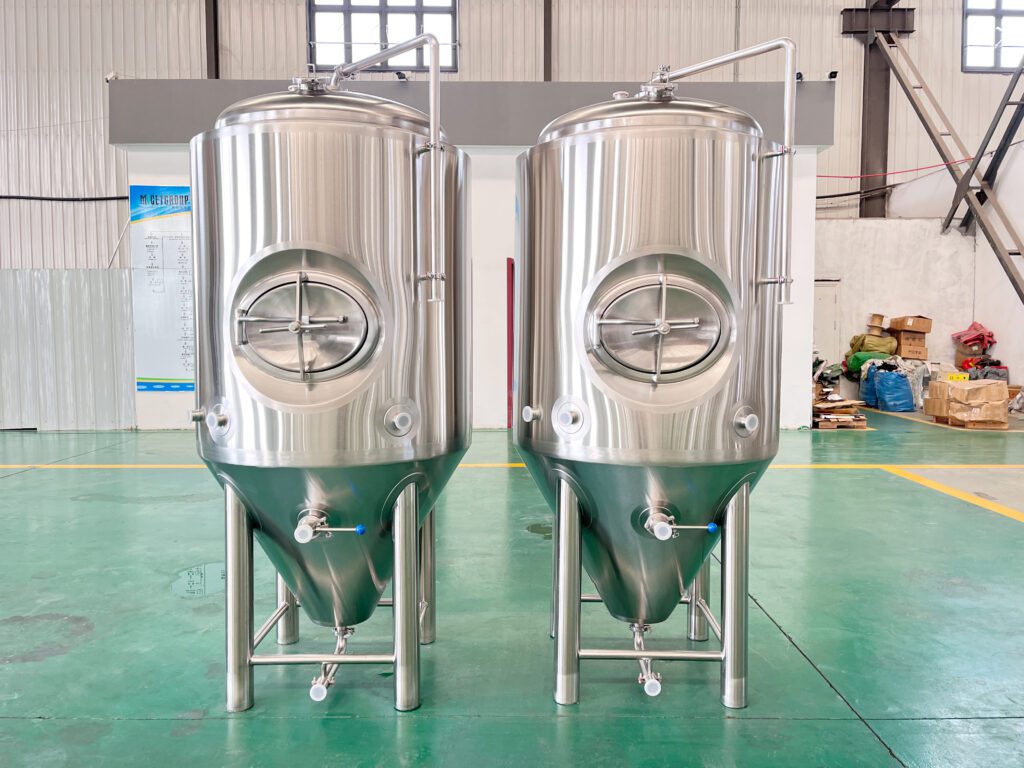
FastFerment esas olarak küçük partili fermantasyon için tasarlanmıştır. Ticari konik fermentör ise tekrarlanan üretim, daha büyük çalışma hacimleri, güvenilir temizlik, sıcaklık yönetimi ve diğer bira fabrikası sistemleriyle entegrasyon için tasarlanmıştır.
| Feature | FastFerment 7,9 Galon | Ticari Paslanmaz Çelik Konik Tank |
|---|---|---|
| Typical application | Evde bira üretimi ve küçük parti testleri | Mikro bira üretimi ve ticari üretim |
| Malzeme | Gıda sınıfı HDPE plastik | Genellikle SUS304 veya SUS316L |
| Toplam kapasite | Approximately 30L | Genellikle yüzlerce ila binlerce litre |
| Maya toplama | Removable collection ball | Sanitary cone outlet |
| Temperature measurement | Termovel | Industrial temperature sensors |
| Active cooling | External system if required | Integrated glycol jacket options |
| Pressure operation | Not assumed pressure-rated | Available on suitably rated vessels |
| Temizlik | Mainly manual | Manual and/or CIP-ready |
| Product transfer | Hose and small fittings | Sanitary valves and process piping |
| Otomasyon | Limited | Manual, semi-automatic, or PLC options |
| Packaging integration | Small batches | Kegs, cans, bottles, or brite tanks |
The choice depends on what the brewer needs to accomplish.
For someone experimenting with recipes at home, a commercial tank may be unnecessary.
For a brewery selling hundreds of liters every week, a small plastic vessel usually creates too much manual handling and too little process capacity.
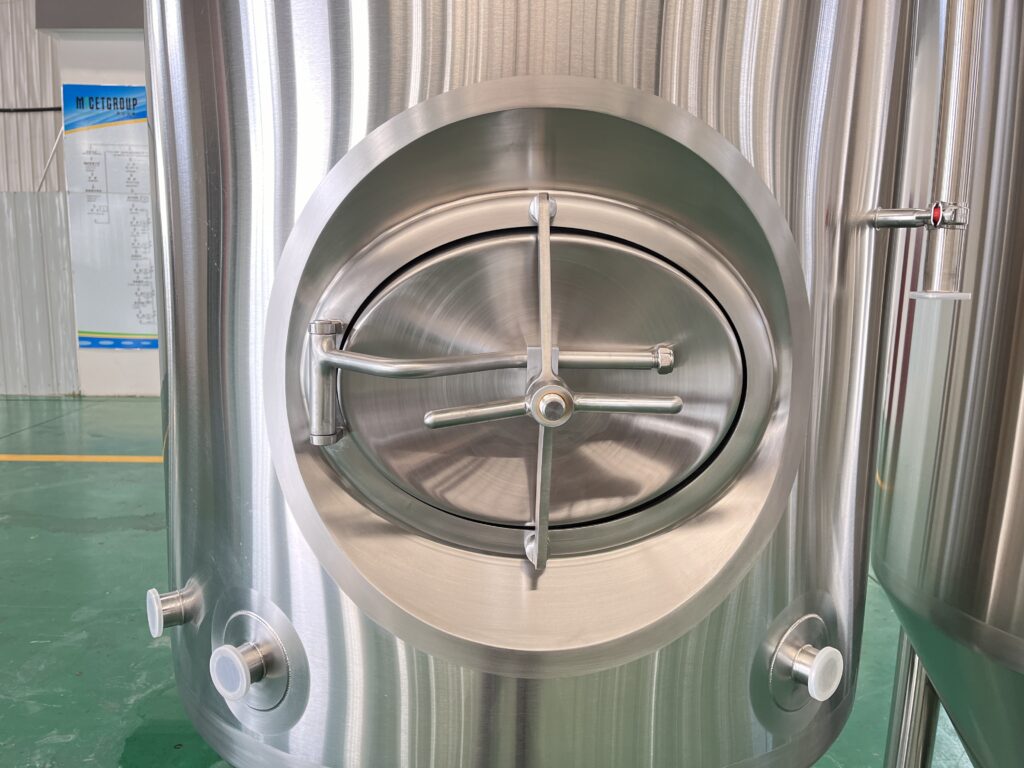
A professional system can also offer features such as insulation, cooling jackets, sampling valves, a racking arm, and an engineered sanitary outlet.
MICET’s kullanılmış 500L fermantasyon tankı provides an example of a commercial configuration with a stainless steel conical body, cooling jackets, insulation, and CIP-ready internals.
These are differences in production capability, not just appearance.
8. When Should You Upgrade From FastFerment to a Larger Tank?
There is no fixed batch count that tells every brewer when to upgrade.
The decision depends on production goals, equipment utilization, sales demand, and the amount of manual work involved.
A homebrewer producing one batch occasionally may be happy with a FastFerment for years.
A small business planning weekly production or wholesale distribution faces a different situation.
Signs You May Need More Capacity
Consider a larger system when:
- You regularly need many small batches of the same product.
- Fermentation space limits production.
- Manual cleaning takes too much time.
- You need reliable temperature control.
- Several recipes must ferment simultaneously.
- You need better batch records and repeatability.
- Packaging requires more consistent output.
- You are preparing to operate a licensed commercial brewery.
At this point, the business case extends beyond the purchase price of one fermenter.
You should consider the cost of labor, cleaning, cooling, maintenance, utilities, and production delays.
Does a Bigger Tank Automatically Save Money?
No.
Larger tanks need more investment and may require a glycol system, additional floor space, stronger utilities, and installation support.
However, a correctly sized commercial tank can reduce the number of separate batches needed to achieve a target volume.
For a growing producer, this can simplify scheduling and improve operating consistency.
The key is to match capacity with realistic demand.
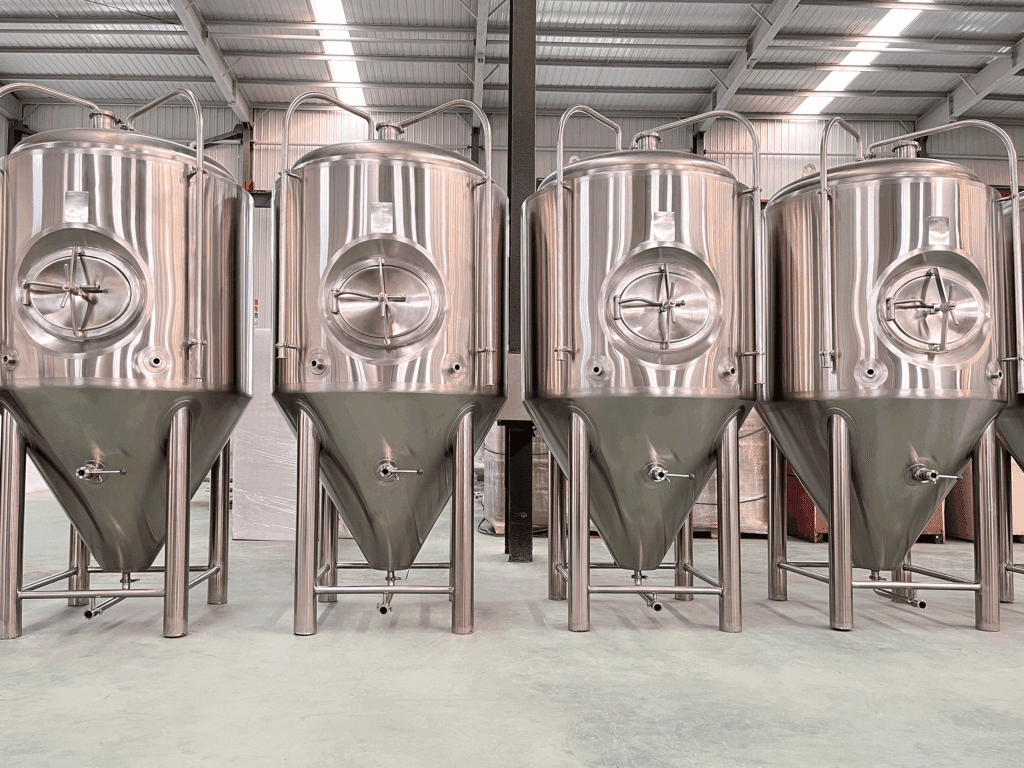
9. What Changes When Moving From 30L to 300L, 500L, or 1000L?
Moving from a homebrew conical to commercial fermentation is more than purchasing a bigger version of the same container.
The process becomes more complex as working volume increases.
A FastFerment 7.9-gallon model has a total capacity of approximately 30L, with a typical working batch around 5 US gallons or 19L.
For comparison, a commercial system may use 300L, 500L, or 1000L working-volume tanks.
Illustrative Capacity Comparison
| System | Illustrative Working Batch | Relative to a 19L Homebrew Batch |
|---|---|---|
| FastFerment 7.9G | 19L | 1 batch |
| Commercial pilot fermenter | 300L | About 16 batches |
| Commercial fermenter | 500L | About 26 batches |
| Commercial fermenter | 1000L | About 53 batches |
These are volume equivalents only. They do not represent actual weekly output because fermentation time, cleaning, transfer losses, and production scheduling must also be considered.
The comparison illustrates why equipment scale changes the operating model.
What Becomes More Important?
1. Temperature management
A small batch may be cooled in a fermentation chamber. A larger production system normally needs dedicated cooling equipment.
2. Cleaning
Manually washing one compact plastic vessel is very different from cleaning a 1000L stainless steel fermentation tank.
CIP design, drainage, chemical compatibility, and inspection access become important.
3. Yeast management
Larger yeast quantities require appropriate collection, handling, sanitation, and storage procedures.
4. Production scheduling
A commercial brewery may operate several fermenters simultaneously. One vessel may contain a lager while another produces an ale or cider.
5. Quality control
The brewer may need routine batch records, gravity measurements, temperature history, and consistent operating procedures.
6. Packaging
A homebrewer can fill a few bottles or a keg. A commercial producer needs a packaging plan that matches finished beer output.
Illustrative Upgrade Scenario
Consider a small beverage startup currently testing recipes with 19L batches.
The team develops a beer that receives strong demand from local customers and decides to move toward a 500L production target.
At the testing stage, the main questions are recipe quality and customer response.
At the commercial stage, the questions change:
- Can the brewhouse produce enough wort?
- How many fermentation tanks are needed?
- How long will each beer occupy a tank?
- What glycol cooling capacity is required?
- How will the tanks be cleaned?
- How will the beer be transferred?
- Will finished beer go into kegs or cans?
- Does the building have enough space and drainage?
This is an illustrative scenario, not a published MICET customer project.
It shows why the next investment should be planned as a production system rather than simply replacing a small fermenter with a larger one.
10. How Should You Choose Your Next Conical Fermenter?
If you are moving beyond homebrew production, begin with your actual production requirements.
At MICET, our engineering approach focuses on how the fermentation equipment will work with the brewhouse, cooling system, cleaning process, and packaging plan.
Before requesting a quotation, prepare the following information:
| Requirement | What to Specify |
|---|---|
| Ürün | Beer, cider, wine, kombucha, or another beverage |
| Batch capacity | Desired working volume |
| Production frequency | Batches per week |
| Fermentation schedule | Typical vessel occupancy |
| Temperature | Required fermentation and conditioning range |
| Malzeme | SUS304 or SUS316L where appropriate |
| Pressure | Atmospheric or pressure-rated operation |
| Yeast handling | Collection or discharge requirements |
| Temizlik | Manual cleaning or CIP |
| Ambalajlama | Keg, bottle, can, or bulk transfer |
| Utilities | Electricity, glycol, water, drainage |
| Düzen | Floor space, ceiling height, access |
| Expansion | Expected future capacity |
New or Refurbished Commercial Fermentation Tanks?
Both may be worth considering.
A new tank offers opportunities to customize its dimensions, fittings, cooling arrangements, and controls around the project.
A refurbished tank may offer a lower initial investment, provided the buyer can verify its condition, cleaning suitability, cooling system, and pressure documentation where applicable.
MICET supplies customized brewing and fermentation systems as well as used or refurbished equipment for suitable projects.
For reference, our used 1000L fermentation tank page describes a stainless steel conical design with insulation, glycol cooling, sanitary fittings, and refurbishment-related information.
Why Work With an Equipment Manufacturer?
When moving from fast ferment homebrew systems to commercial production, buyers need more than a tank catalog.
The equipment must fit:
- The available building space
- Production batch sizes
- Cooling requirements
- Operator workflow
- Cleaning procedures
- Utility connections
- Packaging schedules
- Future expansion plans
MICET supports stainless steel tank customization, brewhouse systems, CAD and 3D layout planning, integration of glycol cooling and other auxiliary equipment, installation guidance, and long-term technical support.
We help craft breweries, brewpubs, commercial beverage producers, cideries, and other B2B customers evaluate the complete production setup.
A small conical fermenter can be a useful place to learn.
When your production goals grow, the next step is choosing an integrated fermentation system designed around your process.
If you are planning to expand from small batches into commercial production, share your current batch size, target output, beverage type, and facility requirements with the MICET engineering team.
We can help you evaluate a suitable new or refurbished commercial fermentation configuration.
Frequently Asked Questions
What is a FastFerment conical fermenter?
The FastFerment is a homebrewing fermentation system with a cone-shaped plastic body, bottom valve, and removable collection ball. The popular 7.9 US gallon version has approximately 30L total capacity and is commonly used for batches around 5 US gallons.
Is FastFerment suitable for commercial brewing?
It is primarily designed for homebrewing and small-batch use. A commercial brewery generally needs larger capacity, more robust sanitation arrangements, active cooling, and equipment suited to its production and regulatory requirements.
Does FastFerment eliminate racking?
It may eliminate the need for a separate secondary vessel in some brewing processes, but finished beer must still be transferred for packaging or serving. Good transfer practices remain important for reducing oxygen exposure.
Can FastFerment be used for wine and cider?
Yes, the system is marketed for small-batch beer and wine production and may be suitable for cider making when used within its material and operating limits. The required cleaning, headspace, and fermentation procedures depend on the beverage.
Can you pressure-ferment or carbonate beer in a FastFerment?
Do not assume a standard plastic FastFerment is pressure-rated. It should not be used for pressure fermentation, forced carbonation, or pressure transfers unless the manufacturer explicitly approves that use and provides the required specifications.
What is the main advantage of a commercial stainless steel conical fermenter?
A commercial stainless steel conical fermenter can provide larger working volume, integrated glycol cooling, more robust cleaning capability, sanitary yeast handling, and suitable pressure-rated options. These features support repeatable production and integration into a professional brewery.
Önemli Çıkarımlar
- FastFerment is a specific homebrewing product, not a generic name for every conical fermenter.
- The common 7.9-gallon version uses food-grade HDPE plastic and has approximately 30L total capacity.
- Its collection ball helps manage yeast and sediment during small-batch fermentation.
- The cone design can reduce some unnecessary transfers but does not remove every transfer requirement.
- Valves, threads, gaskets, and the collection ball need careful cleaning and inspection.
- A thermowell helps monitor temperature, but active cooling usually requires additional equipment.
- Standard FastFerment systems should not be treated as pressure-rated vessels.
- Commercial stainless steel conical tanks support larger production volumes and more advanced process integration.
- The best time to upgrade depends on sales demand, batch frequency, production efficiency, and future growth.
- Moving from 30L homebrewing to 300–1000L commercial production requires planning beyond tank capacity.
- Cooling, sanitation, layout, utilities, and packaging are important parts of a commercial brewery project.
- Working with an experienced manufacturer can help match fermentation equipment with the complete production process.