











Starting a commercial kombucha business requires more than a recipe and fermentation knowledge. Without the right kombucha brewing equipment, producers may struggle with inconsistent flavor, poor sanitation, limited production capacity, and difficult scaling. A customized stainless steel brewing system helps transform small-batch ideas into reliable commercial production.
Commercial kombucha brewing equipment includes brewing kettles, fermentační nádrže, stainless steel fermenters, carbonation systems, storage vessels, and packaging equipment designed for large-scale kombucha production. The right system helps kombucha producers control fermentation, maintain sanitation, improve consistency, and expand production efficiently.
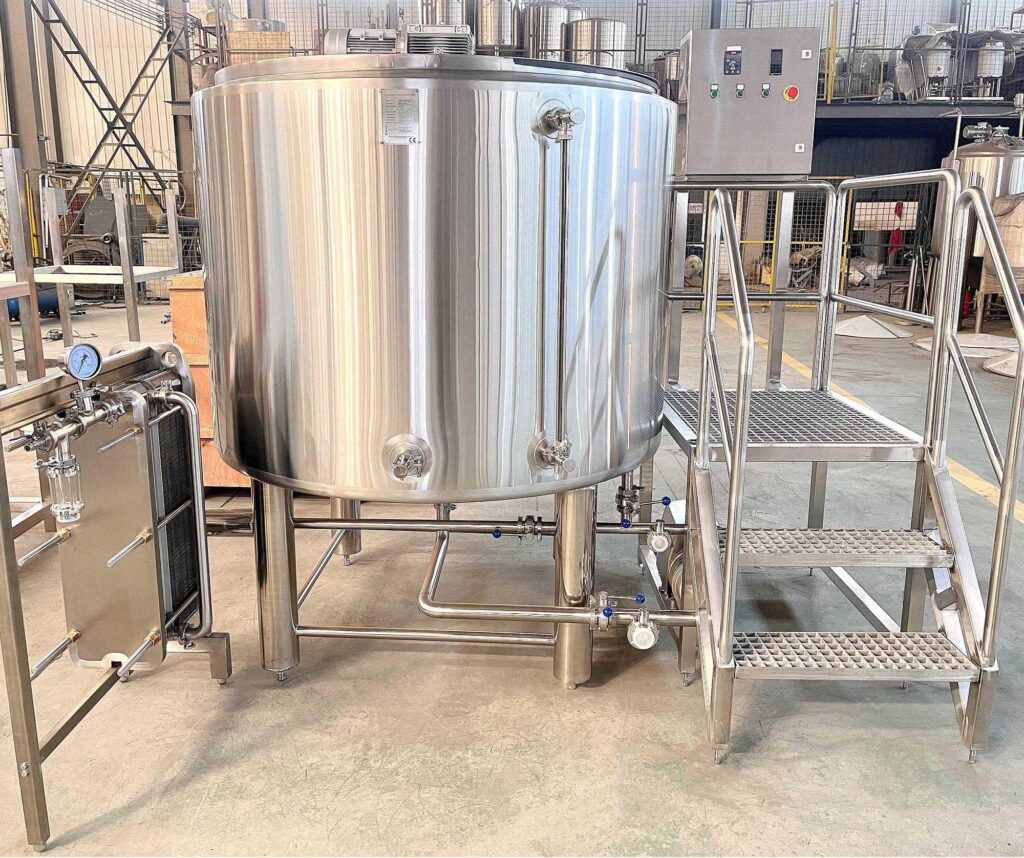
What Equipment Is Needed for Commercial Kombucha Brewing?
Commercial kombucha production requires specialized equipment that supports every stage of the brewing process. Unlike small home operations, a professional kombucha brewery needs equipment that can handle larger batch volumes while maintaining stable quality.
A complete kombucha brewing system usually includes:
| Vybavení | Function |
|---|---|
| Brewing kettle | Prepares sweet tea base |
| Fermentation tanks | Supports primary fermentation |
| Stainless steel fermenter | Controls fermentation conditions |
| Brite tank | Carbonation and storage |
| Systém CIP | Cleaning and sanitation |
| Packaging equipment | Bottling or kegging |
For a growing kombucha brand, equipment selection directly affects production capacity, product consistency, and operating costs. A professional equipment supplier can help design a system based on expected sales volume, available space, and future expansion plans.
As a manufacturer of customized beverage equipment, we provide stainless steel brewing systems, fermentation tanks, and turnkey solutions for global B2B customers who need reliable commercial kombucha equipment.
How Does a Commercial Kombucha Brewing System Work?
A commercial kombucha brewing system follows a controlled production process that converts sweet tea into fermented kombucha.
The typical process includes:
- Preparing sweet tea
- Cooling the liquid
- Adding SCOBY culture
- Primary fermentation
- Flavor adjustment
- Secondary fermentation
- sycení
- Balení
During fermentation, the symbiotic culture of bacteria and yeast transforms sugar into organic acids, flavors, and natural carbonation.
A professional system gives producers better control over:
- Fermentation time
- Temperature
- Oxygen exposure
- Sanitation
- Batch consistency
For commercial kombucha brewing, repeatability is critical. Customers expect the same taste and quality from every bottle or keg.
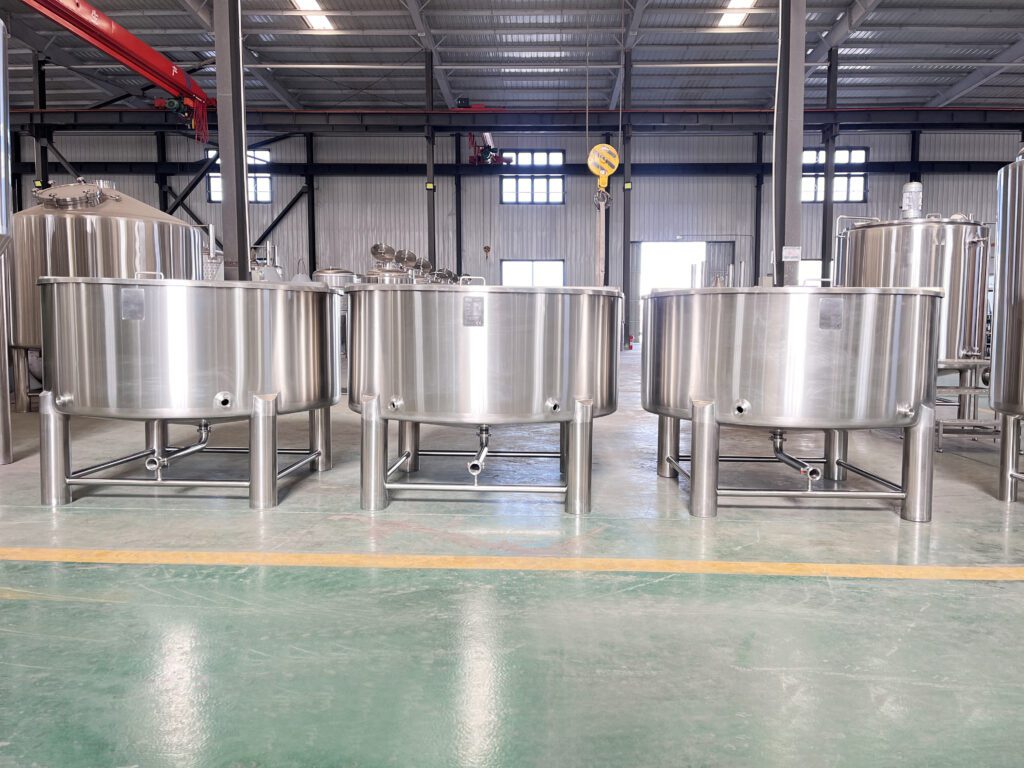
Why Is Stainless Steel Important for Kombucha Brewing Equipment?
Material selection is one of the most important decisions when choosing kombucha brewing equipment.
High-quality stainless steel is widely used because it provides:
- Excellent corrosion resistance
- Easy cleaning
- Long service life
- Food-grade safety
- Better sanitation control
Compared with steel or plastic alternatives, stainless steel tanks provide a more stable environment for fermentation.
A stainless steel fermenter allows producers to maintain consistent conditions while reducing contamination risks. Smooth internal surfaces make cleaning easier and support professional sanitation practices.
For commercial kombucha producers, stainless steel equipment is not only about durability. It supports quality kombucha brewing and long-term business growth.
What Are the Main Types of Kombucha Brewing Equipment for Commercial Production?
Different businesses require different equipment configurations. A small kombucha startup may need a compact system, while a large kombucha brewery may require multiple fermentation vessels and automated controls.
Common equipment includes:
Varný kotel
The kettle prepares the tea base before fermentation. Producers typically use black or green tea combined with sugar to create sweet tea.
A properly designed kettle improves heating efficiency and simplifies cleaning.
Fermentační nádrže
Fermentation tanks are the heart of kombucha production. They provide controlled space where SCOBY and microorganisms develop flavor.
Modern fermentation tanks may include:
- Cooling jacket
- Temperature monitoring
- Sanitary valves
- Pressure control
Brite Tank
A brite tank supports carbonation, clarification, and storage before packaging.
For kombucha on tap products, brite tanks help maintain consistent carbonation levels.
How Do Fermentation Tanks Improve Commercial Kombucha Production?
Fermentation is the most sensitive stage of kombucha production. Small changes in temperature, time, or sanitation can affect flavor and quality.
Commercial fermentation tanks allow producers to control fermentation conditions more accurately.
Important features include:
- Ovládání teploty
- Insulated tank design
- Glycol cooling systems
- Easy cleaning structure
- Pressure-rated construction
A stainless steel fermenter helps maintain stable fermentation temperature throughout the fermentation cycle.
For larger operations, multiple fermentation tanks allow different flavors or batches to ferment at the same time.
This flexibility helps kombucha brands increase production capacity without sacrificing consistency.
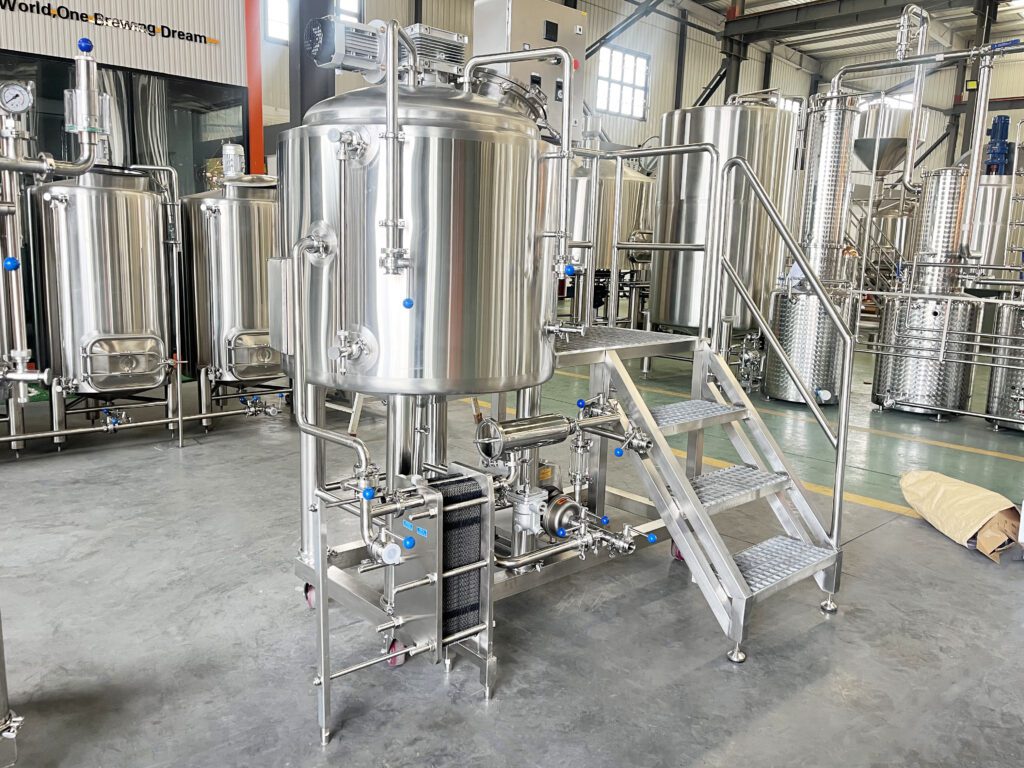
What Is the Difference Between Home Brewing and Commercial Kombucha Brewing?
Home brewing and commercial kombucha production share the same basic principles, but the equipment requirements are very different.
| Feature | Home Brewing | Commercial Production |
|---|---|---|
| Batch Size | Small | Large |
| Vybavení | Simple containers | Stainless steel systems |
| Kontrola | Manual | Automated monitoring |
| Čištění | Basic | CIP sanitation |
| Balení | Small bottles | Professional filling systems |
A home brewer may successfully produce kombucha in small quantities. However, commercial production requires reliable equipment that can operate batch after batch.
A commercial kombucha brewery needs solutions designed for:
- Higher production capacity
- Better process control
- Consistent flavor
- Reduced contamination risk
How Does Temperature Control Affect Kombucha Fermentation?
Temperature control plays an important role in kombucha fermentation.
The fermentation environment influences:
- Acidity development
- Flavor profile
- sycení
- Fermentation speed
A professional fermentation tank with a cooling jacket helps maintain stable fermentation temperature.
Many commercial systems use glycol cooling because it provides accurate temperature management.
Without proper control, fermentation may become inconsistent. This creates challenges for brands trying to scale production.
For this reason, temperature control is one of the most important features when selecting kombucha brewing equipment for commercial production.
What Sanitation Features Should Commercial Kombucha Equipment Have?
Sanitation is essential because kombucha contains active bacteria and yeast. While these microorganisms create the desired flavor, unwanted contamination can damage product quality.
Professional kombucha equipment should include:
- Smooth stainless steel surfaces
- Sanitary fittings
- CIP cleaning capability
- Easy-access valves
- Proper drainage
CIP systems allow operators to clean tanks and pipelines efficiently without manual disassembly.
A reliable sanitation system helps prevent contamination and protects every batch.
For commercial kombucha producers, cleaning and sanitizing is not just maintenance. It is part of product quality control.
How Can a Kombucha Brewery Scale Production Efficiently?
Scaling a kombucha business requires careful equipment planning.
Many producers start with a small system and later expand by adding:
- Larger fermentation tanks
- Additional storage tanks
- Automated controls
- Packaging equipment
- More production space
A good kombucha brewing system should support future growth.
When designing equipment, we consider:
- Výrobní kapacita
- Tank size
- Available space
- Product types
- Packaging methods
A kombucha brand selling bottled products may need different equipment compared with a company producing kombucha on tap.
How to Choose the Right Commercial Kombucha Equipment Supplier?
Selecting the right equipment supplier is an important step for any kombucha business.
A professional supplier should understand:
- Fermentation requirements
- Beverage production workflows
- Stainless steel fabrication
- Sanitary design
- Installation support
As an experienced beverage equipment manufacturer, we provide customized solutions for:
- Kombucha producers
- Breweries
- Beverage startups
- Craft beverage companies
- Engineering contractors
Our commercial kombucha equipment can include fermentation vessels, brewing systems, storage tanks, CIP solutions, and complete production lines.
The right equipment partner helps businesses produce consistent kombucha while reducing project risks.
Často kladené otázky
What equipment is needed for commercial kombucha production?
Commercial kombucha production typically requires brewing kettles, fermentation tanks, stainless steel fermenters, carbonation equipment, storage tanks, CIP systems, and packaging equipment.
Can stainless steel tanks be used for kombucha fermentation?
Yes. Stainless steel tanks are widely used for kombucha fermentation because they are durable, sanitary, easy to clean, and suitable for commercial production.
How large should a commercial kombucha fermentation tank be?
Tank size depends on production goals, batch volume, fermentation time, and future expansion plans. A supplier can help calculate the correct capacity.
Does kombucha require temperature control during fermentation?
Yes. Temperature control helps maintain consistent fermentation performance and improves product quality.
What is the difference between a kombucha fermenter and a regular beverage tank?
A kombucha fermenter is designed specifically for fermentation conditions, while general beverage tanks may only provide storage functions.
Key Points to Remember
- Commercial kombucha brewing requires specialized equipment beyond home brewing tools.
- Stainless steel fermentation tanks provide durability, sanitation, and reliable production.
- Temperature control and CIP systems are essential for consistent kombucha quality.
- A complete kombucha brewing system may include kettles, fermenters, brite tanks, and packaging equipment.
- Choosing the right equipment supplier helps reduce project risk and support business expansion.
- Customized commercial kombucha equipment allows brands to scale production while maintaining product consistency.