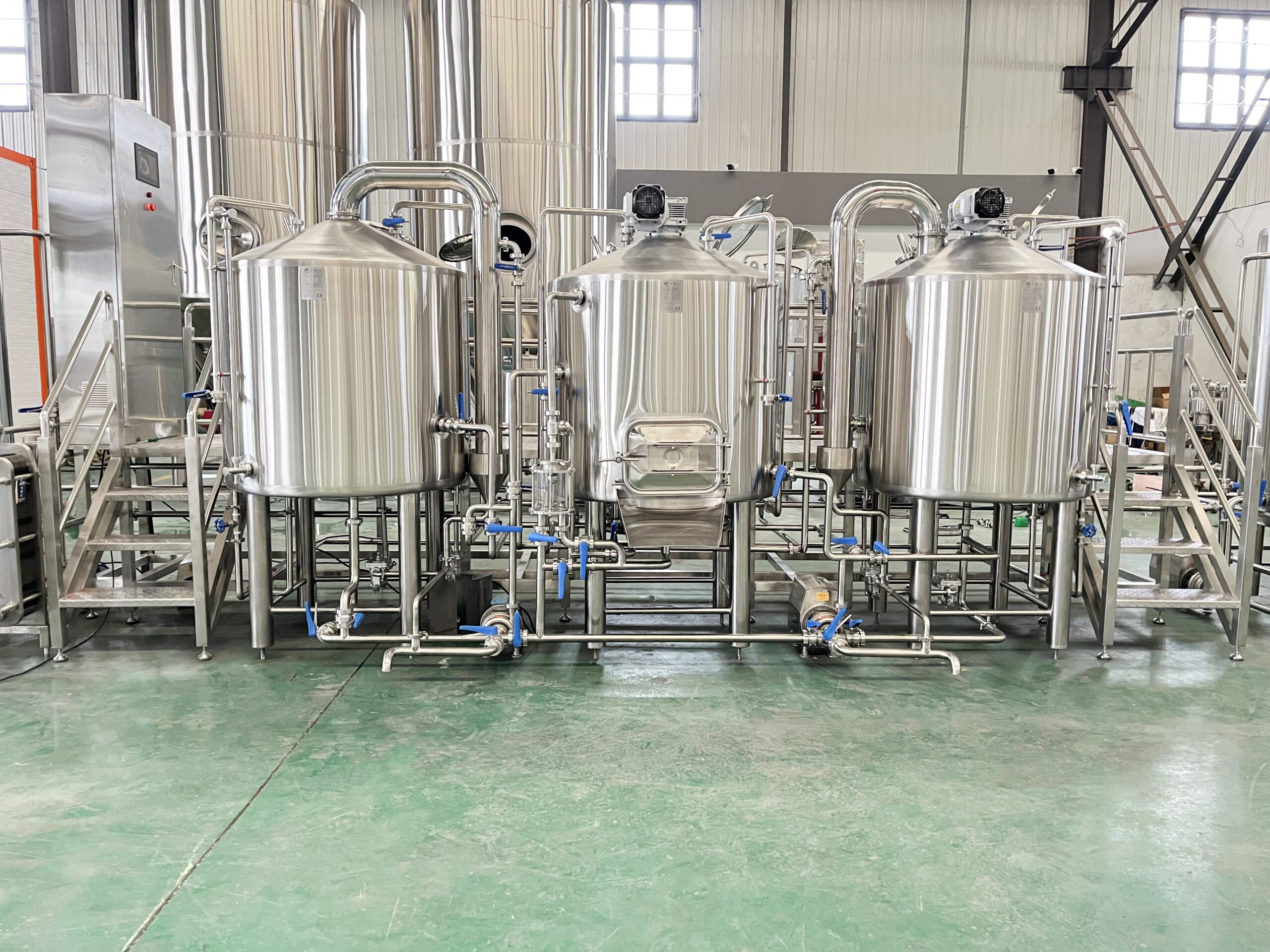











Manual work can slow a brew, raise labor costs, and make flavor change from batch to batch. When errors repeat, waste grows. An automated brewing system helps a brewery keep the brewing process stable, clean, and easier to scale.
An automated brewing system uses sensors, pumps, valves, software, and a control panel to monitor and control heating, mash steps, transfer, cooling, fermentation, and cleaning. It helps the brewer reduce manual steps, improve repeatability, protect flavor, and produce more consistent beer with less daily stress.
기사 개요
- What does it mean to automate a brew?
- Why is an automated brewing system important for modern brewery growth?
- How does automation improve the brewing process from mash to fermentation?
- What brewery equipment should be automated first?
- Can home brew and commercial brewing both benefit from automated beer brewing?
- How does temperature control help create high-quality beer?
- What are the benefits of automated brewing for craft beer producers?
- How should buyers compare types of automated equipment?
- What should you check when choosing the right automated brewing system?
- How can a turnkey supplier simplify your brewing journey?
What Does It Mean to Automate a Brew?
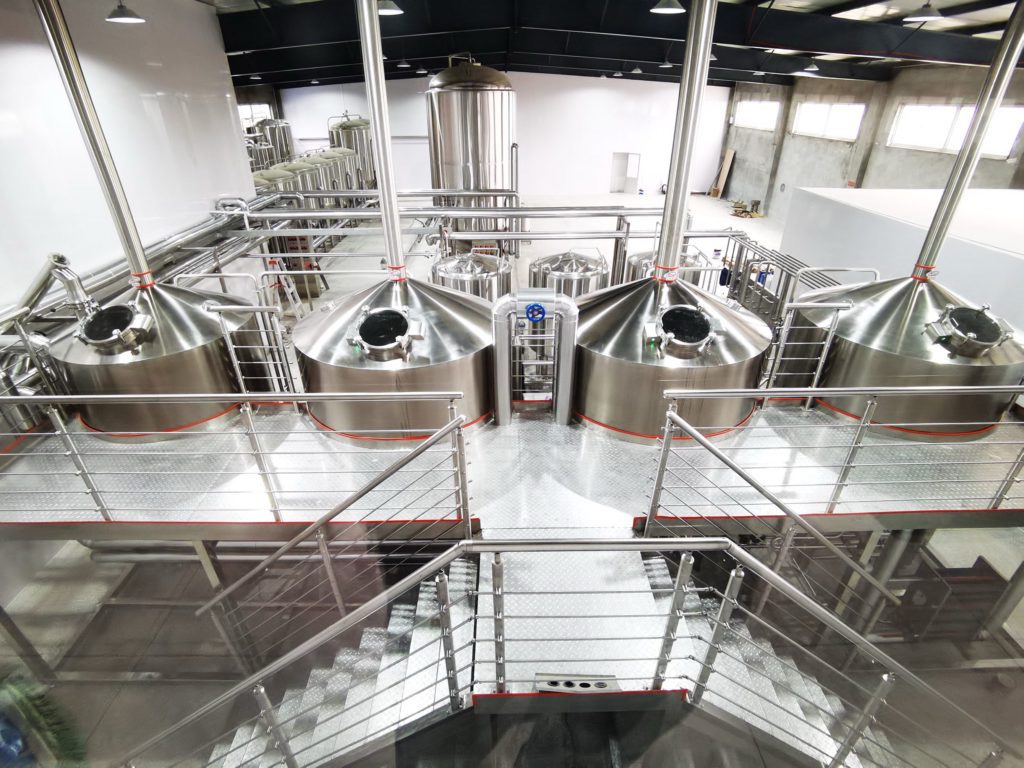
To automate a brew means using smart controls to help run key steps with less manual work. The system may control heating, water flow, mash timing, pump speed, transfer, cooling, and tank temperature. The goal is simple: give the brewer better control over the brewing process.
Automation does not remove the human touch. A skilled brewer still chooses the beer recipes, brewing ingredients, hop schedule, yeast plan, and beer style. The automated system helps repeat those choices with less variation.
In our work as a stainless steel brewery equipment manufacturer, we often tell buyers this: automation is not only about buttons and screens. It is about stable results. A good automated brewery setup helps teams brew with confidence, even when production gets busier.
Why Is an Automated Brewing System Important for Modern Brewery Growth?
A growing brewery needs more than passion. It needs repeatable output. If one batch of beer tastes great but the next one changes too much, customers notice. This is why an automated brewing system can become a real business tool.
For craft beer producers, taprooms, brewpubs, beverage startups, and project investors, automation can help reduce training pressure. New staff can follow clear programs. The brewer can set recipes, record data, and track the brewing stage more easily.
Here is a simple comparison:
| Manual Setup | Automated Setup |
|---|---|
| More hands-on work | Less repeated labor |
| Higher chance of timing errors | Better step control |
| Harder to repeat recipes | Easier recipe storage |
| Slower scale-up | Better growth planning |
| More operator skill needed every day | Clearer standard operation |
The result is not magic. It is better process discipline.
How Does Automation Improve the Brewing Process from Mash to Fermentation?
The mash process is one of the first areas where automation helps. During mash, water and grain must stay at the right temperature. A system with precise temperature control can help the brewer hit target rests and improve sugar extraction.
After mash, the wort moves through boiling, hop addition, whirlpool, and cooling. Automated transfer and recipe steps help reduce mistakes. This matters when the amount of beer increases from a small batch of beer to daily production.
Fermentation is another key step. Automated fermentation control helps keep the tank stable as yeast works. When fermentation is complete, the system data can help the brewer decide when to cool, transfer, carbonate, or package. This makes production easier to plan.
What Brewery Equipment Should Be Automated First?
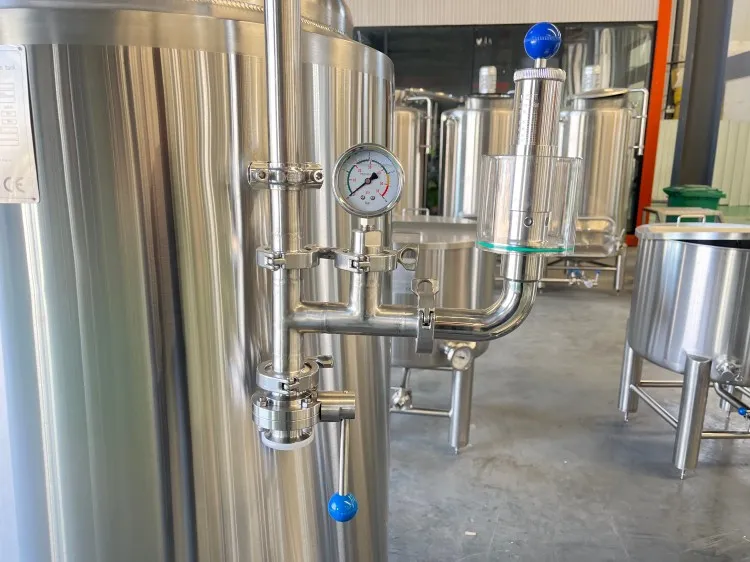
Not every brewery needs the same level of automation. For many buyers, the best starting points are heating control, pump control, tank temperature, and cleaning programs. These areas affect time, safety, and quality.
A smart brewing system may include:
- Electric heating or steam control
- Mash temperature programs
- Pump and valve control
- Fermentation temperature tracking
- Glycol cooling control
- Cleaning cycle support
- Recipe memory
- Alarm and data records
For a larger project, brewery equipment may also include grain handling, brewhouse automation, cellar automation, CIP cleaning, and packaging links. The best plan depends on your building, output goal, budget, and labor model.
Can Home Brew and Commercial Brewing Both Benefit from Automated Beer Brewing?
Yes, but the purpose is different. Home brew users often want ease of use. They may use an all-in-one unit, beer kits, or a small brewing kit to make beer at home. This helps home brewers enjoy the process without too many separate pieces of equipment.
Commercial brewing has a different goal. It needs strength, cleaning performance, stainless vessels, safe piping, stable controls, and long service life. A commercial buyer is not only making a favorite beer. They are building a brewing business.
Automated beer brewing can support both groups, but system design must match the real need. A home unit may be small and simple. An automated commercial brewhouse needs sanitary design, accurate controls, reliable installation support, and after-sales service.
How Does Temperature Control Help Create High-Quality Beer?
Temperature control affects flavor from mash to fermentation. During mash, it helps the brewer manage sugar conversion. During fermentation, it helps yeast work in the right range. If the tank gets too warm or too cold, flavor may drift.
The American Homebrewers Association explains that fermentation temperature plays a major role in ale and lager character, and it can affect style accuracy. This is why both homebrewing and professional production need stable cooling and clear monitoring.
For high-quality beer, a good system should hold tank temperature, display data clearly, and respond quickly. In larger projects, glycol cooling is often used to support several tanks at once. This creates a more stable brewing environment.
What Are the Benefits of Automated Brewing for Craft Beer Producers?
The benefits of automated brewing are easy to see when production gets busy. The brewer can save time, improve repeatability, reduce manual steps, and train staff faster. More important, the beer can stay more consistent.
For craft brewing, this matters because customers return for a known taste. They may love a pale ale for its aroma, or a stout for its body. If each brew changes too much, trust becomes harder to build.
Automation in brewing can also help with records. A control panel can store temperature curves, timing, alarms, and recipe steps. This helps owners review problems and improve the next brew. Better data leads to better decisions.
How Should Buyers Compare Types of Automated Equipment?
There are many types of automated equipment. Some systems only control temperature. Some include pumps and valves. Some are fully automated from water filling to cleaning. A buyer should not choose only by the number of buttons on the screen.
Use this guide:
| 장비 유형 | Best Use | Key Benefit |
|---|---|---|
| All-in-one brewing | Small tests and home use | Simple start |
| Electric brewing system | Small commercial or pilot production | Clean heat and easy control |
| Semi-automatic brewhouse | Brewpubs and small breweries | Good balance of cost and control |
| Fully automated system | Larger commercial projects | Less labor and strong repeatability |
| Cellar automation | Fermentation and tank control | Better scheduling and stability |
When comparing systems, ask: Does this equipment designed layout fit my space? Can it expand? Can the supplier support installation? Can my team run it easily?
What Should You Check When Choosing the Right Automated Brewing System?
Choosing the right automated brewing system starts with capacity. How much do you need to brew per day, per week, and per year? Do you sell in a taproom, bottles, cans, kegs, or all channels? Your answer affects vessel size, tank number, cooling power, and layout.
Next, check the system structure. A professional beer brewing equipment plan should include the brewhouse, fermentation tanks, brite tanks, piping, pumps, controls, cleaning, cooling, and packaging interface. These parts must work together.
Before purchase, review this checklist:
- Target output and batch size
- Beer style range and recipe needs
- Heating method: steam, electric, or direct fire
- Tank quantity and future expansion
- Automation level and control logic
- Sanitary welding and material quality
- Local power and water conditions
- Installation, training, and service support
A good supplier should ask questions before quoting. Fast quotes can look attractive, but careful planning saves money later.
How Can a Turnkey Supplier Simplify Your Brewing Journey?
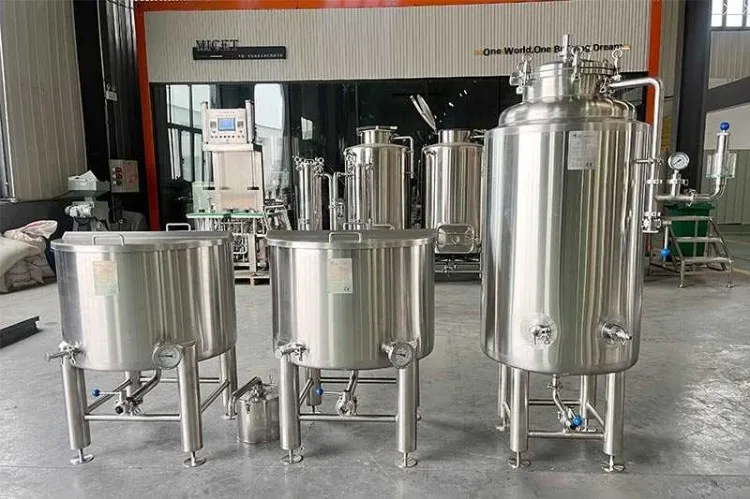
A turnkey supplier can simplify the project by linking design, manufacturing, delivery, installation, training, and after-sales support. This is useful for breweries, beverage startups, investors, and engineering contractors who want lower project risk.
As a professional brewery and beverage equipment manufacturing plant, we provide customized stainless steel brewing systems, fermentation tanks, brewhouse systems, and turnkey brewery solutions for global B2B customers. We help buyers plan capacity, layout, utilities, cleaning, cooling, and future expansion.
For example, a taproom may start with a compact brewhouse and several fermenters. Later, it may add brite tanks, a keg line, or a beer dispenser system. If the first layout allows this growth, the owner avoids costly rebuilding.
How Can Automation Help Create Unique Beer and Fresh Beer More Often?
A common fear is that automation makes beer less creative. In real production, it often does the opposite. When repeated steps become stable, the brewer has more time to test a unique beer, new hop blend, or special yeast profile.
Automation can also help with small trial runs. A pilot brewing system can test new beer recipes before full production. If the recipe works, the team can scale it with better data.
Fresh beer depends on planning. If the brewery can brew, ferment, cool, and package on a clear schedule, stock moves faster. This helps taprooms and distributors serve beer lovers at the right time.
How Does an Automated Beer Brewing System Support Other Beverages?
Many customers now make more than one product. They may start with beer making, then add kombucha, cider, wine, cold brew coffee, or other fermented drinks. The core need is similar: clean tanks, stable temperature, smooth transfer, and safe operation.
An automated beer brewing system can be part of a wider beverage plan if the system is designed with flexibility. Tank ports, cooling capacity, cleaning method, and piping layout should allow future changes.
This is why custom engineering matters. A standard system may not fit every product. Customized brewing solutions help B2B buyers protect quality, improve output, and support sustainable growth.
Case Study: From Manual Brewing to Automated Brewery Production
One growing brewpub came to us with a common problem. Their manual system made good beer, but output was slow. Staff spent too much time moving liquid, checking temperature, and cleaning. The owner wanted better control without losing the craft feel.
We helped plan a compact automated brewery layout with a controlled brewhouse, jacketed fermenters, glycol cooling, sanitary piping, and a clear cleaning workflow. The goal was not to remove the brewer. The goal was to remove repeated stress.
After the upgrade, the team could brew more often, train staff faster, and plan seasonal releases with less risk. The owner said the biggest change was not only output. It was peace of mind.
FAQs About Automated Brewing Systems
What is an automated brewing system?
An automated brewing system uses controls, sensors, pumps, valves, and software to manage brewing steps. It can help with heating, mash timing, transfer, cooling, fermentation control, cleaning, and data records.
Is automated brewing only for large breweries?
No. Small breweries, brewpubs, pilot labs, and even home brew users can use automation. The key is choosing the right system size and control level for your brewing needs.
Does automation reduce the role of the brewer?
No. The brewer still creates the recipe, chooses ingredients, sets the process, and checks quality. Automation helps repeat the plan with fewer manual errors.
Can I use automation for different beer styles?
Yes. A well-planned system can support different recipes, mash steps, hop schedules, yeast choices, and fermentation programs. This helps you make a wide range of beer styles.
What is the difference between semi-automatic and fully automated beer brewing?
A semi-automatic system controls some steps but still needs more operator input. Fully automated beer brewing controls more steps through programs, valves, pumps, and sensors.
How do I know which system is right for my brewery?
Start with your output target, building size, labor plan, product range, packaging model, and budget. Then work with a supplier that understands both engineering and real brewing operation.
주요 내용
- Automation helps a brew become more stable, repeatable, and easier to manage.
- An automated brewing system supports better mash control, transfer, cooling, fermentation, and cleaning.
- Home brew users and commercial breweries can both benefit, but they need different system designs.
- Temperature control is one of the most important tools for flavor stability.
- The best brewery system should match capacity, layout, utilities, labor, packaging, and future growth.
- A turnkey equipment supplier can reduce project risk through design, manufacturing, installation support, and after-sales service.
- Custom stainless steel systems help breweries, brewpubs, beverage startups, and investors build a stronger long-term production plan.