










Used Brewery Equipment & TurnKey Brewing Systems Supplier
Certified Used Fermentation Tanks, Brewhouses, Kombucha Equipment &
Packaging Lines for Global Breweries
Distillery Equipment & Turnkey Solutions for different Spirits
Distillery Equipment & Turnkey Solutions
Pot Still, Column Still & Hybrid Still
Why Breweries Trust Micet for Used Equipment
As a top-tier brewery equipment manufacturer, Micet provides a unique advantage in the used equipment market: professional factory inspection, refurbishing, upgrading, cleaning, testing, and turnkey installation services
Factory-Certified Refurbishment
Every tank and system is professionally inspected, repaired, polished, and pressure-tested in our factory to ensure reliable performance and sanitary brewing standards
Professional Manufacturer Quality
As a global brewery equipment manufacturer, Micet applies ASME/CE welding, insulation, polishing, and hygiene standards—even to used equipment
Cost-Effective Brewing Investment
Save 40–70% compared to new systems while still receiving durable stainless-steel equipment that performs like new after refurbishing
Global Export & Technical Support
We provide layout design, installation guidance, logistics support, and long-term technical service for breweries in 68+ countries
Turnkey Brewing Solutions & Customization
Every brewery project is unique. We offer a wide range of optional upgrades so your micro brewery equipment perfectly matches local regulations, energy conditions and brand positioning.
Tweedehands Brouwerij Apparatuur
Fully tested brewhouse systems with mash tun, kettle, HLT, and controls—ideal for complete turnkey brewing operations
- 2–10 bbl compact brewhouse configurations
- Mash tun + kettle + HLT package
- Pumps, heat exchanger, and control panel included
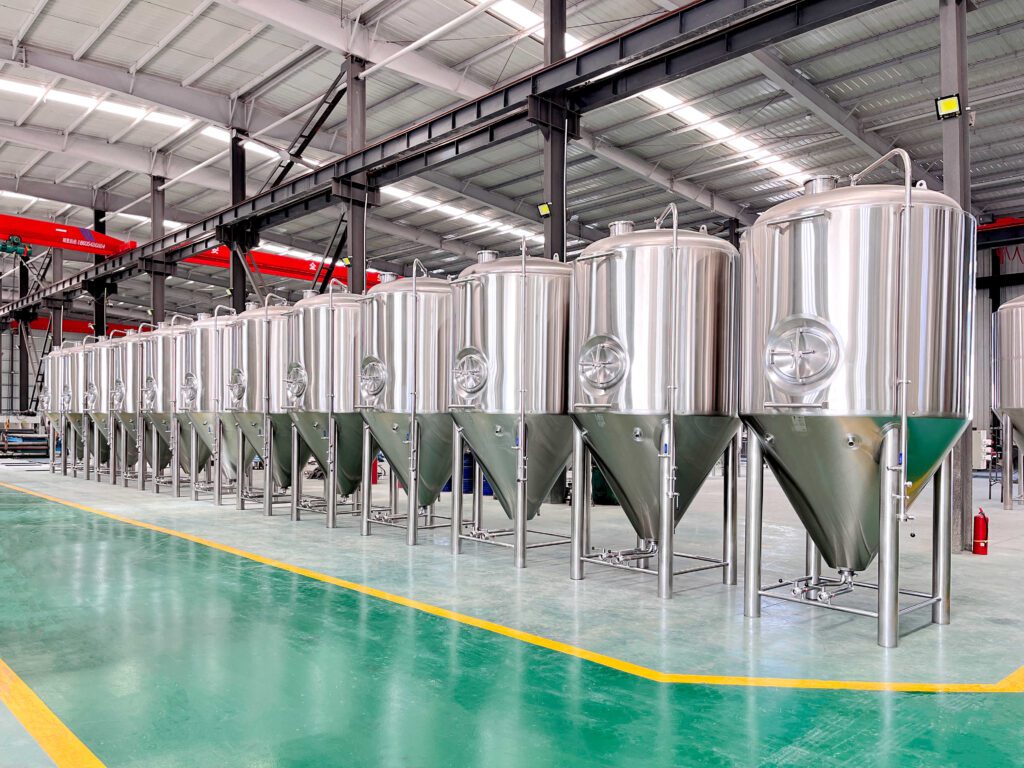
Used Fermentation Tanks
Cost-effective refurbished fermenters ready for brewing, conditioning, and temperature-controlled fermentation
- 3–5 bbl / 10 bbl / 20 bbl / 40 bbl sizes available
- Fully CIP-cleaned and sanitized
- Jacketed, insulated, pressure-tested
- Ready to ship worldwide
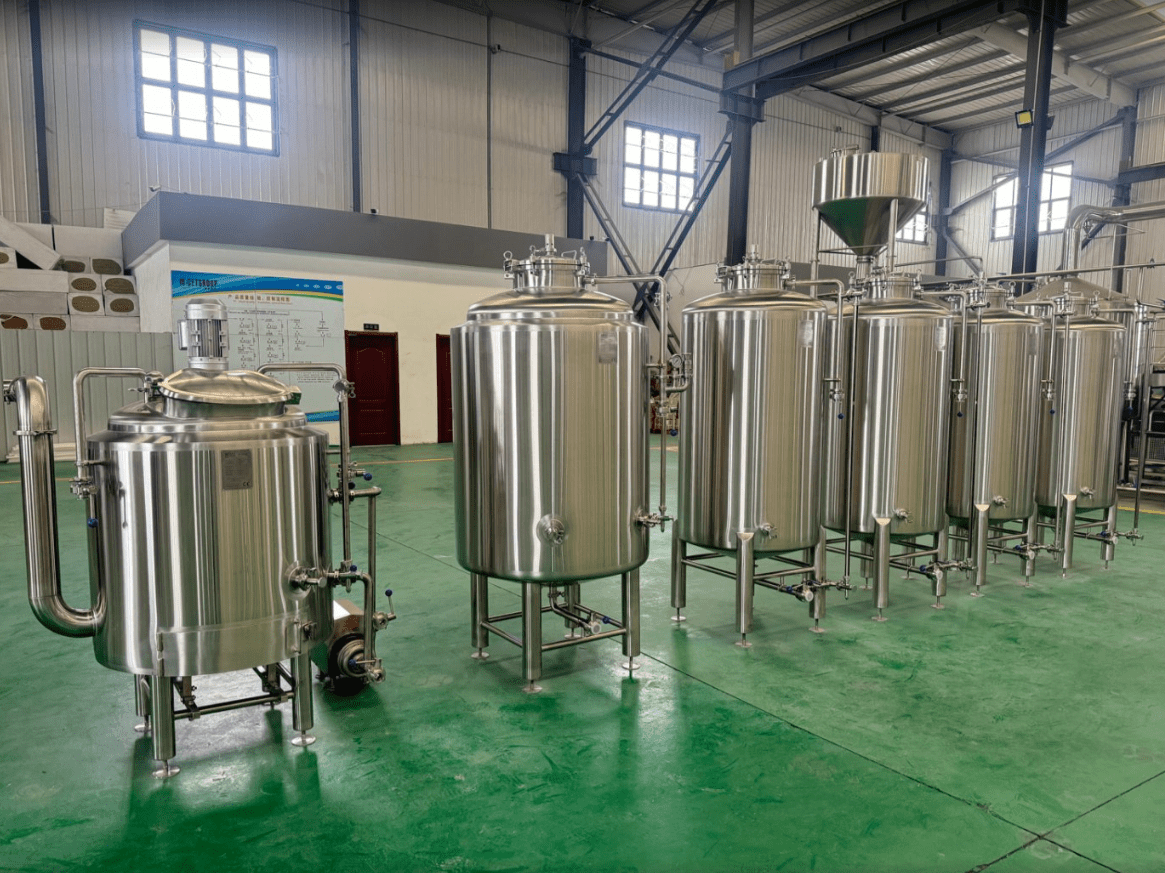
Kombucha Brouwapparatuur
Reliable kombucha fermenting and processing tanks upgraded for tea fermentation and continuous brewing
- Fermenters & brite tanks for kombucha
- Sugar dissolving and mixing system
- Includes yeast brink and pumps
- For tea fermentation and continuous brewing
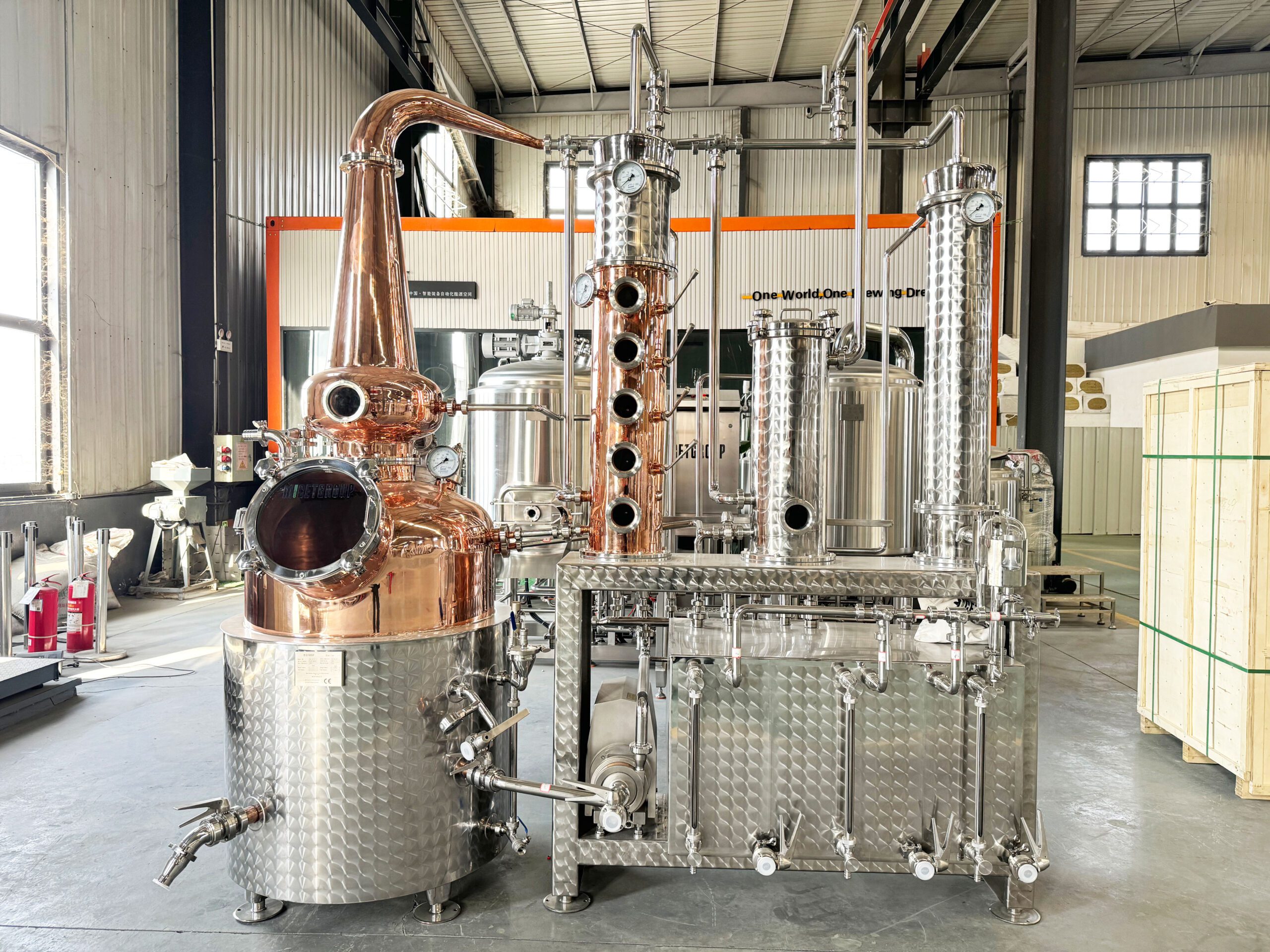
Destillatieapparatuur
Save 40–60% on your investment with high-quality new winery tanks, presses, pumps and filtration systems for wineries, juice plants and co-packers.
- Process & Technical Design
- Distillery Equipment Manufacturing
- CAD & 3D distillery layout design
- Installation & Commissioning
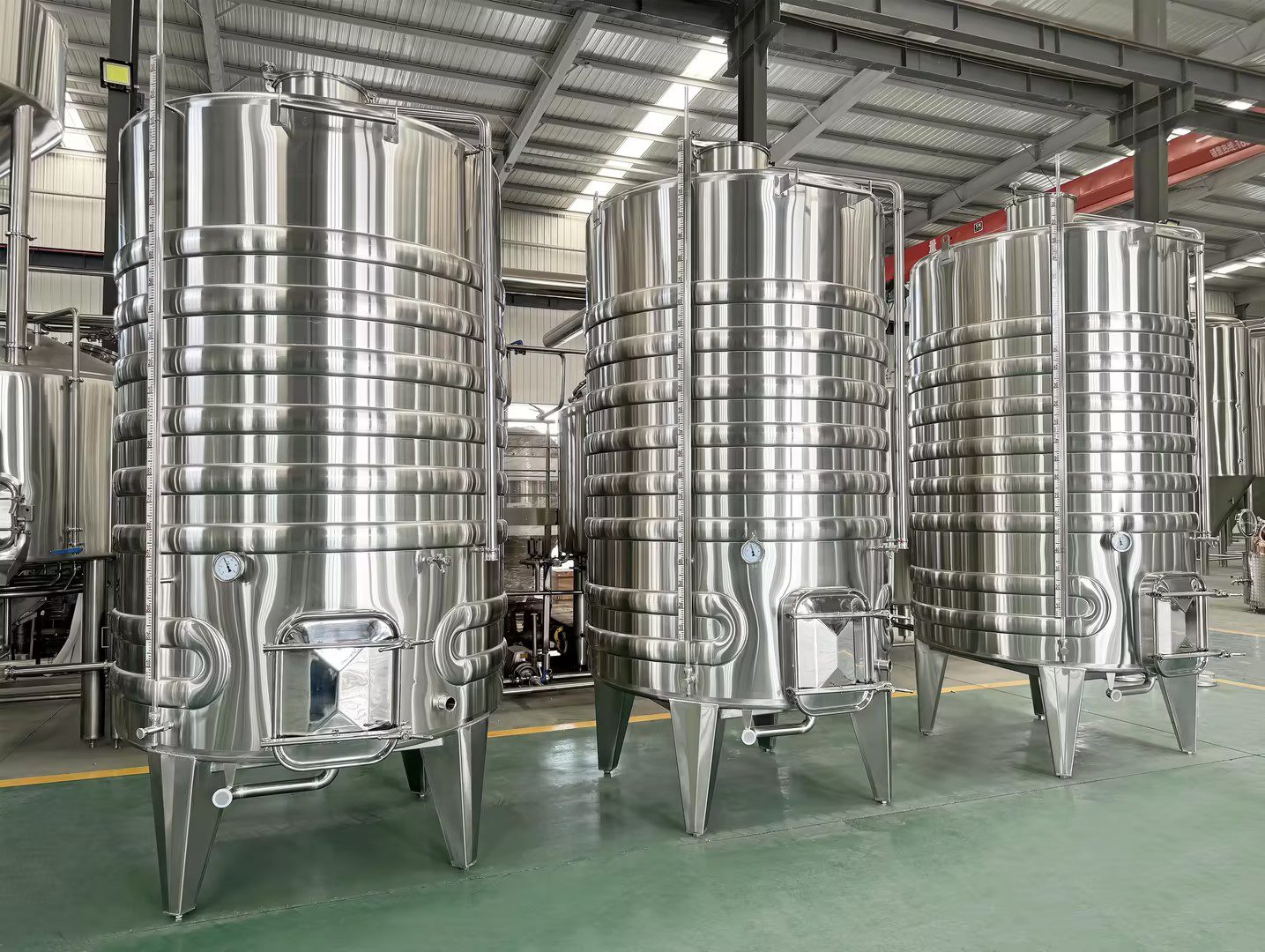
Wijn Fermentatietank
Our Wijnbouwapparatuur is rebuilt to modern design & technical standards, using food-grade stainless steel, hygienic internal finishes and CIP-friendly layouts,
- Mash Cookers & Kettles
- Distillery Fermentation Tanks
- Pot Stills & Hybrid Stills
- Column Stills
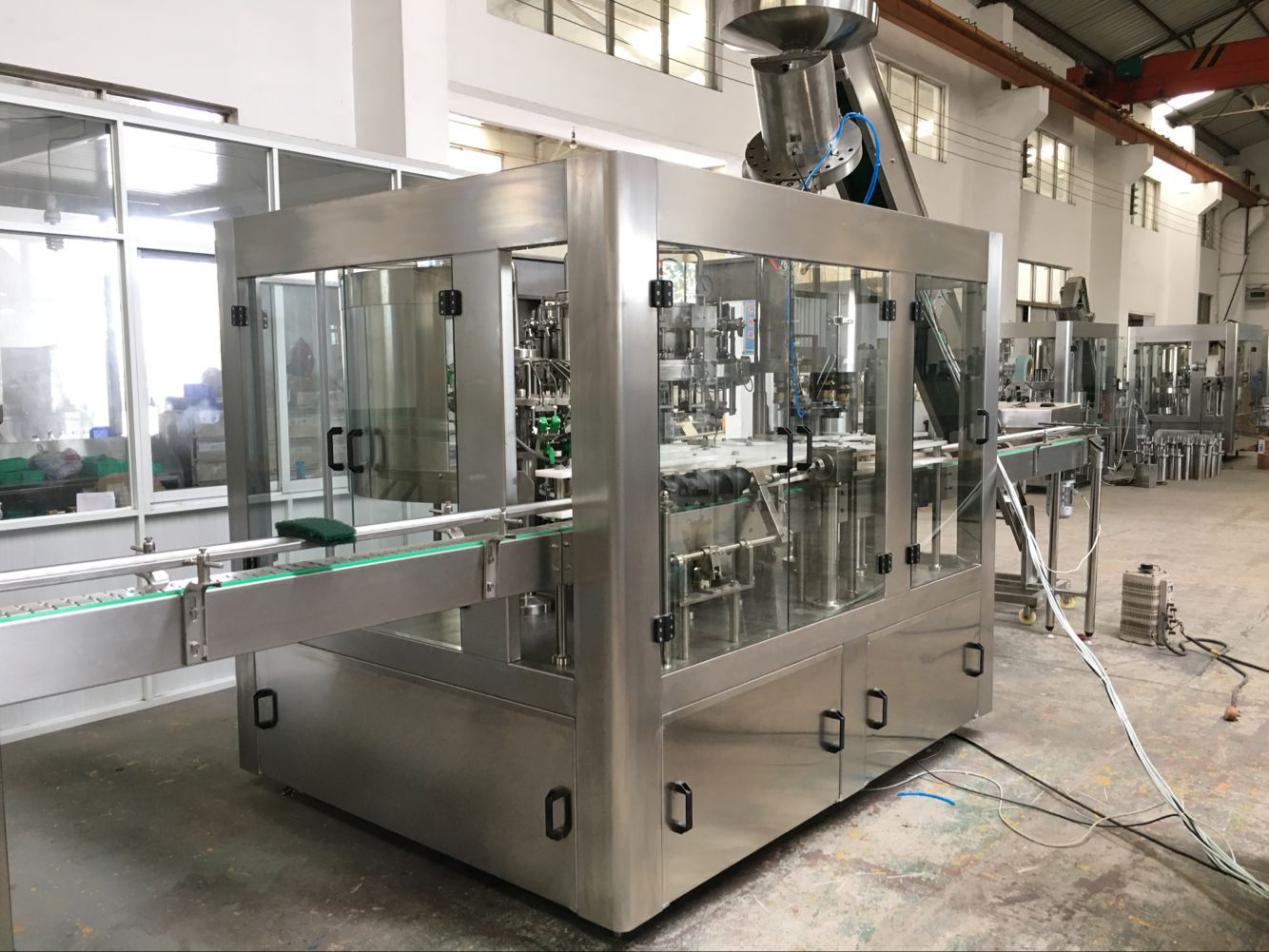
Verpakkingsapparatuur
Our Wijnbouwapparatuur is rebuilt to modern design & technical standards, using food-grade stainless steel, hygienic internal finishes and CIP-friendly layouts
- Bottle Packaging Lines
- Can Packaging Lines
- Keg Filling & Cleaning Systems
- Plastic Bottle Filling, Capping & Sealing Integrated
Hybrid New & Used Brewing Solutions – Smarter Investment for Your Project
Not every project has to be 100% used or 100% new. We design hybrid new & used brewery equipment solutions that combine refurbished brewhouses, tanks and support systems with new PLC control, CIP, valves and utilities. This approach helps breweries, kombucha producers and distilleries launch or expand with lower CAPEX while keeping critical process steps modern, safe and easy to upgrade.
Tell us about your project and our engineers will design a hybrid new + used solution just for you.
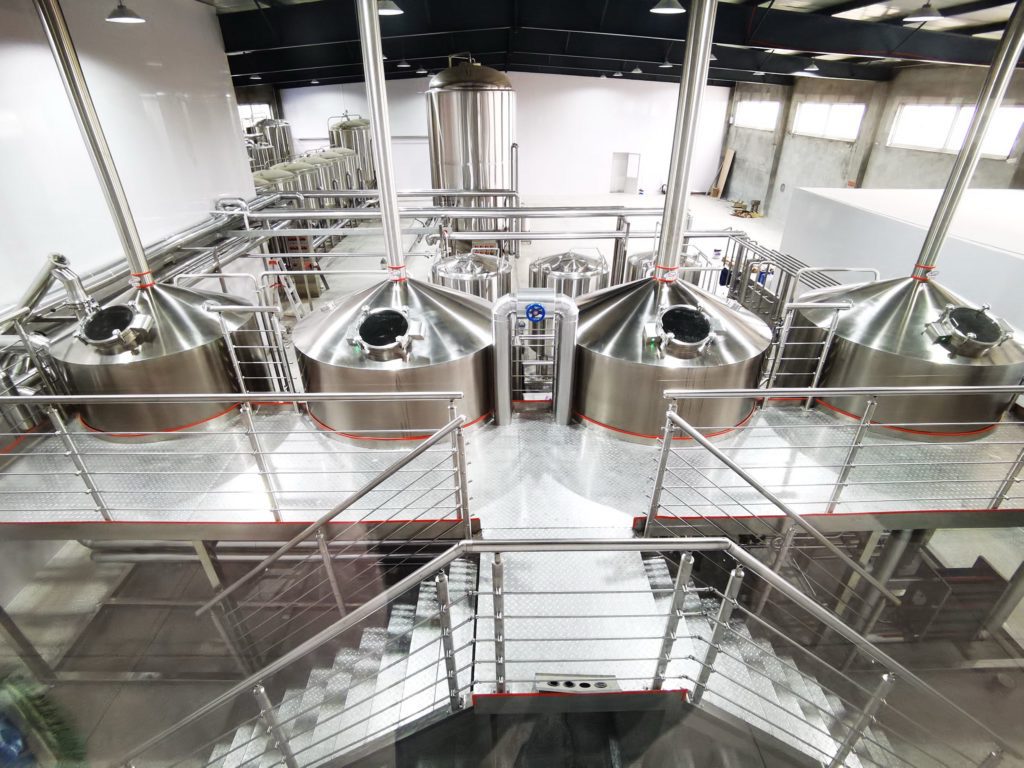
One-Stop Turnkey Brewery Solutions
Beyond individual used tanks, Micet also provides complete turnkey brewing solutions, including:
-
Brewery layout planning
-
P&ID Process flow design
-
Equipment matching and optimization
-
Electrical & piping diagram
-
On-site installation and commissioning
-
Operation training service
-
Ongoing maintenance and upgrades
Micet engineers support breweries of all sizes—commercial, microbrewery, craft pubs, kombucha plants, and pilot production labs.
Micet Company Strength
Micet delivers proven reliability with a 10,000+ m² certified facility, expert engineering support, and the trust of 1,000+ breweries worldwide.
Team
There are different teams of design, production, installation and electric automatization in our company, and turnkey project service also can be provided.
Experience
We are experienced in manufacturing stainless steel vessels for more than 22 years, especially in craft beer brewing equipment.
Customization
The strong professional R&D and production team can provide and produce the Craft Beer Equipment according to the drawings or samples offered by customers.
Professional
Professional order management system ensures us delivery on time, and good quality with QC & QA.

Micet Company Strength
Micet delivers proven reliability with a 10,000+ m² certified facility, expert engineering support, and the trust of 1,000+ breweries worldwide.
Team
There are different teams of design, production, installation and electric automatization in our company, and turnkey project service also can be provided.
Experience
We are experienced in manufacturing stainless steel vessels for more than 22 years, especially in craft beer brewing equipment.
Customization
The strong professional R&D and production team can provide and produce the Craft Beer Equipment according to the drawings or samples offered by customers.
Professional
Professional order management system ensures us delivery on time, and good quality with QC & QA.
How Our Used Equipment Program Works
Our used equipment program ensures every tank and system is inspected, refurbished, tested, and prepared for reliable production, giving you factory-verified quality at a lower investment.
Sourcing
Partner breweries upgrade systems through Micet
Inspection
Professional factory inspection checklist
Refurbish
Re-polish, replace parts, pressure test
Certification
Sanitary and safety compliance
List & Sell
Transparent specs, photos, videos
Ship Worldwide
Export-ready packaging
Real Project Cases & On-Site Photos
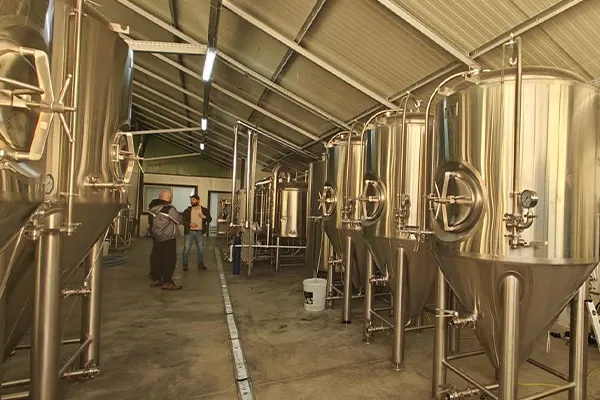
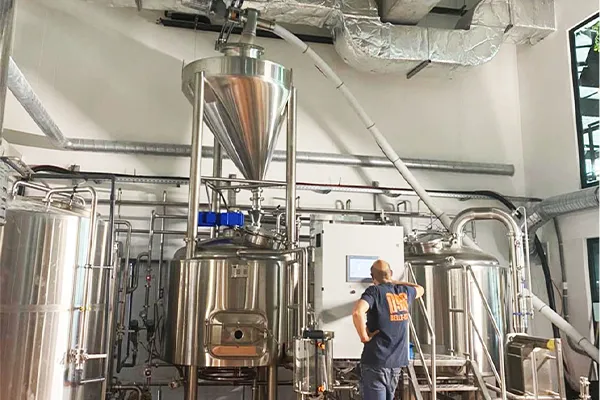
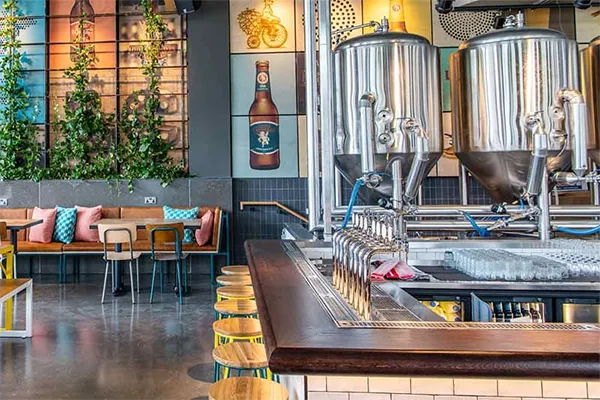
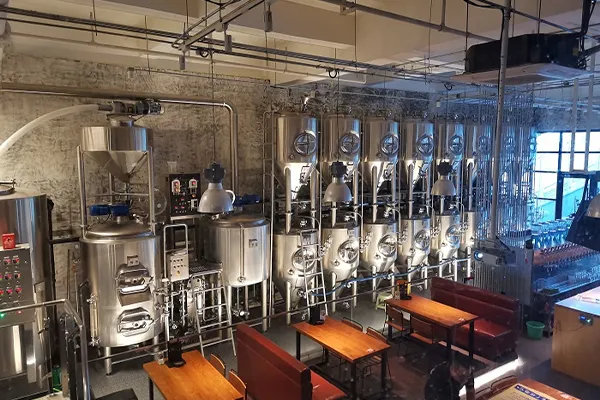
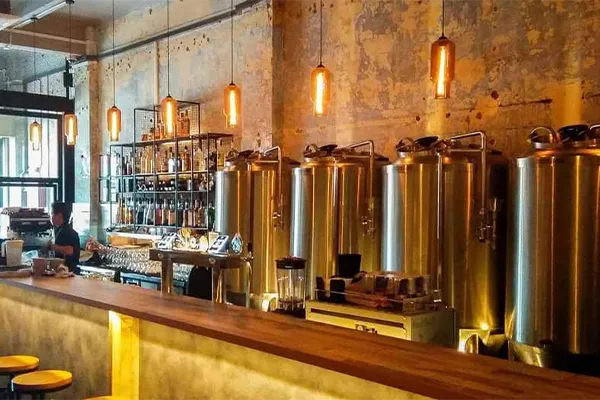
Our used brewery equipment is already working in brewpubs, microbreweries and regional breweries in many countries. Below you can see real installation photos, brewhouse layouts and cellar setups, so you know exactly what to expect in your own project.
Customer Cases
MICET has performed actual installations in more than 100 countries—customized brewery, kombucha, distillery, winery systems, fermentation tanks, and stainless steel tanks.
Explore how we design, manufacture, install, and support turnkey projects from nano to commercial scale.

Gebruikte 500L Fermentatietank Te Koop
As the global craft beer industry continues to grow, many breweries are looking for reliable and affordable equipment to expand production while controlling investment costs. A high-quality used fermentation tank can be an excellent choice, offering professional performance at a significantly lower price than new equipment.
We currently have a well-maintained used 500L stainless steel fermentation tank available for sale. This tank has been professionally inspected, cleaned, and tested to ensure stable operation and excellent brewing performance. It is ideal for craft breweries, brewpubs, pilot brewing projects, beverage startups, and expanding production facilities.
Product Overview
The used 500L fermentation tank is one of the most popular sizes in the craft brewing industry. It provides the perfect balance between production flexibility and investment efficiency. Whether you are launching a new brewery or adding extra fermentation capacity, this tank can meet your requirements.
Manufactured from food-grade stainless steel, the tank is designed according to sanitary standards and is suitable for beer fermentation, cider production, kombucha fermentation, and other beverage applications.
Main Features
- Capacity: 500 Liters
- Material: Food-grade
- SUS304 Stainless Steel
- Double-Wall Construction with Glycol Cooling Jacket
- PU Insulation for Temperature Stability
- CIP Cleaning Spray Ball Included
- Pressure Gauge and Sampling Valve
- Adjustable Stainless Steel Legs
- Top or Side Manway Configuration
- Safety Pressure Relief Valve
- Mirror-Polished Interior Surface
Advantages of Choosing Used Equipment
Significant Cost Savings
Purchasing a used fermentation tank can reduce equipment investment by 30% to 60% compared with buying a new unit. This allows breweries to allocate more budget toward raw materials, packaging, marketing, or additional production equipment.
Faster Delivery
Unlike new equipment that may require several weeks or months of manufacturing time, used tanks are generally available for immediate shipment, helping breweries start production sooner and reduce waiting time.
Proven Performance
This tank has already been used in a production environment and has demonstrated reliable operational performance. After professional inspection and refurbishment, it is ready for continued service.
Sustainable Choice
Reusing brewing equipment contributes to environmental sustainability by extending equipment life cycles and reducing industrial waste.
Suitable Applications
De gebruikte 500L fermentatietank is suitable for:
- Ambachtelijke brouwerijen
- Brewpubs
- Pilot Brewing Systems
- Cider Production
- Kombucha Production
- Distillery Fermentation
- Beverage Research and
- Development Facilities
Equipment Condition
All used equipment offered by our company undergoes a comprehensive inspection process before sale. We carefully evaluate tank integrity, welding quality, cooling jacket condition, valves, fittings, and overall appearance.
The tank is thoroughly cleaned, pressure-tested, and prepared for shipment to ensure customers receive equipment that is ready for installation and operation.
Photos, videos, and detailed inspection reports can be provided upon request.
Neem contact met ons op
If you are looking for a reliable and affordable used 500L fermentation tank, this unit represents an excellent opportunity to expand your brewery at a competitive cost.
Contact us today for pricing, photos, videos, and shipping information. Our team will be happy to provide a customized quotation and help you select the right equipment for your brewing project.

Hoogwaardig Gebruikt 500L Ambachtelijk Bierbrouwmateriaal te koop
Voor brouwerijen, brewpubs, restaurants en ambachtelijke bierstarters die hun productie willen uitbreiden en tegelijk hun investeringskosten onder controle willen houden, biedt dit gebruikte 500L brouwsysteem voor ambachtelijk bier een uitstekende balans tussen prestaties, betrouwbaarheid en betaalbaarheid. De complete brouwerij is professioneel onderhouden en blijft in goede staat, waardoor het een ideale oplossing is voor commerciële bierproductie.
Complete gebruikte 500L brouwsysteemconfiguratie
|
Naam apparatuur |
Specificatie |
|
Maischketel |
500L |
|
Lauter & Whirlpool Tun |
500L |
|
Gistingstank |
500L |
|
Glycol watertank |
1000L |
|
Glycol koelmachine |
5 PK |
|
Elektrische stoomketel |
50 kg/u |
|
Moutmolen |
150 kg/u |
|
CIP Reinigingswagen |
Mobiel roestvrij staal |
|
Elektrische schakelkast |
Compleet besturingssysteem |
Het systeem is ontworpen als een brouwinstallatie met twee ketels, waardoor een efficiënte wortproductie wordt verkregen terwijl het benodigde vloeroppervlak tot een minimum wordt beperkt.
Efficiënte brouwcapaciteit
De 500L brouwinstallatie is geschikt voor de productie van een breed gamma ambachtelijke bierstijlen, waaronder IPA, Pale Ale, Lager, Stout, Wheat Beer en seizoensgebonden speciaalbieren.
Met zes 500L fermentatietanks, kunnen brouwers meerdere bierrecepten tegelijk beheren, waardoor de productieflexibiliteit verbetert en de totale output van de brouwerij toeneemt. Afhankelijk van het fermentatieschema en de brouwfrequentie kan het systeem enkele duizenden liters bier per maand produceren, waardoor het geschikt is voor kleine commerciële brouwerijen en groeiende ambachtelijke bierbedrijven.
Betrouwbare koeling en temperatuurregeling
De brouwerij bevat een 1000L glycolwatertank in combinatie met een 5HP glycolkoelmachine, die stabiele koelprestaties levert voor fermentatie- en bierconditioneringsprocessen. Een nauwkeurige temperatuurregeling helpt om de bierkwaliteit en -consistentie tijdens de productie te behouden.
De meegeleverde elektrische boiler van 50 kg levert de benodigde stoom en warmte-energie voor het maischen en de wortproductie, zodat er efficiënt gebrouwen kan worden.
Gemakkelijk schoonmaken en onderhouden
Met een speciale CIP-reinigingswagen kunnen brouwers tanks en pijpleidingen efficiënt reinigen, waardoor er minder werk nodig is en de hygiënenormen worden verbeterd. Een goede reiniging is essentieel om de bierkwaliteit te behouden en de levensduur van de apparatuur te verlengen.
De roestvrijstalen constructie biedt een uitstekende corrosiebestendigheid, duurzaamheid en voldoet aan de vereisten voor brouwen met voedingsmiddelen.
Ideaal voor verschillende brouwerijen
Dit gebruikte 500L brouwsysteem is geschikt voor:
- Ambachtelijke brouwerijen
- Brewpubs
- Restaurant Brouwerijen
- Tapperijen
- Proefbrouwinstallaties
- Contractbrouwprojecten
- Uitbreidingsprogramma's voor brouwerijen
Of je nu een nieuwe brouwerij opstart of je bestaande productiecapaciteit uitbreidt, dit systeem biedt een kosteneffectief alternatief voor de aankoop van nieuwe apparatuur.
Voordelen van het kopen van gebruikte brouwapparatuur
In vergelijking met nieuwe brouwapparatuur bieden gebruikte brouwsystemen verschillende voordelen:
- Lagere initiële investering
- Snellere levering en installatie
- Bewezen operationele prestaties
- Lagere opstartkosten voor projecten
- Hoger rendement op investering
Veel succesvolle ambachtelijke brouwerijen beginnen of breiden hun activiteiten uit met kwalitatief hoogstaande tweedehands brouwapparatuur om de groei van het bedrijf te versnellen met behoud van budgettaire flexibiliteit.
Neem contact met ons op
Als je op zoek bent naar een betrouwbaar tweedehands 500L brouwsysteem voor ambachtelijk bier, dan is dit complete brouwerijpakket klaar om je productiebehoeften te ondersteunen. Neem vandaag nog contact met ons op voor gedetailleerde foto's, technische specificaties, rapporten over de staat van de apparatuur, prijsinformatie en wereldwijde verzendoplossingen.
We kunnen ook het ontwerp van de brouwerij lay-out, begeleiding bij de installatie, ondersteuning bij de inbedrijfstelling en technische bijstand na verkoop leveren, zodat je snel en efficiënt kunt beginnen met brouwen.

Welke distilleerapparatuur wordt gebruikt om sterke drank te distilleren? Een complete gids voor commerciële distilleerapparatuur
Een distilleerderij beginnen zonder de juiste apparatuur kan leiden tot verspilling van grondstoffen, verminderde kwaliteit van de drank en ernstige veiligheidsrisico's. Voor distillatie is meer nodig dan een distilleerketel. Een complete distilleerderij heeft apparatuur nodig voor fermentatie, verwarming, dampbeheersing, condensatie, opslag, reiniging, testen en verpakken.
Een distilleerderij maakt meestal gebruik van maischapparatuur, een maischketel, fermentor, distilleerketel of distilleerketel, condensor, refluxsysteem, ontvangsttank, opslagtanks, filtratieapparatuur, proefdrukapparatuur, CIP-reinigingsapparatuur, pompen, kleppen, leidingen en bottelapparatuur. Commercieel distilleren vereist ook veiligheidscontroles, ventilatie, temperatuurregeling, hygiënisch ontwerp en naleving van de wetgeving.

Samenvatting
Distilleerapparatuur bestaat niet alleen uit de distilleerketel. Een compleet systeem omvat de bereiding van het beslag, de fermentatie, destillatie, condensatie, het verzamelen van de drank, opslag, filtratie, proofing, reiniging en verpakking.
Destillatie scheidt vloeibare mengsels door dampgedrag en condenseert de damp vervolgens weer tot een vloeibaar destillaat.
In de Verenigde Staten mag een gedistilleerdbedrijf gedistilleerde dranken zoals wodka, whiskey, gin, brandy, rum en likeuren produceren, bottelen, verwerken, rectificeren of opslaan, maar goedkeuring en naleving zijn vereist.
Voor het hanteren van ethanoldampen en brandbare vloeistoffen zijn strenge technische maatregelen nodig, waaronder het beheersen van de vrijkomende damp en het elimineren van ontstekingsbronnen.
Contact met koper wordt vaak gebruikt bij het distilleren van whisky omdat koperen oppervlakken kunnen helpen bij het verminderen van zwavelverbindingen bij de productie van sterke drank, hoewel het effect afhangt van het ontwerp van de distilleerketel en het contactoppervlak.
De juiste destillatieapparatuur hangt af van het type gedistilleerde drank, de grootte van de batch, de verwarmingsmethode, hygiënevereisten, lokale regelgeving en de grootte van je bedrijf.
Artikel schets
Welke apparatuur wordt er gebruikt in een distilleerderij?
Wat doet een distilleerketel in het distillatieproces?
Pot distilleerketel vs. kolom distilleerketel: welke distillatieapparatuur is de juiste?
Waarom zijn maischketel, fermentatietank en fermentor belangrijk?
Welke invloed hebben condensor, damppad en reflux op de kwaliteit van het destillaat?
Welke opslagtanks, dichtingsgereedschappen en filtratieapparatuur zijn er nodig?
Welke reinigingsapparatuur ondersteunt de hygiëne in een distilleerderij?
Welke apparatuur is er nodig voor whisky, wodka, gin, brandy en etherische oliën?
Met welke veiligheids- en nalevingsapparatuur moet bij commerciële distilleerprojecten rekening worden gehouden?
Hoe moeten B2B-kopers apparatuur voor commerciële distilleerderijen kiezen?
Welke apparatuur wordt gebruikt in een distilleerderij?
De basisuitrusting in elke distilleerderij omvat gereedschap voor het hanteren van grondstoffen, maischapparatuur, fermentatietanks, Het systeem bestaat uit een distilleerketel, een condensor, een opvangtank, opslagtanks, pompen, kleppen, leidingen, reinigingsapparatuur, testgereedschap en verpakkingsapparatuur. Het exacte systeem hangt af van de vraag of de distilleerder whisky, wodka, gin, brandy, rum, neutrale gedistilleerde dranken of andere gedistilleerde dranken maakt.
Een eenvoudige distilleerstroom ziet er als volgt uit:
| Procesfase | Belangrijkste gebruikte apparatuur |
|---|---|
| Bereiding van ruwe ingrediënten | Graanmolen, fruitvergruizer, suiker mengtank, waterbehandeling |
| Bereiding van het beslag | Mashkuip, kooktoestel, roerwerk, verwarmingssysteem |
| Gisting | Fermentor, koelmantel, gistverwerking, temperatuurregeling |
| Destillatie | Pot distilleerketel, kolom distilleerketel, verwarmingssysteem, terugvloeisysteem |
| Condensatie | Condensor, koelwatersysteem, destillaatuitlaat |
| Collectie | Ontvanger voor gedistilleerde dranken, alcoholpijpleiding, hydrometer, testgereedschap |
| Veroudering of opslag | Roestvrijstalen opslagtanks, vaten, mengtanks |
| Filtratie | Goed filtratiesysteem, actieve koolfilters waar geschikt |
| Schoonmaken | CIP-pomp, sproeibollen, reinigingstanks, sanitaire leidingen |
| Verpakking | Handmatige bottellijn, vulmachine, kurkentrekker, capper, etiketteermachine |
Voor commerciële projecten raad ik niet aan om de apparatuur stuk voor stuk te kiezen zonder een productieplan. Bij het destilleren van alcohol komen warmte, ethanoldamp, druk, koeling, reiniging en regulering kijken. De apparatuur moet worden gepland als één systeem.
Als professionele brouwerij, distilleerderij, wijnmakerij, kombucha en fabrikant van drankapparatuur beginnen we meestal met de vraag: Welke drank wil je distilleren, welke batchgrootte heb je nodig en hoe wordt het product verpakt of gerijpt? Deze antwoorden vormen het hele systeem.
Wat doet een distilleerketel in het destillatieproces?
Een distilleerketel is de belangrijkste destillatieapparatuur die wordt gebruikt om gefermenteerde vloeistof te verhitten en alcoholdamp van het mengsel te scheiden. Tijdens het distilleren scheiden componenten met verschillend dampgedrag zich af als de vloeistof wordt verhit. De damp stroomt door het distilleersysteem, gaat een condensor in, koelt af en keert terug in vloeibare vorm als distillaat.
Bij de productie van gedistilleerde dranken maakt de distilleerketel zelf geen alcohol. Alcohol ontstaat door fermentatie, waarbij gist vergistbare suikers omzet in ethanol. De distilleerketel concentreert en scheidt vervolgens de alcohol en smaakstoffen uit het gegiste waswater, de wijn, het beslag of de bierachtige vloeistof.
Een distilleerder controleert verschillende factoren tijdens het distilleerproces:
- Opwarmsnelheid
- Damp pad
- Contact van koper of roestvrij staal
- Refluxniveau
- Condensor efficiëntie
- Verzamelmethode
- Snijpunten
- Koelwaterstroom
- Product bewijs doel
Een kleine verandering in het ontwerp van de distilleerketel kan de smaak, opbrengst en werkefficiëntie veranderen. Een hoge hals kan meer terugvloeiing creëren. Een traditionele distilleerketel kan een zwaardere smaak behouden. Een kolom distilleerketel kan schonere, lichtere spirit produceren. De juiste keuze hangt af van de stijl van de gedistilleerde drank.

Pot-stilleerapparaat vs. kolom-stilleerapparaat: welke destillatieapparatuur is de juiste?
Een pot still wordt vaak gebruikt voor smaakvolle batchdistillatie. Hij wordt vaak gekozen voor het distilleren van whisky, brandy, rum en ambachtelijke sterke dranken waarbij aroma en body belangrijk zijn. Een traditionele distilleerketel heeft meestal een pot, een kop of helm, een lyne-arm, een condensor en een opvangopening.
Een kolom distilleertoestel maakt gebruik van platen of pakkingen om herhaaldelijk damp-vloeistof contact in de kolom te creëren. Dit zorgt voor een betere scheiding en kan een spirit met een hoger bewijs produceren. Kolombatterijsystemen worden vaak gebruikt voor wodka, basis-eau-de-vie van gin, neutrale eau-de-vie en bewerkingen waarbij meer controle nodig is over zuiverheid en bewijs.
| Type apparatuur | Belangrijkste kracht | Algemeen gebruik |
|---|---|---|
| Pot nog steeds | Rijkere smaak, batchcontrole, traditioneel karakter | Whisky, brandy, rum, ambachtelijke sterke dranken |
| Kolom nog steeds | Hoger bewijs, schonere scheiding, meer refluxcontrole | Wodka, gin basis, neutrale alcohol |
| Hybride nog steeds | Combineert pot- en kolomfuncties | Ambachtelijke distilleerderijen met meerdere producten |
| Terugvloeikolom | Betere scheiding en schonere uitvoer | Wodka of sterke drank |
| Botanische jenever | Voegt opties voor damp- of vloeistoftoevoeging toe | Gin en smaakstoffen |
De afweging is eenvoudig. Een distilleerketel geeft vaak meer karakter, maar heeft meer tijd en meer snijbewerkingen nodig. Een kolom distilleerketel geeft meer controle en een hogere proefdruk, maar kan wat zwaardere smaken verwijderen. Voor een distilleerderij met meerdere producten kan een hybride pot-kolomsysteem praktisch zijn.
Waarom zijn Mash Tun, Fermentation Tank en Fermenter belangrijk?
Voordat een distilleerderij kan distilleren, heeft het fermenteerbare alcohol nodig. Voor gedistilleerde dranken op basis van graan begint het proces vaak met malen en maischen. Een beslagkuip of kookketel mengt graan en water onder gecontroleerde temperatuur en vermenging. Dit helpt om zetmeel om te zetten in vergistbare suikers, afhankelijk van de grondstoffen en het recept.
Na het maischen gaat de vloeistof naar een fermentor. Gist wordt toegevoegd en de fermentatie begint. De fermentor moet geschikt zijn voor temperatuurregeling, reiniging, veilige overheveling en het juiste werkvolume. Voor vruchten-eau-de-vie of brandy kan de fermentatie beginnen met sap of gemalen fruit in plaats van met graanmaisch.
Een commerciële fermentor zou dat moeten zijn:
- Gemaakt van roestvrij staal of geschikt voedselveilig materiaal
- Gemakkelijk schoon te maken
- Ontworpen met sanitaire kleppen
- Afmetingen voor de batchplanning
- Uitgerust met temperatuurregelmechanismen
- Compatibel met CIP-reiniging waar nodig
- Gebouwd met veilige toegang en afvoerpunten
Als de fermentatie instabiel is, kan distillatie niet alles oplossen. Een slechte fermentatie kan leiden tot bijsmaken, een lage alcoholopbrengst, microbiële problemen of een inconsistent distillaat. Goede sterke drank begint voor de distilleerketel.
Hoe beïnvloeden condensor, damppad en terugloop de destillaatkwaliteit?
De condensor koelt de alcoholdamp af en verandert deze terug in vloeibaar destillaat. Zonder een goede condensor kan de damp niet volledig condenseren, wordt de verzameling onstabiel en neemt het veiligheidsrisico toe. Het ontwerp van de condensor moet zijn afgestemd op de grootte van de distilleerketel, het verwarmingsvermogen, de koelwatertoevoer en de verwachte dampstroom.
Het damptraject is ook van belang. Damp kan door koper, roestvrij staal, een helm, een zwanenhals, een kolom, platen, pakking of een refluxsectie gaan. Meer reflux betekent dat sommige damp condenseert en terugkeert naar de distilleerkolf of kolom voordat hij wordt opgevangen. Dit herhaalde contact kan de gedistilleerde drank schoner en sterker maken.
Koper verdient speciale aandacht. Onderzoek naar zwavelverbindingen in whiskey's heeft aangetoond dat koperen oppervlakken zwavelverbindingen verwijderen, hoewel de chemie complex is en niet elke koperen positie hetzelfde effect heeft.
Voor whisky, brandy en sommige ambachtelijke gedistilleerde dranken kan contact met koper helpen om het aroma vorm te geven. Voor wodka of gin kunnen roestvaststalen systemen met koperen secties worden gebruikt, afhankelijk van de gewenste spiritstijl. Het beste ontwerp is niet standaard “volledig koper” of “volledig roestvrij”. Het moet passen bij de doelstellingen voor productkwaliteit en opbrengst.
Welke opslagtanks, testapparatuur en filtratieapparatuur zijn er nodig?
Na distillatie moet het distillaat mogelijk tijdelijk worden bewaard, moet de proefdruk worden aangepast, moet het worden gemengd, gefilterd, verouderd of gebotteld. Opslagtanks worden gebruikt voor het verzamelen van gedistilleerde dranken, mengen, verdunnen, rusten of bulkopslag. Ze zijn meestal gemaakt van roestvrij staal en voorzien van sanitaire kleppen, niveau-indicatoren, ontluchters, mangaten en reinigingsaansluitingen.
Proofing tools helpen de distilleerder om het alcoholgehalte te controleren. Een hydrometer of alcoholmeter wordt gebruikt om bewijs of ABV te meten, meestal met temperatuurcorrectie. Professionele distilleerders kunnen ook laboratoriumtests gebruiken om de nauwkeurigheid te controleren, vooral met het oog op belasting, etikettering en naleving.
Filtratie hangt af van de gedistilleerde drank. Voor wodka kunnen actieve koolfilters worden gebruikt om de helderheid en zachtheid te verbeteren. Gin moet mogelijk botanische deeltjes verwijderen. Brandy en whisky hebben misschien minder filtratie nodig als smaakbehoud het doel is. Een goed filtratiesysteem zou de productkwaliteit moeten verbeteren zonder het gewenste karakter te strippen.
| Uitrusting | Doel |
|---|---|
| Ontvanger | Verzamelt destillaat van condensor |
| Opslagtank | Houdt alcohol vast voordat het wordt gemengd of verpakt |
| Vochtbestendige tank | Ondersteunt verdunning en proefafstelling |
| Hydrometer / alcoholmeter | Controleert het alcoholgehalte |
| Actieve koolstoffilters | Gebruikelijk voor wodka polijsten |
| Patroon- of plaatfiltratie | Verwijdert deeltjes voor het bottelen |
| Mengtank | Mengt batches of past de smaak aan |
| Handmatige bottellijn | Geschikt voor kleine ambachtelijke productie |
Welke reinigingsapparatuur ondersteunt de hygiëne in een distilleerderij?
Hygiëne in een distilleerderij heeft invloed op smaak, veiligheid en productie-efficiëntie. Reinigingsapparatuur kan bestaan uit CIP-systemen, Spuitkogels, reinigingspompen, chemicaliëntanks, slangen, afvoersystemen en sanitair. CIP betekent reinigen op zijn plaats. Hiermee kunnen tanks en leidingen worden gereinigd zonder volledige demontage.
Het reinigen van een distilleerderij is anders dan eenvoudigweg spoelen. Beslagresten, gist, fruitpulp, suikerafzettingen, botanische oliën en minerale aanslag kunnen zich ophopen in de apparatuur. Als deze resten in het systeem achterblijven, kunnen ze de volgende batch beïnvloeden.
Een goed ontworpen reinigingsset-up moet ondersteuning bieden:
- Veilige chemische circulatie
- Gemakkelijke afvoer
- Geen dode hoeken
- Gladde interne oppervlakken
- Toegankelijke kleppen
- Verwijderbare filters waar nodig
- Regelmatige inspectie
- Gedocumenteerde reinigingsstappen
Voor B2B-kopers is dit een van de grootste verschillen tussen goedkope apparatuur en professionele distilleerapparatuur. Een distilleerketel of tank die moeilijk schoon te maken is, wordt duur door stilstand, arbeid en kwaliteitsproblemen.
Welke apparatuur is er nodig voor whisky, wodka, gin, brandy en essentiële oliën?
Verschillende producten hebben verschillende distilleerapparatuur nodig. Bij het distilleren van whiskey wordt vaak gebruikgemaakt van beslagkoken en fermentatietanks, pottenbakkers of hybride distilleerketels, condensors, receivers, vaten en opslagruimtes. Brandy moet fruit verwerken, fermenteren, distilleren en vaak rijpen.
Voor wodka of gin is een ander plan nodig. Wodka heeft meestal een schonere, hoger-proof spirit nodig, dus kan kolomdestillatie, refluxcontrole, proofing en filtratie belangrijker zijn. Gin kan botanische aroma's nodig hebben, wat kan gebeuren door maceratie, dampinfusie of een ginmandje, afhankelijk van de stijl van de distilleerder.
Etherische oliën zijn geen alcoholische dranken, maar sommige apparatuurprincipes overlappen. Bij de destillatie van etherische oliën wordt vaak gebruik gemaakt van stoomdestillatie, korven met plantaardig materiaal, condensors, olie-/waterscheiders en roestvrijstalen vaten. Bij het ontwerp ligt de nadruk op het vastleggen van aroma's, het hanteren van plantaardig materiaal en scheiding.
| Product | Gemeenschappelijke apparatuur Focus |
|---|---|
| Whisky | Mashketel, fermentor, distilleerketel, condensor, vatveroudering |
| Wodka | Kolombatterij, reflux, filtratie, proeftank |
| Gin | Neutraal gedistilleerd systeem, botanische mand, aromaregeling |
| Brandy | Fruitgisting, distilleerketel, opslagtanks |
| Rum | Melasseverwerking, fermentatie, destillatie in pot of kolom |
| Etherische oliën | Stoomgenerator, installatiekorf, condensor, afscheider |
Een distilleersysteem van 1000 liter kan geschikt zijn voor een groeiende ambachtelijke distilleerderij, maar grootte alleen is niet genoeg. De verwarmingsmethode, condensorcapaciteit, kolomontwerp, reinigingstoegang en nutsvoorzieningen in het gebouw moeten passen bij het product.
Welke veiligheids- en nalevingsapparatuur moet worden overwogen bij commerciële distilleerprojecten?
Bij commerciële distillatie komen brandbare vloeistoffen en ethanoldamp vrij. OSHA-richtlijnen leggen uit dat technische maatregelen voor brandbare vloeistoffen zoals ethanol gericht zijn op het voorkomen of beheersen van het vrijkomen van brandbare dampen en het elimineren van ontstekingsbronnen.
Een distilleerderij moet rekening houden met veiligheidsuitrusting en ontwerpkenmerken zoals:
- Goede ventilatie
- Explosieveilige elektrische componenten waar nodig
- Aarding en hechting
- Veilig alcohol bewaren
- Temperatuur- en drukbewaking
- Noodstop
- Brandbeveiliging
- Controle op morsen
- Duidelijke afwatering
- Veilige toegangsplatforms
- Lokaal code conform ruimteontwerp
Wettelijke naleving is ook belangrijk. In de Verenigde Staten hebben de regels van de TTB betrekking op de activiteiten van gedistilleerde drankenfabrieken, vergunningen, registratie, productie, botteling, verwerking, opslag en aanverwante nalevingsonderwerpen. Een fabriek voor gedistilleerde dranken mag gedistilleerde dranken produceren, bottelen, rectificeren, verwerken of opslaan, maar de exploitanten moeten zich wel aan de geldende regels houden.
Dit artikel is geen juridisch advies. Elke commerciële distilleerderij moet de plaatselijke wetgeving, regels voor alcoholvergunningen, brandvoorschriften, elektrische voorschriften en milieueisen controleren voordat ze apparatuur koopt of installeert.
Hoe moeten B2B-kopers commerciële distilleerapparatuur kiezen?
B2B-kopers moeten commerciële distilleerapparatuur kiezen op basis van proces, niet op basis van catalogusfoto. Een startende ambachtelijke distilleerderij, gevestigde distilleerderij, restaurantketen, co-packer, distributeur of projectinvesteerder kan heel andere apparatuur nodig hebben, zelfs als de productnaam vergelijkbaar klinkt.
Een praktische checklist voor aankopen:
| Vraag | Waarom het belangrijk is |
|---|---|
| Welke geest zul je voortbrengen? | Whisky, wodka, gin, brandy, rum of essentiële oliën hebben verschillende systemen nodig |
| Welke batchgrootte heb je nodig? | Bepaalt het volume van de distilleerketel, de grootte van de fermentor en de verwarmingsbelasting |
| Welke rauwe ingrediënten ga je gebruiken? | Graan, fruit, melasse of plantaardige stoffen beïnvloeden het beslag en de reiniging |
| Pottenbatterij of kolommenbatterij? | Controle over smaak, proefdruk en productiestijl |
| Welke verwarmingsmethode is beschikbaar? | Stoom, elektrisch, gas of thermische olie beïnvloedt layout en kosten |
| Heb je kopercontact nodig? | Belangrijk voor sommige gedistilleerde dranken en aroma's |
| Welk bewijs is vereist? | Van invloed op reflux, kolomontwerp en opvangstrategie |
| Hoe ga je het systeem reinigen? | Bepaalt CIP, toegang, kleppen en stilstandtijd |
| Welke verpakkingsmethode is gepland? | Handmatige bottellijn of geautomatiseerd vullen beïnvloedt de lay-out |
| Welke ondersteuning is er nodig? | CAD/3D-lay-out, installatiebegeleiding en technische service verminderen risico's |
Uit onze professionele ervaring blijkt dat veel distilleerderijprojecten mislukken in de planningsfase omdat kopers zich alleen richten op de distilleerketel. De distilleerketel is belangrijk, maar de fermentor, de condensor, het koelsysteem, het schoonmaakplan, de opslagtanks en het veiligheidsontwerp zijn net zo belangrijk.
Welke aanbevelingen gelden niet voor elke distilleerderij?
Niet elke distilleerderij heeft hetzelfde systeem nodig. Een kleine ambachtelijke distilleerder heeft misschien meer behoefte aan flexibiliteit dan aan hoge automatisering. Een wodkaproducent heeft misschien een distilleerkolom en filtratie nodig. Een whiskyproducent geeft misschien de voorkeur aan een traditionele distilleerketel. Een brandyproducent kan zich richten op fruitverwerking en voorzichtige distillatie. Een co-packer heeft misschien herhaalbare reiniging, snelle omschakeling en batchdocumentatie nodig.
Belangrijke afwegingen zijn onder andere:
- Pot still vs kolom still: Smaakkarakter vs hogere proof en scheiding.
- Koper vs roestvrij staal: Aromabeheer versus schoonmaken, kosten en duurzaamheid.
- Handmatige vs. geautomatiseerde besturing: Lagere initiële kosten versus herhaalbare werking.
- Kleine batches vs grote batches: Productflexibiliteit versus schaalvoordelen.
- Open lay-out vs. compacte lay-out: Eenvoudige servicetoegang vs. beperkte gebouwruimte.
- Basisfiltratie vs. geavanceerde filtratie: Smaakbehoud vs helderheid en zachtheid.
Het beste systeem is niet het duurste. Het is het systeem dat past bij uw product, productiecapaciteit, veiligheidsvereisten en bedrijfsplan voor de lange termijn.
Praktijkstudie: Planning van een ambachtelijke distilleerderij van 1000 liter
Een startende distilleerderij wilde een 1000L-systeem voor whisky en gin. In eerste instantie vroeg de koper alleen naar de prijs van een distilleerketel. Nadat we het project hadden bekeken, ontdekten we dat de faciliteit ook fermentatiecapaciteit, koeling, botanische verwerking, proofing, opslag, reiniging en een praktische handmatige bottellijn nodig had.
Het uiteindelijke uitrustingsplan omvatte:
| Behoefte | Oplossing voor apparatuur |
|---|---|
| Whiskeystarterbereiding | Mash tun met temperatuur- en mengregeling |
| Gisting | Roestvrijstalen fermentoren geschikt voor batchschema |
| Whisky destillatie | Pottenbatterij met koperen contact en condensor |
| Gin flexibiliteit | Botanische mand en gecontroleerd damppad |
| Koeling | Condensorkoelwatersysteem |
| Omgaan met geesten | Ontvangsttank, dichtheidstank, opslagtanks |
| Schoonmaken | CIP-pomp en sanitaire sproeiaansluitingen |
| Verpakking | Handmatige bottellijn voor kleine partijen |
| Lay-out | CAD/3D-plan voor workflow en toegang tot nutsvoorzieningen |
Dit project toonde een gemeenschappelijke les: goede distilleerapparatuur moet de hele productieketen ondersteunen, niet alleen het moment van distilleren.
Veelgestelde vragen over distilleerapparatuur
Welke apparatuur wordt gebruikt in een distilleerderij?
Een distilleerderij gebruikt maischapparatuur, fermentoren, distilleerkolven, condensors, refluxsystemen, receivers voor gedistilleerde dranken, opslagtanks, pompen, kleppen, leidingen, filtratiesystemen, apparatuur voor het proofen, reinigingsapparatuur en bottelapparatuur.
Wat is het belangrijkste onderdeel van de distilleerapparatuur?
De distilleerketel is het meest zichtbare onderdeel van de apparatuur, maar de fermentor, de condensor, het koelsysteem en het reinigingssysteem zijn ook essentieel. Slechte fermentatie of slechte condensatie kan de kwaliteit schaden, zelfs als de distilleerketel goed gemaakt is.
Wat is het verschil tussen een pot still en een kolom still?
Een pot still wordt meestal gebruikt voor batchdistillatie en smaakvolle sterke dranken zoals whisky, rum en brandy. Een kolomdestilleerketel maakt gebruik van platen of pakkingen voor een sterkere scheiding en een hoger bewijs, waardoor hij nuttig is voor wodka, gin en neutrale alcohol.
Is roestvrij staal of koper beter voor destillatieapparatuur?
Beide kunnen nuttig zijn. Roestvrij staal is duurzaam, hygiënisch en gemakkelijk schoon te maken. Koper kan helpen bij het beheersen van zwavelverbindingen en wordt traditioneel gebruikt voor veel whiskey- en brandyinstallaties. Veel commerciële systemen combineren roestvast staal met koperen contactsecties.
Heb ik een beslagketel nodig voor een distilleerderij?
Je hebt een maischketel nodig als je gedistilleerde drank maakt op basis van graan of andere grondstoffen op basis van zetmeel. Als je distilleert op basis van wijn, cider, vruchtenwas of gekochte neutrale gedistilleerde drank, dan kan de behoefte aan maischapparatuur anders zijn.
Welke apparatuur is er nodig voor wodka of gin?
Wodka heeft meestal kolomdestillatie, refluxregeling, proofing, filtratie en schone opslag nodig. Gin heeft mogelijk een neutrale behandeling van gedistilleerde dranken, botanische smaakstoffen, een ginmand of maceratietank, condensor, opslag, filtratie en bottelapparatuur nodig.
Is thuis alcohol destilleren legaal?
De wetgeving verschilt per land en regio. In de Verenigde Staten is de productie van gedistilleerde dranken gereguleerd en commerciële activiteiten vereisen de juiste goedkeuring en naleving. Controleer altijd de lokale alcoholwetten voordat je gaat distilleren.
Belangrijkste opmerkingen
Uitrusting voor distilleerderijen omvat veel meer dan een distilleerketel.
Een compleet systeem kan bestaan uit een maischketel, fermentor, distilleerkolf, condensor, refluxkolom, ontvangsttank, opslagtanks, filtratie, proofing, CIP-reiniging en bottelapparatuur.
Pot stills worden vaak gebruikt voor smaakvolle sterke dranken zoals whisky en brandy.
Kolomketels worden vaak gebruikt voor sterke dranken met een hoger bewijs, zoals wodka of neutrale alcohol.
De kwaliteit van de fermentatie heeft een sterke invloed op de kwaliteit en de opbrengst van het distillaat.
De dimensionering van de condensor en de koelwatertoevoer zijn essentieel voor een veilige dampregeling.
Contact met koper kan de reductie van zwavelverbindingen in sommige destilleersystemen beïnvloeden.
Roestvrij staal wordt veel gebruikt omdat het hygiënisch, duurzaam en gemakkelijk schoon te maken is.
Commercieel distilleren vereist serieuze veiligheidsplanning omdat ethanol en alcoholdampen ontvlambaar zijn.
Het beste plan voor distilleerapparatuur moet passen bij het type gedistilleerde drank, de grootte van de batch, de lay-out van het gebouw, de verwarmingsmethode, de reinigingsworkflow, wettelijke vereisten en toekomstige groei.
Voor een distilleerderijproject is de veiligste volgende stap een procesbeoordeling: bevestig het type gedistilleerde drank, de batchcapaciteit, de verwarmingsbron, de nutsvoorzieningen in het gebouw, het schoonmaakplan, de verpakkingsmethode en de lokale nalevingsvereisten voordat je de grootte van de distilleerketel of de volledige lay-out van de apparatuur kiest.

What Equipment Is Needed to Make Kombucha? A Practical Guide to Kombucha Brewing at Home and Commercial Scale
Bad kombucha equipment can lead to weak fermentation, mold risk, flat flavor, messy bottling, or unsafe pressure in bottles. Whether you brew kombucha at home or plan commercial production, the right tools help you control taste, safety, fizz, and repeatable quality.
To make kombucha, you need tea, cane sugar, water, a SCOBY, starter tea, a clean glass jar or stainless steel fermentation tank, breathable cover, rubber band, thermometer, pH test strips or meter, strainer, bottles for second fermentation, and cleaning tools. Commercial kombucha brewing also needs sanitary tanks, CIP cleaning, cooling, filtration, carbonation, filling, and quality control equipment.

Samenvatting
Kombucha is a fermented tea made with sweetened tea and a SCOBY, a culture of bacteria and yeast that drives fermentation.
For safe homemade kombucha, pH control matters. Colorado State University notes kombucha should be below pH 4.2 but not below pH 2.5 for safe consumption.
A homebrew setup can start with a glass jar, coffee filter or tea towel, rubber band, starter tea, kombucha SCOBY, thermometer, test strips, and glass bottles.
Second fermentation creates carbonation, but pressure can build in bottles, so bottle choice and monitoring matter.
Commercial kombucha production requires stainless steel fermentation tanks, hygienic design, temperature control, pH/TA testing, safe packaging, and process records.
The best equipment depends on your goal: homemade kombucha, taproom-style batches, beverage co-packing, or scalable factory production.
Artikel schets
What is kombucha brewing, and why does equipment matter?
What basic equipment do you need to make kombucha at home?
Why are SCOBY, starter tea, and sweetened tea essential?
What jar, cover, rubber band, and brewing vessel should you use?
What tools help control fermentation, temp, and pH?
What bottles are needed for second fermentation and carbonation?
How do you make kombucha with a simple 1-gallon recipe?
What equipment is needed for commercial kombucha brewing?
What are the trade-offs between DIY kombucha kits and professional systems?
How should beverage businesses choose kombucha equipment?
What Is Kombucha Brewing, and Why Does Equipment Matter?
Kombucha brewing is the process of fermenting sweetened tea with a SCOBY. The word SCOBY means symbiotic culture of bacteria and yeast. During fermentation, yeast and bacteria work together to change sugar and tea into a tart, lightly fizzy fermented tea. Research describes kombucha as sugared tea fermented at ambient temperature with a cellulose pellicle made up of acetic acid bacteria and yeast.
Equipment matters because kombucha is alive. It needs air during the first fermentation, clean tools, the right room temperature, enough starter tea, and a safe vessel. Poor tools can slow the brew, invite fruit flies, increase contamination risk, or create inconsistent flavor. This is true whether you make kombucha at home in a wide-mouth jar or produce it in a commercial beverage facility.
From my experience as a brewery, distillery, winery, kombucha, and beverage equipment manufacturer, I usually tell buyers one thing first: kombucha equipment should support clean fermentation before it supports high output. A bigger tank is not useful if the process is hard to clean, hard to test, or hard to repeat.
What Basic Equipment Do You Need to Make Kombucha at Home?
To make kombucha at home, you need simple but clean tools. A beginner homebrew setup usually includes a glass jar, tea, organic cane sugar or cane sugar, starter liquid, a kombucha SCOBY, a breathable cover, rubber band, thermometer, pH test strips, strainer, and glass bottles for second fermentation.
A basic homemade kombucha equipment list looks like this:
| Uitrusting | Why You Need It |
|---|---|
| Glass jar or brewing jar | Holds the sweet tea, starter, and SCOBY |
| SCOBY | Starts the fermentation process |
| Starter tea | Acidifies the brew and protects the batch |
| Tea bags or loose leaf tea | Provides nutrients and flavor |
| Cane sugar | Feeds yeast and bacteria |
| Coffee filter or tea towel | Covers the jar while allowing airflow |
| Elastiek | Secures the cover and keeps fruit flies out |
| Thermometer | Helps monitor room temperature |
| pH test strips or meter | Checks acidity and safety range |
| Strainer | Removes tea leaves or fruit pieces |
| Glazen flessen | Used for second fermentation and fizz |
For beginners, this setup is enough to start brewing. A DIY kombucha kit may include many of these items, but you should still check the quality of the jar, bottles, and test strips. Cheap bottles may not handle pressure well during bottle conditioning.
Why Are SCOBY, Starter Tea, and Sweetened Tea Essential?
The SCOBY is the heart of kombucha brewing. It often looks like a pale, rubbery layer called a pellicle. This pellicle forms on the surface as the culture ferments sweet tea. Studies of SCOBY cultures show that kombucha communities commonly include yeast and acetic acid bacteria, with common genera such as Brettanomyces and Komagataeibacter found in many samples.
Starter tea is just as important as the SCOBY. It lowers the pH of the new batch at the start. This makes the brew less friendly to unwanted microbes. Colorado State University explains that acidification helps kombucha reach a safe pH and reduce contamination risk.
Sweetened tea provides food. You can use black tea, green tea, or a blend of black and green tea. The yeast consumes sugar and produces compounds that bacteria convert into organic acids. Without enough sugar, the kombucha may become sluggish. Without enough starter, the batch may not acidify fast enough.
What Jar, Cover, Rubber Band, and Brewing Vessel Should You Use?
For kombucha at home, a wide-mouth glass jar is usually the easiest choice. Glass is easy to see through, easy to clean, and does not react with acidic kombucha. A 1 gallon jar is common for a small batch of kombucha. A half-gallon jar is also useful when testing a new kombucha recipe or different flavors.
You should cover the jar with a coffee filter, tea towel, or tightly woven breathable cloth. The cover should allow oxygen to enter but keep fruit flies, dust, and insects out. A rubber band keeps the cover tight around the jar. Do not seal the first fermentation with an airtight lid because the SCOBY needs oxygen.
For commercial production, food-grade stainless steel is normally preferred. It is stronger, more hygienic, easier to clean, and better for controlled production. A commercial kombucha tank may include a manway, sanitary valves, CIP spray ball, cooling jacket, sample valve, temperature probe, and optional spigot or racking outlet.
What Tools Help Control Fermentation, Temp, and pH?
Kombucha fermentation depends on temperature, time, acidity, starter strength, and culture health. A simple thermometer helps you check room temperature. Kombucha usually ferments at room-temperature conditions, but very cold rooms can slow the process, while overly warm rooms can push faster acid production.
pH test strips or a pH meter help you monitor acidity. Colorado State University states that safe kombucha should be below pH 4.2 and not lower than pH 2.5. This is why test strips are not just “extra tools.” They help you know whether the brew is moving in the right direction.
For home use, test strips are usually enough. For professional beverage production, a pH meter, titratable acidity testing, alcohol testing, temperature logs, batch records, and sanitation checks become more important. Kombucha that rises above 0.5% ABV may be regulated as an alcoholic beverage in the United States, so commercial producers should test alcohol carefully.
What Bottles Are Needed for Second Fermentation and Carbonation?
After the first fermentation, many brewers move finished kombucha into bottles for second fermentation. This stage adds flavoring and carbonation. Fruit juice, herbs, ginger, berries, citrus, or other flavoring ingredients can create different flavors. The yeast consumes small amounts of sugar and produces carbon dioxide, which creates fizz.
Use strong glass bottles made for pressure, such as flip-top bottles designed for fermented drinks. Do not use weak decorative bottles. Pressure can build during second fermentation. If bottles are too weak, overfilled, or left too long at warm temperature, they may leak or break.
Second fermentation needs careful control. Use clean bottles, leave headspace, do not overdo sugar, and refrigerate when carbonation is ready. For commercial kombucha, carbonation can be controlled more safely with brite tanks, carbonation stones, pressure-rated vessels, and filling systems.
How Do You Make Kombucha With a Simple 1-Gallon Recipe?
A simple 1 gallon kombucha recipe usually starts with brewed tea, sugar, starter tea, and a SCOBY. Exact ratios vary by recipe and culture strength, but the basic process is easy to understand.
A beginner process may look like this:
- Brew tea with tea bags or loose leaf tea.
- Add cane sugar while the tea is hot and stir until dissolved.
- Cool the sweet tea to room temperature.
- Pour it into a clean glass jar.
- Add starter tea and the kombucha scoby.
- Cover the jar with a coffee filter or tea towel.
- Secure it with a rubber band.
- Let it ferment at room temperature.
- Taste after several days.
- Bottle the finished kombucha for flavoring or second fermentation.
- Save starter tea and SCOBY for the next batch.
Colorado State University notes that kombucha is often fermented for 7–10 days, though timing can vary based on conditions and desired taste. A shorter brew may taste sweeter. A longer brew may taste more sour or vinegary. If the batch smells rotten, grows fuzzy mold, or looks unsafe, discard it.
What Equipment Is Needed for Commercial Kombucha Brewing?
Commercial kombucha brewing needs stronger, cleaner, and more controlled equipment than homemade kombucha. A beverage producer needs to repeat the same taste, acidity, carbonation, and package quality across every batch. This requires more than a glass jar.
A commercial kombucha line may include:
| Procesfase | Professional Equipment |
|---|---|
| Thee zetten | Hot water tank, tea extraction vessel, filter or strainer |
| Suiker mengen | Mengtank, agitator, dosing system |
| Koeling | Plate heat exchanger or jacketed cooling tank |
| Gisting | Stainless steel fermentation tank with sanitary fittings |
| Culture handling | SCOBY handling tools, starter tank, sanitary transfer |
| Testen | pH meter, thermometer, alcohol testing, acidity testing |
| Smaakmaker | Mixing tank, fruit juice dosing, ingredient filtration |
| Koolzuur | Brite tank, carbonation stone, CO₂ control |
| Filtratie | Strainer, membrane filter, or product-specific filtration |
| Verpakking | Bottle filler, canning line, keg filler, labeling machine |
| Schoonmaken | CIP pump, CIP tank, spray balls, sanitary valves |
For a startup kombucha brand, not every item must be fully automatic on day one. But the equipment should be hygienic, scalable, and easy to clean. A poor layout can waste labor every day. A good layout supports smooth movement from tea brewing to fermentation, flavoring, carbonation, and filling.

What Are the Trade-Offs Between DIY Kombucha Kits and Professional Systems?
A DIY kombucha kit is good for learning. It is affordable, small, and easy to use. You can test black tea, green tea, fruit juice, loose leaf tea, and different flavors without much investment. But a DIY kit does not offer strong process control or commercial capacity.
Professional kombucha systems cost more, but they provide better sanitation, repeatability, temperature control, and production planning. They also reduce manual handling. For beverage co-packers, kombucha producers, brewpub chains, and project investors, these benefits can reduce long-term risk.
| Option | Advantage | Limitation |
|---|---|---|
| DIY kombucha kit | Low cost, easy to start | Small volume, less control |
| Glass jar homebrew | Simple and visible | Not scalable |
| Small stainless tank | More durable, cleaner | Higher upfront cost |
| Jacketed fermenter | Better temp control | Needs utilities |
| Full commercial line | Scalable and efficient | Requires planning and capital |
The right choice depends on your goal. If you only want homemade kombucha, use simple tools. If you want a beverage business, plan for hygiene, testing, filling, cooling, and repeatable production.
How Should Beverage Businesses Choose Kombucha Equipment?
B2B buyers should not choose kombucha equipment only by tank volume. Start with the business model. Will you sell fresh kombucha on tap, bottled kombucha, canned kombucha, flavored kombucha, hard kombucha, or co-packed products for other brands? Each model needs different equipment.
A practical buyer checklist:
| Vraag | Waarom het belangrijk is |
|---|---|
| What is the target batch size? | Defines tank volume and production plan |
| How many SKUs or flavors? | Affects flavoring tanks and scheduling |
| Do you need carbonation? | Requires pressure-rated equipment |
| Bottle, can, keg, or bulk pack? | Defines filling and packaging line |
| What is the target pH and acidity? | Defines testing and quality control |
| Do you need alcohol control? | Important for compliance and labeling |
| How will tanks be cleaned? | Determines CIP design |
| Is expansion planned? | Affects layout and utility sizing |
| What is the building layout? | Impacts workflow and installation |
| What technical support is needed? | Reduces startup and commissioning risk |
As a professional brewery, distillery, winery, kombucha, and beverage equipment manufacturer, we often review the buyer’s process before recommending tanks. For global projects, we may support factory-direct supply, CAD/3D layout planning, sanitary stainless steel equipment, installation guidance, and long-term technical service.
What Recommendations Do Not Apply to Every Kombucha Project?
Not every kombucha project needs the same equipment. A home brewer does not need a stainless steel CIP system. A small taproom may not need a high-speed canning line. A large beverage co-packer should not rely on open jars or manual bottling.
Some trade-offs are important:
- Glass jars are good for learning, but not for scalable commercial output.
- Open fermentation can support oxygen exposure, but it must be protected from insects and contamination.
- Second fermentation can make kombucha fizzy, but pressure risk must be managed.
- More automation saves labor, but it increases upfront investment.
- Filtration improves clarity, but it may change live culture profile.
- Forced carbonation improves consistency, but it changes the craft-style bottle conditioning approach.
Professional advice should always match the real process, local rules, and market plan. Kombucha for a restaurant chain, kombucha for retail shelves, and kombucha for a small tasting room are different projects.
Practical Case Study: From Homemade Kombucha to Small Commercial Production
A startup beverage team came to us after making successful homemade kombucha in glass jars. Their flavor was good, but they had three problems: inconsistent acidity, slow bottling, and limited batch volume. They wanted to scale without losing the fresh fermented tea character.
We suggested a staged equipment plan:
| Problem | Equipment-Based Improvement |
|---|---|
| Inconsistent pH | Add pH meter, batch records, controlled starter ratio |
| Small batch size | Move from jars to stainless steel fermentation tanks |
| Slow bottling | Use semi-automatic bottle filling |
| Messy flavoring | Add small mixing tank for fruit juice and flavoring |
| Unclear layout | Create CAD/3D flow from tea brewing to packaging |
| Cleaning risk | Add sanitary valves and CIP-ready tank design |
The result was a more reliable kombucha brewing process. The team could still make your own kombucha-style product, but with better hygiene, clearer workflow, and stronger commercial control.

FAQs About Kombucha Equipment
What equipment do I need to make kombucha at home?
You need a glass jar, SCOBY, starter tea, sweetened tea, breathable cover, rubber band, thermometer, pH test strips, strainer, and glass bottles for second fermentation.
Can I brew kombucha without a SCOBY?
You usually need a kombucha SCOBY or strong starter from a previous batch. Store-bought kombucha may work only if it is raw, unflavored, and contains live culture, but results can be slower or less reliable.
What kind of jar is best for kombucha?
A wide-mouth glass jar is best for home kombucha. It is easy to clean, easy to cover, and does not react with acidic fermented tea.
Do I need pH test strips for homemade kombucha?
They are strongly recommended. pH strips or a pH meter help you check whether the fermentation is becoming acidic enough and not becoming too acidic.
What bottles are best for second fermentation?
Use strong pressure-rated glass bottles, such as flip-top bottles designed for fermented drinks. Avoid weak bottles because carbonation can build pressure.
What equipment is needed for commercial kombucha brewing?
Commercial kombucha production may need stainless steel fermentation tanks, tea brewing tanks, mixing tanks, cooling, pH and alcohol testing, carbonation equipment, filtration, filling machines, CIP-reiniging, and sanitary piping.
How long does kombucha fermentation take?
Many home batches ferment around 7–10 days, but time depends on temperature, starter strength, sugar, tea, SCOBY health, and preferred taste.
Belangrijkste opmerkingen
To make kombucha, you need tea, sugar, water, SCOBY, starter tea, a clean jar or tank, breathable cover, testing tools, and bottles.
The SCOBY and starter tea are essential for stable fermentation.
A glass jar works well for homemade kombucha, while stainless steel tanks are better for commercial brewing.
pH control is important because kombucha must become acidic enough to reduce contamination risk.
Second fermentation creates fizz, but bottle pressure must be managed carefully.
A DIY kombucha kit is good for learning, but commercial projects need hygienic, scalable equipment.
Beverage businesses should plan equipment around batch size, flavoring, carbonation, packaging, cleaning, and compliance.
Good kombucha equipment should make the process cleaner, safer, easier to repeat, and easier to scale.
For startup kombucha brands, brewpubs, beverage co-packers, wineries, distilleries, and project investors, a professional equipment review can help match the process, layout, and budget before purchasing.

Used 1000L Beer Brewing Equipment
As the global craft beer industry continues to expand, more breweries are seeking reliable and affordable brewing equipment to increase production capacity while controlling investment costs. A high-quality used brewery system offers an excellent opportunity to achieve professional brewing performance at a significantly lower cost than purchasing new equipment.
We currently have a well-maintained used 1000L beer brewing equipment available for sale. This brewing system has been professionally inspected and maintained to ensure stable operation and consistent brewing performance. It is an ideal solution for craft breweries, brewpubs, restaurants, startup brewing projects, and brewery expansion plans.
Product Overview
The 1000L brewery system is one of the most popular configurations for small and medium-sized craft breweries. It provides an ideal balance between production capacity, operational flexibility, and investment efficiency.
Manufactured from high-quality food-grade stainless steel, the system is designed to meet modern brewing requirements while ensuring durability, hygiene, and long service life. Whether you are launching a new brewery or upgrading your existing facility, this used brewing equipment can help you achieve your production goals with a lower investment.
Main Equipment Configuration
| Item | Specificatie |
|---|---|
| Brewhouse Capacity | 1000L |
| Brewhouse Type | 2-Vessel / 3-Vessel Brewhouse (Optional) |
| Fermentatietanks | Multiple 1000L Stainless Steel Fermenters |
| Materiaal | SUS304 Food-Grade Stainless Steel |
| Koelsysteem | Glycol Water Tank & Chiller |
| Warmtewisselaar | Stainless Steel Plate Heat Exchanger |
| Besturingssysteem | PLC Control or Manual Control |
| Pumps | Wort Pump & Glycol Pump |
| CIP System | CIP Cart with Cleaning Pump |
| Electrical Components | International Standard Electrical Components |
| Voorwaarde | Used, Tested and Ready for Operation |
Advantages of Choosing Used Brewery Equipment
Significant Cost Savings
Compared with purchasing new brewery equipment, a used 1000L brewing system can significantly reduce startup costs and capital investment. This allows breweries to allocate more resources to raw materials, packaging, marketing, and future expansion.
Faster Delivery
Used equipment is generally available for immediate shipment, eliminating the long manufacturing lead times often associated with new brewery systems. This helps breweries start production and generate revenue more quickly.
Proven Brewing Performance
The equipment has been operated in a production environment and has demonstrated reliable performance. With proper maintenance and inspection, it continues to provide stable brewing results and efficient operation.
Flexible Brewing Applications
The 1000L capacity is suitable for producing a wide variety of beer styles, including:
- Lager
- Ale
- IPA
- Stout
- Wheat Beer
- Specialty Craft Beers
Its versatile design makes it an excellent choice for breweries seeking flexibility in recipe development and production planning.
Equipment Condition
This second-hand brewery equipment has been professionally maintained and remains in good working condition. The tanks feature sanitary interior polishing, high-quality welding, and efficient temperature control performance to help ensure consistent beer quality.
Before shipment, the equipment can be inspected and tested to verify operational reliability. Photos, videos, and detailed equipment information are available upon request.
Customization and Support
To meet different brewing requirements, the system can be customized according to customer needs, including:
- Voltage Requirements
- Heating Method Selection
- Aantal fermentatietanks
- Brewery Layout Design
- Utility Configuration
Our experienced team can also provide technical consultation, shipping arrangements, and brewery planning support to help ensure a successful project.
Neem contact met ons op
If you are looking for a reliable and affordable used 1000L beer brewing equipment system, this unit represents an excellent opportunity to expand your brewing capacity while controlling costs.
Contact us today for pricing, photos, videos, and detailed specifications. Our team will be happy to provide a customized solution and help you find the right brewery equipment for your brewing project.

Distillery Equipment & Turnkey Solutions: A Practical Guide to Choosing the Right Still, Distilling System, and Complete Production Line
Starting a distillery without the right equipment can create delays, safety risks, poor spirit quality, and wasted investment. A beautiful still is not enough. You need a complete process plan, compliant design, reliable utilities, and a supplier who understands real production.
Distillery equipment includes the mash system, fermenter, pot still or column still, condenser, cooling equipment, spirit receiver, tanks, pumps, piping, controls, and cleaning support used to produce spirits such as whisky, gin, rum, vodka, and brandy. A turnkey distillery solution covers layout, equipment design, manufacturing, installation guidance, commissioning support, and long-term technical service.

Samenvatting
Distillery equipment should be selected by spirit type, batch size, heating method, distillation style, utility conditions, compliance needs, and future expansion.
A pot still is commonly used for whisky, brandy, rum, and flavorful spirits, while column stills and continuous stills are often used when higher efficiency or lighter spirit style is needed.
In the United States, a commercial distilled spirits business must first qualify with TTB by applying for a permit to operate; this is a regulatory step, not an equipment choice.
U.S. regulations for distilled spirits plants are covered under 27 CFR Part 19, including permits, production, storage, processing, records, and tax-related operations.
ASME’s Boiler and Pressure Vessel Certification Program covers design, fabrication, assembly, and inspection rules for pressure equipment; buyers should review pressure vessels carefully when selecting tanks and heated systems.
A reliable supplier should support CAD/3D layout, custom distillation equipment, sanitary fabrication, installation guidance, training, spare parts, and after-sales service.
Artikel schets
What Is Distillery Equipment?
What Equipment Is Needed for a Turnkey Distillery?
How Does a Still Work in a Distillation System?
Pot Still vs Column Still: Which Distilling Equipment Is Right?
What Spirits Can You Produce: Gin, Whisky, Rum, Vodka, and Brandy?
Why Do Materials Matter: Copper, Stainless Steel, or Both?
What Is Included in a Turnkey Distillery Solution?
How Do Capacity, Layout, and Utilities Affect Distillery Design?
What Safety, Compliance, and Pressure Vessel Details Matter?
How Should B2B Buyers Choose Distillation Equipment Manufacturers?
What Is Distillery Equipment?
Distillery equipment is the full set of machines, tanks, vessels, piping, and controls used to produce distilled spirits. It may include a mash tun, fermenter, distillation kettle, pot still, distillation column, condenser, spirit receiver, storage tanks, pumps, heat exchangers, cooling equipment, control cabinet, and cleaning accessories.
In simple words, the equipment helps turn a fermented liquid into a spirit. First, raw materials are prepared and fermented. Then the fermented liquid is heated in the still. Alcohol and aroma compounds vaporize, move through the system, condense, and are collected. The exact design changes depending on whether the distiller wants whisky, gin, rum, vodka, brandy, or another spirit.
For B2B buyers, the key point is this: distilling equipment should not be purchased as isolated parts. A still, fermenter, cooling system, piping layout, and control system must work together. If one part is poorly matched, the whole production process becomes harder to control.
What Equipment Is Needed for a Turnkey Distillery?
A turnkey distillery normally includes both production equipment and project support. The equipment side may include mashing, fermentation, distillation, cooling, receiving, storage, cleaning, and control systems. The project side may include layout planning, equipment manufacturing, installation guidance, commissioning support, operator training, and long-term service.
A typical turnkey distillery equipment list may include:
| System Area | Main Equipment | Doel |
|---|---|---|
| Raw material preparation | Milling or material handling equipment | Prepare grain, fruit, molasses, or other base materials |
| Mashing | Mash tun, hot water tank, agitator | Convert or mix fermentable materials |
| Gisting | Fermentation tanks, cooling jacket, valves | Convert sugar into alcohol |
| Destillatie | Pot still, column stills, condenser | Separate and concentrate alcohol and aroma compounds |
| Koeling | Chiller, cooling water system, heat exchangers | Support condensation and temperature control |
| Receiving | Spirit receiver, safe collection tank | Collect distillate |
| Storage | Stainless storage tanks or spirit tanks | Hold product before blending or aging |
| Schoonmaken | CIP pump, spray balls, cleaning tanks | Improve hygiene and maintenance |
| Controle | PLC/HMI or manual control panel | Monitor heating, pumps, and process points |
For a startup craft distillery, a compact system ranging from 150L to several hundred liters may be enough for trial production or local sales. For a larger project, equipment may range from 1000L to 3000L or more, depending on spirit type, production goals, building size, and budget.
How Does a Still Work in a Distillation System?
A still is the core of a distillation system. It heats fermented liquid so alcohol and volatile compounds rise as vapor. The vapor then moves through a head, column, lyne arm, or condenser, depending on the design. After cooling, the vapor becomes liquid distillate.
A pot still is often valued for flavor retention. It is widely used in craft distilleries because it gives the distiller more character and batch control. A distillation column can provide more separation and higher purity, which is useful for spirits such as vodka or neutral spirit production.
The still must match the spirit style. A whisky producer may want copper contact and flavor complexity. A vodka producer may need stronger rectification. A gin producer may need botanical baskets or vapor infusion options. A rum producer may prefer equipment that supports molasses wash and flavor development.
Pot Still vs Column Still: Which Distilling Equipment Is Right?
A pot still is a batch distillation system. It is commonly used for whisky, brandy, rum, and craft spirits where aroma and body matter. It is simple in concept, but the shape, copper contact, heating method, and condenser design all affect final character.
A column still uses trays or packing to improve separation. It can create a lighter, cleaner spirit and can support higher efficiency. Continuous stills are suitable for some large-scale production needs where output and consistency are priorities.
| Item | Pot Still | Column Still |
|---|---|---|
| Operation Style | Batch distillation | Batch or continuous distillation |
| Common Spirits | Whisky, rum, brandy, craft gin base | Vodka, neutral spirit, light rum, high-volume spirits |
| Flavor Profile | Richer, heavier, more character | Cleaner, lighter, more refined |
| Control Level | More hands-on | More technical control |
| Best For | Craft distilleries and premium spirits | Larger output and high-purity spirit |
| Equipment Cost | Can be lower for small systems | Usually higher for advanced systems |
| Flexibility | Good for small-batch products | Good for efficiency and repeatability |
A practical trade-off is clear. If you want a rich, craft-style spirit, a pot still may be better. If you need high-purity vodka or larger production efficiency, a column system may be better. Many distilleries combine both.

What Spirits Can You Produce: Gin, Whisky, Rum, Vodka, and Brandy?
Different spirits need different process planning. The Distilled Spirits Council tracks spirit categories such as American whiskey, brandy and cognac, gin, rum, vodka, tequila/mezcal, Scotch, Irish whiskey, and other categories, which shows the wide commercial range of the distillation industry.
Gin production may use neutral spirit plus botanicals. The equipment may include a gin basket, vapor infusion path, or botanical maceration tank. Buyers planning gin should discuss botanical loading, cleaning access, aroma control, and recipe flexibility.
Whisky requires mashing, fermentation, distillation, and usually aging. A whisky system may include mash tuns, fermenters, copper pot stills, spirit receivers, and storage support. Rum may start from molasses or sugarcane-based material and often benefits from fermentation and distillation choices that keep flavor depth. Vodka usually needs cleaner separation and higher rectification. Brandy is commonly linked to fruit or wine distillation and may require gentle heating and aroma protection.
For buyers, the lesson is simple: do not buy “one standard still” before defining the spirit. The best distillery equipment depends on your product, market, and production needs.
Why Do Materials Matter: Copper, Stainless Steel, or Both?
Distilling equipment is commonly made from stainless steel and copper. Each material has a role. Stainless steel is strong, cleanable, durable, and widely used for tanks, piping, platforms, and processing equipment. Copper is often used in stills because it supports traditional appearance and can influence spirit character.
A copper pot still offers visual appeal and process value for many craft spirits. Buyers often choose copper pot stills for whisky, brandy, and premium craft products. A stainless system with copper sections can also be a practical option. It may reduce cost and maintenance while still allowing copper contact where needed.
| Materiaal | Main Benefits | Algemeen gebruik |
|---|---|---|
| Copper | Traditional appearance, flavor-related contact, premium look | Pot still, helmet, column sections, gin basket |
| Stainless steel | Durable, easier maintenance, strong hygiene performance | Fermenter, tank, piping, frame, storage tanks |
| Copper and stainless steel | Balanced cost, hygiene, and copper contact | Hybrid distilling systems |
The right choice depends on spirit style, budget, cleaning method, local water, maintenance ability, and brand image. A full copper still may look impressive, but it also needs proper care. A hybrid design can be easier for some operators.
What Is Included in a Turnkey Distillery Solution?
A turnkey solution is more than equipment delivery. It should help the buyer move from concept to operation with fewer mistakes. A strong turnkey distillery solution includes technical review, layout planning, equipment matching, fabrication, packing, shipping support, installation guidance, commissioning advice, and long-term service.
A good supplier should help review:
- Spirit type and target product
- Batch size and annual output
- Building height and floor space
- Heating method
- Cooling water demand
- Fermentation capacity
- Local compliance needs
- Packaging plan
- Utilities and drainage
- Operator workflow
- Future expansion
As a professional brewery, distillery, winery, kombucha, and beverage equipment manufacturer, we support buyers with factory-direct supply, CAD/3D layout, turnkey engineering, installation guidance, and global technical service. We also support used brewing systems when buyers need cost-effective project options.
A real turnkey distillery solution should reduce project risk. It should not lock buyers into unnecessary equipment. It should help them choose what fits.
How Do Capacity, Layout, and Utilities Affect Distillery Design?
Capacity is not only about still volume. A 500L still may not produce efficiently if the fermenters, mash tun, cooling equipment, and receiving tanks are too small. A distillery is a system. The slowest part becomes the bottleneck.
Layout also matters. Operators need space to move, clean, load material, access valves, inspect the still, connect hoses, and maintain equipment. A poor layout can make daily work slower and less safe.
Utilities can decide whether a project runs smoothly. Heating may be electric, steam, direct fire, or an electrically heated bain-marie system. Cooling may require chilled water, city water, or a closed-loop system. The building must support drainage, ventilation, power, water, and safe workflow.
Distillery Planning Checklist
| Planning Point | Waarom het belangrijk is |
|---|---|
| Product type | Determines still design and process flow |
| Batch volume | Determines still, fermenter, and tank size |
| Fermentation time | Determines number of fermentation tanks |
| Heating method | Affects energy, control, and building requirements |
| Cooling system | Affects condensation and output stability |
| Building height | Determines still and column size limits |
| Floor load | Affects tank and platform placement |
| Drainage | Supports cleaning and safe operation |
| Ventilation | Supports safer working conditions |
| Expansion plan | Avoids early capacity limits |
For both craft distilleries and large-scale plants, layout planning should happen before final manufacturing. CAD and 3D layout support can prevent many costly changes.
What Safety, Compliance, and Pressure Vessel Details Matter?
Distilleries handle flammable alcohol vapor, heated vessels, pumps, electrical systems, and cleaning chemicals. Safety must be built into the project from the beginning. Equipment design alone does not replace local codes, permits, fire review, ventilation planning, or operator training.
In the United States, TTB requires businesses that engage in distilled spirits operations to qualify by applying for a permit to operate. U.S. distilled spirits plant rules also cover production, storage, processing, records, and other operational requirements under 27 CFR Part 19.
Pressure vessels also deserve attention. ASME states that its Boiler and Pressure Vessel Certification Program conforms to rules governing design, fabrication, assembly, and inspection of boiler and pressure vessel components during construction. Buyers should confirm when equipment must meet ASME, CE, PED, or other local requirements.
Key safety and compliance points include:
- Local alcohol production permit
- Fire and explosion risk review
- Ventilation and vapor management
- Electrical classification
- Pressure relief devices
- Vacuum protection where needed
- Safe heating system design
- Proper grounding and bonding
- Operator training
- Cleaning chemical handling
- Local inspection requirements
This section is not legal advice. Requirements change by country and region. Buyers should work with local authorities, licensed engineers, and compliance professionals before installation.
How Should B2B Buyers Choose Distillation Equipment Manufacturers?
Choosing distillation equipment manufacturers is a major decision. Buyers may compare known industry names such as ABE Equipment or Vendome Copper with international manufacturers and custom distillation equipment suppliers. The best choice depends on budget, design needs, delivery time, technical support, and after-sales expectations.
A serious supplier should not only sell a still. They should understand fermentation, distillation, utilities, layout, shipping, installation, and maintenance. They should also explain trade-offs clearly.
Supplier Evaluation Table
| Evaluation Area | What to Ask |
|---|---|
| Experience | Have they supplied craft distilleries and large-scale projects? |
| Product Range | Do they offer pot still, column stills, fermenters, mash tuns, storage tanks, and cooling equipment? |
| Customization | Can they meet your specific needs for gin, whisky, rum, vodka, or brandy? |
| Materials | Can they provide copper equipment, stainless steel tanks, or hybrid designs? |
| Engineering | Do they provide CAD/3D layout and process review? |
| Fabrication | Are welds, polishing, fittings, and pressure vessels properly controlled? |
| Controls | Can they support manual, semi-auto, or PLC control? |
| Service | Do they provide installation guidance and maintenance and repair services? |
| Export | Can they support packing, shipping, and documentation? |
| After-sales | Are spare parts and remote support available? |
For B2B buyers, the best distillery equipment is not simply the cheapest system. It is high-quality equipment designed for your product, building, and production plan.
What Are Common Mistakes When Buying Distilling Equipment?
One common mistake is buying by still volume only. A buyer may choose a 1000L still but forget that fermentation capacity, cooling water, and storage tanks must also match. This creates bottlenecks.
Another mistake is ignoring cleaning and maintenance. Distilling systems need access points, drainability, cleanable surfaces, safe valves, and service-friendly design. A beautiful copper still that is hard to clean can become a daily problem.
A third mistake is overlooking local compliance. Equipment may be well made, but installation still needs to satisfy local rules. Permit, fire, electrical, pressure, ventilation, and alcohol regulations should be reviewed early.
- Te vermijden fouten
- Choosing equipment only by price
- Buying before defining spirit type
- Ignoring building height
- Underestimating cooling needs
- Forgetting fermentation capacity
- Overlooking pressure vessel requirements
- Selecting materials without maintenance planning
- Ignoring operator workflow
- Lay-outoverzicht overslaan
- Assuming one still can fit every product
Good project planning saves money before the equipment is manufactured.
When Does a Turnkey Distillery Solution Make Sense?
A turnkey distillery solution makes sense when the buyer wants coordinated support instead of managing every detail alone. It is especially helpful for startup distilleries, international projects, restaurant or hospitality groups, investors, and buyers entering distilling from brewing or beverage production.
Turnkey support is useful when:
- You need help matching equipment to spirit type.
- You want CAD or 3D layout before purchase.
- You need a complete production line.
- You need new and used equipment comparison.
- You need export packing and shipping support.
- You want installation guidance.
- You need training and after-sales service.
However, turnkey may not be necessary for every buyer. An experienced distiller expanding a known system may only need one custom copper pot still, one fermenter, or one replacement tank. The right service level should match the buyer’s experience and project complexity.

FAQ About Distillery Equipment and Turnkey Solutions
What equipment is needed to start a distillery?
A distillery usually needs raw material preparation equipment, mash tun, fermenter, still, condenser, cooling system, spirit receiver, storage tanks, pumps, piping, controls, and cleaning support. The exact equipment depends on the spirit type and production scale.
Wat is het verschil tussen een pot still en een kolom still?
A pot still is usually used for batch distillation and is common for whisky, rum, brandy, and craft spirits. A column still provides more separation and efficiency, making it useful for vodka, neutral spirit, and larger production systems.
Can one distillation system make gin, whisky, rum, vodka, and brandy?
One system may support multiple spirits if designed with flexibility, but not every system is ideal for every spirit. Gin may need botanical features, vodka may need higher rectification, and whisky may need copper contact and suitable fermentation planning.
What is a turnkey distillery?
A turnkey distillery is a complete project solution that may include equipment design, manufacturing, layout planning, shipping support, installation guidance, commissioning support, and technical service. It helps buyers reduce coordination risk.
Is copper or stainless steel better for distillery equipment?
Both materials have value. Copper is often used in stills for traditional appearance and spirit character. Stainless steel is widely used for tanks, frames, piping, and storage because it is durable and cleanable. Many systems use both.
What size distillery equipment should I choose?
Choose size based on target spirit, batch volume, fermentation time, daily output, building space, utilities, budget, and future expansion. Common craft systems may range from 150L to 3000L, but the right size depends on your production plan.
Do I need permits before buying distilling equipment?
For commercial alcohol production, permits and local approvals are usually required. In the United States, TTB requires distilled spirits businesses to qualify by applying for a permit to operate. Always check local rules before installation.
Belangrijkste opmerkingen
Distillery equipment includes mashing, fermentation, distillation, cooling, receiving, storage, control, and cleaning systems.
A still must be selected based on spirit type, production process, flavor target, and capacity.
Pot stills are common for whisky, rum, brandy, and craft spirits.
Column stills and continuous stills are useful for higher purity or larger output.
Gin, vodka, rum, whisky, and brandy may require different equipment details.
Copper and stainless steel both have important roles in distilling equipment.
A turnkey distillery solution should include layout, equipment matching, manufacturing, shipping, installation guidance, and service.
Safety, local permits, fire review, pressure vessels, and ventilation should be considered early.
The best distillery equipment supplier should understand both production process and project execution.
Do not choose equipment only by price or still volume; choose based on complete production needs.

Kombucha Brouw Apparatuur: Een praktische gids voor het kiezen van de juiste kit, fermentor, tank, en commerciële Kombucha Productiesysteem
Een slechte kombucha opstelling kan een zwakke smaak, onstabiele fermentatie, besmettingsgevaar of een trage productie veroorzaken. Voor thuisbrouwers is dat frustrerend. Voor een bedrijf kost het geld. De oplossing is om de juiste apparatuur te kiezen voor je batchgrootte, hygiënebehoeften en groeiplan.
Kombucha brouwapparatuur omvat de gereedschappen en vaten die worden gebruikt om zoete thee te brouwen, te fermenteren met de SCOBY-cultuur, de pH en temperatuur te controleren, smaakstoffen toe te voegen, de drank in flessen of vaten te gieten en de productie schoon te houden. Basissets voor thuisgebruik kunnen glazen potten en flessen gebruiken, terwijl commerciële kombuchaproductie meestal roestvrijstalen tanks, sanitaire fittingen, CIP-reiniging, koeling, filtratie en verpakkingssystemen vereist.

Samenvatting
Kombucha brouwapparatuur varieert van een eenvoudige thuiskit met een pot, stoffen deksel, SCOBY, thee, suiker, pH-strip en flessen tot professionele roestvrijstalen tanks en verpakkingslijnen.
Kombucha wordt gemaakt door zoete thee te fermenteren met een SCOBY, een symbiotische cultuur van bacteriën en gist; Colorado State University legt uit dat de cultuur de thee aanzuurt en besmetting helpt minimaliseren.
Afgewerkte kombucha is meestal zuur. De Colorado State University stelt dat voor een veilige consumptie de pH-waarde onder de 4,2 moet liggen, maar niet lager dan 2,5.
Kombucha Brewers International beschrijft kombucha als een gefermenteerde theedrank die meestal een pH-waarde heeft van 2,3 tot 3,8 en van nature organische zuren, sporenalcohol en wat koolzuur bevat.
In de Verenigde Staten zijn de alcoholregels van de TTB alleen niet van toepassing als kombucha nooit 0,5% ABV of meer heeft tijdens de productie, het bottelen of na het bottelen.
Voor B2B-projecten moet het juiste systeem passen bij het batchvolume, de fermentatiecyclus, het hygiënisch ontwerp, de koelbehoeften, het verpakkingsformaat, de ruimte, de nutsvoorzieningen en de toekomstige uitbreiding.
Artikel schets
Wat is Kombucha-brouwapparatuur?
Welke apparatuur heb je nodig om thuis kombucha te brouwen?
Wat zit er in een basis Kombucha brouwpakket?
Welke apparatuur is er nodig voor commerciële Kombucha-productie?
Waarom zijn roestvrijstalen Kombucha-tanks belangrijk voor het opschalen?
Hoe regel je de gisting, pH en temperatuur?
Welke apparatuur voor bottelen, vaten en verpakken hebt u nodig?
Hoe beïnvloeden reiniging, hygiëne en CIP de kwaliteit van kombucha?
Thuiskit vs Commercieel Kombucha Brouwerij Systeem: Wat is het verschil?
Hoe moeten B2B kopers de juiste leverancier van Kombucha-brouwapparatuur kiezen?
Wat is Kombucha-brouwapparatuur?
Kombucha brouwapparatuur verwijst naar het gereedschap, de vaten, tanks en accessoires die worden gebruikt om kombucha te maken van thee, suiker, water en kombuchacultuur. Op een basisniveau helpt het je zoete thee te zetten, af te koelen, SCOBY en startervloeistof toe te voegen, fermentatie toe te staan, pH te controleren, smaak toe te voegen en de afgewerkte drank te verpakken.
Voor thuisbrouwen kan de opstelling heel eenvoudig zijn. Een glazen pot, stoffen deksel, elastiek, pH-strip, thermometer, trechter en fles kunnen genoeg zijn voor een kleine batch. Voor commerciële kombucha wordt de uitrusting serieuzer. Je hebt misschien een roestvrijstalen tank, sanitaire pomp, filter, koelsysteem, CIP-reinigingsunit, aromatank, koolzuurregeling en afvullijn nodig.
In mijn werk met projecten voor drankapparatuur vertel ik kopers vaak het volgende: kombucha is in theorie eenvoudig, maar professionele productie is niet zomaar iets. Het proces moet de scoby beschermen, de fermentatieomgeving controleren en elk contactoppervlak van het product schoon houden.
Welke apparatuur heb je nodig om thuis kombucha te brouwen?
Voor een thuisbrouwer is het basisdoel om een veilige, schone en smakelijke batch te brouwen in een klein volume. De meeste mensen beginnen met een glazen pot van 1 gallon, een ademend stoffen deksel, thee, suiker, startervloeistof, een SCOBY en flessen voor de tweede gisting.
De Colorado State University legt uit dat de SCOBY en de vloeistof worden toegevoegd aan een voor levensmiddelen geschikt vat met gebrouwen, afgekoelde, met suiker gezoete thee, vervolgens licht worden afgedekt en op kamertemperatuur fermenteren, vaak gedurende 7-10 dagen, maar soms langer.
Een eenvoudige opstelling thuis kan bestaan uit:
| Home Kombucha Hulpmiddel | Doel |
|---|---|
| Glazen pot | Hoofdfermentatievat |
| Doekdeksel of koffiefilter | Houdt stof en insecten buiten en laat tegelijkertijd lucht door |
| Elastiek | Houdt de afdekking op zijn plaats |
| Thee waterkoker | Gebruikt om thee te zetten |
| Thermometer | Helpt bij het controleren van koeling en kamertemperatuur |
| pH-strips of -meter | Helpt de zuurgraad te controleren |
| Trechter | Helpt vloeistof over te brengen in flessen |
| Zwenkbare flessen | Gebruikt voor carbonateren en serveren |
| Fijn filter | Verwijdert losse thee of fruitstukjes |
| Etiketten | Helpt bij het bijhouden van batagedatum en smaak |
Voor thuisgebruik zijn glazen potten gebruikelijk, omdat ze gemakkelijk schoon te maken en te inspecteren zijn. Michigan State University Extension merkt op dat, omdat kombucha een lage pH-waarde heeft, het aan te raden is om kombucha te maken en te bewaren in glazen potten of potten die geschikt zijn voor voedingsmiddelen, om het risico op chemische risico's door ongeschikte materialen te beperken.

Wat zit er in een basis Kombucha brouwpakket?
Een basispakket voor het brouwen van kombucha bevat meestal de essentiële benodigdheden om te beginnen met het brouwen van kombucha. Het kan bestaan uit een pot, SCOBY, startervloeistof, thee, suiker, stoffen deksel, elastiek, pH-strips en instructies. Sommige sets bevatten ook flessen, ideeën voor smaakstoffen, een thermometer of een klein filter.
Een goede kit moet het proces makkelijk maken voor beginners. Het moet de brouwer helpen de basisbeginselen te begrijpen: zoete thee maken, afkoelen, de cultuur toevoegen, de pot afdekken, wachten op fermentatie, pH meten, zorgvuldig proeven en pas bottelen als de drank klaar is.
Voor kleine gebruikers is een kit voldoende. Voor een merk of café is een kit niet genoeg. Zodra het doel is om kombucha te produceren voor de verkoop, heeft het proces sterkere apparatuur, een betere administratie en herhaalbare controle nodig. Dat is het moment waarop kopers overstappen van potten en flessen naar tanks, pompen, kleppen, temperatuurregeling en verpakkingssystemen.
Welke apparatuur is er nodig voor commerciële Kombucha-productie?
Voor commerciële kombucha productie is meer nodig dan een grotere pot. Het heeft een gecontroleerd proces nodig. Een professionele opstelling kan bestaan uit apparatuur om thee te zetten, suikermengbassins en koelapparatuur, fermentatietanks, sanitaire transferpompen, filters, mengtanks, smaaktanks, carboneerapparatuur, vaten- of bottellijnen en reinigingssystemen.
Een praktische commerciële kombucha productiestroom kan er als volgt uitzien:
| Productiefase | Benodigde apparatuur | Hoofddoel |
|---|---|---|
| Thee zetten | Waterkoker of heetwatersysteem | Theesmaak extraheren |
| Suiker mengen | Mengtank | Suiker gelijkmatig oplossen |
| Koeling | Warmtewisselaar of koeltank | Zoete thee afkoelen voordat cultuur wordt toegevoegd |
| Primaire fermentatie | Gistingstank | Fermenteer thee met SCOBY en starter |
| pH-bewaking | pH-meter of -strip | Zuurgraad meten |
| Smaakmaker | Mengtank | Voeg fruit, sap, kruiden of botanische middelen toe |
| Filtratie | Filter of scherm | Verwijder fruitdeeltjes of losse vaste deeltjes |
| Koolzuur | Carboneersteen of druktank | Bubbels toevoegen of beheren |
| Verpakking | Flessenvuller, vatenvulsysteem, conservenlijn | Eindproduct voorbereiden |
| Schoonmaken | CIP-systeem | Tanks en pijpleidingen reinigen |
Kombucha Brewers International beschrijft kombucha als een gefermenteerde drank gemaakt van theebladeren, water, natuurlijke zoetstof en SCOBY of pellicle; de organisatie merkt ook op dat pH- en fermentatiekarakteristieken deel uitmaken van de identiteit van de drank.
Als professionele fabrikant van brouwerij-, kombucha-, wijn-, distilleer- en drankapparatuur beginnen we meestal met vragen aan kopers over capaciteit, productstijl, verpakkingsformaat en marktregels. Een pilotsysteem van 50 liter en een commerciële kombucha-lijn van 5000 liter vereisen een heel verschillende planning.
Waarom zijn roestvrijstalen Kombucha-tanks belangrijk voor het opschalen?
Wanneer een kombucha bedrijf groeit, wordt roestvrijstalen apparatuur belangrijk. Een roestvrijstalen kombucha-tank is sterker, gemakkelijker schoon te maken, duurzamer en beter geschikt voor professionele productie dan veel kleine containers.
Een commerciële fermentor kan ontworpen worden met sanitaire fittingen, temperatuurregeling, monsternamekleppen, spuitkogels, mangaten en bodemuitlaten. Deze functies helpen de brouwer om het product efficiënter te controleren, te reinigen en over te hevelen.
Voor kombucha is de materiaalkeuze belangrijk omdat de drank zuur is. Voedselveilig roestvrij staal wordt vaak gebruikt in drankfabrieken omdat het een hygiënisch ontwerp en een lange levensduur ondersteunt. Kopers moeten echter de materiaalsoort, laskwaliteit, interne polijsting, pasnormen en chemische compatibiliteit controleren voordat ze bestellen.
Gemeenschappelijke roestvrijstalen Kombucha-tankkenmerken
| Functie | Waarom het belangrijk is |
|---|---|
| 304 roestvrij staal | Gangbaar materiaal voor dranken |
| Intern polijsten | Helpt residu's en reinigingsmoeilijkheden te verminderen |
| Sanitaire fittingen | Ondersteunt schone overdracht en eenvoudige aansluiting |
| Bemonsteringsventiel | Maakt testen mogelijk zonder de tank te openen |
| Spuitbal | Ondersteunt CIP-reiniging |
| Koelmantel | Helpt de fermentatietemperatuur te beheren |
| Manway | Maakt toegang mogelijk voor inspectie en reiniging |
| Bodemuitlaat | Helpt bij het afvoeren van product en reinigingsoplossing |
| Thermowell | Ondersteunt temperatuurbewaking |
Voor B2B-kopers is de juiste apparatuur niet simpelweg de grootste tank. Het is de tank die past bij de fermentatiestijl, reinigingsmethode, gebouwhoogte, vloerbelasting, batchgrootte, nutsvoorziening en verpakkingsplan.
Hoe regel je de gisting, pH en temperatuur?
De fermentatie van kombucha wordt aangedreven door bacteriën en gist in de cultuur. De gist helpt bij het afbreken van suiker, terwijl bacteriën helpen bij het creëren van heilzame zuren. Het resultaat is een wrange, lichtzoete, zure drank met een complexe smaak.
pH-controle is een van de belangrijkste veiligheids- en kwaliteitscontroles. De Colorado State University stelt dat voor een veilige consumptie de pH-waarde onder de 4,2 moet liggen, maar niet lager dan 2,5. De leidraad voor het brouwen van kombucha in Pennsylvania stelt ook dat producenten van ongepasteuriseerde gebottelde kombucha of andere gefermenteerde dranken moeten streven naar een pH van 4,2 of lager en de pH moeten controleren als preventieve controle.
Temperatuur beïnvloedt ook de fermentatiesnelheid en smaak. Als de omgeving te koud is, kan de gisting traag verlopen. Als het te warm is, kan het brouwsel te snel verzuren of een ongewenst karakter ontwikkelen. Voor commerciële systemen kan temperatuurregeling helpen om een consistenter kombuchaproduct van hoge kwaliteit te maken.
Kombucha controlelijst
| Controlepunt | Wat meten? | Waarom het belangrijk is |
|---|---|---|
| pH | Zuurgraad | Helpt bij het beheren van veiligheid en smaak |
| Temperatuur | Gistingsomgeving | Beïnvloedt de fermentatiesnelheid |
| Tijd | Duur van de batch | Helpt het smaakprofiel te herhalen |
| Suikergehalte | Resterende zoetheid | Beïnvloedt smaak en koolzuur |
| Alcohol | ABV-niveau | Belangrijk voor naleving van regelgeving |
| Geur en smaak | Sensorische kwaliteit | Bevestigt productdoel |
| Visuele toestand | Schimmel, besmetting, gezondheid van de SCOBY | Helpt problemen in een vroeg stadium op te sporen |
In de Verenigde Staten is het alcoholgehalte van belang omdat kombucha met een ABV van 0,5% of meer onder de voorschriften voor alcohol kan vallen; TTB legt uit dat de voorschriften niet alleen van toepassing zijn als kombucha nooit een ABV van 0,5% of meer heeft tijdens de productie, het bottelen of na het bottelen.
Welke apparatuur voor bottelen, vaten en verpakken hebt u nodig?
Na de fermentatie kan kombucha gefilterd, op smaak gebracht, van koolzuur voorzien en verpakt worden. Kleine brouwers gebruiken vaak flessen met zwenktop. Grotere brouwers kunnen flessenvullers, blikverpakkingslijnen, vatenvulsystemen of bag-in-box-oplossingen gebruiken.
De Colorado State University merkt op dat vruchtensap of andere smaakstoffen kunnen worden toegevoegd na de fermentatie en dat de drank dan koolzuurgas kan bevatten voor een bruisend karakter. Hier wordt de keuze van de verpakking belangrijk.
Voor kleine batches kunnen flessen goed werken. Voor cafés, restaurants en tapperijen kan een vat verpakkingsafval verminderen en tapdiensten ondersteunen. Voor de detailhandel zijn flessen of blikjes misschien beter voor de distributie.
Verpakkingsopties voor Kombucha
| Verpakkingsformaat | Beste Gebruik | Belangrijke overwegingen |
|---|---|---|
| Zwenkbare flessen | Thuis en kleine ambachtelijke partijen | Drukopbouw moet worden beheerd |
| Glazen flessen | Kleinhandel en hoogwaardige producten | Breuk en transportgewicht |
| Aluminium blikjes | Detailhandel en distributie | Geschikte vullijn vereist |
| Vaten | Tapkamer, restaurant, café | Heeft tochtsysteem en koelopslag nodig |
| PET-flessen | Sommige regionale markten | Moet voldoen aan de druk en voedselveiligheidsbehoeften |
Kombucha verpakkingen moeten de koolzuur en de voortdurende fermentatie onder controle houden. Als de fermentatie sterk doorgaat na het bottelen, kan er druk ontstaan. Daarom moeten pH, suiker, temperatuur, alcohol, koolzuur en koude opslag allemaal professioneel worden gecontroleerd in commerciële processen.
Hoe beïnvloeden reiniging, hygiëne en CIP de kwaliteit van kombucha?
Schoonmaken is niet optioneel. Kombucha is zuur, leeft en is gevoelig voor ongewenste verontreiniging. Slecht schoonmaken kan de smaak aantasten, de houdbaarheid verkorten en veiligheidsproblemen veroorzaken.
Voor het maken van kleine hoeveelheden kombucha kan het schoonmaken bestaan uit het zorgvuldig wassen van potten, trechters, flessen en doekdeksels. Voor commerciële toepassingen vereist het reinigen meestal CIP, sanitaire leidingen, spuitkogels, pompen en de juiste reinigingsprocedures.
Een systeem van professionele kwaliteit moet het aantal dode hoeken, ruwe lasnaden en moeilijk te reinigen oppervlakken verminderen. Daarom zijn tankontwerp, klepselectie, slangkwaliteit, pakkingmateriaal en leidinglay-out belangrijk. Een mooie tank met een slecht sanitair ontwerp kan nog steeds voor problemen zorgen.
Checklist voor CIP- en reinigingsontwerp
| Schoonmaakartikel | Waarom het belangrijk is |
|---|---|
| Spuitbal dekking | Helpt tankoppervlakken te reinigen |
| Gladde lasnaden | Vermindert de opbouw van residu |
| Sanitaire afsluiters | Verbetert de reinigbaarheid |
| Draineerbaarheid | Voorkomt stilstaande vloeistof |
| Correct gebruik van chemicaliën | Beschermt roestvrij staal |
| Apart gereedschap | Vermindert kruisbesmetting |
| Schoonmaakverslagen | Ondersteunt kwaliteitscontrole |
| Inspectie toegang | Helpt reinigingsresultaten te controleren |
Als fabrikant van drankapparatuur ontwerpen we systemen met reiniging in gedachten. Een goede tank moet niet alleen product kunnen bevatten. Hij moet ook gemakkelijk schoon te maken, te inspecteren en te onderhouden zijn.
Thuiskit vs Commercieel Kombucha Brouwerij Systeem: Wat is het verschil?
Een thuiskit is ontworpen om te leren en voor persoonlijk gebruik. Een commercieel kombucha-brouwsysteem is ontworpen voor herhaalbare productie, gecontroleerde kwaliteit en bedrijfsvoering.
| Item | Home Kombucha Kit | Commercieel Kombucha-systeem |
|---|---|---|
| Partijgrootte | Vaak 1 gallon of kleine batches | Tientallen tot duizenden liters |
| Schip | Glazen pot of kleine container | Roestvrijstalen tank of fermentor |
| Bewaking | pH-strip, thermometer | pH-meter, temperatuurregeling, records |
| Schoonmaken | Handmatig reinigen | CIP en sanitair proces |
| Overdracht | Handgieten of hevelen | Sanitaire pomp en leidingen |
| Smaakmaker | Handmatige toevoeging van fruit of sap | Mengtank en afgemeten dosering |
| Verpakking | Flessen vullen met de hand | Bottel-, blik- of vatenlijn |
| Controle | Basisinstructies | SOP, QC, batchrecords |
| Doel | Persoonlijk kombucha brouwen | Commerciële kombucha productie |
De afweging is duidelijk. Een kit is betaalbaar en eenvoudig. Een commercieel systeem kost meer, maar ondersteunt hygiëne, efficiëntie en schaal. Als je kombucha verkoopt, moet de selectie van apparatuur wettelijke naleving, stabiele productie en herhaalbare productkwaliteit ondersteunen.
Welke ingrediënten en accessoires moeten kopers voorbereiden?
Kombucha begint met een paar basisingrediënten: water, thee, suiker, startervloeistof en SCOBY. Sommige producenten gebruiken zwarte thee, groene thee of mengsels. Sommige gebruiken biologische ingrediënten voor merkpositionering. Voor de smaak kunnen merken fruit, kruiden, specerijen, plantaardige ingrediënten of sap gebruiken.
Accessoires zijn ook belangrijk. Een klein bedrijf kan pH-strips, een thermometer, een trechter, een filter, een spigot, labels, flessen en reinigingsgereedschap nodig hebben. Een commerciële fabriek heeft misschien debietmeters, drukmeters, sanitaire slangen, klemmen, pakkingen, monsterkleppen en reserveonderdelen nodig.
Checklist ingrediënten en accessoires
| Categorie | Voorbeelden |
|---|---|
| Hoofdingrediënt | Thee, suiker, starter, SCOBY |
| Bewakingsaccessoire | pH-strip, pH-meter, thermometer, meter |
| Transfer accessoire | Slang, pomp, filter, trechter |
| Verpakkingsaccessoire | Fles, dop, vat, etiket |
| Reinigingsaccessoire | CIP-spuitbal, reinigingschemicaliën, borstels |
| Kwaliteitsaccessoire | Monsterventiel, testgereedschap, batchrecords |
Het beste accessoire is het accessoire dat risico's vermindert. Bij professionele kombuchaproductie moet elk klein onderdeel de reinheid, herhaalbaarheid en veiligheid van de gebruiker ondersteunen.
Hoe moeten B2B kopers de juiste leverancier van Kombucha-brouwapparatuur kiezen?
Voor B2B-kopers moet de leverancier zowel het drankproces als de productie van de apparatuur begrijpen. Het kan goedkoper lijken om tanks van een algemene fabrikant te kopen, maar de productie van kombucha heeft speciale behoeften: zuurgraad, cultuurbeheer, hygiëne, smaakstoffen, verpakking en mogelijk alcoholcontrole.
Als professionele fabrikant van brouwerij-, distilleer-, wijn-, kombucha- en drankapparatuur ondersteunen we wereldwijde projecten met directe levering vanuit de fabriek, kant-en-klare engineering, CAD/3D lay-outondersteuning, installatiebegeleiding en technische langetermijnservice. We leveren ook gebruikte brouwsystemen als kopers een kosteneffectieve optie nodig hebben.
Controleer bij het kiezen van een leverancier:
- Heeft de leverancier verstand van kombucha-productie?
- Kunnen ze roestvrijstalen fermentatietanks ontwerpen voor het gebruik van zure dranken?
- Kunnen ze thee zetten, suiker mengen, fermenteren, op smaak brengen, koelen en verpakken ondersteunen?
- Kunnen ze ondersteuning bieden bij CAD- of 3D-lay-outs?
- Kunnen ze helpen bij het vergelijken van nieuwe en gebruikte apparatuur?
- Hebben ze verstand van sanitair en CIP?
- Kunnen ze ondersteuning bieden voor wereldwijde verzending en installatie?
- Kunnen ze de tankgrootte, poortpositie en het besturingsniveau aanpassen?
- Bieden ze after-sales service en reserveonderdelen?
Voor beginnende ambachtelijke drankenmerken, restaurantketens, kombucha-producenten, drankenco-packers, distributeurs, agenten en projectinvesteerders moet apparatuur niet als geïsoleerde onderdelen worden gekocht. Het moet worden gepland als een complete productiestroom.

Veelgemaakte fouten bij het kopen van Kombucha brouwapparatuur
Een veelgemaakte fout is beginnen met de tankgrootte voordat het proces wordt gedefinieerd. Een koper kan om een grote tank vragen, maar het echte probleem kan koeling, verpakkingssnelheid of fermentatiecyclus zijn. De capaciteit moet worden berekend op basis van de dagelijkse output, de batchduur en de marktvraag.
Een andere fout is het gebruik van bierapparatuur zonder de vereisten voor kombucha te controleren. Bier en kombucha hebben wat roestvrijstalen hardware gemeen, maar kombucha heeft verschillende aspecten op het gebied van zuurgraad, cultuur, smaak en verpakking.
Een derde fout is het niet schoonmaken. Als de tank, kleppen of slangen moeilijk schoon te maken zijn, wordt de productie riskant. Voor een goede productie is een goede reiniging nodig.
- Te vermijden fouten
- Alleen op prijs kopen
- Het verkeerde materiaal kiezen
- pH- en alcoholcontrole negeren
- Onderschatting van de verpakkingsdruk
- De behoefte aan koude opslag vergeten
- Een slecht reinigingsontwerp gebruiken
- Lay-outoverzicht overslaan
- Tanks kopen die niet bij het gebouw passen
- Toekomstige uitbreiding negeren
Een zorgvuldige controle vóór de aankoop kan maanden van problemen na de installatie besparen.
Wanneer zijn deze aanbevelingen niet van toepassing?
Niet elk kombucha-project heeft een volledige roestvrijstalen productielijn nodig. Een kleine testkeuken, productontwikkelingsruimte of educatieve opstelling heeft misschien alleen potjes, een kleine ketel, flessen en een basisset nodig. Als je recepten test, houd het systeem dan eenvoudig.
Een groot winkelmerk moet echter niet vertrouwen op apparatuur van eigen bodem. Zodra het product op grote schaal wordt verkocht, heeft de operatie strengere controles, betere hygiëne, batchregistraties, stabiele verpakkingen en nalevingsplanning nodig.
Het juiste antwoord hangt af van de fase waarin je je bevindt:
| Zakelijk Stadium | Aanbevolen aanpak |
|---|---|
| Thuis leren | Basis kombucha pakket |
| Klein café test | Kleine fermentor en handmatig bottelen |
| Tapkamer of restaurant | Roestvrije tank en vaten |
| Lokaal winkelmerk | Gecontroleerde fermentatie en vullen van flessen/blikjes |
| Regionaal commercieel merk | Volledige kombucha productielijn |
| Co-packer | Flexibele tanks, CIP, mengen, filtratie, verpakking |
Koop dus niet te vroeg. Maar bouw niet te weinig wanneer het bedrijf afhankelijk is van een consistente output.
FAQ over Kombucha-brouwapparatuur
Welke apparatuur heb ik nodig om kombucha te brouwen?
Om thuis kombucha te brouwen, heb je een glazen pot, thee, suiker, SCOBY, startervloeistof, stoffen deksel, pH-strips, thermometer, trechter en flessen nodig. Voor commerciële productie heb je roestvrijstalen tanks, pompen, filters, koeling, CIP, aromatanks en andere apparatuur nodig. verpakkingsmateriaal.
Wat is het beste vat voor kombucha fermentatie?
Voor thuisgebruik is een schone glazen pot van voedselkwaliteit gebruikelijk. Voor commercieel gebruik is een roestvrijstalen fermentatietank meestal beter, omdat deze duurzaam en reinigbaar is en geschikt voor professioneel gebruik.
Kan kombucha worden gebrouwen in roestvrij staal?
Ja, commerciële kombucha wordt vaak geproduceerd in roestvrijstalen apparatuur. Kopers moeten kiezen voor voedselveilig roestvrij staal, de juiste interne afwerking, sanitaire fittingen en een ontwerp dat geschikt is voor de productie van zure dranken.
Welke maat kombucha tank moet ik kiezen?
De grootte van de tank hangt af van het batchvolume, de fermentatietijd, de dagelijkse vraag, de verpakkingssnelheid en de ruimte. Een klein café heeft misschien een kleine fermentor nodig, terwijl een commercieel kombucha-merk meerdere grote tanks nodig heeft.
Heb ik pH-strips of een pH-meter nodig voor kombucha?
Ja. pH-controle is belangrijk voor de veiligheid en kwaliteit van kombucha. Thuisbrouwers kunnen pH-strips gebruiken, terwijl commerciële producenten meestal een geijkte pH-meter en batchregistraties gebruiken.
Is het afvullen van kombucha beter dan bottelen?
Vaten zijn handig voor tapkamers, cafés, restaurants en tapdiensten. Bottelen of inblikken is beter voor de detailhandel. De beste keuze hangt af van je verkoopkanaal en verpakkingsplan.
Wat is het verschil tussen een kombucha-kit en commerciële kombucha-brouwapparatuur?
Een kit is voor kleine thuisbatches en om te leren. Commerciële apparatuur is ontworpen voor grotere batches, hygiëne, temperatuurregeling, overhevelen, op smaak brengen, verpakken en consistente productie.
Kan kombucha-apparatuur worden aangepast?
Ja. Tanks, poorten, kleppen, koelmantels, platforms, regelsystemen en verpakkingslijnen kunnen worden aangepast op basis van capaciteit, proces, lay-out en marktbehoeften.
Belangrijkste opmerkingen
Kombucha-brouwapparatuur kan eenvoudig zijn voor thuisgebruik of zeer professioneel voor commerciële productie.
Een basispakket bestaat meestal uit een potje, SCOBY, starter, thee, suiker, deksel, pH-strip en fles.
Commerciële kombucha productie heeft tanks, pompen, koeling, filtratie, smaakstoffen, CIP en verpakkingssystemen nodig.
pH- en temperatuurbewaking zijn essentieel voor kwaliteitscontrole.
Roestvrijstalen kombucha-tanks zijn beter geschikt voor schaalbare productie.
Bottelen, inblikken en tappen passen elk in een ander bedrijfsmodel.
Reiniging en sanitair ontwerp hebben een directe invloed op de productkwaliteit.
Kies apparatuur niet alleen op basis van tankgrootte of prijs.
De juiste apparatuur moet passen bij de grootte van de batch, de fermentatiecyclus, het verpakkingsformaat, de voorzieningen, de vloerruimte en het uitbreidingsplan.
Een betrouwbare fabrikant van drankapparatuur kan u helpen bij het beoordelen van uw proces, het vergelijken van opties en het ontwerpen van een praktisch systeem.

Gebruikte fermentatietanks te koop: Hoe de juiste roestvrijstalen fermentor te kiezen voor uw brouwerij of drank project
Buying the wrong used tank can turn a good deal into a costly mistake. Hidden damage, poor sanitation, wrong pressure rating, or missing fittings can delay production. The smart approach is to inspect the fermenter, confirm specifications, and match the equipment to your real process.
Used fermentation tanks for sale can be a cost-effective choice for breweries, wineries, kombucha producers, cider makers, and beverage projects when the tank is stainless steel, properly inspected, pressure-suitable, hygienic, and matched to batch size, cooling needs, fittings, shipping limits, and future scale-up plans.

Samenvatting
Used fermentation tanks can reduce project cost and shorten lead time, but only if the vessel condition, fittings, cooling jacket, pressure rating, and cleaning history are checked carefully.
A stainless steel fermenter is usually preferred for professional beer and beverage production because it supports hygienic cleaning, durability, and long-term commercial use.
For any process above 15 psi, the Brewers Association Maintenance and Engineering Subcommittee recommends using an ASME-rated tank.
Sanitation must be treated seriously. Brewery sanitation involves more than basic CIP, and multiple items in the production environment can support or harm clean beer production.
Stainless steel can be damaged by unsuitable chemicals. The Brewers Association Draught Beer Quality Manual warns that hydrochloric acid corrodes stainless steel and should not be used for cleaning draught lines.
A reliable used tank supplier should help buyers review drawings, photos, specifications, accessories, loading, shipping, and installation needs before purchase.
Artikel schets
What Are Used Fermentation Tanks?
Why Do Breweries Buy Used Fermenters?
What Types of Fermentation Tanks Are Available?
How Do You Inspect a Used Stainless Steel Tank?
What Size Fermenter Should You Choose?
What Pressure Rating and Safety Details Matter?
How Do Cleaning, Sanitation, and Passivation Affect Tank Value?
Used Fermenter vs New Fermenter: Which Is Better?
What Should Be Included in a Used Tank Purchase?
How Can B2B Buyers Find a Reliable Manufacturer or Supplier?
What Are Used Fermentation Tanks?
Used fermentation tanks are previously owned vessels designed for controlled fermentation. In a brewery, the tank is where yeast converts wort into beer. In other beverage projects, a fermenter may also be used for wine, cider, kombucha, or other fermented drinks. The key job is simple: hold product safely while supporting temperature control, hygiene, and process stability.
A professional fermentation tank is usually made from stainless steel. Many beer fermenters use a conical bottom because yeast and sediment can collect at the bottom and be removed through the outlet. This helps brewers manage yeast harvesting, clarification, and cleaning.
For B2B buyers, a used fermenter is not just second-hand equipment. It is a production asset. If the tank is well built and properly maintained, it can continue serving for many years. If it has hidden defects, it may create quality problems, repair costs, or installation delays.
Why Do Breweries Buy Used Fermenters?
Many startup brewery owners look for used equipment because the early budget is tight. A new brewhouse, glycol system, fermenters, bright tanks, packaging line, and installation work can become expensive quickly. Buying a used tank can help reduce initial investment and leave more budget for raw materials, taproom buildout, staff training, and marketing.
Established breweries may also buy used fermenters when they need quick capacity expansion. If beer demand grows faster than expected, waiting for new custom tanks may slow production. A good used fermenter can sometimes enter the project faster, especially when the tank is already available in inventory.
However, a low price is not the only goal. The best deal is the tank that fits your batch size, floor height, cooling system, process pressure, cleaning method, and beverage type. A tank that is cheap but wrong is not affordable. It is a delay waiting to happen.
What Types of Fermentation Tanks Are Available?
There are several common types of tanks used in beverage production. The best selection depends on the product, process, and building layout.
| Tanktype | Algemeen gebruik | Main Benefit |
|---|---|---|
| Conical fermenter | Beer, cider, kombucha | Easy yeast and sediment removal |
| Cylindrical fermenter | Wine, beverage storage, fermentation | Simple design and flexible use |
| Unitank | Beer fermentation and carbonation | Can ferment and condition in one tank |
| Bright beer tank | Beer conditioning and serving | Supports carbonation and clear beer |
| Storage tanks | Wine, water, beverage base, finished liquid | Flexible holding and buffering |
| Jacketed tank | Beer, kombucha, wine, beverage production | Temperature control |
| Insulated tank | Cold storage or controlled fermentation | Reduces temperature loss |
For beer production, a conical fermenter is often the most common choice. For kombucha, wine, cider, and juice projects, the tank design may be different. Some producers need top manways. Some need side manways. Some need cooling jackets. Some need sanitary spray balls, racking arms, carbonation stones, sampling valves, or CIP ports.
As a professional brewery, distillery, winery, kombucha, and beverage equipment manufacturer, we usually ask buyers about the product first. A tank for lager beer is not always the same as a tank for kombucha. A wine storage tank is not always the same as a pressure-rated beer fermenter.
How Do You Inspect a Used Stainless Steel Tank?
Before buying any used tank, inspection is essential. Photos alone are not enough. A buyer should check the inside, outside, welds, fittings, legs, jacket, manway, valves, and pressure label if available.
Start with the internal surface. The inside should be smooth, clean, and free from deep scratches, dents, rust, heavy beerstone, pitting, or chemical damage. Light marks may be normal, but deep damage can affect cleaning and sanitation.
Then check the external body. Look at insulation panels, cooling jacket connections, dimple jacket condition, legs, footpads, lifting points, and support structure. A tank that looks fine from the front may have damage near the back, bottom, or jacket ports.
Used Tank Inspection Checklist
| Inspection Point | What to Check | Waarom het belangrijk is |
|---|---|---|
| Inner surface | Scratches, rust, pitting, residue | Affects hygiene and cleaning |
| Welds | Cracks, rough welds, repair marks | Affects strength and sanitation |
| Koelmantel | Leaks, pressure test history, fittings | Affects temperature control |
| Manway | Seal condition, hinge, pressure rating | Affects safety and operation |
| Valves and ports | Size, thread, clamp standard, missing parts | Affects installation cost |
| Legs and base | Bent legs, weld damage, leveling feet | Affects stability |
| Pressure label | Rating, certification, test record | Affects safe use |
| Tank size | Diameter, height, working volume | Affects layout and batch planning |
| Shipping condition | Loading method, packaging, container fit | Affects landed cost |
A used tank should be inspected with both production needs and shipping needs in mind. A large tank may be a good price but expensive to move. Always check total cost, not only the listed price.

What Size Fermenter Should You Choose?
Tank size should match your brewing system and production plan. If your brewhouse makes 10 barrels per batch, your fermenter should normally support that batch volume with enough headspace. If you plan double batching, you may need a larger vessel.
A common planning mistake is buying tanks only for today’s output. A startup brewery may begin small, but if sales grow, fermentation capacity can become the first bottleneck. On the other hand, buying tanks that are too large can waste floor space, cooling energy, and cash.
For beer, buyers often consider:
- Brewhouse batch size
- Fermentation time
- Number of batches per week
- Product mix
- Lagering time
- Dry hopping needs
- Cleaning schedule
- Available cellar space
- Future expansion plan
For kombucha, wine, cider, and other beverage projects, tank sizing depends on fermentation cycle, blending process, storage time, packaging speed, and product demand.
A good rule is to plan the cellar as a system. The fermenter, storage tanks, cooling unit, CIP station, piping, platform, and packaging equipment should work together.
What Pressure Rating and Safety Details Matter?
Pressure is one of the most important details in a used fermenter purchase. Some tanks are atmospheric. Some are low-pressure. Some are designed for fermentation pressure, carbonation, or serving. Never assume that a tank can safely hold pressure just because it looks strong.
The Brewers Association Maintenance and Engineering Subcommittee recommends brewers use an ASME-rated tank for any process requiring pressure above 15 psi. This matters for unitanks, bright beer tanks, pressure fermentation, carbonation, and any process where the vessel may be pressurized.
ASME explains that its certification programs are connected to public safety and quality, and buyers can use ASME certificate holder resources to verify certified companies.
For used tanks, buyers should check:
- Pressure rating
- Design standard
- Safety valve condition
- Pressure relief setting
- Vacuum relief protection
- Manway pressure compatibility
- Previous pressure test record
- Any repair or modification history
- Local code requirements
Do not use a non-rated tank for pressure work. That is not a place to save money.
How Do Cleaning, Sanitation, and Passivation Affect Tank Value?
A fermentation tank must be cleanable. A shiny outside does not guarantee a hygienic inside. In beverage production, sanitation affects flavor, shelf life, and product safety.
The Brewers Association notes that sanitation in a brewery involves more than good CIP practices because many items can work for or against clean beer production. The Brewers Association Draught Beer Quality Manual also warns that some acid cleaners can harm stainless steel; for example, hydrochloric acid corrodes stainless steel and should not be used for cleaning draught lines.
Passivation is another important topic. Stainless steel depends on a protective passive layer. When a tank has been repaired, scratched, aggressively cleaned, or exposed to hard water or acidic products, it may need proper cleaning and passivation. The American Homebrewers Association provides practical guidance on cleaning and passivating stainless brewing equipment, including sanitizing or final rinsing after cleaning steps.
For used tanks, buyers should ask:
- What product was previously used in the tank?
- Was it used for beer, wine, sour beer, kombucha, or another product?
- Was the tank cleaned with proper chemicals?
- Are there signs of pitting or corrosion?
- Has the tank been passivated?
- Can the supplier provide internal photos or inspection video?
- Are spray balls and CIP fittings included?
A used tank that was properly cleaned and maintained has higher value than a cheaper vessel with unknown history.
Used Fermenter vs New Fermenter: Which Is Better?
A used fermenter and a new fermenter each have advantages. The right choice depends on budget, timing, customization needs, and risk tolerance.
| Decision Point | Used Fermenter | New Fermenter |
|---|---|---|
| Cost | Usually lower upfront cost | Higher upfront cost |
| Lead time | Often faster if in stock | Longer if custom manufactured |
| Customization | Limited to existing design | Fully customizable |
| Voorwaarde | Must be inspected carefully | New production condition |
| Warranty | May be limited | Usually clearer warranty terms |
| Fittings | Existing ports may not match your system | Can be designed to your process |
| Appearance | May show wear | New finish |
| Best for | Budget-sensitive expansion | Long-term custom projects |
Used tanks are attractive when the buyer needs an affordable and fast solution. New tanks are better when the buyer needs exact dimensions, specific ports, custom pressure rating, special jacket design, or brand-new appearance.
In our professional experience, many buyers use a mixed strategy. They may buy used fermentation tanks for quick capacity expansion and order new customized tanks for long-term growth. This can be a practical way to control cash flow while building production strength.
What Should Be Included in a Used Tank Purchase?
A used tank purchase should be clear. Before you pay a deposit or place a bid, confirm exactly what is included. A tank without valves, gaskets, fittings, or legs may cost more after replacement.
A good listing should include:
- Tank volume
- Working capacity and total capacity
- Material grade
- Tank diameter and height
- Jacket type
- Insulation information
- Pressure rating
- Manway type
- Valve and port list
- Cooling inlet and outlet size
- CIP spray ball
- Bemonsteringsventiel
- Racking arm
- Thermowell
- Temperature sensor compatibility
- Photos and video
- Loading method
- Packing method
- Shipping dimensions
- Condition notes
If a seller only says “fermentation tanks for sale” without clear specifications, be careful. A professional supplier should be able to provide a structured specification sheet.

How Can B2B Buyers Find a Reliable Manufacturer or Supplier?
When buyers search for tanks for sale, they often compare price first. That is understandable. But for professional beverage projects, the supplier’s ability matters just as much as the tank price.
A reliable used tank supplier should help you find the right match, not only push available inventory. They should understand beer production, beverage fermentation, sanitary fittings, container loading, international shipping, and installation planning.
As a professional brewery, distillery, winery, kombucha, and beverage equipment manufacturer, as well as a trusted used brewing system supplier, we support buyers with both standard and customized solutions. Our work covers brewery systems, fermentation tanks, conical beer fermenters, storage tanks, used brewing systems, turnkey engineering, CAD/3D layout support, installation guidance, and long-term global technical service.
For importers, distributors, brewery owners, brewpub chains, cider producers, wineries, kombucha brands, beverage co-packers, project investors, and agents, a good supplier should support:
- Technical consultation
- Tank matching
- New and used equipment comparison
- Layout review
- Photos and inspection support
- Fittings verification
- Export packing
- Container loading
- International shipping support
- Spare parts and after-sales service
A cheap listing with “unbeatable prices” may look exciting, but professional buyers should still ask for specifications, inspection details, and total landed cost.
What Trade-Offs Should Buyers Understand Before Purchase?
Used tanks can be a smart purchase, but they are not perfect for every project. The biggest trade-off is flexibility. A used tank already has a fixed height, diameter, port position, jacket design, pressure rating, and appearance. You must adapt your layout and process to the tank.
Another trade-off is inspection effort. New equipment follows a fresh production process. Used equipment needs more checking. You may need extra cleaning, passivation, valve replacement, gasket replacement, or port modification.
A third trade-off is shipping. Sometimes a low-cost tank located far away becomes expensive after freight, loading, customs, and inland transport. This is especially true for large tanks that require special handling.
Used tanks work best when:
- The size matches your process.
- The condition is clearly verified.
- The pressure rating is suitable.
- The fittings match your system.
- The shipping cost is reasonable.
- The supplier can support inspection and export.
Used tanks may not be suitable when:
- You need exact custom dimensions.
- Your ceiling height is limited.
- You need special port positions.
- Your local code requires new certified vessels.
- You need a highly polished showroom appearance.
- The tank history is unclear.
Practical Case Study: Expanding a Craft Brewery with Used Fermentation Tanks
Imagine a craft brewery with a 10 bbl brewhouse. Demand for its IPA and lager grows faster than expected. The owner does not want to replace the whole brewing system. The main problem is cellar capacity.
In this case, used fermentation tanks may be the fastest way to increase output. The brewery can add two or three conical fermenters, connect them to the existing glycol system, and improve weekly production capacity.
But the buyer must check details. Do the tanks fit through the door? Are they too tall for the cellar? Do the jackets match the existing glycol chiller? Are the valves compatible? Can the floor support the weight? Does the pressure rating match the planned beer process?
A careful review can turn a used tank purchase into a successful expansion. A rushed purchase can create installation problems.
FAQ About Used Fermentation Tanks For Sale
Are used fermentation tanks a good choice for a startup brewery?
Yes, used fermentation tanks can be a good choice for a startup brewery when the tank is properly inspected, reasonably priced, and suitable for the planned beer production. They can reduce upfront cost and help the project start faster.
What is the best material for a beer fermenter?
Stainless steel is the most common professional material for a beer fermenter because it is strong, cleanable, durable, and suitable for commercial brewing. Buyers should still confirm material grade, weld quality, and internal surface condition.
Can a used tank be used for kombucha or wine?
Yes, some used tanks can be used for kombucha or wine, but the buyer should check previous use, cleaning history, fittings, pressure needs, and material compatibility. Kombucha and acidic beverages may require extra attention to cleaning and stainless steel condition.
What is a conical fermenter?
A conical fermenter is a fermentation tank with a cone-shaped bottom. In beer production, the conical bottom helps collect yeast and sediment, making yeast removal, cleaning, and product handling easier.
Should I buy a used fermenter or a new one?
Buy a used fermenter if you need faster delivery and lower cost, and the tank specifications match your project. Choose a new fermenter if you need exact customization, special fittings, new appearance, or specific certification requirements.
What should I inspect before buying a used tank?
Inspect internal surface condition, welds, cooling jacket, pressure rating, manway, ports, valves, legs, previous use, cleaning history, and shipping dimensions. Also confirm whether fittings, gaskets, and accessories are included.
Can used tanks be shipped internationally?
Yes, used tanks can be shipped internationally, but the supplier must confirm dimensions, packaging, loading method, container fit, and export documentation. Shipping cost should be included in the total purchase evaluation.
Belangrijkste opmerkingen
Used fermentation tanks for sale can be a smart option for breweries and beverage producers that need cost-effective capacity.
A good used tank should be inspected for internal condition, weld quality, pressure rating, cooling jacket, ports, fittings, and shipping dimensions.
A stainless steel fermenter is usually preferred for commercial beer and beverage production.
A conical fermenter is especially common in beer brewing because it helps manage yeast and sediment.
Do not use a tank above its safe pressure rating.
Cleaning, sanitation, and passivation history affect tank value.
Used tanks are more affordable but less customizable than new tanks.
New tanks are better when exact dimensions, custom fittings, or specific certification is required.
A reliable supplier should help compare used and new options, review layout, confirm accessories, and support shipping.
The best purchase is not the cheapest tank. It is the tank that fits your process, building, budget, and growth plan.

Used Brewery Equipment for Sale: How to Buy Brewing Equipment That Helps You Brew Better
Margins get tight fast when a brewery buys the wrong system. A low price can hide missing parts, bad welds, weak controls, or an expensive restart. The smarter path is simple: match the right equipment to your process, verify condition, and buy with a plan.
Used brewery equipment can be an excellent option when the system is hygienic, pressure-appropriate, complete enough for your process, and supported by a realistic installation and service plan. It is often best for brewhouses, tanks, utilities, and some packaging assets, but not always for automation-heavy lines or unknown-pressure vessels.
Samenvatting
The used market is active because the U.S. brewing sector remains large and dynamic. The Brewers Association reported 9,736 small and independent breweries in operation in 2024, with 335 openings and 399 closings, which helps explain why used inventory keeps moving through the market.
In 2024, craft brewers produced 23.1 million barrels and craft’s U.S. beer market share by volume was 13.3%. That combination of scale and slower growth tends to create more resale, consolidation, and upgrade activity.
If a process tank will run above 15 psi, you should treat pressure-code review as non-negotiable. The Brewers Association and OSHA both point to special safety requirements for pressure vessels in that range.
For beer, kombucha, wine, and other food-grade liquids, cleanability matters as much as purchase cost. FDA cGMP and FSMA frameworks emphasize hygienic design, sanitary operations, and preventive controls.
A hybrid model is often best: buy used core vessels and utilities, then buy new controls, seals, some valves, sensors, and selected packaging modules.
My professional rule is this: never buy used brewing equipment because it is cheap; buy it because it is the right process fit, with manageable risk and clear recommissioning steps.
Outline
Why is used brewery equipment for sale getting more attention?
When does used brewery equipment make sense, and when is new better?
What equipment should you buy used first?
What should you inspect in a brewhouse, tank, filter, filler, and chiller?
How do you compare price, total cost, and the quality of a seller quote?
Which standards matter for stainless steel, pressure, and hygiene?
What system size fits a startup, regional producer, or co-packer?
Where should a serious buyer look: marketplace, auction, direct seller, or turnkey provider?
Can used systems work for kombucha, wine, spirits, cider, and cold brew coffee?
How do you reduce recommissioning risk in global projects?
Why is used brewery equipment for sale getting more attention?
The short answer is market pressure. In the U.S. and USA craft segment, demand has not disappeared, but growth has slowed. That changes buying behavior. More owners now prefer lower-capex expansion, partial retrofits, or a hybrid new-plus-used solution. At the same time, more assets return to the market after brewery closures, capacity changes, mergers, and project delays.
I see this every time I review a used brewhouse or packaging line. The strongest buyers are not chasing hype. They want an affordable way to start, expand, or replace capacity without freezing cash. For many craft breweries, that means a practical mix: a pre-owned mash kettle, used hot liquor tank, reconditioned fermenter, and new controls or a new CIP skid.
This is also why the used market is no longer just about beer brewing. Serious beverage producers now search for assets that can fit kombucha, cider, RTD, wine, spirits, coffee, and broader craft beverage production. Portland Kettle Works says its used division supports resale and recommissioning across Beer, coffee, distilling, kombucha, soda, CBD, and Wine, often after expansions, closures, acquisitions, repossessions, and lockouts.

When does used brewery equipment make sense, and when is new better?
In my experience, used equipment makes the most sense when the process is stable, the geometry is easy to inspect, and the missing-value risk is low. That usually includes utility vessels, many cellar tanks, some brewhouses, mill and auger systems, glycol skids, and basic keg handling equipment. It can also work for selected beer brewing equipment in mature process layouts.
New equipment is usually better when your product is sensitive, your control logic is complex, or your packaging spec is strict. A used 4-head filler may look attractive on a sale listing, but if spares are unavailable, sensors are obsolete, or dissolved oxygen targets are tight, the total cost can quickly exceed a new module. The same caution applies to older canning lines, some tunnel pasteurizers, and advanced inline filter or flash-pasteurization setups.
Here is the decision table I use with clients:
Option Best For Main Advantage Main Risk
Used only Tight budgets, simple process, proven layout Lowest upfront price Hidden repair and integration cost
New only New flagship plants, strict packaging KPIs Warranty, consistency, documentation Higher capex
Hybrid Most serious B2B projects Best balance of cost and control Requires good engineering review
For most projects, I recommend the hybrid route. Buy used heavy stainless steel assets. Buy new wear parts, seals, some controls, critical sensors, and selected packaging components. That approach is usually more efficient than buying everything new or everything used.
What equipment should you buy used first?
When I prioritize used assets, I start with the pieces that are expensive to fabricate but straightforward to inspect. That list often includes a mash tun, lauter tun, wort kettle, whirlpool, hot liquor tank, cold liquor tank, cellar tank, and non-complex transfer skids. If the surfaces are sound and the documentation is credible, these assets can offer very strong value.
A used fermenter can also be a good buy, but only if you verify jacket condition, shell quality, insulation integrity, fittings, manways, PRV setup, and internal finish. The same goes for brite tanks, yeast tanks, and beer kegs handling equipment. A low sticker price does not mean low lifecycle cost.
Packaging is where I get more selective. I treat every used filler, depalletizer, rinser, labeler, and bottle or can line as a control-and-parts question first, not a steel question. If the line depends on discontinued PLC hardware, custom servo logic, or hard-to-source change parts, it may be a poor fit even if it looks clean.
A practical buy-used-first list
Brewhouse vessels and utilities
Cellar tanks and some complete brewhouses
Glycol or utility chiller packages
Basic keg washers and transfer panels
Structural skids, platforms, and pipe racks
Some bulk handling and non-sensitive machinery
A buy-new-or-hybrid list
High-speed packaging
Advanced inline filter systems
Critical automation and recipe control
High-changeover package lines
Proprietary OEM-only subassemblies
What should you inspect in a brewhouse, tank, filter, filler, and chiller?
This is the section buyers skip too often. I never review used brewery equipment from photos alone. I want drawings, nameplates, pressure data, weld photos, interior surface photos, utility requirements, installed options, and a parts list. If possible, I want to see the operation history and the reason for shutdown or closure.
For a brewhouse, check false bottom condition, rake function if present, manway alignment, steam or electric heating integrity, pump history, platform damage, and CIP spray coverage. For each tank, inspect shell dents, jacket zones, insulation wet spots, PRV fittings, sample valves, thermowells, and the interior finish. A used filter needs media compatibility review, housing inspection, and a clear sanitation history. A filler needs change parts, control logic backup, calibration review, and a dry test or wet test if available.
For a chiller, I focus on compressor hours, refrigerant status, control panel condition, pump health, heat-exchanger fouling, and whether the unit matches local electrical standards. For exported projects, freight, local utility voltage, and spare-parts supply matter just as much as nameplate tons.
My used-equipment inspection checklist
Verify serial numbers and pressure ratings
Confirm original manufacture year and major repairs
Review welds, manways, nozzles, jackets, and insulation
Check valves, gaskets, seals, and every critical valve seat
Confirm CIP path, chemical compatibility, and drainability
Review automation files, HMI backups, and I/O list
Confirm spare parts, manuals, and commissioning support
Ask what is excluded from the sale
I also tell clients to look beyond steel. Missing clamps, sensors, cables, sample ports, a VFD, or a small skid-mounted pump package can delay startup far more than a visible dent.
How do you compare price, total cost, and the quality of a seller quote?
A real buying decision is never just about list price. It is about total landed cost, recommissioning cost, local compliance, and startup speed. I ask sellers for a detailed quote that separates asset cost, loading, crating, decommissioning, freight dimensions, missing parts, cleaning status, and whether any refurb work is included.
This matters because many listings promise unbeatable prices, but the math changes once you add freight, tax, local fabrication, controls upgrade, site piping, electrical work, and delayed startup. A cheap used package line can become expensive if you must rebuild guarding, replace actuators, and rewrite PLC logic.
I use this simple comparison model:
| Cost Item | Used Asset | New Asset | What Buyers Miss |
|---|---|---|---|
| Purchase price | Lower | Higher | Missing components |
| Freight & rigging | Variable | Variable | Oversize and access limits |
| Refurbishment | Often moderate/high | Low | Seal, pump, control replacement |
| Startup time | Can be fast or slow | Usually predictable | Hidden schedule risk |
| Warranty | Limited | Stronger | Real service response matters |
My advice: ask for three numbers, not one. Ask for price, restart cost, and full project cost. That is how professional buying and selling decisions stay grounded.
Which standards matter for stainless steel, pressure, and hygiene?
For food and drink plants, sanitary design is not optional. FDA says cGMP covers plant and equipment design, sanitary operations, facility sanitation, and production/process controls. FSMA preventive controls rules also require covered food facilities to maintain a food safety plan based on hazard analysis and risk-based controls.
For highly hygienic applications, ASME BPE is an important reference. It covers materials, design, fabrication, inspection, testing, and certification for fluid processing systems with higher hygienic requirements. I do not tell every brewery to build to pharmaceutical standards, but I do use BPE thinking when the product is sensitive, the cleanability risk is high, or the system may later serve kombucha, low-acid beverage products, or specialty fermentation.
Pressure is a separate issue. The Brewers Association notes that an ASME-rated brewing process tank is relevant where working pressure exceeds 15 psi, and OSHA warns that cracked or damaged pressure vessels can leak or rupture. If a cellar tank, bright tank, or carbonation vessel will operate above that threshold, the pressure-code review must happen before purchase, not after.
One more point: hygiene is not just a vessel issue. FDA’s sanitary transportation rule says vehicles and transportation equipment should be suitable, adequately cleanable, and able to maintain safe conditions when required. That matters when you relocate used assets internationally or move product-contact items between plants.

What system size fits a startup, regional producer, or co-packer?
The right size depends on more than desired output. It depends on SKU count, cellar days, packaging format, labor model, and whether you will brew for your own brand or for contract customers. A startup may do very well with a modest brewhouse and extra fermentation. A regional producer may need a more aggressive cellar-to-brewhouse ratio and better packaging flow.
In real projects, I often see early buyers focus on the brewhouse and underestimate fermentation and packaging. A 15bbl brewhouse with smart cellar balance can outperform a poorly planned larger system. A 20bbl plant can also be the wrong answer if the seller does not include enough glycol, control capacity, or floor-space logic per batch.
A simple sizing guide
Startup craft brewery: buy enough brewhouse capacity to launch, then protect fermentation flexibility
Brewpub or restaurant chain: smaller brewhouses, stronger hot-side reliability, polished cellar presentation
Commercial producer: design around packaging, uptime, and SKU turnover
Co-packer: prioritize changeover, sanitation, CIP, and QA space
Distillery, cider, wine, or kombucha producer: validate material compatibility, CIP chemistry, gas handling, and temperature profile
For mixed portfolios, I prefer a modular approach. A used brewhouse plus new cellar controls is often a better turnkey answer than a single oversized used line with weak documentation.
Where should a serious buyer look: marketplace, auction, direct seller, or turnkey provider?
Buyers now have more channels than ever. You can find assets through a direct seller, broker, auction, general marketplace, specialized beverage platform, or an engineering provider that buys, refurbishes, and recommissions systems. The channel matters because it changes risk.
Specialized channels usually understand what brewers actually need. Portland Kettle Works says its used division and Used-Brewing-Equipment.com handle appraisal, removal, refurbishment, transfer, sale, and recommissioning for beverage assets. That is valuable because the seller is not only listing steel; it is handling process context.
General industrial platforms can also matter. EquipNet describes itself as a major online venue for pre-owned manufacturing and packaging assets, and it also promotes surplus asset sales through direct sale and global auction channels. That makes it relevant when breweries buy from wider processing industries, not only from beer-specific sellers.
You may also see listings from top brands or known names such as GEA, Tiantai, Portland Kettle Works, or private integrators. My advice is simple: treat every platform as a lead source, not as proof of quality. The listing gets your attention. The engineering review earns the purchase.
Can used systems work for kombucha, wine, spirits, cider, and cold brew coffee?
Yes, but only when you respect process differences. A used brewery vessel may fit kombucha, wine, RTD, or cold brew coffee, but not automatically. Product acidity, dissolved gas, yeast or SCOBY behavior, temperature profile, oxygen exposure, and cleaning chemical compatibility all change the risk profile.
This is where a professional manufacturer or project engineer adds value. I work with clients who are not only brewers. They include distilleries, cider houses, wineries, coffee producers, restaurant groups, and global beverage producers. The right answer is often not “Can this used beer tank work?” but “What gaskets, controls, piping, finish standards, CIP steps, and utilities must change so this asset works safely and profitably?”
The good news is that many vessel-based systems are flexible. The same core stainless steel asset base can sometimes support beer, cider, wine, kombucha, or other beverage equipment applications after proper review and modification. That is especially true when you buy from a factory-direct manufacturer that can add missing skids, revise nozzles, provide CAD/3D layouts, and support installation guidance.

How do you reduce recommissioning risk in global projects?
This is where many deals win or fail. A used system is not really bought when payment is made. It is bought when it runs cleanly, safely, and profitably at your site. That means decommissioning, packing, export prep, layout fit, utilities, controls, and training all need attention.
I recommend a staged recommissioning plan:
Asset survey and document collection
Mechanical and sanitary review
Missing-parts list
Controls and utility compatibility check
Layout and piping model
Refurb scope and FAT/SAT logic
Installation guidance and commissioning
Spare-parts and service plan
I also advise buyers to plan for inventory changes. A line that looks complete on day one may not be complete by shipment day if parts are swapped, sold separately, or damaged during removal. That is why I insist on photo-locked packing lists and line-by-line handover notes.
Safety belongs here too. NIOSH notes that carbon dioxide exposure can cause headache, dizziness, breathing difficulty, and worse, while the Brewers Association continues to emphasize CO2 hazard awareness in brewery work. Recommissioning is not only about valves and pumps; it is about safe gas handling, ventilation, and startup procedure.
FAQs
Is used brewery equipment good for a new brewery?
Yes, often. For a new brewery, used systems can reduce capex and shorten procurement time. I usually recommend a hybrid build: used vessels and utilities, plus new wear parts, controls, and selected packaging items.
Should I buy a used fermenter or a new one?
A used fermenter can be a smart buy if the pressure rating, jacket condition, weld quality, and interior finish check out. If your process runs higher pressure or your documentation is weak, new may be safer.
Are auction listings a good source for used brewing equipment?
Sometimes, yes. An auction can offer value, but it often offers less process support. I treat auction buys as higher-risk than direct engineering-backed sales unless the inspection access is excellent.
Can winery equipment and brewery equipment be shared?
Sometimes. Some winery equipment and brewery equipment assets overlap, especially tanks, pumps, and utility skids. But process chemistry, temperature profile, oxygen exposure, and sanitation requirements must be reviewed first.
How do I know whether a used tank is safe above 15 psi?
Do not guess. Verify the nameplate, design documents, and local code expectations. The Brewers Association says brewing process tanks above 15 psi generally require ASME-compliant design and fabrication review.
Key takeaways
Used brewery equipment works best when process fit, hygiene, pressure rating, and spare-parts support are all verified.
Buy used heavy stainless steel assets first; be more cautious with automation-heavy packaging.
Evaluate every asset by total landed cost, not just sale price.
If a vessel will run above 15 psi, pressure-code review is essential.
A hybrid approach is often the best path for startup and growth-stage projects.
The best supplier is not just a seller of steel, but a technical partner that can support layout, refurbishment, installation, and long-term service.
A sensible next step is not “buy now.” It is a structured review. If you are comparing listings, planning a plant expansion, or evaluating a used brewhouse equipment group package, the smartest move is to build a technical review sheet first, then request a detailed quote against your actual process, utilities, and growth plan.
Frequently Asked Questions
Everything you need to know before placing your custom brewery equipment order
Yes. All used equipment from Micet is professionally inspected, refurbished, and pressure-tested to ensure safe, stable, and long-term operation. You receive manufacturer-verified quality at a lower cost.
We perform full internal/external cleaning, valve replacement, CIP verification, weld inspection, glycol jacket testing, and surface repolishing. Any worn components are repaired or replaced to restore brewery-ready condition.
Yes. Every used fermentation or brite tank is hydro-tested and pressure-tested according to ASME/CE standards to ensure safety and reliability before shipping.
A typical refurbished brewhouse includes a mash tun, kettle/whirlpool, HLT, pumps, heat exchanger, platform, and control panel—fully tested and ready for turnkey installation.
Absolutely. Micet ships worldwide with export-grade packaging, shipping frames, and container loading. We support DDP, CIF, and door-to-brewery delivery options.
Pricing depends on tank size, condition, refurbishment level, and included accessories. Used fermenters typically save 25–45% compared to new equipment. Micet provides transparent quotes based on your capacity needs.
Get Pricing & Availability Today
Micet used equipment is in high demand and updates weekly.
Let us know your production scale and needed equipment—we will reply with stock availability and a quote within 12 hours.