










Brewing great beer is about much more than choosing quality malt, hops, yeast, and water. Even the best recipe can produce disappointing results if the brewing equipment cannot maintain stable temperatures, proper sanitation, or consistent fermentation conditions. Whether you are a home brewer experimenting with new recipes or an entrepreneur planning to open a craft brewery, the equipment you choose plays a critical role in beer quality, production efficiency, and long-term business success.
To brew better beer, you need the right system for heating, mashing, boiling, cooling, fermenting, cleaning, and packaging. A good setup includes a kettle, mash tun, fermenter, pump, chiller, controls, and cleanable beer tanks. For business buyers, smart brewery design also reduces labor, quality risk, and future expansion cost.
Artikel schets
- Why does the right brewing equipment matter before you brew?
- What is the basic brewing process for brewing beer?
- How do the kettle, mash tun, and HLT work together?
- Which fermenter and fermentation controls protect flavor?
- What role do the pump, hose, fitting, and chiller play?
- Bottle, keg, or brite tanks: which packaging path fits your market?
- Home brew vs. commercial brewery: which brewing systems should you choose?
- How do CIP, sanitize routines, and clean-in-place systems reduce risk?
- What should a brewer check before buying high-quality beer brewing equipment?
- How can turnkey brewery design support long-term growth?
Why Does the Right Brewing Equipment Matter Before You Brew?
Every good brew starts before the first grain touches water. It starts with planning. The size of the kettle, the shape of the fermenter, the way liquid moves, and the cooling method all affect taste, safety, labor, and repeatability. This is true for a small home brew setup and even more important for a growing brewery.
As a brewery and beverage equipment manufacturing plant, we often see one common problem: buyers choose tanks only by volume. That is not enough. A smart system should match the recipe, building space, power supply, steam or electric heating, cleaning method, and future sales plan.
Here is a simple way to think about it:
| Business Goal | Equipment Focus | Waarom het belangrijk is |
|---|---|---|
| Test recipes | Small all-in-one or pilot unit | Low risk, easy learning |
| Open a taproom | Compact brewhouse and serving tanks | Saves space and labor |
| Sell packaged product | Larger tanks and stable cooling | Supports volume and quality |
| Build a regional brand | Expandable brewhouses and automation | Reduces upgrade cost |
Good equipment does not replace skill. It supports it. It gives the brewer control.
What Is the Basic Brewing Process for Brewing Beer?
The brewing process is a chain. Each step depends on the last. First, the mill cracks the malt into grist. Then hot water mixes with grain in the mash stage. The brewer uses the mash to draw sugars from the grain. After that, the sweet liquid, called wort, moves to the boil.
During the boil, the brew kettle gives strong heat. The team adds hop ingredients for bitterness, flavor, and aroma. After boiling wort is finished, the hot wort must cool quickly. A plate chiller or immersion chiller helps bring it to the right temperature before yeast is added.
Then the liquid moves into a fermenter. Yeast turns sugar into alcohol and flavor. After the beer matures, it may go to a brite tank, keg, or bottle line. Simple steps. Big impact.
How Do the Kettle, Brew Kettle, Mash Tun, and HLT Work Together?
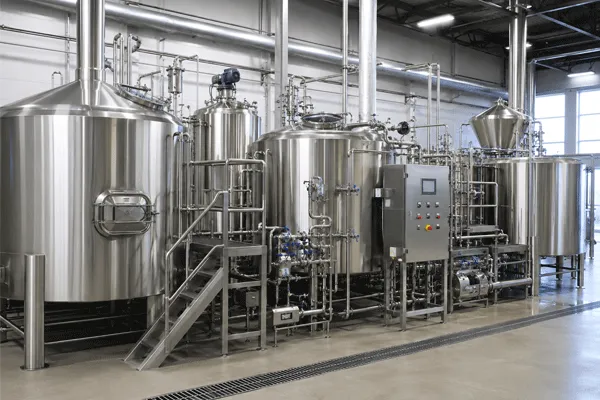
In all-grain production, the kettle, mash tun, and HLT form the heart of the brewhouse. The hot liquor tank stores hot water. This water supports mashing, cleaning, and sparging. Sparge water rinses remaining sugars from the grain bed, helping the brewer improve yield.
The mash tun must hold temperature well and allow smooth drainage. Poor drainage slows production. Uneven heat can affect sugar extraction. A strong brew kettle then handles the boil. It should support steady heating, safe steam release, and easy cleaning.
For small beer making, a propane burner and simple vessel may work. For commercial work, better control is needed. A brewhouse with a controller, temperature display, safe valves, and recirculation makes each batch more repeatable.
Which Fermenter and Fermentation Controls Protect Flavor?
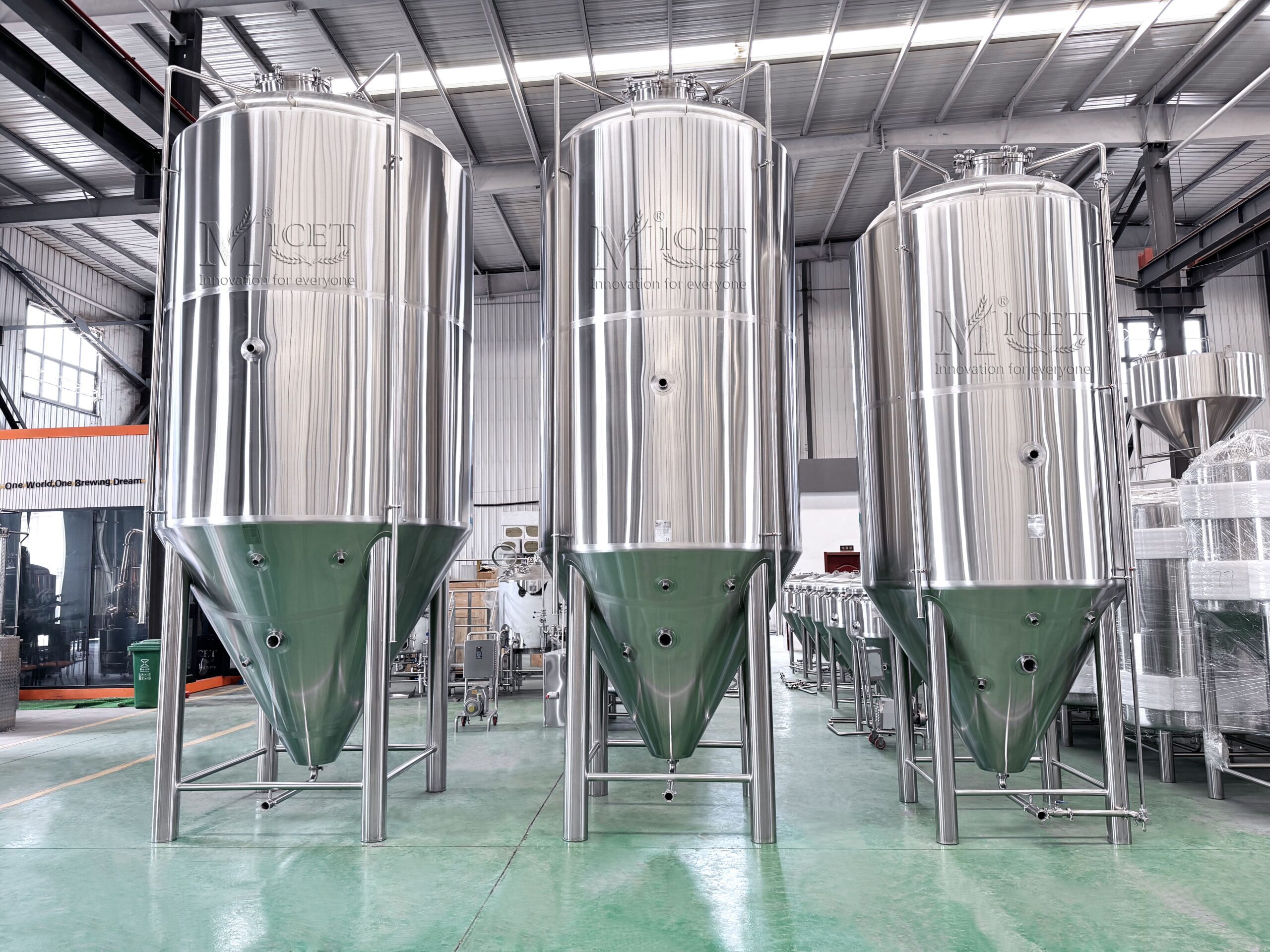
The fermenter is where the recipe becomes a real product. Many professional beer tanks use a conical bottom because it helps collect yeast and sediment. A carboy may work for homebrewing, but commercial production needs stronger pressure ratings, cooling jackets, sanitary ports, and safe access.
Fermentation temperature has a direct effect on flavor. Too warm, and the result may taste sharp or solvent-like. Too cold, and the yeast may slow down. Glycol cooling helps keep the tank steady, especially when the room temperature changes.
A clean stainless steel tank, stable cooling, and careful monitoring help protect aroma, clarity, and shelf life. This is where equipment quality becomes business value. You do not just make liquid. You protect your brand.
What Role Do Pump, Hose, Fitting, and Chiller Play?
Liquid transfer sounds simple, but it is a hidden risk point. A pump moves liquid from vessel to vessel. A food-grade hose connects the system. A sanitary fitting keeps the line tight and clean. If these parts are poorly matched, the process can become slow, unsafe, or hard to clean.
The chiller also matters. Hot liquid should cool fast before it enters the fermenter. Fast cooling helps improve process control and saves time between steps. A plate chiller is common in many production systems because it cools efficiently and fits compact layouts.
A good transfer setup should be easy to operate and easy to inspect. We recommend buyers review every connection point before confirming a configuration. Small parts can create big delays.
Bottle, Keg, or Brite Tanks: Which Packaging Path Fits Your Market?
Packaging depends on the sales model. A taproom may focus on serving tanks and keg output. A retail brand may need bottle filling, capping, bottle caps, labeling, and carton packing. A brewpub may use a small brite tank for quick serving and a few kegs for events.
Keg washers save labor when draft sales are important. A proper coupler, rack, and cleaning plan also help keep draft quality stable. For larger production, brite tanks help clarify, carbonate, and prepare product before filling.
Here is a quick guide:
| Packaging Choice | Best For | Main Equipment |
|---|---|---|
| Keg | Taprooms, bars, events | Kegs, keg washers, couplers |
| Bottle | Retail, gifts, export | Filler, capper, bottle caps |
| Brite tank serving | Brewpubs, tasting rooms | Brite tanks, cooling, taps |
| Mixed packaging | Growing brands | Flexible filling and storage |
The right packaging path saves money. More importantly, it helps your customer enjoy the product as you planned.
Home Brew vs. Commercial Brewery: Which Brewing Systems Should You Choose?
Home brewing equipment is usually built for learning and small batches. A beginner may use a small kettle, thermometer, hydrometer, auto-siphon, and simple fermenting bucket. Some people prefer BIAB because it is simple and uses fewer vessels. An all-in-one electric system can also help new makers control heat more easily.
Commercial brewery systems need a different level of strength. They must handle repeated use, cleaning chemicals, hot liquid, pressure, and daily production. A small craft beer taproom may start with a 3 bbl or 5 bbl system. A regional commercial brewery may need larger brewhouses and more tanks.
The choice should not be based only on today’s budget. Ask: Will I expand in 12 to 24 months? Will I sell draft, package, or both? Do I need space for cold brew coffee, kombucha, cider, or other beverages later? Smart planning keeps you from rebuilding too soon.
How Do CIP, Sanitize Routines, and Clean-In-Place Systems Reduce Risk?
Cleaning is not the exciting part of the job. But it is one of the most important. A CIP system, also called clean in place, helps clean tank interiors and pipes without taking everything apart. This saves labor and supports safer daily work.
Cleaning and sanitizing are different. Cleaning removes soil. Sanitizing reduces unwanted microbes to safer levels. You should sanitize parts before they touch cooled liquid, especially after the boil when heat no longer protects the product.
For B2B buyers, cleanable design is essential. Look for smooth welds, sanitary valves, proper spray balls, safe tank access, and clear drainage. Good brewing equipment designed for real production should be easy to clean every day, not only look good on delivery day.
What Should a Brewer Check Before Buying High-Quality Beer Brewing Equipment?
Before buying high-quality beer brewing equipment, a brewer should check more than the price. Start with production goals. How many batches per day? What tank size? What power source? What ceiling height? What water quality? What local installation limits?
Next, review the details. Ask for drawings, material information, welding quality, cooling method, control options, valve brands, and after-sales support. A good supplier should help you understand the full system, not just sell individual tanks.
Use this buyer checklist:
- Confirm brewhouse size and daily output.
- Match fermenter quantity with sales plan.
- Check glycol cooling capacity.
- Review floor layout and drainage.
- Confirm packaging needs: keg, bottle, or both.
- Ask about spare parts and installation support.
- Choose equipment that can expand.
The best system is not always the biggest. It is the one that fits your business plan.
How Can Turnkey Brewery Design Support Long-Term Growth?
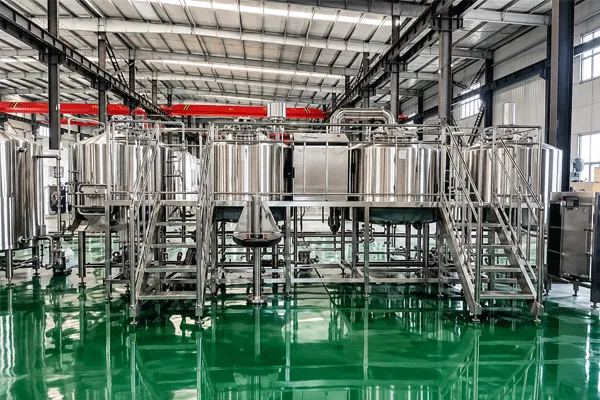
A turnkey project means one supplier helps coordinate the full system. This can include brewhouse design, fermenters, brite tanks, cooling, control panels, piping, platforms, cleaning systems, layout planning, installation guidance, and training. For investors and engineering contractors, this reduces project risk.
In our work with global B2B customers, we often begin with capacity planning. For example, a beverage startup may want beer first, then kombucha or cider later. We may suggest extra utility space, flexible tank ports, and a cooling system that can support future tanks.
A simple case study: a taproom planned only for direct serving. After market research, the owner added limited bottle sales. Because the layout allowed space for a filler and cold storage, the upgrade was smooth. That is the value of planning ahead.
Good brewery design is not only about equipment. It is about workflow. Where does raw material enter? Where does finished product leave? Where do staff clean? Where does water drain? A clean layout saves steps every day.
What About Special Beverage Projects Beyond Beer?
Many buyers now produce more than one drink. Kombucha, cider, wine, distillery wash, and cold brew coffee all need sanitary equipment, temperature control, and smart layout. The core idea is the same: protect flavor and keep the process stable.
Still, each beverage has its own needs. Kombucha may need acid-resistant surfaces and careful oxygen control. Cider and wine may need gentle transfer. Cold brew coffee may need filtration and low-temperature storage. Beer at home teaches the basics, but commercial beverage production needs deeper planning.
This is why custom manufacturing matters. A standard tank may not fit every recipe, every building, or every market. A custom system can support your product, your team, and your future growth.
FAQs About Brewing Equipment, Home Brew, and Brewery Systems
What equipment do I need to start a small brew project?
For a small setup, you need a kettle, fermenter, thermometer, hydrometer, transfer tool, cleaner, sanitizer, and basic beer making supplies. Some people also add a chiller, pump, and better controls as they grow.
Is a mash tun required for all recipes?
A mash tun is important for all-grain brewing. Extract recipes may not need one. For commercial production, a dedicated mash vessel gives better control and supports repeatable output.
Should I choose keg or bottle packaging first?
Choose based on your sales channel. A taproom may start with keg service. A retail brand may need bottle filling and capping. Many growing producers use both.
Why is glycol cooling important?
Glycol cooling helps hold tank temperature steady. This supports stable fermentation, better flavor control, and safer production planning.
What is the difference between a home brew system and a commercial system?
A home system is for learning and small batches. A commercial system is stronger, easier to clean, and designed for repeated production, staff operation, and long-term business use.
How do I choose the right supplier?
Choose a supplier that understands capacity planning, tank design, piping, cooling, installation, and after-sales service. A good partner should help reduce risk, not only provide equipment.
Belangrijkste opmerkingen
- Good brewing equipment helps control flavor, labor, cleaning, and output.
- The kettle, mash tun, fermenter, chiller, and transfer parts must work as one system.
- Packaging choices should match your sales model: keg, bottle, brite tank, or mixed output.
- Clean design, CIP planning, and sanitize routines protect product quality.
- Home brew setups are useful for learning, but commercial projects need stronger systems.
- Turnkey brewery planning reduces risk for craft breweries, brewpubs, beverage startups, investors, and contractors.
- Custom design helps your system grow with your business.