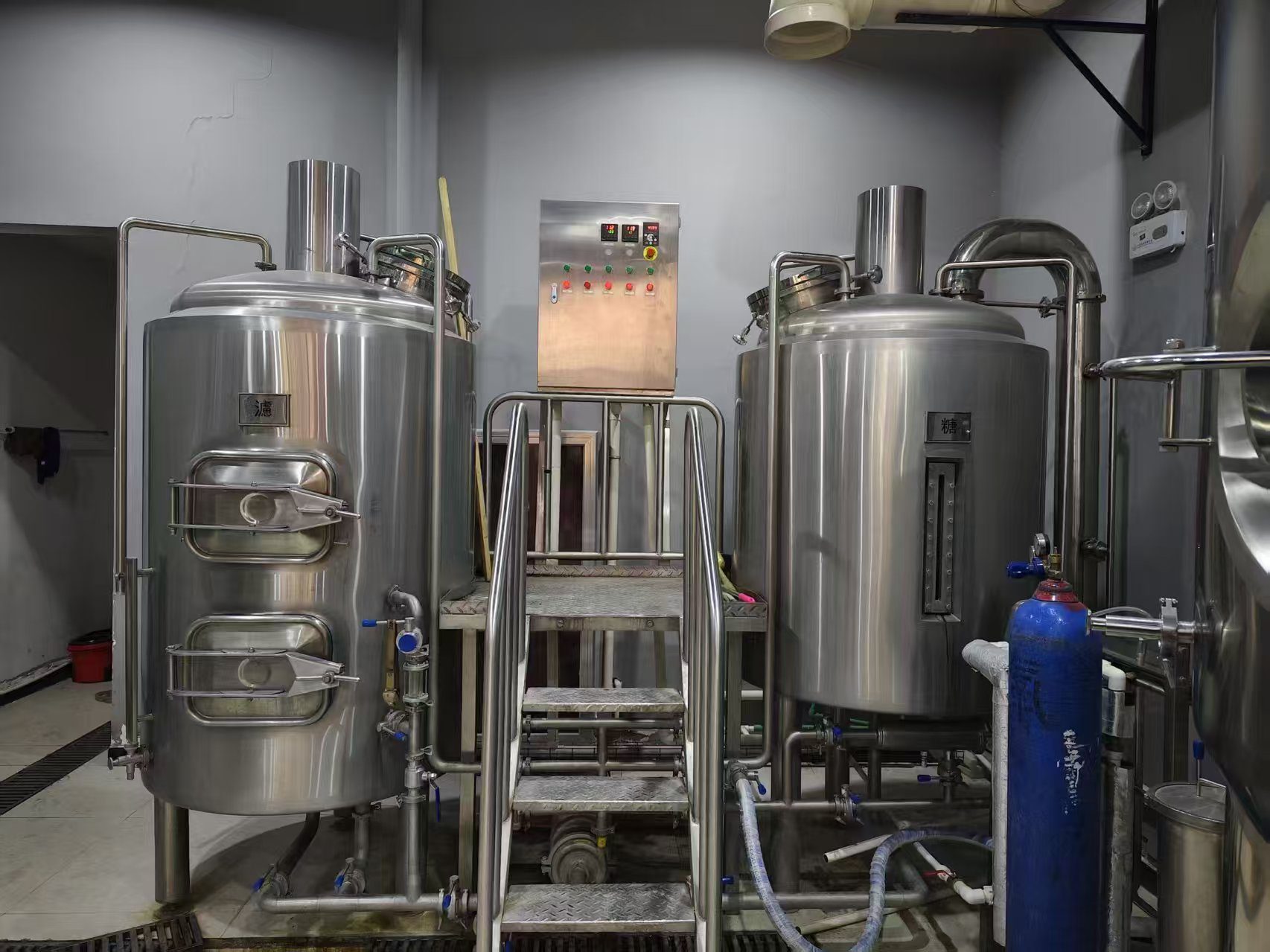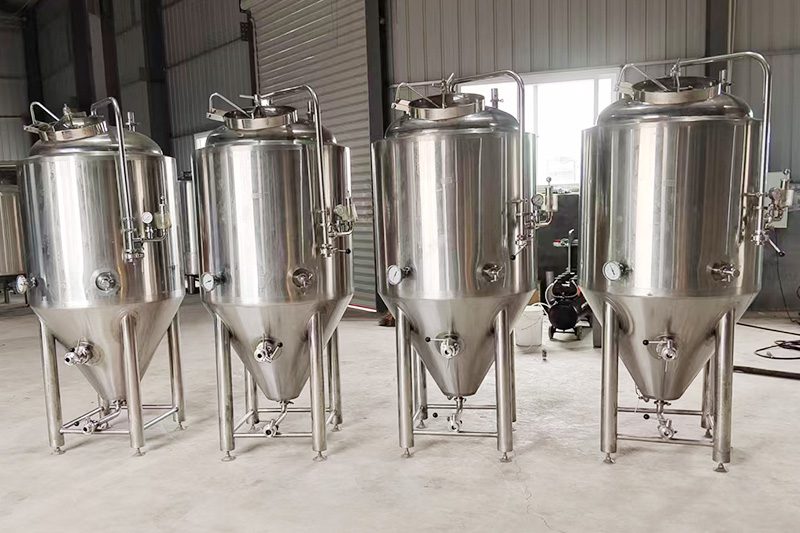


A good recipe can still fail when tanks, cooling, pumps, or fermentation capacity do not work together. That problem becomes more expensive as production grows. A well-planned beer brewing system connects every stage—from malt handling to packaging—so you can brew consistently, reduce delays, and expand with less risk.
A commercial brewing system combines brewhouse vessels, a fermenter cellar, cooling, controls, cleaning, utilities, and packaging into one production flow. The best design matches your target batch size, annual output, beer styles, available space, labor, and future expansion plan instead of simply buying the largest pieces of equipment.
Конспект статьи
- What is a commercial brewing system?
- How does wort move from mash to fermentation?
- How should you select batch size and brewhouse configuration?
- Why does fermentation capacity often limit production?
- Which stainless steel tanks and utilities matter most?
- How is commercial equipment different from home brewing systems?
- How do pumps and automated brewing improve consistency?
- How should cooling, CIP, and packaging be planned?
- What does a balanced commercial system look like?
- How can you choose the right system for long-term growth?
- Frequently asked questions
What Is a Commercial Brewing System?
A commercial brewing system is more than a kettle connected to a tank. It is a group of coordinated pieces of equipment that turns raw ingredients into repeatable, packaged beer.
On the hot side, a typical setup may include:
- Malt mill
- Mash vessel
- Lauter vessel
- Kettle
- Whirlpool
- Hot liquor tank
- Process pump
- Heat exchanger
- Piping and valve assemblies
On the cold side, production continues through fermentation vessels, conditioning tanks, glycol cooling, cleaning equipment, transfer piping, and kegging equipment or another packaging line.
As equipment manufacturers, we normally look at these areas as one complete system. A large brewhouse does not automatically create high production if the cold side cannot receive another batch.
That system-level view is becoming increasingly important. The Brewers Association reported that U.S. craft production declined about 4% in 2025, while 9,578 craft breweries remained in operation. In a mature market, efficient capital use and production planning matter just as much as simply adding capacity.
How Does a Brewing System Move Wort From Mash to Fermenter?
The hot-side brew starts when milled malt enters the mash vessel. Warm water activates enzymes that convert grain starches into fermentable sugars. In all-grain brewing, this conversion stage is one of the most important controls in the entire process.
After the mash, the liquid moves through the grain bed and becomes sweet wort. The system then sends the wort to the kettle, where the brewer boils it and adds hops according to the desired beer style.
A simplified flow looks like this:
| Стадия производства | Main Equipment | Main Goal |
|---|---|---|
| Milling | Malt mill | Prepare crushed grain |
| Mashing | Mash tun | Convert starch to sugar |
| Lautering | Lauter tun | Separate wort from grain |
| Boiling | Kettle | Sterilize wort and add hops |
| Whirlpool | Whirlpool tank | Remove solids |
| Охлаждение | Heat exchanger | Lower wort temperature |
| Ферментация | Conical tank | Let yeast create alcohol and flavor |
| Conditioning | Fermentation or bright tank | Stabilize the beer |
| Упаковка | Keg/can/bottle line | Prepare finished beer for sale |
Rapid cooling is especially important after boiling. A small wort chiller may serve a home brewer, but commercial production normally uses a sanitary plate heat exchanger connected to properly sized cooling equipment.
Once cooled, the wort moves into a conical fermentation vessel. The yeast begins converting fermentable sugars into alcohol, carbon dioxide, and flavor compounds.
The chemistry is familiar to anyone learning to brew. What changes at commercial scale is the need to repeat the same process reliably hundreds of times.
How Should Batch Size Shape Your Brewhouse Design?
The first question should not be, “What is the best system?”
A better question is:
How much beer must this facility produce each week, month, and year?
Suppose your planned brewhouse produces 1,000 liters per brew. One batch per day creates a very different equipment requirement from three batches per day. The same brewhouse may therefore support several production levels depending on vessel configuration, labor, automation, and tank availability.
A Simple Capacity Relationship
Brewhouse volume × brews per day × brewing days = theoretical hot-side output
But theoretical output is not the same as actual annual sales volume.
You also need to consider:
- Fermentation time
- Tank occupancy
- Cleaning time
- Beer losses
- Product mix
- Seasonal demand
- Packaging speed
- Maintenance
- Labor shifts
This is why system design should begin with a production model rather than a catalog.
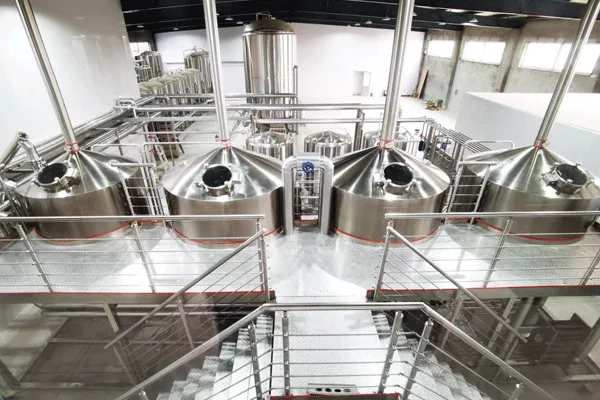
For a smaller craft operation, a compact two-vessel setup may provide enough throughput. A growing production facility may benefit from a three-vessel or four-vessel configuration because separate vessels allow the next brew to begin sooner.
The goal is not to install more tanks than necessary. The goal is to prevent one slow stage from controlling the whole plant.
Why Does Fermentation Capacity Often Control Brewery Output?
Many buyers focus first on the brewhouse because that is where beer brewing begins. In real production planning, however, fermentation capacity can become the more important limit.
A brewhouse can complete several batches during a working day. A fermenter, by comparison, may remain occupied for days or weeks while yeast completes fermentation and the beer matures.
Consider this simple example:
- Brewhouse: 2,000 L
- Two brews per production day
- Five brewing days per week
- Average tank occupancy: 14 days
The hot side can potentially create 20,000 L of wort each week. If there are not enough tanks available, however, the brewer must stop even though the brewhouse itself has spare operating hours.
Capacity Balance Example
| Area | Relative Capacity |
|---|---|
| Brewhouse | ██████████ |
| Ферментация | ██████ |
| Охлаждение | █████████ |
| Упаковка | ███████ |
In this example, adding another kettle would not solve the production problem. More fermentation capacity would.
When we plan equipment for B2B projects, we therefore consider the number and size of fermentation tanks together with the intended brew schedule.
This approach also helps when different types of beer require different tank occupancy times. A fast-moving ale and a longer-conditioned lager should not automatically receive identical cellar assumptions.
Which Stainless Steel Equipment and Utilities Matter Most?
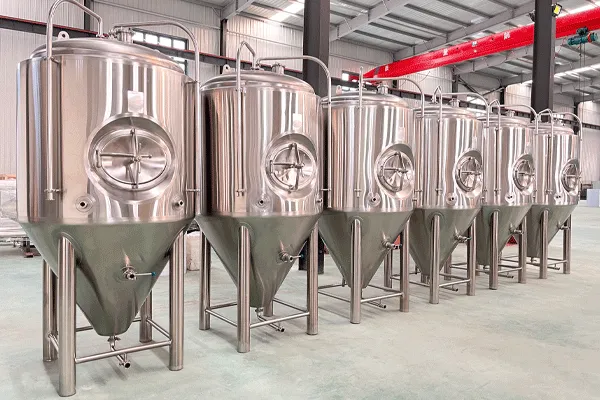
For professional production, stainless steel is widely used because it is durable, corrosion-resistant, sanitary, and relatively easy to clean when the equipment is designed correctly.
However, simply specifying stainless steel does not guarantee a good production plant.
Buyers should also evaluate:
- Internal finish
- Welding quality
- Дренируемость
- Jacket arrangement
- Изоляция
- Сантехническая арматура
- Access points
- Pressure requirements
- Instrument placement
- Cleaning coverage
- Piping layout
A well-designed tank should support both the recipe and daily operations.
Utilities are equally important. A beautiful brewhouse cannot brew efficiently if electrical capacity, steam, glycol, water, compressed air, or drainage is undersized.
Core Utility Planning
| Utility | Typical Role |
|---|---|
| Hot water | Mash and cleaning |
| Steam or electric heat | Kettle and process heating |
| Гликоль | Fermentation temperature control |
| Brewing water | Ingredient and process water |
| Compressed air | Pneumatic controls and packaging |
| CO₂ | Carbonation and transfers |
| Electricity | Pumps, controls, chillers and machines |
| Drainage | Cleaning and wastewater removal |
Some smaller facilities prefer electric brewing, especially when steam infrastructure is difficult to install. An electric kettle may simplify certain projects, but total power demand must still be calculated carefully.
The right heating method depends on production volume, building infrastructure, local utility costs, and the planned number of daily brews.
Home Brewing Kit vs Commercial Brewing Equipment: What Changes at Scale?
Many people first encounter brewing through home brewing, an all-in-one brewing unit, or a small brewing kit.
Systems such as BrewZilla, an all-in-one brewing system, or other consumer products combine several functions into a compact appliance. Retail searches for a home brewing kit, homebrewing starter kits, or even phrases such as supplies – MoreBeer serve a very different buyer from an investor building a professional production site.
A home user may use a removable grain basket, compact electric kettle, and small conical tank to make beer at home. This type of all-in-one system can be useful for learning the basic steps.
For someone who wants to move to all-grain brewing, an all-grain system also provides more recipe control than basic extract brewing.
In extract brewing, the brewer may use malt extract or liquid malt extract instead of performing the complete mash conversion process. That can simplify making beer on a small scale.
Commercial production is different.
| Home Brewing | Commercial Production |
|---|---|
| Small batch of beer | Repeated production batches |
| Manual transfers | Sanitary piping and pumps |
| Grain basket | Dedicated mash/lauter vessels |
| Small cooling device | Engineered heat exchanger and glycol |
| Ручная очистка | CIP-ready equipment |
| Basic controller | Integrated process control |
| Personal consumption | Saleable finished beer |
| Flexible schedule | Production schedule and labor planning |
A commercial operator must think beyond whether the equipment can make good beer once. The system must make the same high-quality product repeatedly, safely, efficiently, and at a cost that supports the business.
The recipe still matters. Brewers may follow traditional practices, modern craft methods, or even ingredient restrictions influenced by the German beer purity law. But commercial equipment must support the intended recipe at production scale.
How Do Pumps and Automated Brewing Improve Repeatability?
A brewer can control a small brew manually. As volume and frequency increase, manual work becomes harder to repeat.
A properly selected pump moves water, wort, cleaning solution, and sometimes product between stages. Correct flow rate matters. Too little flow can slow the process; poor control can disturb the grain bed or create transfer problems.
Automation can also improve repeatability.
An automated brewing setup may control:
- Vessel temperature
- Pump operation
- Heating stages
- Agitation
- Water addition
- Transfer sequences
- Timing
- Alarms
That does not mean every project needs full automation.
A brewpub producing a limited number of batches may prefer a semi-automatic control panel because it gives the brewer direct control without unnecessary investment. A production operation running several brews per day may benefit from recipe-based controls and additional instrumentation.
The right automation level should therefore follow the business model.
From our manufacturing perspective, we normally discuss labor availability, planned daily output, recipe complexity, expansion, and operator experience before recommending a control architecture.
How Should Cooling, CIP, and Packaging Be Planned With the Brewhouse?
Hot-side capacity receives attention because customers can easily see the mash vessel and kettle. Supporting equipment receives less attention—but often decides whether the entire operation runs smoothly.
Охлаждение
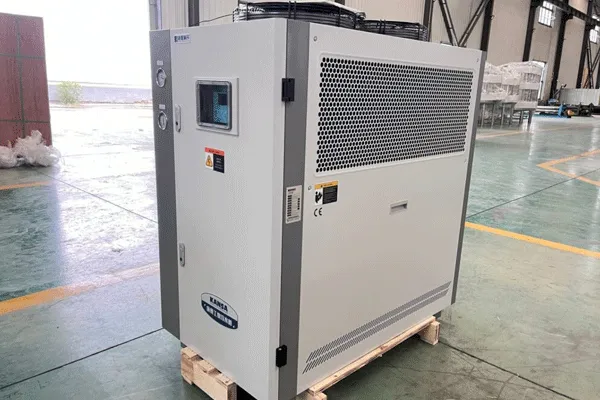
The heat exchanger must cool hot wort fast enough for the planned brew schedule. The glycol chiller must then maintain stable temperature control across fermentation and conditioning tanks.
An undersized cooling system can create a hidden production bottleneck.
Очистка
Cleaning also needs to be part of the original plan. The Brewers Association treats sanitation, cellaring, brewhouse operations, and packaging as connected production disciplines because quality can be gained or lost throughout the process.
A commercial facility may use a dedicated CIP unit to circulate cleaning solutions through tanks and piping. Proper drainage and spray coverage can reduce manual work and support repeatable cleaning procedures.
Упаковка
Finally, the packaging line should match actual output.
If a plant can brew 20,000 liters each week but can only package a small part of that volume during normal working hours, packaging becomes the bottleneck.
Depending on the sales model, production may include:
- Kegging
- Canning
- Bottling
- Bright tank storage
- Карбонизация
- Labeling
- Coding
- Conveying
Planning these areas together makes transferring beer easier and reduces unnecessary handling.
What Does a Balanced Commercial Brewing Setup Look Like?
Consider an illustrative project rather than a real customer case.
A growing taproom wants to replace a pilot brewing setup with a larger production line. Demand supports roughly 2,000 L per brew, but the company also wants room for future distribution.
Buying only a larger brewhouse creates risk.
A more balanced planning process might look like this:
Step 1: Define Demand
Estimate weekly sales, seasonal peaks, packaged sales, and taproom demand.
Step 2: Set Brew Frequency
Determine whether the team expects one, two, or more brews per day.
Step 3: Model Fermentation
Calculate how many tanks are required based on average fermentation and conditioning time.
Step 4: Check Utilities
Confirm water, electrical power, heating, glycol, CO₂, compressed air, ventilation, and drainage.
Step 5: Check Packaging
Match kegging, cans, or bottles to expected finished volume.
Step 6: Reserve Expansion Space
Leave room for additional tanks, utilities, and piping connections.
The result might not be the largest system the customer can afford today.
It should instead be the system that allows the team to brew efficiently today while adding fermentation or packaging capacity later without rebuilding the entire plant.
That is an important distinction.
The best beer brewing system is rarely the system with the biggest vessel. It is the one with the fewest expensive mismatches.
How Do You Choose the Best Brewing System for Long-Term Growth?
Start with the business plan rather than the equipment list.
Before requesting a quotation, prepare information about:
- Target annual production
- Preferred batch size
- Number of brews per day
- Main beer styles
- Fermentation duration
- Packaging format
- Available floor space
- Building height
- Utility conditions
- Automation preference
- Local standards
- Expected expansion
This information allows an equipment manufacturer to develop a more useful proposal.
For example, two customers may both request a 1,000 L system. One plans to brew once a day for a taproom. The other plans three brews per day for wholesale distribution.
Their brewhouse size may look similar on paper, but the number of tanks, cooling load, automation, storage, CIP requirements, and packaging configuration can be completely different.
From Equipment Purchase to Engineering Project
This is why we approach commercial projects as more than equipment sales.
Our work can include:
- Capacity planning
- Tank configuration
- Brewhouse engineering
- Stainless steel fabrication
- Layout planning
- Utility coordination
- Control integration
- Packaging line matching
- Installation guidance
- Commissioning
- Operator training
- Expansion planning
- Long-term after-sales support
For a startup, these decisions reduce project risk.
For an existing producer, they can remove bottlenecks and increase output without automatically replacing every machine.
The objective is simple: create a production line where each part supports the next one.
Frequently Asked Questions
What equipment is included in a commercial brewing system?
A commercial setup may include malt milling, mash and lautering vessels, a brew kettle, whirlpool, hot liquor tank, pumps, heat exchanger, бродильные ёмкости, bright tanks, glycol cooling, CIP equipment, controls, process piping, and упаковочное оборудование.
The exact configuration depends on production volume and process requirements.
How many fermenters do I need for each brewhouse?
There is no fixed number. Fermenter quantity depends on batch volume, brews per day, brewing days per week, fermentation time, beer mix, and tank turnover.
A production model should be calculated before selecting the final tank quantity.
Is a two-vessel or four-vessel brewhouse better?
Neither is automatically better.
A two-vessel configuration can work well for lower daily throughput. Separating mash, lautering, boiling, and whirlpool functions into additional vessels can increase hot-side throughput when several brews are required each day.
Your production schedule should determine the configuration.
Can the same equipment produce different types of beer?
Yes. Many commercial systems can produce a wide range of recipes because mash profiles, hop additions, yeast strains, fermentation conditions, and conditioning schedules can be adjusted.
Some specialty products may require additional process equipment or dedicated tanks.
Can I start small and add more equipment later?
Yes, and this is often a smart approach.
A good layout can reserve space, piping connections, control capacity, and glycol capacity for future tanks. Planning expansion during the first project is normally easier than redesigning the facility later.
What information should I send an equipment manufacturer?
Send your target production capacity, brew frequency, preferred tank sizes, product range, building dimensions, utility information, packaging requirements, destination country, automation preference, and future expansion plan.
The more accurate the project information is, the more useful the equipment proposal can become.
Key Things to Remember
- A commercial brewing system should be designed as one production flow, not as a collection of separate tanks.
- Start with annual demand and required brew frequency before selecting vessel size.
- Hot-side output alone does not determine real production capacity.
- Fermentation capacity is often one of the first bottlenecks.
- Cooling, utilities, CIP, controls, and packaging must match the brewhouse.
- Stainless steel quality matters, but sanitary design and cleanability matter too.
- A small home brewery or homebrewing system teaches the basic process, but commercial production requires a very different level of engineering.
- More automation is not automatically better; choose controls that match labor and throughput.
- Leave room for future tanks and utility expansion.
- The best equipment configuration is the one that supports stable quality, practical labor, predictable production, and sustainable growth.
- Before buying, model the entire path from crushed grain and mash to fresh beer in the final package.
For investors, brewers, contractors, and beverage producers planning a new project or an expansion, a detailed production discussion should come before the equipment quotation. Capacity, layout, utilities, fermentation, and packaging should be engineered together. That is how a commercial system becomes a practical long-term asset rather than simply another group of tanks.