発酵容器を誤って選ぶと、漏れや異味、温度管理の不良、汚染につながる可能性があります。家庭での少量仕込みに適した容器が、規模を拡大している醸造所にも適しているとは限りません。適切な容器は、発酵させるもの、仕込み量、工程で必要とされる管理の程度によって異なります。
最適な発酵容器は、製品と生産規模によって異なります。ガラス瓶は少量の仕込みに適し、食品用プラスチック製バケツは手頃な選択肢です。陶器製のかめは野菜の発酵に適しており、 ステンレスタンク は、一般的にビール、ワイン、シードル、その他の飲料の商業生産に最適です。
記事概要
- 発酵容器の役割とは?
- 発酵の種類ごとに最適な容器は?
- ガラス瓶やガラス製カーボイは発酵に適していますか?
- プラスチック製バケツは発酵容器として安全?
- かめや開放型の発酵容器を選ぶべきなのはどんな場合か?
- ステンレスタンクが選ばれる理由: 業務用発酵?
- ふた、エアロック、バルブは発酵にどのように影響する?
- 温度管理と圧力が重要なのはなぜですか?
- 適切な容器のサイズと価格帯はどのように選ぶべきか?
- 事業者は発酵タンクをどう選ぶべきか?
1. 発酵容器の役割とは?
発酵容器とは、微生物が原材料を別の製品へと変化させる間、それらを収容する容器です。工程に応じて、酵母や細菌が糖を消費し、酸、アルコール、二酸化炭素、その他の化合物を生成します。これらは風味、香り、食感、品質に影響を与えます。
例えば、ビールやワインの製造では、酵母が発酵性の糖をアルコールと二酸化炭素に変えます。野菜の発酵は仕組みが異なります。有益な細菌が天然の糖を乳酸に変え、ザワークラウトやキムチなどに見られる酸味を生み出します。
容器はこの工程で重要な役割を果たします。微生物に適した環境を提供し、製品を望ましくない汚染から守ります。材質、形状、サイズ、密閉方法、温度条件のいずれも、最終的な仕上がりに影響を与える可能性があります。
優れた容器は、次の条件を備えている必要があります。
- 食品に安全な構造:製品に接触する材料は、原料や洗浄用薬剤に適したものでなければなりません。
- 適切な酸素条件:酸素を必要とする工程もあれば、酸素との接触を抑える必要がある工程もあります。
- 洗浄のしやすさ:表面が滑らかで接続部に手が届きやすい構造は、残留物や汚染のリスク低減に役立ちます。
- 適切な容量:容器には、十分な作業容量と、泡やガスのための空間が必要です。
- 工程管理:商業生産では、温度センサー、冷却ジャケット、圧力制御装置が必要になる場合があります。
発酵容器を正しく理解するには、外見以上の要素に目を向ける必要があります。最適な容器とは、生物学的なプロセスと作業者の実用的なニーズの双方を支える容器です。
2. 発酵の種類ごとに最適な容器は?
あらゆるタイプの発酵に万能に対応できる単一の容器は存在しません。発酵容器の選定は、原料、微生物、製造方法、および目標生産量によって異なります。
例えば、野菜の発酵レシピをテストするにはガラス瓶が理想的かもしれませんが、商業用の醸造所には、はるかに堅牢で制御性の高いシステムが必要とされます。
一般的な発酵容器の種類を比較します。
| 容器のタイプ | 適した用途 | 主なメリット | 主なデメリット |
|---|---|---|---|
| ガラス瓶 | 少量の食品発酵、レシピの試作 | 透明で中身を確認しやすい | 割れやすく、容量が限られる |
| ガラス製カーボイ | 家庭でのワインやビールの発酵 | 非反応性で少量仕込みに適している | 重くて壊れやすい |
| プラスチック製バケツ | 小規模な醸造および食品発酵 | 手頃な価格で軽量 | 傷が付きやすく、においが残ることがある |
| 陶製かめ | ザワークラウト、ピクルス、発酵野菜 | 伝統的なデザインと十分な仕込み容量 | 重く、内部を確認しにくい |
| ステンレス製タンク | 業務用のビール、ワイン、サイダー、各種飲料 | 耐久性と衛生性に優れ、カスタマイズ可能 | 初期投資が高い |
発酵の種類も重要です。野菜の発酵では、材料を塩水の中に沈めておくために重しが必要になることがよくあります。アルコール発酵では、泡が立ち、ガスが抜けるための余裕が必要です。業務用飲料の製造では、温度管理ができ、衛生的に移送できる接続口を備えた密閉容器が必要になる場合があります。
容器を購入する前に、実際の製造プロセスを明確にしてください。ある製品に適した選択が、別の製品には不適切である場合もあります。
3. ガラス瓶やガラス製カーボイは発酵に適していますか?
ガラスは、少量の発酵に最もよく使われる素材の一つです。酸性の材料と反応しにくく、中身の様子を観察でき、容器の口が適切な大きさであれば比較的簡単に洗浄できます。
広口のガラス瓶は、少量の野菜発酵、ピクルス、その他の食品に役立ちます。メイソンジャーやクォート瓶は、レシピテスト用としてよく選ばれています。液面や気泡、製品の変化を確認しやすい点もメリットです。
ガラス製カーボイは、自家製ワインやビールの製造により多く使われています。首が細い形状は、発酵の特定の段階で酸素への露出を抑えるのに役立ちます。しかしその形状ゆえに、充填や洗浄、沈殿物の除去がより難しくなる場合があります。
ガラス容器の長所と短所:
| メリット | 短所 |
|---|---|
| 酸性の製品と反応しにくい | 落とすと割れることがある |
| 目視で状態を確認できる | 特に中身が入っていると重い |
| 通常はにおいが残りにくい | 口が狭いと洗浄しにくい |
| 少量の仕込みに適している | 商業規模への拡大には限界がある |
中身の視認性や小規模なテストを重視する場合には、ガラスは優れた選択肢です。しかし、頻繁な洗浄、大容量の仕込み、統合された工程管理が求められる醸造所や飲料工場にとっては、通常、あまり実用的な選択肢とは言えません。
4. プラスチック製バケツは安全な発酵容器ですか?
プラスチック製バケツは手頃な価格で、初心者にも便利です。軽量で移動しやすく、さまざまな容量があるため、小規模な醸造プロジェクトで広く使用されています。
ただし、すべてのプラスチック容器が食品の発酵に適しているわけではありません。酸性または塩分を含む製品との接触を想定して設計された食品用プラスチックを使用してください。BPAフリーのプラスチックや適切なHDPE容器が一般的な選択肢ですが、購入者はメーカーの材質仕様も確認する必要があります。
傷も懸念事項の一つです。深い傷には残留物がたまりやすく、清掃が難しくなることがあります。また、プラスチック容器によっては前回の仕込みのにおいが残り、後の製品に影響する場合があります。
バージニア工科大学のエクステンション(普及機関)は、野菜の発酵に適した食品グレードのHDPE容器を推奨し、特定の望ましくない添加物を含むプラスチックは使用しないよう助言しています。また、化学物質が食品に溶出する恐れのある不適切な容器の使用についても警告しています。
プラスチック製バケツを選ぶ際は、次の点を確認してください:
- 食品接触の認証および素材表示。
- 製品の酸度や洗浄用薬品に対する耐性。
- 表面の状態と耐傷性。
- ふたとの互換性と密閉設計。
- 最高使用温度。
- 繰り返しの洗浄および使用に対する適合性。
プラスチック製バケツは小規模な発酵プロジェクトに便利ですが、商業生産者は、主な製造容器として使用する前に、長期的な耐久性、衛生面、工程の一貫性を検討すべきです。
5. かめまたは開放型発酵容器を選ぶべき場合とは?
発酵クロック(かめ)は、通常セラミックや炻器(ストーンウェア)で作られる伝統的な容器です。ザワークラウト、キムチ、ピクルスなどの発酵野菜に特に適しています。
優れた発酵かめは、原料と塩水を入れるのに十分な容量を備えています。モデルによっては、不要な酸素への曝露を抑えながら発酵ガスを逃がせるウォーターシール式の蓋が付いています。その他のモデルでは、シンプルな蓋と発酵用重しを使用します。
A stoneware fermentation crock is especially useful for larger household batches. For example, the National Center for Home Food Preservation recommends approximately one gallon of container capacity for every five pounds of fresh vegetables. This means a five-gallon crock can accommodate about 25 pounds of cabbage or cucumbers under the appropriate preparation conditions.
また、開放型のかめは製品へ容易にアクセスする必要がある工程にも便利です。ただし、作業者は清潔さ、酸素への曝露、およびコンタミネーションのリスクに注意を払う必要があります。
選定する前に、以下の点を確認してください:
- 陶器の釉薬が食品衛生上安全で鉛を含んでいない(鉛フリー)か。
- かめにひび割れや表面の損傷がないか。
- 蓋が必要な保護性能(密閉性・防塵性など)を備えているか。
- 適切な重石(重り)が付属しているか。
- 容器を洗浄して乾燥させやすいかどうか。
かめ(クロック)は伝統的な野菜の発酵には最適ですが、圧力制御や自動温度管理、サニタリー配管接続が必要とされる商業用醸造所にはあまり適していません。
6. 業務用発酵においてステンレス製タンクが選ばれる理由とは?
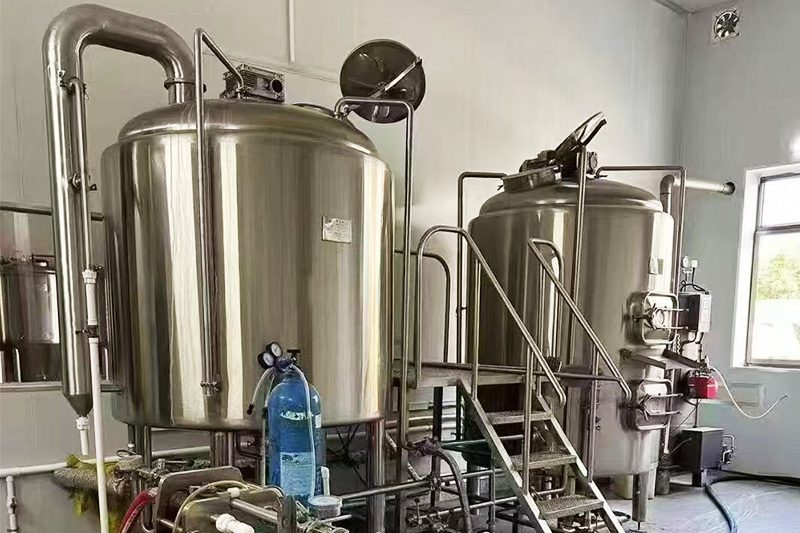
商業生産において、ステンレス鋼は発酵容器に最も適した実用的な素材の一つです。強度、耐久性、耐食性に優れ、製品と接触する表面が滑らかなため、定期的な洗浄にも適しています。
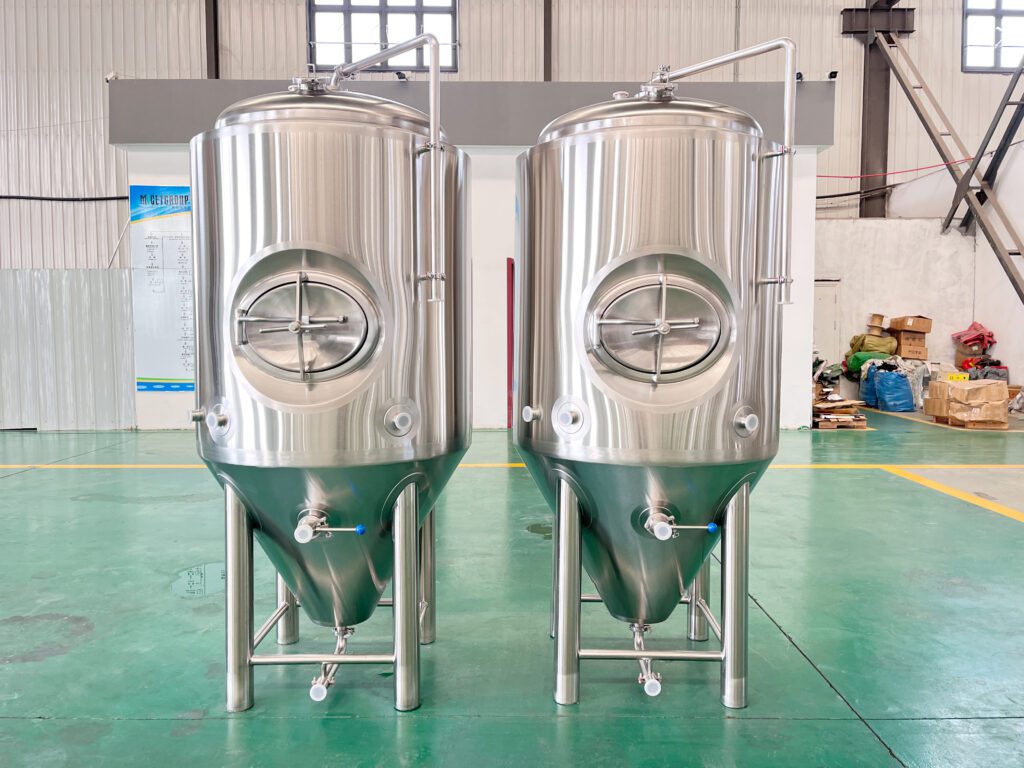
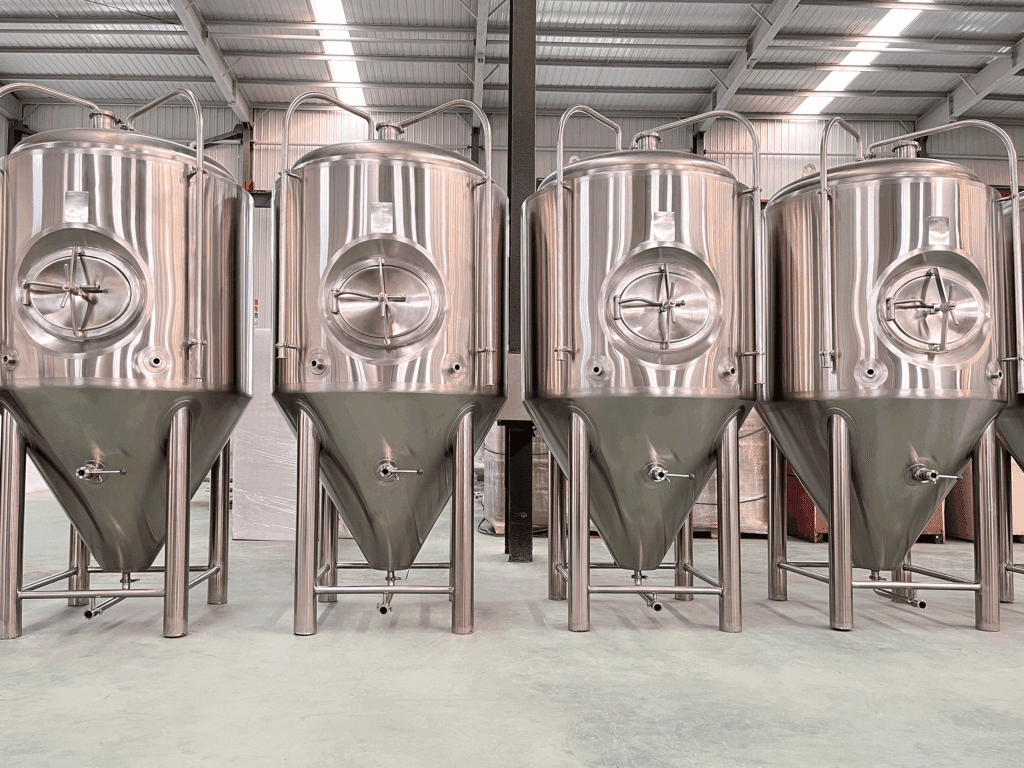
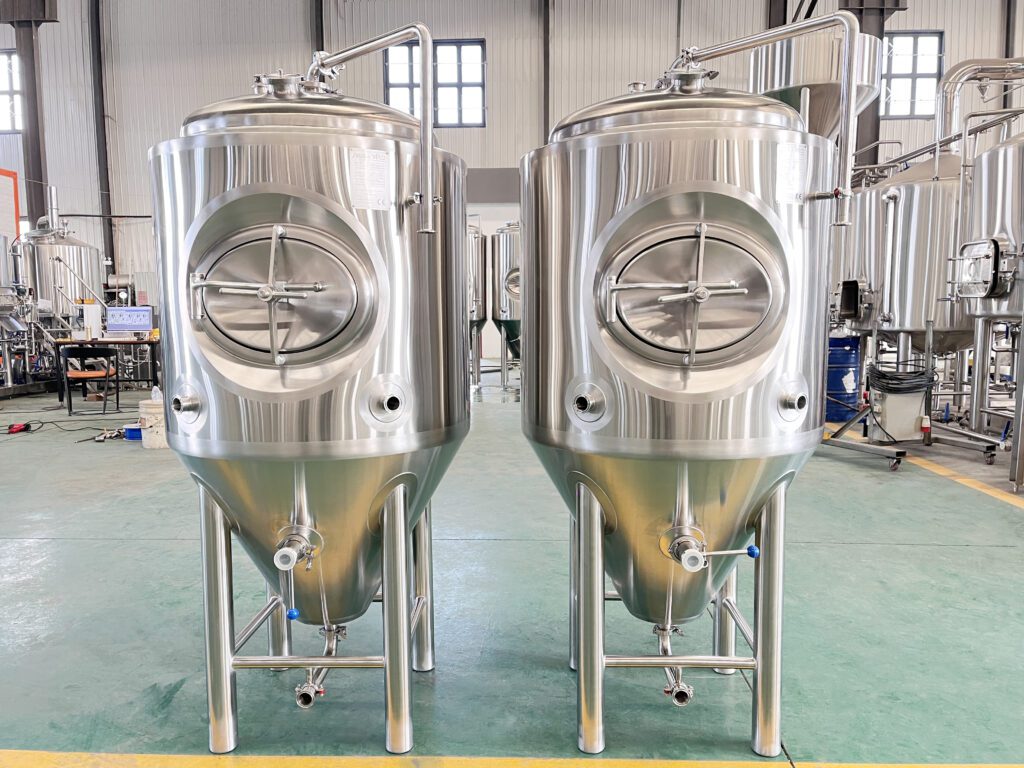
ガラス瓶やプラスチックバケツとは異なり、工業用ステンレス製タンクは生産能力やプロセス要件に合わせてカスタマイズが可能です。コニカル底部、冷却ジャケット、断熱材、マンウェイ、サンプリングバルブ、圧力安全装置、CIP洗浄システムなどを装備できます。
The two common material choices are SUS304 and SUS316L stainless steel.
| 材料 | 主な特徴 | 主な用途 |
|---|---|---|
| SUS304 | 優れた耐食性と一般的な食品加工への適合性 | ビール、シードル、および多くの飲料製造用途 |
| SUS316L | 特定の腐食環境に対する優れた耐食性 | 特定のワイン、飲料、および厳しい条件が求められるプロセス用途 |
最終的な材質は、製品の化学的特性、運転温度、洗浄用薬品、および想定される使用環境に応じて選定する必要があります。
業務用発酵タンクの重要機能
業務用発酵タンクには、以下のような装備を含めることができます:
- コニカル底部(円錐底):酵母や沈殿物の回収を容易にし、製品の排出をサポートします。
- 冷却ジャケット:発酵中の冷却を制御できます。
- 温度センサー:内部の製品温度を監視します。
- マンウェイ(点検口):点検やメンテナンスのためのアクセス口となります。
- サンプリングバルブ:タンクを開けることなくオペレーターがサンプルを採取できます。
- CIPスプレーボール:内部洗浄をサポートします。
- 圧力安全弁(リリーフバルブ):耐圧容器を設計限界内で保護します。
商業醸造所向けのステンレスタンクは、常圧発酵から加圧制御運転まで、さまざまな発酵方法に対応するよう設計することもできます。
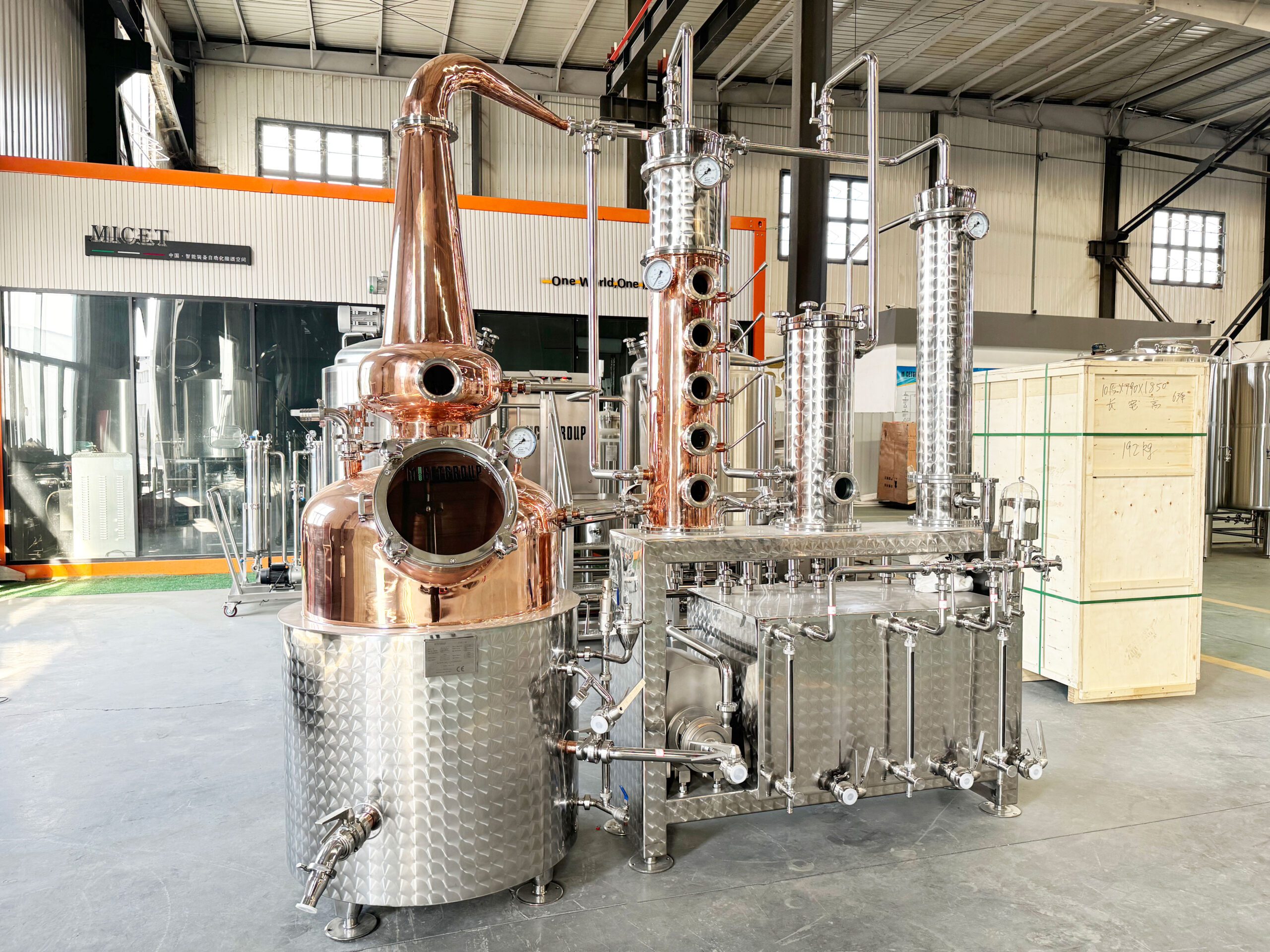
MICETは、ビール醸造所(ブルワリー)、ワイナリー、シードル醸造所、コンブチャ生産者、各種飲料メーカー向けに、カスタマイズされたステンレス製発酵設備を製造しています。バッチ容量、製品タイプ、温度要件、工場のレイアウトに合わせて構成を調整可能です。
当社の製品を見る: fermentation tank solutions for commercial production applications.
7. How Do Lids, Airlocks, and Valves Affect Fermentation?
The lid and gas-management system are important parts of the fermentation container. They help control the exchange of air and gas while protecting the product from dust, insects, and unwanted microorganisms.
For many traditional vegetable fermentation projects, an airlock allows carbon dioxide to escape while limiting oxygen entering the container. The vegetables should also remain below the brine surface. Illinois Extension recommends keeping fermented vegetables approximately 1–2 inches beneath the brine.
However, not every fermentation process should be airtight. First-stage kombucha fermentation, for example, requires oxygen exposure. A breathable cover is more suitable than a sealed lid. Beer and wine fermentation generally use closed systems with controlled gas release.
For commercial fermenting vessels, additional components may include:
- Sanitary butterfly valves.
- Pressure relief valves.
- Sampling valves.
- CO₂ inlet connections.
- CIP return connections.
- Product discharge outlets.
The right configuration depends on whether the process needs oxygen, controlled gas release, or pressure retention.
Never seal a non-pressure-rated container during active gas-producing fermentation. Carbon dioxide can build pressure and cause the lid or container to fail.
8. Why Are Temperature Control and Pressure Important?
Fermentation temperature affects microorganism activity, fermentation speed, and product quality. If the temperature becomes too high or too low, the process may develop unwanted flavors or become slower and less predictable.
A small glass jar may rely on room temperature, but a commercial fermenter often needs more accurate temperature control. This is especially important for breweries and wineries that process larger batches and need consistent results.
A jacketed fermentation tank uses a heating or cooling medium to manage product temperature. Glycol cooling systems are commonly used in commercial brewing because they can remove heat through the tank wall without direct contact with the product.
Pressure is another important consideration. Yeast produces carbon dioxide during alcoholic fermentation. If a tank is designed for pressure fermentation, it must have the correct pressure rating, fittings, monitoring instruments, and safety devices.
| 特徴 | 目的 | Commercial Benefit |
|---|---|---|
| クーリングジャケット | Removes fermentation heat | More stable temperature |
| 断熱 | Reduces heat transfer | Improved energy efficiency |
| PT100 sensor | Measures product temperature | Better process monitoring |
| Pressure gauge | Displays internal pressure | Improved operating control |
| Pressure relief valve | Protects against excess pressure | Safer operation |
| CIPシステム | Cleans internal surfaces | More consistent hygiene |
Not all fermentation tanks are pressure-rated. Buyers should confirm the design pressure and working pressure before using a tank for pressure fermentation or carbonation.
9. How Do You Choose the Right Vessel Size and Price Range?
The correct vessel size depends on the amount of product you need to ferment, the fermentation time, and the number of batches you plan to produce.
For small fermentation projects, a few glass jars may be enough. A small brewery may need several fermenters to support different recipes and production schedules. A large commercial facility may require multiple tanks operating at the same time.
When calculating vessel size, consider:
- Required working volume per batch.
- Space needed for foam and gas.
- Expected fermentation time.
- Number of products or recipes.
- Cleaning and transfer time.
- Future production growth.
Do not confuse total tank capacity with working capacity. A vessel needs enough headspace for the process. Filling it completely may cause foam or product to enter the gas outlet during active fermentation.
What Affects Fermentation Vessel Price Ranges?
The cost of a vessel varies significantly according to material, capacity, construction, and accessories.
| Cost Factor | How It Affects the Investment |
|---|---|
| 材料 | SUS304 and SUS316L have different costs |
| 定員 | Larger tanks require more material and structural support |
| クーリングジャケット | Adds cooling connections and construction requirements |
| Pressure rating | Requires suitable structural design and safety components |
| 断熱 | Adds material and manufacturing costs |
| 自動化 | Sensors and control systems increase the equipment scope |
| CIP configuration | Adds cleaning components and connections |
| Customization | Special dimensions and fittings affect manufacturing costs |
For larger production facilities, the cheapest tank is not always the most economical choice. Maintenance, cleaning time, energy consumption, and product losses also affect the total cost of ownership.
10. How Should Commercial Buyers Choose a Fermentation Tank?
For a brewery, winery, or beverage factory, choosing the right fermentation vessel is an engineering decision rather than a simple material comparison.
A commercial buyer should start with the product and process. Beer, wine, cider, kombucha, and other fermented beverages may require different vessel structures, oxygen conditions, temperature ranges, and pressure capabilities.
A practical purchasing checklist includes:
| Requirement | 確認事項 |
|---|---|
| 製品 | Beer, wine, cider, kombucha, or another beverage |
| バッチサイズ | Required working volume |
| 材料 | SUS304またはSUS316L |
| Tank structure | Conical, cylindrical, open-top, or other design |
| 温度 | Heating, cooling, or ambient operation |
| Pressure | Atmospheric or pressure-rated design |
| クリーニング | Manual cleaning or CIP |
| アクセサリー | Manway, valves, sampling ports, and sensors |
| Installation | Available floor space and utility connections |
| Expansion | Future production and additional tank requirements |
An Illustrative Commercial Selection Example
Consider a craft brewery moving from small experimental batches to a 1,000L commercial production target.
Instead of purchasing one large container without considering the entire process, the brewery should review the required working volume, fermentation schedule, yeast collection method, cooling capacity, and packaging plan.
A suitable configuration might include:
- A 1,000L working-volume conical fermenter.
- A glycol cooling jacket.
- SUS304 stainless steel construction.
- PT100 temperature monitoring.
- A sanitary sampling valve and discharge outlet.
- CIP cleaning connections.
- A pressure relief system if the vessel is designed for pressure operation.
If the brewery also needs separate beer maturation or carbonation, a separate brite tank may be appropriate.
This is an illustrative engineering scenario, not a published customer installation. The actual vessel configuration must be confirmed against the brewery’s recipe, production schedule, and site conditions.
At MICET, we work with global B2B customers to design and manufacture customized brewing and fermentation systems. Our engineering support includes capacity planning, tank configuration, CAD and 3D layout design, equipment integration, installation guidance, and long-term technical support.
Whether you are starting a microbrewery, expanding a winery, or developing a commercial beverage facility, the right vessel should support both today’s production and future growth.
Contact MICET with your product type, target batch volume, and technical requirements to discuss a customized fermentation tank solution.
Frequently Asked Questions (FAQ)
Which vessel is best for fermentation?
It depends on the product and production scale. Glass jars are suitable for small batches, ceramic crocks work well for fermented vegetables, and food-grade plastic buckets are useful for basic home fermentation. Stainless steel tanks are generally preferred for commercial beverage production.
Can I use a plastic bucket for fermentation?
Yes. You can use a food-grade plastic bucket designed for food contact. Check its chemical resistance, temperature rating, and surface condition. Avoid scratched, damaged, or unidentified plastic containers.
Is stainless steel better than glass for fermentation?
For commercial production, stainless steel usually offers better durability, scalability, and integration with temperature control and CIP systems. Glass is useful for small batches because it is transparent and does not easily react with acidic ingredients.
Does every fermentation vessel need an airlock?
No. An airlock is useful for many closed fermentation processes because it allows gas to escape while limiting oxygen exposure. However, some processes, such as the first stage of kombucha fermentation, require oxygen and a breathable cover.
What size fermentation tank should I buy?
Choose the size according to your working batch volume, fermentation time, production schedule, and future expansion plans. Always leave enough headspace and consider whether multiple tanks would provide better production flexibility.
What stainless steel is suitable for fermentation tanks?
SUS304 is suitable for many standard beverage applications, while SUS316L may be preferred for products or cleaning environments with more demanding corrosion requirements. The final choice should be based on product chemistry and operating conditions.
要点
- The best fermentation vessel depends on the product, process, and production scale.
- Glass jars and carboys are useful for small batches and recipe testing.
- Food-grade plastic buckets offer an affordable option but require careful material selection.
- Ceramic crocks are particularly suitable for traditional vegetable fermentation.
- Stainless steel tanks are generally the preferred option for commercial breweries and beverage manufacturers.
- Temperature control, pressure rating, oxygen management, and cleaning design affect fermentation performance.
- Always distinguish between total tank volume and effective working volume.
- Choose SUS304 or SUS316L according to the product and operating environment.
- Consider future production growth before purchasing equipment.
- Work with an experienced manufacturer to ensure the vessel matches your process, layout, and long-term production goals.