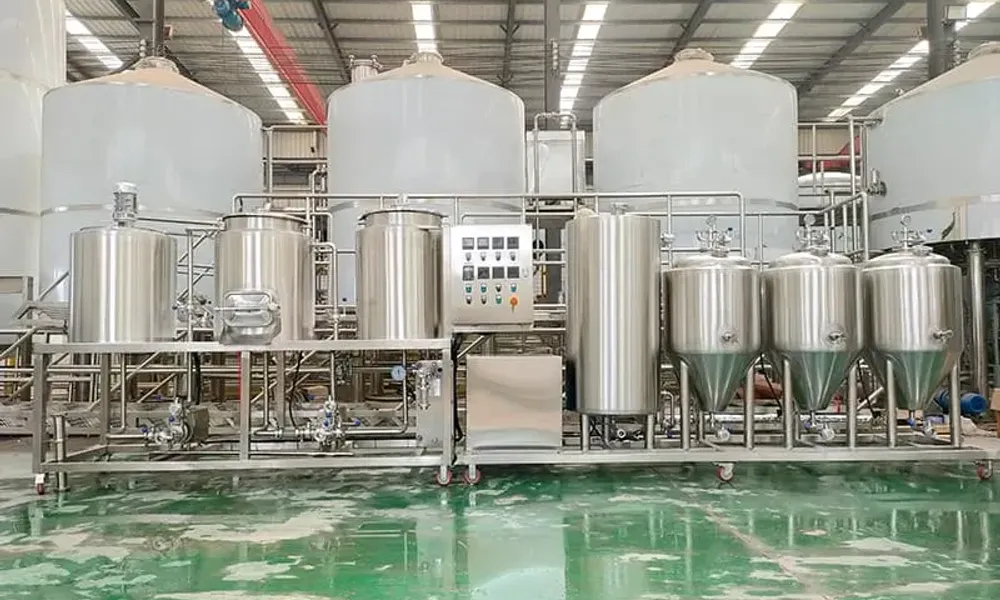











Buying the wrong equipment can slow your brewery before the first brew. Poor layout, weak cooling, hidden wear, and hard-to-clean tanks can raise costs fast. The better path is to compare new and used brewery equipment with a clear production plan.
Brewery equipment for sale includes new, used, and refurbished systems for making beer, kombucha, cider, wine, and other beverages. A smart buyer should check the brewhouse, tank condition, stainless steel quality, heating method, chiller capacity, fermentation control, packaging needs, and after-sales support before making a decision.
기사 개요
- What brewery equipment does a complete brewery need?
- Why are used brewery equipment and pre-owned systems popular?
- How should a buyer inspect a brewhouse system before purchase?
- What stainless steel tank details affect beer quality?
- Which heating and cooling systems should you compare?
- What fermentation and cellar equipment should be included?
- How do filtration, brite tanks, and packaging equipment support sales?
- What hidden costs appear when buying used equipment?
- New and used brewery equipment: which option fits your project?
- How can a manufacturer help craft breweries reduce project risk?
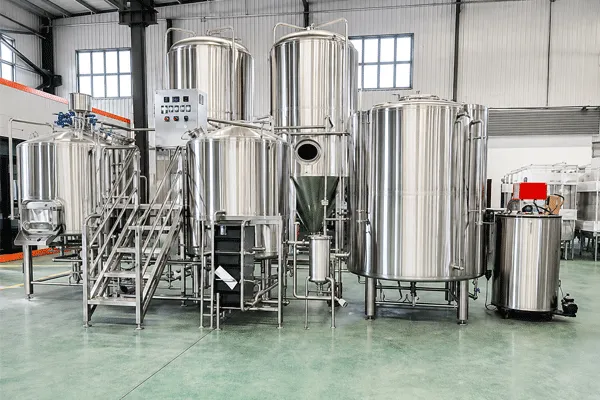
What Brewery Equipment Does a Complete Brewery Need?
A complete brewery needs more than one tank. It needs a working production flow. At the center is the brewhouse. This is where the mash, boil, hot liquor, and wort transfer happen. A basic brewhouse may include a mash tun, brew kettle, hot liquor tank, cold liquor tank, pump, pipe, valves, and a heat exchanger.
After the wort leaves the brewhouse equipment, it moves to the cellar. This area usually includes a fermenter, brite tanks, glycol cooling systems, and cleaning tools. The cellar is where fermentation, conditioning, carbonation, and storage take place. If the cellar is too small, the whole brewery can become blocked, even if the brewhouse is powerful.
완전한 craft beer brewing project may also need filtration, keg washing, bottle filling, canning lines, a 4-head filler, labeling, and other packaging equipment. For beverage producers making kombucha, cider, cold brew coffee, or distilling-related products, the same idea applies: the equipment must match the real process.
Why Are Used Brewery Equipment and Pre-Owned Systems Popular?
Used brewery equipment is popular because it can reduce the starting cost for a new brewery. Many craft breweries, brewpubs, and microbrewery owners want to launch faster without paying full price for every new machine. A pre-owned tank or brewhouse can be useful when it is inspected, cleaned, tested, and matched to the project.
There is another reason. In recent years, some markets have seen more brewery closures and equipment resales. This creates more listings for buyers who search for brewery equipment for sale. Some buyers compare suppliers such as EquipNet, GEA-related process equipment sources, Craftmaster Stainless-style tanks, or a brewhouse equipment group before deciding what to buy.
But low price is not the same as good value. “Unbeatable prices” may look attractive, but hidden repairs can cost more later. A smart buyer asks for photos, test records, pressure checks, jacket checks, pump condition, control cabinet details, and spare accessory lists before payment.
How Should a Buyer Inspect a Brewhouse System Before Purchase?
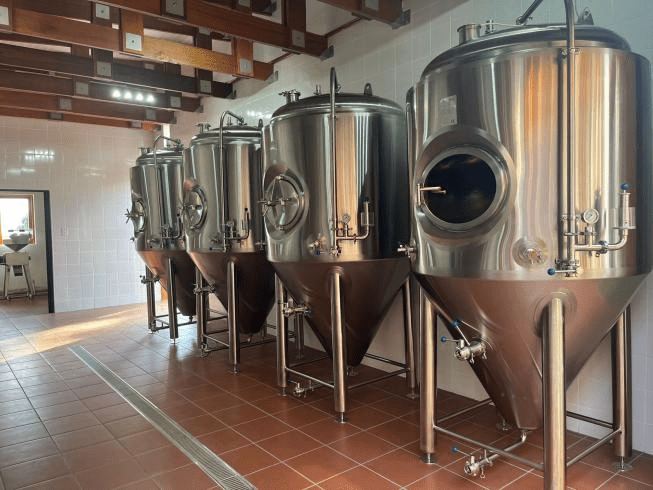
A brewhouse system should be inspected from the inside out. First, check the stainless steel surface. It should be smooth, clean, and free from deep scratches, heavy dents, rust, or bad welding. Then check the kettle, mash tun, manway, false bottom, spray ball, valves, and heating jacket.
Next, check function. Can the pump run well? Can the heater reach the required temperature? Can the heat exchanger cool wort fast enough? Are the sensors, control panel, and semi-automated settings still reliable? These details decide whether the equipment can brew stable beer after installation.
For used equipment, always ask the seller about the original use. Was it used in a craft brewing plant, an industrial brewery, a winery equipment line, or another beverage process? A tank used for one product may need special cleaning before another product. The more you know, the safer your decision becomes.
What Stainless Steel Tank Details Affect Beer Quality?
High-quality stainless steel is important because it touches the beer. Good stainless steel helps protect taste, sanitation, and tank life. For brewery equipment, buyers usually care about material grade, inner polishing, weld quality, jacket design, insulation, and pressure rating.
A tank should be easy to clean. Smooth inner surfaces reduce places where residue can hide. Poor welds can trap sugar, yeast, and microbes. In beer brewing, these small problems can damage aroma, flavor, and shelf stability. The equipment may look fine from the outside but still cause trouble inside.
When we manufacture or refurbish brewery systems, we pay close attention to product-contact areas. We check the manway, outlet, racking arm, spray ball, and cooling jacket. For B2B buyers, this is not only a quality point. It is a business point. Cleaner tanks mean fewer failed batches and less downtime.
Which Heating and Cooling Systems Should You Compare?
Heating is used during mash and boil. Common options include electric heating, steam heating, gas heating, and direct fire in some smaller setups. Each option has a different cost, installation need, and control level. Electric heating is simple for smaller systems. Steam is often better for larger brewhouses and commercial brewing projects.
Cooling is just as important. After the boil, hot wort must cool quickly before yeast is added. A heat exchanger, chiller, glycol tank, and cooling pipe design all affect production speed. If the cooling system is too weak, fermentation temperature may rise, and beer quality may suffer.
Here is a simple comparison:
| 시스템 영역 | Common Options | Key Buying Point |
|---|---|---|
| Heating | Electric, steam, gas | Match local energy supply and batch size |
| Wort cooling | Plate heat exchanger | Check cooling speed and water/glycol demand |
| Tank cooling | Glycol jacket | Make sure every fermenter can hold temperature |
| Hot water | HLT and hot liquor system | Supports faster repeat brewing |
| Cold water | Cold liquor tank | Useful for stable wort cooling |
The best setup is not always the most expensive. It is the one that fits your site, recipe, and schedule.
What Fermentation and Cellar Equipment Should Be Included?
Fermentation is where beer develops alcohol, aroma, and body. A good fermenter should have a sanitary design, cooling jacket, insulation, sample valve, pressure relief valve, CIP spray ball, and bottom outlet. These details help the brewer control the process and clean the tank safely.
The cellar may also include brite tanks for beer conditioning and serving preparation. A brite tank helps clarify beer, hold carbonation, and prepare it for keg, bottle, or can packaging. In a taproom, the cellar design can affect how quickly you serve beer and how often you can brew.
For a 10bbl or 20bbl brewery, tank planning is critical. One brewhouse can feed several fermenters. If the brewery has too few tanks, the brewer may have to stop brewing while waiting for fermentation to finish. That is why tank quantity often matters more than people expect.
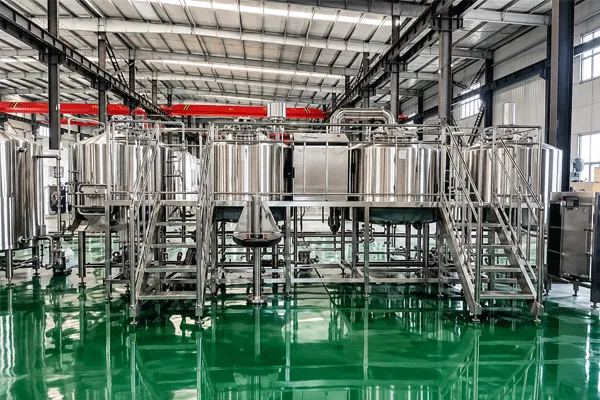
How Do Filtration, Brite Tanks, and Packaging Equipment Support Sales?
Filtration helps improve clarity and product stability when the beer style requires it. Not every craft beer must be filtered, but many commercial breweries use a filter to create a clean and consistent look. A good filtration choice depends on beer style, batch size, and shelf-life goals.
Packaging turns production into sales. If you sell draft beer, you need keg cleaning and filling. If you sell retail products, you may need bottle filling, can seaming, labeling, and packing. Canning lines are popular because cans are light, easy to ship, and common in modern craft beer retail.
Packaging also affects cash flow. A brewery with slow filling equipment may make enough beer but fail to ship orders on time. For growing craft breweries, we often suggest planning packaging early, even if the first stage starts with keg sales only.
What Hidden Costs Appear When Buying Used Equipment?
The listing price is only one part of the cost. Used equipment may need new gaskets, valves, sensors, pumps, control parts, or electrical work. It may also need deep cleaning, passivation, pressure testing, jacket testing, and safe export packing.
Transport can also be expensive. Large brewhouses and horizontal tanks need proper loading, wooden packing, lifting plans, and container space. A buyer should check whether the seller can provide photos, dimensions, weight, layout drawings, and packing support before shipment.
Here is a practical cost checklist:
| Cost Item | 중요한 이유 |
|---|---|
| Inspection | Confirms real condition before purchase |
| Refurbishment | Replaces worn parts and improves safety |
| 청소 | Removes old residue and process risk |
| 테스트 | Checks pressure, cooling, and function |
| 포장 | Protects equipment during transport |
| Installation | Reduces startup mistakes |
| Spare parts | Helps prevent downtime |
Buying used can be smart. Buying blind is risky.
New and Used Brewery Equipment: Which Option Fits Your Project?
New and used equipment serve different needs. New equipment is best when you need exact capacity, custom layout, full automation, special tank design, or strict project documentation. It allows you to design the system around your building, beer styles, and expansion plan.
Used equipment is useful when budget and delivery time matter most. It works well for buyers who can accept available sizes and configurations. New and used systems can also be combined. For example, a buyer may choose a refurbished brewhouse and new fermenters, or used tanks with a new glycol system.
A hybrid plan is often the best balance. It can lower the first investment while keeping key process areas safe and reliable. As a manufacturer, we often help customers compare both routes, then build a system that fits the real business stage.
How Can a Manufacturer Help Craft Breweries Reduce Project Risk?
A professional manufacturer does not only sell equipment. We help the buyer design a complete working system. This includes capacity planning, layout design, tank matching, utility planning, clean-in-place design, cooling capacity, and installation guidance.
We manufacture stainless steel brewing equipment and also support inspected, cleaned, and tested used equipment solutions. For global B2B customers, we can provide CAD layout, system matching, export packing, documentation, remote support, and long-term spare parts service.
Our goal is simple: help your brewery start smoothly and grow with less risk. Whether you need a complete brewery, a single fermenter, process equipment, or a full brewhouse system, the right partner can save time, reduce mistakes, and protect product quality.
Case Study: A Microbrewery Chooses a Hybrid Equipment Plan
A startup microbrewery wanted to control its first investment but still build a professional production line. The buyer first looked at several used equipment offers. Some looked cheap, but the tank sizes did not match the building, and the cooling capacity was unclear.
We helped the customer compare the available inventory and separate “good value” from “high repair risk.” In the end, the project used a refurbished brewhouse, new fermentation tanks, a new glycol chiller, and a simple packaging setup for keg and future can sales.
This plan reduced the first cost while keeping the most important production areas reliable. The customer could brew, ferment, cool, and serve beer with confidence. More important, the layout allowed future expansion.
Buyer Checklist Before You Purchase Brewery Equipment
Before you buy, use this checklist:
- Confirm your target output: daily, weekly, and monthly.
- Check whether you need 10bbl, 20bbl, or a custom batch size.
- Ask for tank photos, videos, and inspection reports.
- Check stainless steel quality and inner surface condition.
- Confirm heating method, cooling systems, and utility needs.
- Review pump, valve, sensor, and control cabinet condition.
- Ask whether the equipment has been cleaned and tested.
- Confirm packing, shipping, installation, and after-sales support.
- Compare complete brewhouses, tanks, cellar equipment, and packaging together.
- Choose a supplier that understands both craft brewing and commercial production.
FAQs
Is used brewery equipment a good choice for a startup brewery?
Yes, it can be a good choice when the equipment is inspected, cleaned, tested, and matched to your production plan. It can reduce startup cost, but the buyer must check condition, repair needs, and shipping details before purchase.
What is the difference between a brewhouse and cellar equipment?
The brewhouse handles mash, boil, and wort production. Cellar equipment handles fermentation, cooling, conditioning, and storage. A brewery needs both areas to work together.
Should I buy new equipment or pre-owned equipment?
Choose new equipment if you need exact design, automation, and long-term expansion. Choose pre-owned equipment if you want lower cost and faster sourcing. Many buyers use a hybrid plan with both new and used tanks.
What should I inspect before buying a used tank?
Check material, welds, inner surface, manway, valves, jacket, insulation, pressure rating, and cleaning condition. Ask for photos, videos, and test records when possible.
Can brewery equipment also support kombucha, cider, or winery projects?
Yes, with the right design. Kombucha, cider, cold brew coffee, and winery projects may need different tank shapes, cleaning methods, temperature settings, and process flow. Customization is important.
Why work with a manufacturer instead of only a reseller?
A manufacturer can help with layout, tank matching, process design, refurbishment, spare parts, and technical support. A reseller may only provide a listing. For a serious brewery project, engineering support can reduce risk.
Final Takeaways
- Brewery equipment should be selected around production goals, not only price.
- Used brewery equipment can reduce cost, but inspection and testing are essential.
- A complete brewery needs brewhouse, cellar, cooling, cleaning, and packaging planning.
- Stainless steel tank quality directly affects cleaning, safety, and beer consistency.
- New and used equipment can be combined to balance budget and reliability.
- A professional manufacturer can help buyers reduce risk through layout design, customization, refurbishment, testing, and long-term support.
The best equipment choice is the one that helps your brewery brew better, sell faster, and grow with confidence.