










Nancy Shang | Founder & CEO, MICET Brewing | Published August 2026
A microbrewery startup needs a brewhouse (mash tun, kettle, HLT), fermentation and bright tanks, pumps, a heat exchanger, a glycol chiller, a CIP system, a control panel, and packaging equipment. MICET prices complete microbrewery systems at $30,000–80,000 USD, and refurbished components can lower that number — mainly on static vessels, not on wear-prone pumps or packaging lines.

The Full List: Every Category You Need to Open a Microbrewery
Here’s the equipment needed to brew beer at a commercial startup scale, in the order most brewers actually buy it:
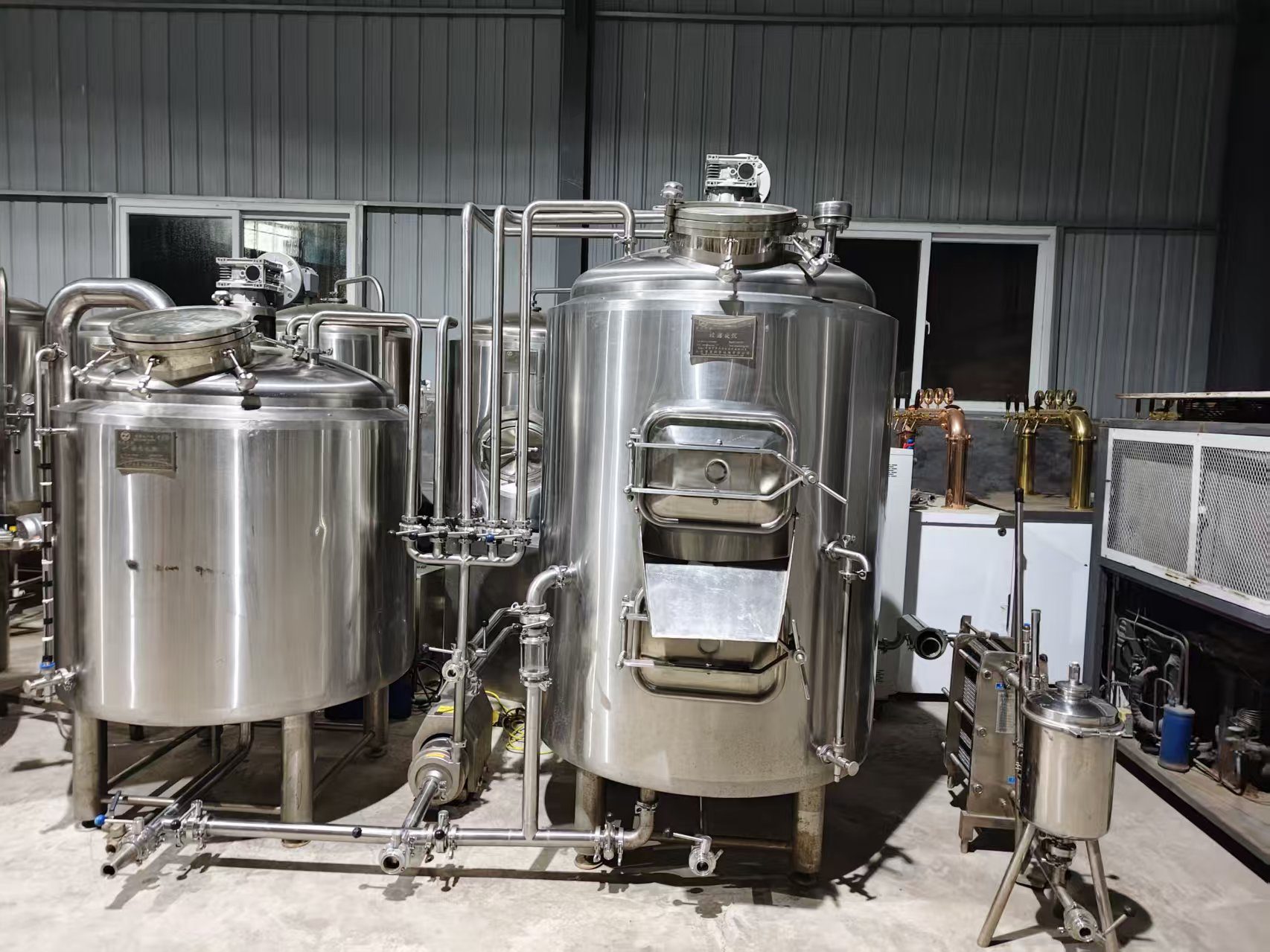
- Brewhouse — mash tun, kettle, hot liquor tank (HLT).The core of the operation. MICET’s compact brewhouse packages run 2–10bbl and bundle the three vessels with pumps, a heat exchanger, and a control panel as one configuration — not sold as separate line items.
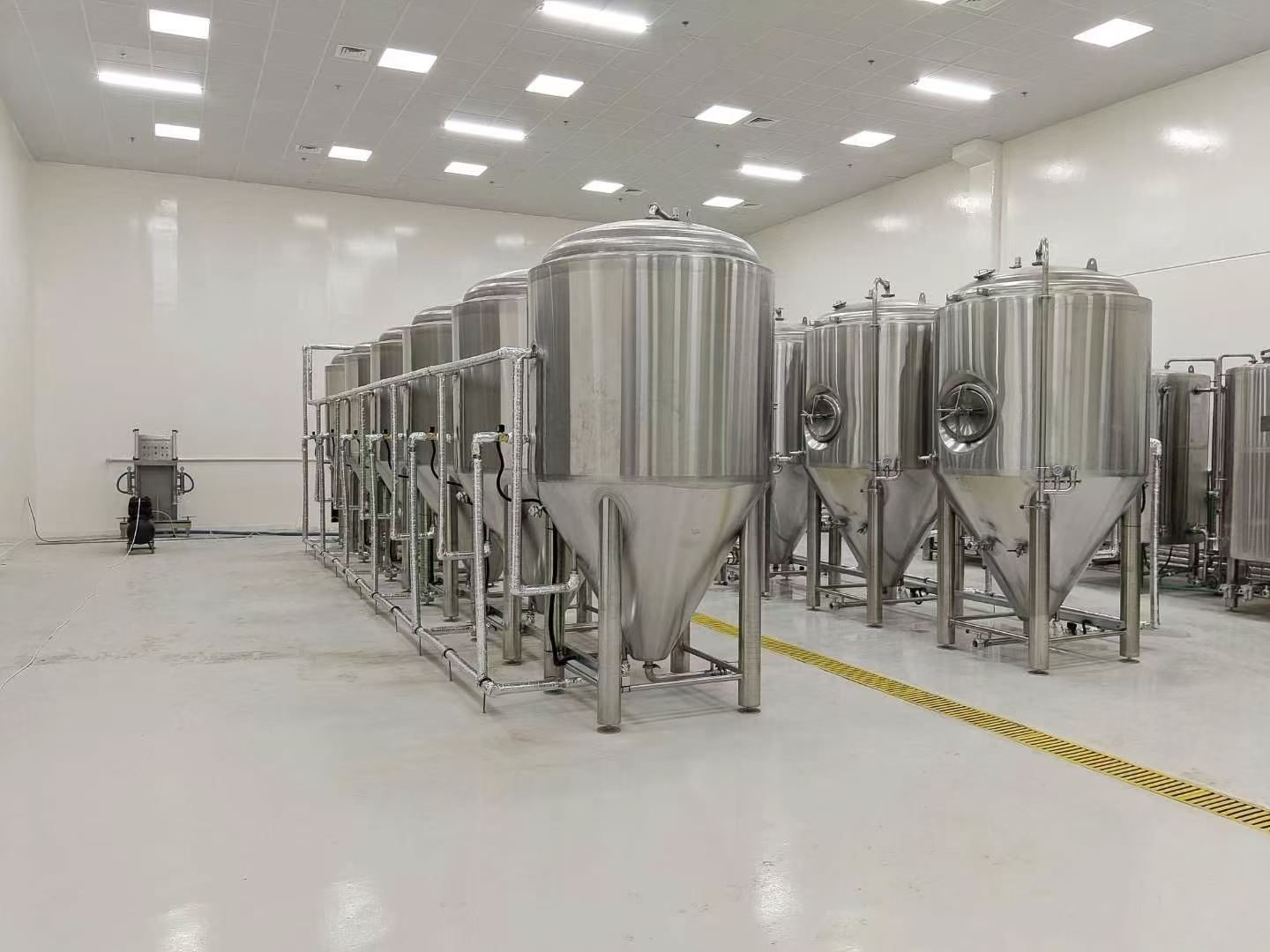
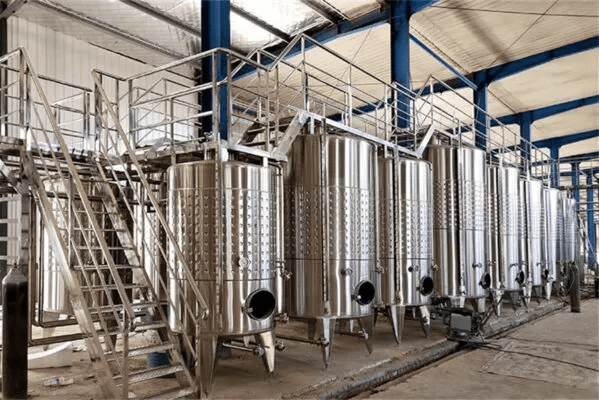
- Fermentation tanks.Sized by batch volume; a 3.5bbl brewhouse typically pairs with several fermenters of matching or slightly larger capacity so you can run overlapping batches.
- Bright (serving) tanks.Where beer conditions and carbonates before packaging or kegging.
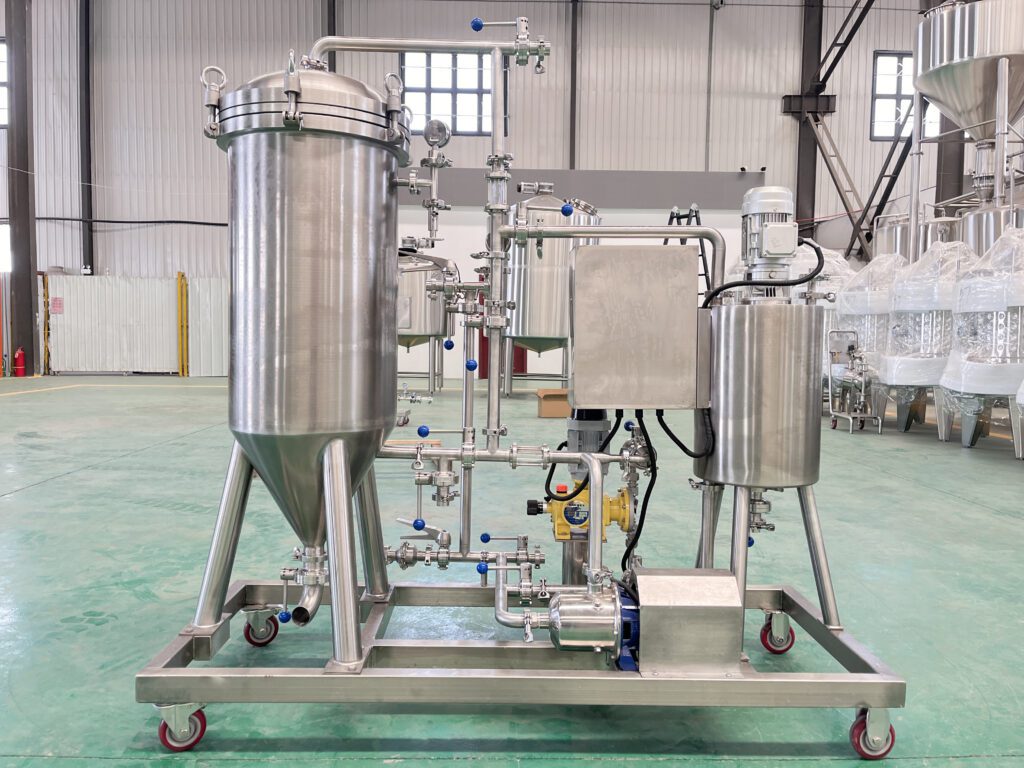
- Move wort and beer between vessels; usually bundled with the brewhouse package rather than sourced separately.
- Heat exchanger.Cools wort from boiling to pitching temperature; also typically bundled.
- Glycol chiller / cooling system.Keeps fermenters and bright tanks at temperature — a separate purchase from the brewhouse itself.
- CIP (clean-in-place) system.Circulates cleaning solution through vessels and lines without manual disassembly.
- Control panel.Manages temperature, pump timing, and (on more automated setups) PLC-driven brewing steps.
- Packaging line.Bottle, can, or keg filling equipment, plus a CO2 mixer if you’re carbonating in-line rather than in the tank.
That’s the equipment needed for a microbrewery at startup scale. A taproom draft system, centrifuge, or flash pasteurizer are additions most first-time owners defer until volume justifies them.
MICET’s Compact Brewhouse Package: What’s Actually Included
Since this is the product line startup buyers ask about most, it’s worth being specific instead of vague. MICET’s used brewhouse configurations cover 2–10bbl, built as a mash tun + kettle + HLT package with pumps, heat exchanger, and control panel included in that bundle — not priced or sold piece by piece. The site references “ASME/CE” craftsmanship for this line, but doesn’t publish specific certificate numbers or an issuing body against it. That’s worth knowing before you assume a brewhouse quote comes with the same documentation weight as a certified pressure vessel — more on that distinction below.
Where $30,000–80,000 Actually Has to Stretch
MICET publishes one number for microbrewery equipment: $30,000–80,000 USD. It doesn’t publish a category-by-category breakdown, so here’s how the equipment list above maps against what is and isn’t covered by that figure, and where used/refurbished sourcing carries real risk versus where it doesn’t.
| Equipment Category | Covered in the Published $30k–80k Range? | Refurbished Risk Level | Why |
| Brewhouse (mash tun/kettle/HLT) | Yes — 2–10bbl package | Low | Static vessel, welds and insulation are inspectable before purchase |
| 펌프 | Bundled into brewhouse package | Higher | Seal wear isn’t always visible; degraded seals mean product loss or contamination risk |
| Heat exchanger | Bundled into brewhouse package | Higher | Plate scale buildup reduces efficiency in ways that aren’t obvious on a visual check |
| Control panel | Bundled into brewhouse package | Moderate | Needs rewiring/recertification if sourced apart from the vessels it was built for |
| Fermentation tanks | Priced separately, not disclosed | Low–Moderate | Safe with documented pressure test history; risky without it |
| Packaging line (filling, CO2 mixer) | Not part of this range | Highest | Precision components with brand-specific wear parts and calibration needs |
One scaling note: once a brewery outgrows microbrewery scale, MICET’s separate commercial range for 10bbl-and-up systems runs $50,000–80,000 — a different published band from the microbrewery figure above, so don’t assume the two numbers stack or extend linearly as you grow.
Fermentation Tank Numbers That Trip Up First-Time Buyers
The nominal size printed on a tank spec sheet isn’t the volume you actually ferment in. MICET’s published fermentation tank data breaks this out directly:
| Nominal Size | Total Capacity | Working (Usable) Capacity | Fill Ratio |
| 2T | 2,000 L | 1,800 L | 90% |
| 4T | 4,000 L | 3,600 L | 90% |
| 6T | 6,000 L | 5,400 L | 90% |
A first-time owner budgeting batch sizes off the nominal number alone will overestimate output by roughly 10% across the board. Build your recipe scaling and packaging run calculations off the working capacity column, not the marketing figure.
Refurbished Equipment That’s Genuinely Safe to Buy Used
Not every category carries the same risk, and treating all “used equipment” as one bucket is where startup budgets get into trouble. Vessels with no moving parts — the brewhouse shell, fermenters, bright tanks — hold up well secondhand because you can physically inspect welds, check for pitting, and verify insulation integrity before money changes hands. A stainless tank doesn’t wear out the way a pump seal does; it either shows visible damage or it doesn’t.
Compared with buying a single fully new turnkey package, sourcing static vessels refurbished and pairing them with new pumps, heat exchangers, and a packaging line is a common way startup brewers split the difference — lower CAPEX on the parts that age gracefully, full warranty coverage on the parts that don’t.
Why Pumps and Packaging Lines Are a Different Risk Category
Here’s the misconception that costs new brewery owners real money: assuming that because a piece of equipment is stainless steel, it ages like a tank does. Pumps and heat exchangers have seals, bearings, and internal surfaces that degrade under normal use in ways a walkaround inspection won’t catch. Packaging equipment is worse — filling heads, capping mechanisms, and calibration settings are brand- and model-specific, and used units frequently arrive without access to the original parts catalog or service software.
None of this means used pumps or filling equipment are always a bad buy. It means the documentation burden is higher, and a lower sticker price on a packaging line needs a maintenance and calibration history attached before it’s actually a lower total cost.
Paperwork to Request Before You Buy Anything Secondhand
- Get the pressure test certificatefor any jacketed or pressure-rated vessel. MICET’s own glycol-jacketed tanks publish a design pressure of 0.2 MPa and a test pressure of 0.3 MPa — that’s the level of detail you should expect on paper, not just a verbal assurance.
- Ask for the specific certificate number and issuing body, not a general “CE/ASME” reference. MICET’s own brewhouse listings, for example, cite ASME/CE craftsmanship without a registration number attached — a reasonable seller will tell you directly if that documentation doesn’t exist yet rather than imply it does.
- Request maintenance and hours-of-use logsfor pumps and heat exchangers specifically, since these are the wear-prone categories.
- Confirm gasket and seal materials are still food-gradeand haven’t been substituted with non-conforming parts during a prior repair.
- Pull current calibration recordsfor anything with sensors, flow meters, or automated filling heads before assuming it’s plug-and-play.
For context on how seriously to weigh pressure-vessel documentation: MICET holds third-party PED verification for its pressure vessel category (certificate 3N231110.SICS093, issued by Ente Certificazione Macchine Srl, valid through November 2028). That’s the kind of paper trail a used pressure-rated vessel should be able to produce — if a seller can’t, that’s a legitimate reason to walk or negotiate the price down.
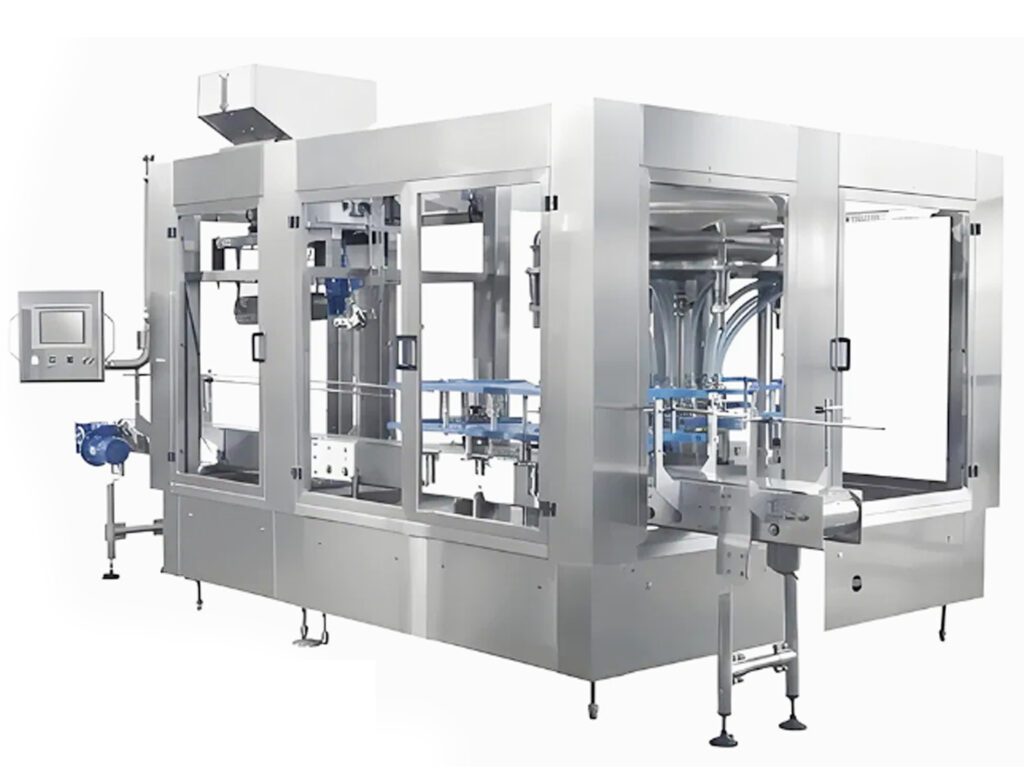
New Brewhouse vs. Refurbished: What Actually Changes
Buying new gets you full warranty coverage, current documentation, and (with MICET specifically) 24/7 after-sales support and a technical engineering team behind the install. It also means paying full price on every component, including the ones — static tanks — that don’t really need to be new to perform well. Buying refurbished on the static vessels while keeping pumps, control electronics, and packaging equipment new is how most budget-conscious startups actually land the equipment needed for a brewery inside the $30,000–80,000 range without cutting corners on the parts that matter for safety and food contact.
FAQ
Q: What’s the minimum equipment list to open a nano or micro brewery?
A: At minimum: a brewhouse (mash tun, kettle, HLT), enough fermenters to match your batch cadence, a bright tank, a chiller, and basic packaging (even a simple keg-filling setup). MICET’s smallest published brewhouse configuration starts at 2bbl.
Q: Does the $30,000–80,000 range include fermentation tanks and packaging equipment?
A: The published range covers microbrewery equipment as a package; MICET doesn’t publish a line-item breakdown showing fermentation tanks and packaging equipment priced separately within that figure. Confirm what’s bundled when you request a quote.
Q: Which pieces of a used brewhouse are safest to buy refurbished?
A: Static vessels — the mash tun, kettle, HLT shell, fermenters, and bright tanks — are the lowest-risk refurbished purchases because weld and surface condition are visually inspectable. Pumps, heat exchangers, and packaging equipment carry more risk due to hidden wear.
Q: Can I mix a refurbished brewhouse with new fermentation tanks, or vice versa?
A: Yes — this is a common way startups manage budget, since the risk profile differs by component category rather than by brand or age alone.
Q: Does MICET provide installation support for a first-time brewery owner?
A: MICET’s published team facts include 24/7 after-sales service and more than 20 sales representatives across different countries, which supports coordination for first-time installs. Confirm on-site vs. remote support scope for your specific location at the quote stage.
Q: Are small-batch pilot systems available for someone transitioning from homebrewing?
A: MICET’s published brewhouse range starts at 2bbl, which fits pilot-scale and recipe-development use rather than only larger commercial batches.