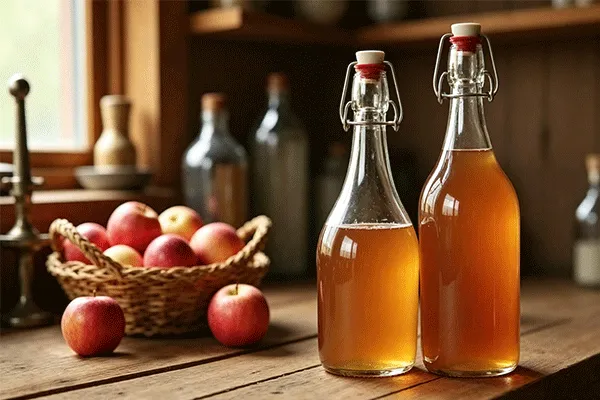
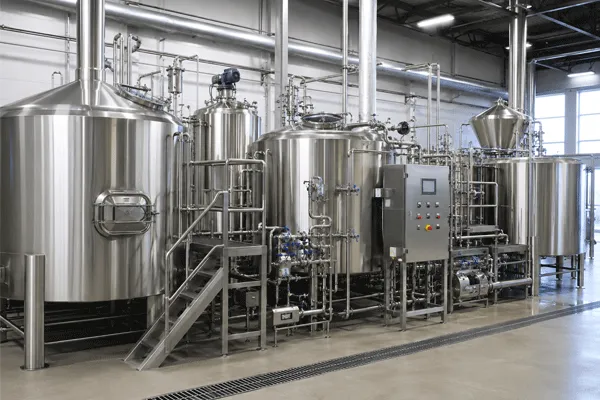
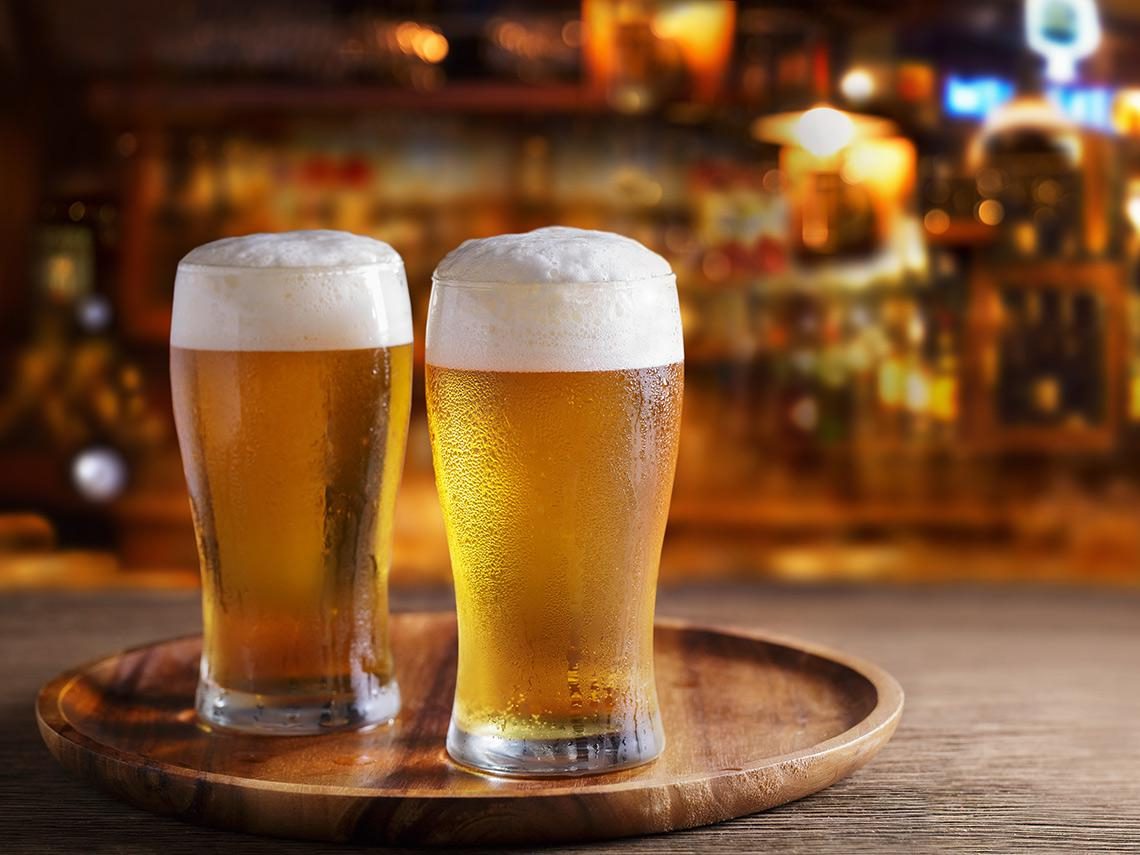
Die Aufnahme eines Geschäfts zur Alkoholproduktion umfasst mehr als den Kauf einer Brennblase. Eine ungeeignete Ausrüstungsauswahl, eine nicht passende Produktionskapazität und ineffiziente Prozessverbindungen können die Betriebskosten erhöhen und die Produktion verzögern. Die Zusammenarbeit mit erfahrenen Herstellern von Destillationsanlagen hilft Ihnen, ein System aufzubauen, das zu Ihren Produkten, den räumlichen Gegebenheiten Ihrer Fabrik und Ihren langfristigen Geschäftszielen passt.
Eine Alkoholdestillationsanlage ist eine integrierte Produktionsstätte, die Anlagen zur Gärung, Erhitzung, Dampftrennung, Kondensation und Lagerung nutzt, um Trinkspirituosen wie Whisky, Wodka, Gin, Rum und Weinbrand herzustellen. Eine geeignete Anlage kombiniert Pot Stills, Kolonnenbrennanlagen, Kondensatoren, Gärtanks, Lagerbehälter, Kühlsysteme und Prozesssteuerungen entsprechend der Produktionskapazität und den Produktanforderungen.
Artikel Gliederung
- Was ist eine Alkoholdestillationsanlage und wie funktioniert sie?
- Wie wirken sich Rohstoffe und Gärung auf die Auslegung einer Destillerieanlage aus?
- Welche Arten von Destillationsanlagen benötigen moderne Brennereien?
- Wie wählen Sie das richtige Destillationssystem für verschiedene Spirituosen aus?
- Wie sollten Sie die Kapazität und Produktionseffizienz einer Brennereianlage planen?
- Warum sind Erhitzen, Kühlen und Wärmetauscher wichtig?
- Welche Materialien und Sicherheitsmerkmale sollte eine Brennereianlage umfassen?
- Wie verbessert die Automatisierung die Alkoholproduktion?
- Was sollte eine schlüsselfertige Brennereianlage vollständig umfassen?
- Wie wählen Sie den richtigen Hersteller für eine Alkohol-Destillationsanlage aus?
1. Was ist eine Alkohol-Destillationsanlage und wie funktioniert sie?
An alcohol distillation plant is a facility designed to produce concentrated alcoholic spirits from fermented raw materials. It combines several production stages, including raw material preparation, fermentation, distillation, condensation, purification, storage, and packaging.
Der Hauptzweck der Destillation besteht darin, Alkohol und andere flüchtige Komponenten von einer vergorenen Flüssigkeit zu trennen. Das Verfahren nutzt Unterschiede in der Flüchtigkeit und im Siedeverhalten, um die gewünschte Alkoholkonzentration und die angestrebten Produkteigenschaften zu erzielen. Brenner können die Anlagenkonfiguration an die jeweilige Spirituosenart anpassen.
Eine typische Brennereianlage umfasst:
| Ausrüstung | Hauptfunktion |
|---|---|
| System zur Rohstoffaufbereitung | Bereitet Getreide, Obst oder andere Rohstoffe vor |
| Maischekocher | Supports preparation of grain-based materials |
| Gärtanks | Wandeln vergärbare Zucker in Alkohol um |
| Pot still | Unterstützt die traditionelle diskontinuierliche Destillation |
| Destillationskolonne | Supports controlled separation and rectification |
| Kondensator | Converts alcohol vapor into liquid |
| Destillatsammeltank | Sammelt destillierte Flüssigkeit |
| Lager- und Mischtanks | Fertige Spirituosen lagern und vorbereiten |
| CIP-System | Unterstützt die Reinigung der Ausrüstung |
| Bedienfeld | Überwacht und steuert Produktionsparameter |
Der Prozess beginnt mit der Rohstoffaufbereitung und der Fermentation. Nach der Fermentation gelangt die Flüssigkeit in die Destillationseinheit, wo durch kontrolliertes Erhitzen Dampf entsteht. Der Kondensator kühlt den Dampf anschließend zu flüssiger Spirituose ab.
Für gewerbliche Hersteller muss jede Phase nahtlos mit den anderen zusammenarbeiten. Ein gut konzipiertes Destillationssystem verbessert die Prozessstabilität, die Produktkonsistenz und die Produktionseffizienz.
2. Wie beeinflussen Rohstoffe und Gärung die Planung einer Brennereianlage?
Raw materials play an important role in determining the design of a distillery. Different materials require different preparation methods, fermentation conditions, and equipment configurations.
Zu den gängigen Rohstoffoptionen gehören:
- Getreide: Gerste, Weizen, Mais und andere Getreidesorten werden für Spirituosen auf Getreidebasis verwendet.
- Melasse: Wird üblicherweise zur Rumherstellung verwendet.
- Obst: Wird für Obstbrände und andere besondere Spirituosen verwendet.
- Malz: Wichtig für die Herstellung von Whisky und Malzspirituosen.
- Zuckerbasierte Rohstoffe: Werden in ausgewählten Gärprozessen verwendet.
Das Aufbereitungssystem sollte auf die ausgewählten Rohstoffe abgestimmt sein. Beispielsweise benötigt eine getreidebasierte Brennerei möglicherweise Anlagen für Getreideannahme, Mahlen, Maischen sowie für die Aufbereitung von Würze oder Maische. Eine Rumproduktionslinie kann Anlagen erfordern, die für die Verarbeitung von Melasse und zuckerbasierten Fermentationsmaterialien geeignet sind.
Why Is Fermentation Capacity Important?
Die Gärung bestimmt, wie viel alkoholhaltige Flüssigkeit für die nächste Produktionsstufe zur Verfügung steht. Wenn die Gärtanks nicht genügend Flüssigkeit liefern können, steht die Destillationsanlage möglicherweise still.
Eine gewerbliche Brennerei sollte Folgendes berücksichtigen:
- Volumen der Fermentationscharge.
- Fermentation cycle time.
- Anzahl der Gärtanks.
- Raw material supply.
- Erforderliche Alkoholkonzentration vor der Destillation.
- Destillationsplan.
Ein professioneller Hersteller sollte das Verhältnis zwischen Gärkapazität und Destillationskapazität genau berechnen, anstatt jede Maschine einzeln auszuwählen.
Beispielsweise benötigt ein Whiskyhersteller möglicherweise mehrere Fermentationstanks, um eine regelmäßige Versorgung mit fermentierter Maische sicherzustellen. Ein Wodkahersteller, der hochreinen Neutralalkohol anstrebt, benötigt möglicherweise eine andere Anordnung für Fermentation und Rektifikation.
MICET bietet maßgeschneiderte Gärtanks und Brennereiausrüstung für unterschiedliche Anforderungen an die Getränkeproduktion.
3. Welche Arten von Destillationsanlagen benötigen moderne Brennereien?
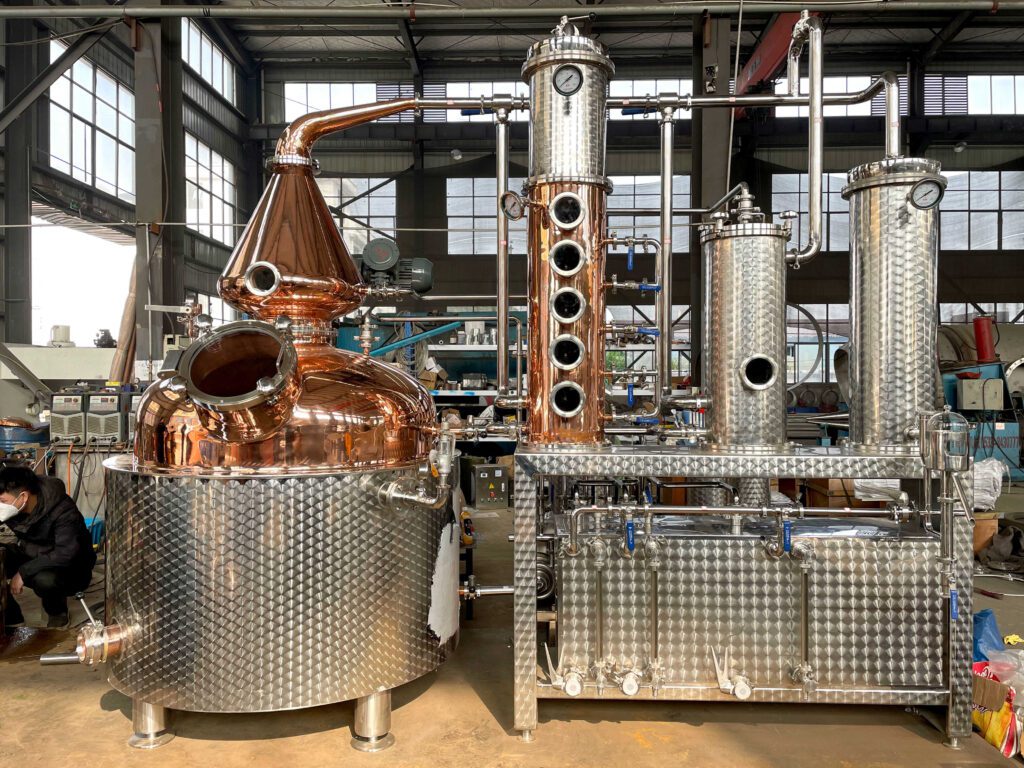
Verschiedene Brennereianlagen verwenden je nach Produktionsumfang, Spirituosentyp und Betriebsweise unterschiedliche Ausrüstungen. Die drei wichtigsten Brennapparat-Konfigurationen sind diskontinuierliche Brennapparate, Kolonnenbrennapparate und hybride Brennapparate.
Pot-Still-Systeme
Best suited for traditional batch spirit production.
Brennblasen werden häufig für Whisky, Rum, Brandy und andere aromabetonte Spirituosen eingesetzt. Sie ermöglichen es Brennern, einzelne Chargen zu steuern und die Produktionsbedingungen entsprechend dem Rezept anzupassen.
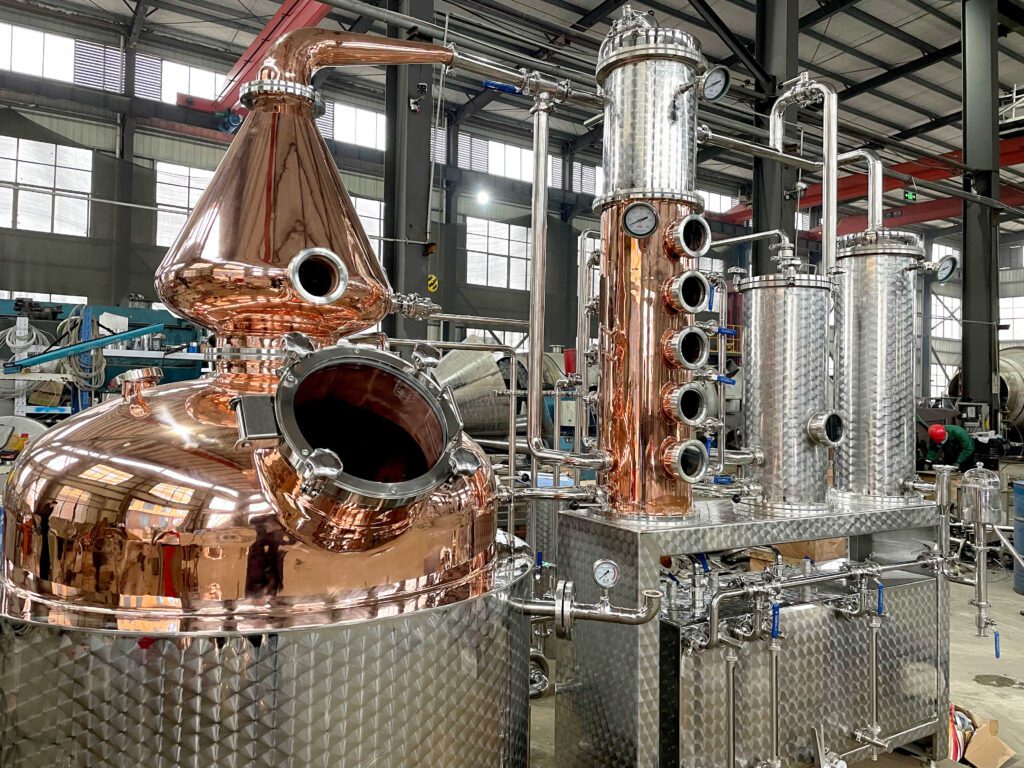
Ein typisches Brennkesselsystem umfasst:
- Brennblase
- Heizsystem
- Brennhelm oder Kupferhelm
- Dampfleitung
- Kondensator
- Ausrüstung zur Spirituosensammlung
Kupferkomponenten werden häufig für die traditionelle Herstellung von Spirituosen ausgewählt, da Kupfer während der Destillation mit bestimmten Schwefelverbindungen reagiert.
Kolonnendestillationssysteme
Besonders geeignet für eine kontrollierte Trennung und einen höheren Durchsatz.
Eine Kolonnenbrennblase nutzt mehrere Trennstufen, um den Kontakt zwischen Dampf und Flüssigkeit zu steuern. Die Anzahl und Anordnung der Böden oder Abschnitte beeinflusst die Trennleistung.
Kolonnensysteme werden häufig für die Herstellung von Wodka und Neutralalkohol eingesetzt. Sie können auch für andere Anwendungen konfiguriert werden, die spezifische Trenneigenschaften erfordern.
Hybride Destillationssysteme
Am besten geeignet für Hersteller, die mehrere Spirituosenarten produzieren.
Eine Hybridbrennblase kombiniert Merkmale von Anlagen mit Brennblase und Kolonnenbrennblase. Sie bietet Herstellern mehr Flexibilität bei der Entwicklung verschiedener Produkte.
| Art der Brennapparatur | Hauptvorteil | Typische Anwendungen |
|---|---|---|
| Pot Still | Traditional flavor development | Whisky, Rum, Brandy |
| Säule Still | Kontrollierte Trennung und Durchsatz | Wodka, Neutralalkohol |
| Hybrid-Brennblase | Flexible production | Brennereien für mehrere Produkte |
MICET manufactures and customizes these three core configurations according to spirit style, batch size, and automation requirements.
4. Wie wählen Sie das richtige Destillationssystem für verschiedene Spirituosen aus?
Die Auswahl eines Destillationssystems beginnt beim Endprodukt. Eine Whiskybrennerei hat andere Anforderungen an die Ausrüstung als eine Produktionsanlage für Wodka oder Gin.
Whiskyhersteller konzentrieren sich beispielsweise häufig auf die Geschmacksentwicklung und den Kontakt mit Kupfer. Wodkahersteller benötigen in der Regel eine umfassendere Trennung und Reinigung. Ginhersteller benötigen möglicherweise Anlagen zur Mazeration von Botanicals, um das gewünschte Aroma zu entwickeln.
The following table provides a general reference:
| Art der Spirituose | Empfohlene Ausrüstung | Wichtigste Auslegungsüberlegung |
|---|---|---|
| Whisky | Pot still or hybrid still | Flavor development |
| Wodka | Säule still | Neutral spirit and purity targets |
| Gin | Pot still with gin basket | Botanical extraction |
| Rum | Pot still or column still | Fermented molasses or sugar-based wash |
| Brandy | Pot still | Fruit character and aroma |
| Neutral spirit | Column distillation system | Separation and product specifications |
What About High-Purity Neutral Alcohol?
Some producers require extra neutral alcohol (ENA) or other high-purity neutral spirits.
These applications require suitable column configuration, reflux management, product monitoring, and downstream purification where specified. The equipment should be engineered around the required product specification rather than a general claim of high purity.
For vodka manufacturers, MICET offers customized distillation solutions, including a 20-layer copper distillation column and PLC-based process control options.
A professional distiller should discuss the target alcohol strength, throughput, product characteristics, and applicable local requirements before finalizing the system.
5. How Should You Plan Distillery Plant Capacity and Production Efficiency?
Production capacity is one of the most important decisions when planning a new alcohol plant.
A system that is too small may limit business growth. An oversized distillery plant can increase initial investment, utility costs, and unused equipment capacity.
Before selecting a production plant, calculate:
- Expected annual production.
- Required output per batch.
- Number of operating days.
- Fermentation cycle time.
- Distillation cycle time.
- Storage requirements.
- Future expansion plans.
MICET Distillery Equipment Capacity Range
MICET provides distillery equipment configurations across several capacities.
| Equipment Capacity | Typical Project Positioning |
|---|---|
| 200L | Pilot production and small distilleries |
| 300L | Small-scale craft spirit production |
| 500L | Growing craft distilleries |
| 800L | Expanded small commercial production |
| 1,000L | Commercial craft distilleries |
| 1,500L | Growing commercial operations |
| 2,000L | Medium-scale production |
| 3,000L | Größere kommerzielle Projekte |
| 5,000L | Higher-capacity production facilities |
These capacities represent available equipment configurations, not guaranteed finished alcohol output. Actual production depends on working volume, raw materials, fermentation performance, distillation cycles, and product specifications.
Why Is Future Expansion Important?
A new distillery may start with a relatively small production target. However, successful products can create demand for higher output.
A scalable layout should leave room for:
- Additional fermentation tanks.
- Larger distillation columns.
- Extra storage tanks.
- New filtration equipment.
- Expanded cooling capacity.
- Additional packaging equipment.
This approach helps businesses expand without rebuilding the entire facility.
6. Why Are Heating, Cooling, and Heat Exchangers Important?
Heating and cooling systems have a direct effect on distillation performance.
The heating system provides the energy required to bring fermented liquid to the operating temperature. Steam heating, electric heating, and other suitable heating arrangements can be selected according to project requirements.
A condenser then cools the vapor and converts it into liquid. Its capacity must match the expected vapor load and operating conditions.
Main Utility Systems
| Versorgung | Zweck | Planning Consideration |
|---|---|---|
| Steam or electric heating | Supplies process heat | Heating capacity and energy source |
| Cooling water | Supports condensation | Water flow and temperature |
| Glycol system | Supports process cooling | Cooling load and temperature |
| Heat exchangers | Transfer heat between process streams | Thermal duty and flow |
| Water supply | Supports production and cleaning | Water quality and availability |
| Druckluft | Operates pneumatic equipment | Pressure and consumption |
How Can Heat Recovery Improve Energy Efficiency?
Heat exchangers can transfer heat from one process stream to another. For example, recovered heat may support preheating of incoming process liquid when the system is designed for this purpose.
This can reduce the amount of additional heating energy required.
However, the actual benefit depends on temperature differences, flow rates, operating schedules, and equipment design.
An industrial distillation plant should consider heating and cooling as one integrated system rather than treating them as separate accessories.
For international projects, utility design should also account for local electricity supply, steam availability, water conditions, and installation requirements.
7. What Materials and Safety Features Should a Distillery Plant Include?
Material selection affects sanitation, durability, maintenance, and product quality.
Stainless steel is widely used in fermentation tanks, storage tanks, process piping, and other product-contact equipment. Copper is also important in traditional spirit production.
A well-designed system may combine the two materials according to the intended application.
Stainless Steel vs. Copper
| Material | Vorteile | Typische Anwendungsbereiche |
|---|---|---|
| Stainless Steel | Corrosion resistance, hygienic surface, easy cleaning | Tanks, pipes, storage vessels |
| Kupfer | Traditional distillation material and interaction with sulfur compounds | Still heads, columns, vapor-contact components |
The selected grade, thickness, surface finish, welding quality, and cleaning design should be documented in the technical specification.
What Safety Features Should Plant Manufacturers Provide?
Alcohol vapor is flammable. Therefore, safety engineering must be part of the original plant design.
Important considerations include:
- Suitable ventilation.
- Electrical equipment appropriate for the classified area.
- Pressure protection.
- Temperature monitoring.
- Emergency shutdown arrangements.
- Proper grounding and bonding.
- Safe vapor handling.
- Suitable pipework and valves.
- Operator training and maintenance procedures.
Equipment manufacturers should coordinate their design with local engineering and compliance professionals. Equipment supply alone does not replace local permits or site approvals.
8. How Does Automation Improve Alcohol Production?
Modern distilleries need stable process control to maintain consistent product quality.
Manual operation may be suitable for some small batch systems. However, growing facilities often benefit from PLC automation and digital monitoring.
A process control system can monitor:
- Heating temperature.
- Pressure.
- Liquid levels.
- Flow rates.
- Cooling conditions.
- Pump operation.
- Valve status.
- Production alarms.
Automation can help reduce operator workload and improve production repeatability.
Basic vs. Advanced Automation
| Feature | Basic Control | Advanced PLC Control |
|---|---|---|
| Temperature monitoring | Manual or digital display | Integrated sensors |
| Heating control | Operator adjustment | Automatic control |
| Valve operation | Manual | Automatic or pneumatic |
| Process monitoring | Local instruments | Central control panel |
| Alarm functions | Begrenzt | Configurable alarms |
| Production records | Manual | Optional digital records |
Not every distillery needs a fully automated production line.
A small craft distiller may prefer a simple control panel with essential temperature and safety functions. A larger commercial facility may benefit from integrated controls across fermentation, heating, cooling, and distillation.
MICET can configure control options according to the actual process, equipment arrangement, and operator requirements.
9. What Should a Complete Turnkey Distillery Plant Include?
A turnkey distillery project should cover more than the main still.
It should connect raw material preparation, fermentation, distillation, storage, cleaning, and packaging into one practical production layout.
A typical project may include:
| Production Section | Hauptausrüstung |
|---|---|
| Rohstoffhandhabung | Grain handling, milling, transfer equipment |
| Mash Preparation | Mash tun, mash cooker, heating system |
| Gärung | Stainless steel fermentation tanks |
| Primärdestillation | Pot still or hybrid still |
| Rectification | Column still and related components |
| Kondenswasser | Condenser and cooling system |
| Lagerung | Spirit storage tanks |
| Blending | Blending tanks and transfer pumps |
| Reinigung | CIP-System |
| Verpackung | Bottle filling and packaging equipment |
| Automatisierung | PLC, sensors, valves, and control panels |
A complete project also requires layout planning, utility connections, transportation, installation guidance, testing, and operator training.
How Does a Manufacturer Support the Whole Project?
Working with one experienced manufacturer can simplify coordination between different equipment groups.
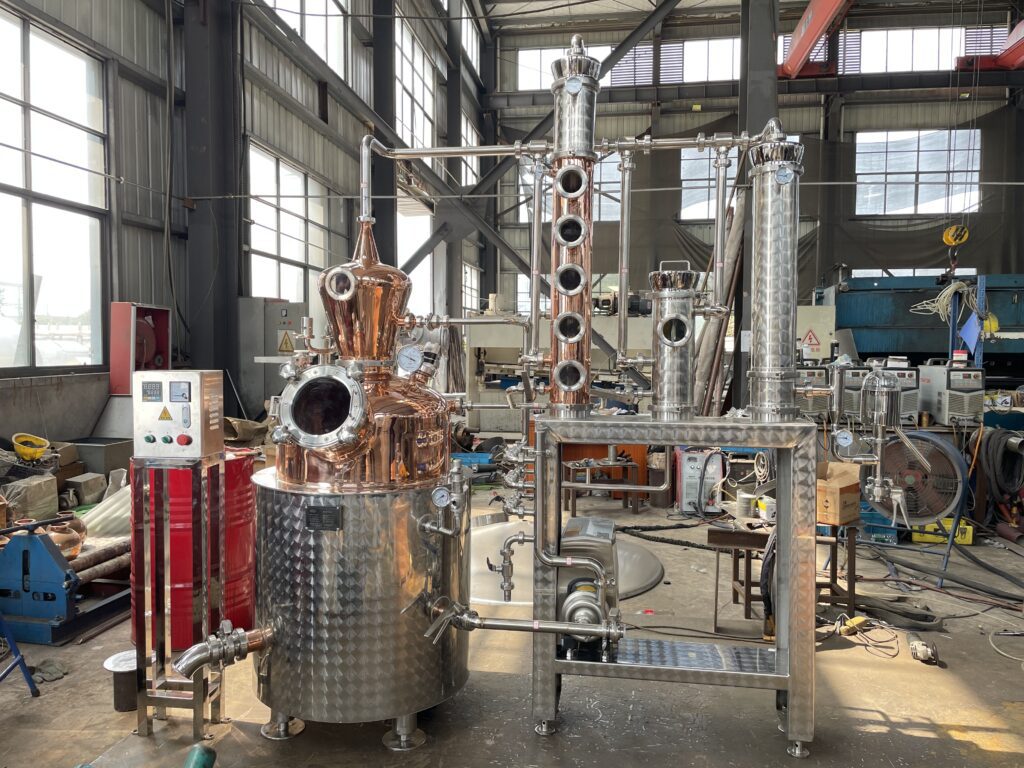
As a professional brewery, distillery, and beverage equipment manufacturing plant, MICET provides customized stainless steel brewing systems, fermentation tanks, brewhouse systems, and distillery solutions for global B2B customers.
Our project support focuses on:
- Customized equipment configuration.
- Production capacity planning.
- Equipment layout and integration.
- Stainless steel and copper fabrication.
- Process and utility coordination.
- Equipment inspection and testing.
- Installation and commissioning guidance.
- Long-term technical support.
We can also evaluate hybrid new-and-used equipment packages where suitable, helping customers manage initial investment while maintaining important safety and process requirements.
10. How Do You Select the Right Alcohol Distillation Plant Manufacturer?
Choosing between alcohol distillation plant manufacturers should involve more than comparing the best price.
A suitable manufacturer needs to understand your intended spirits, production capacity, site conditions, equipment configuration, and long-term operating goals.
Use the following checklist when evaluating a potential supplier:
| Evaluation Factor | What Buyers Should Confirm |
|---|---|
| Manufacturing capability | Factory production and fabrication experience |
| Process knowledge | Experience with the intended spirit type |
| Personalisierung | Capacity, still type, and layout options |
| Materialien | Stainless steel and copper specifications |
| Process integration | Fermentation, distillation, storage, and cooling |
| Safety | Pressure protection and electrical requirements |
| Automatisierung | PLC, temperature, and process monitoring |
| Quality control | Inspection and testing documentation |
| Export experience | Packing, shipping, and technical documents |
| After-sales service | Installation guidance and spare parts |
What Information Should You Prepare Before Requesting a Quote?
To help the manufacturer prepare a suitable proposal, provide:
- Spirit type: whisky, gin, vodka, rum, brandy, or other products.
- Target production capacity: liters per batch or annual output.
- Preferred still type: pot, column, or hybrid.
- Raw materials and fermentation requirements.
- Available factory dimensions.
- Heating source and utility conditions.
- Automation requirements.
- Destination country and applicable standards.
- Project budget and expected delivery schedule.
MICET is a manufacturer and exporter of customized brewery, distillery, and beverage equipment. Our team can help develop a suitable plant configuration based on your production goals, available space, and investment plan.
Whether you are establishing a small craft distillery or expanding a commercial alcohol production facility, the right engineering partner can help reduce project risk and support stable operation.
Contact MICET to discuss your alcohol distillation plant project. Share your target capacity, spirit type, and factory layout to receive a customized equipment proposal.
Häufig gestellte Fragen
What equipment is required for an alcohol distillation plant?
A typical plant requires raw material preparation equipment, fermentation tanks, pot or column stills, condensers, storage tanks, pumps, piping, cooling systems, and control panels. Additional equipment depends on the spirit type and production capacity.
Was ist der Unterschied zwischen einem Pot Still und einem Column Still?
A pot still is mainly used for batch distillation and traditional flavor-focused spirits. A column still provides multiple separation stages and is often selected for neutral spirits and higher-throughput production. Hybrid systems combine features of both designs.
How much capacity does a commercial distillery need?
There is no universal capacity. A small craft distillery may begin with a 200L–500L system, while growing commercial producers may consider 1,000L–5,000L configurations. The correct choice depends on production targets, fermentation time, and operating schedules.
Can one distillery produce whisky, gin, vodka, and rum?
Yes, a suitably designed distillery can produce several spirit types. However, different products may require different still configurations, botanical baskets, fermentation arrangements, and cleaning procedures. The system should be designed around the planned product range.
What is the role of a distillation column?
A distillation column provides repeated vapor-liquid contact to support separation of alcohol and other volatile components. Its configuration, number of plates or sections, reflux arrangement, and operating conditions influence separation performance.
Do distillery plant manufacturers provide turnkey solutions?
Many professional manufacturers provide complete project services, including equipment design, manufacturing, layout planning, utility coordination, installation guidance, commissioning support, and technical service. The exact project scope should be confirmed in the quotation.
Key Points to Remember
- An alcohol distillation plant requires coordinated equipment from raw material preparation to finished spirit storage.
- Pot stills, column stills, and hybrid stills serve different production requirements.
- Raw materials and fermentation capacity influence the complete plant configuration.
- Production capacity should match actual demand and future expansion plans.
- Heating, cooling, condensers, and heat exchangers affect energy efficiency.
- Stainless steel and copper have different roles in professional distillery equipment.
- Safety engineering and local compliance must be considered before installation.
- PLC automation can improve process monitoring and production consistency.
- A turnkey distillery solution simplifies equipment integration and project coordination.
- Choosing an experienced manufacturer supports reliable production and long-term business growth.