










Nancy Shang | Founder and CEO, MICET | Published September 17, 2026
Sourcing wholesale brewing equipment as a distributor means evaluating package contents, MOQ tiers, certification scope, and after-sales handoff — not just unit price. This guide walks through what MICET publishes on each of those points, where the gaps are, and what to ask before signing a regional agreement.

What “Wholesale Brewing Equipment” Means for a Distributor, Not an End User
A brewery owner buying one 10 BBL system cares about brew day performance. A distributor buying wholesale brewing equipment cares about something different: whether the manufacturer can support ten of those systems shipped to ten different customers, each with their own installation timeline, warranty claim, and spare parts request.
That shift changes which questions matter. Unit specs still matter, but they sit alongside questions a single-unit buyer never asks — pricing tiers by volume, documentation the distributor can hand to their own customer, and who answers the phone when a compressor fails in month eight.
OEM vs. ODM: Two Different Deals, Not Interchangeable Terms
OEM (original equipment manufacturer) arrangements typically mean the distributor sources a manufacturer’s standard design and resells it, sometimes under their own brand name on the nameplate. ODM (original design manufacturer) arrangements go further — the manufacturer adjusts the design itself to a distributor’s specifications before production.
MICET’s published catalog describes standard configurations (used brewhouse packages, fermentation tanks, kombucha and distillery lines) rather than a formal OEM/ODM program with defined tiers. Distributors evaluating white-label or private-label options should treat this as an open question to raise directly rather than an assumed service — the resource material behind this article doesn’t confirm branding terms, minimum customization thresholds, or nameplate policy.
The 2–10 BBL Package: What’s Actually Included
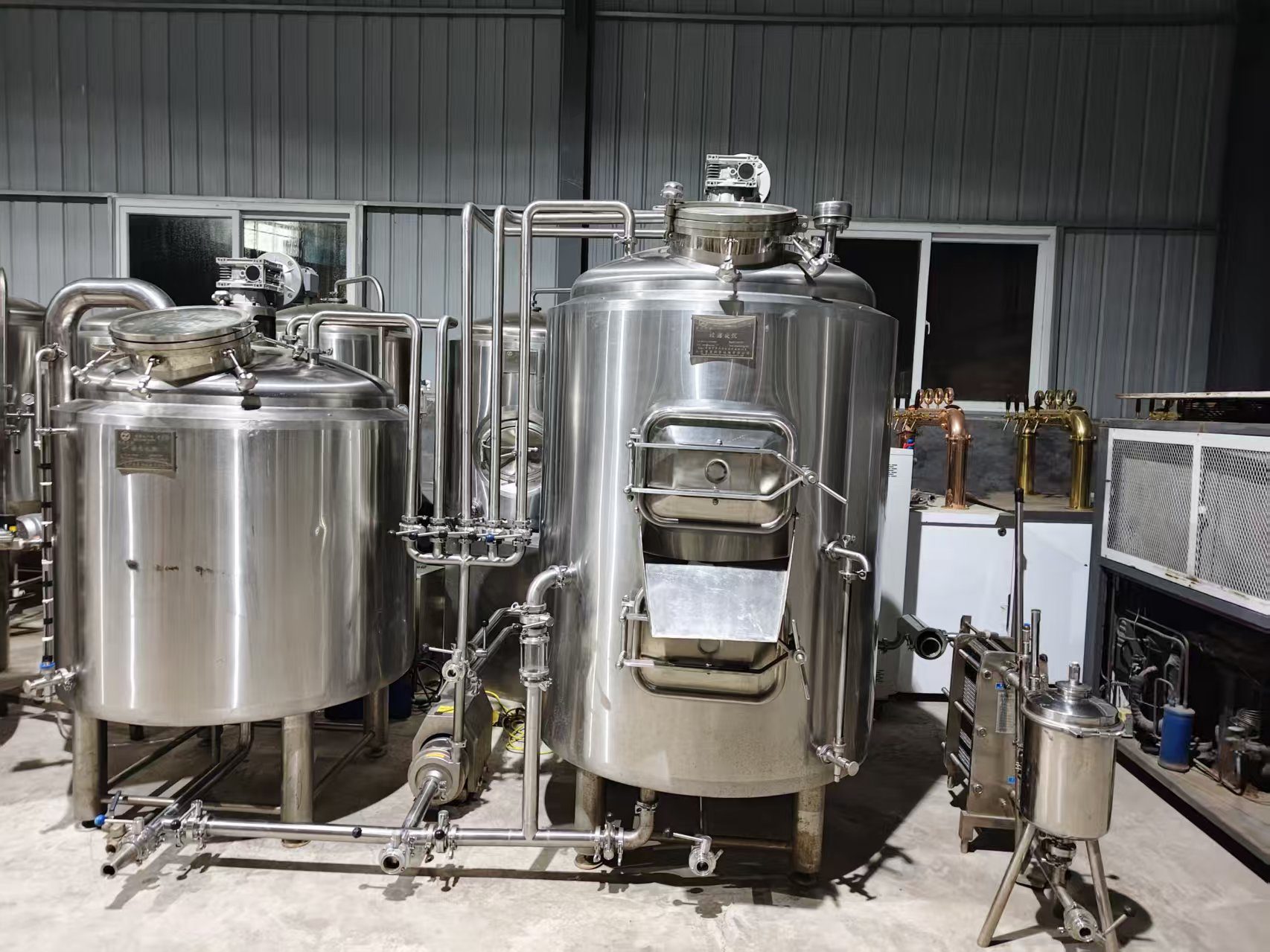
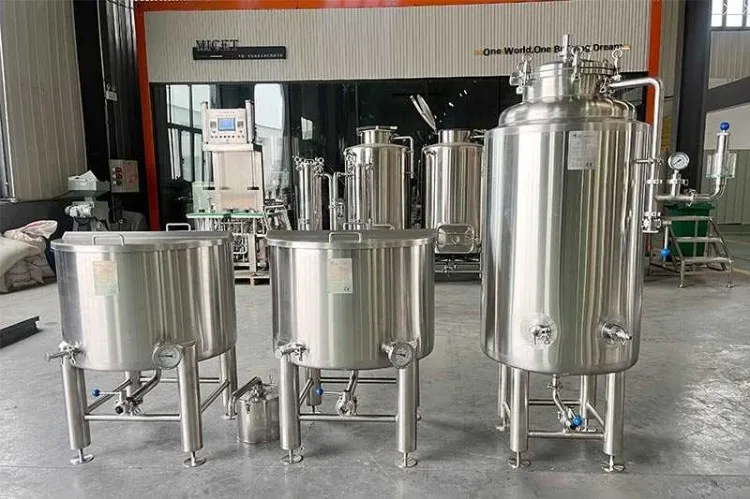
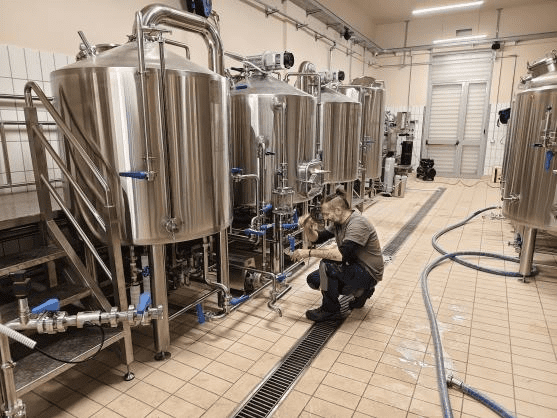
For distributors reselling into the craft and nano-brewery segment, MICET’s used brewery equipment line covers 2–10 BBL compact brewhouse configurations. The published package includes:
- Mash tun, kettle, and hot liquor tank (HLT) as a set
- Pumpen
- Wärmetauscher
- Bedienfeld
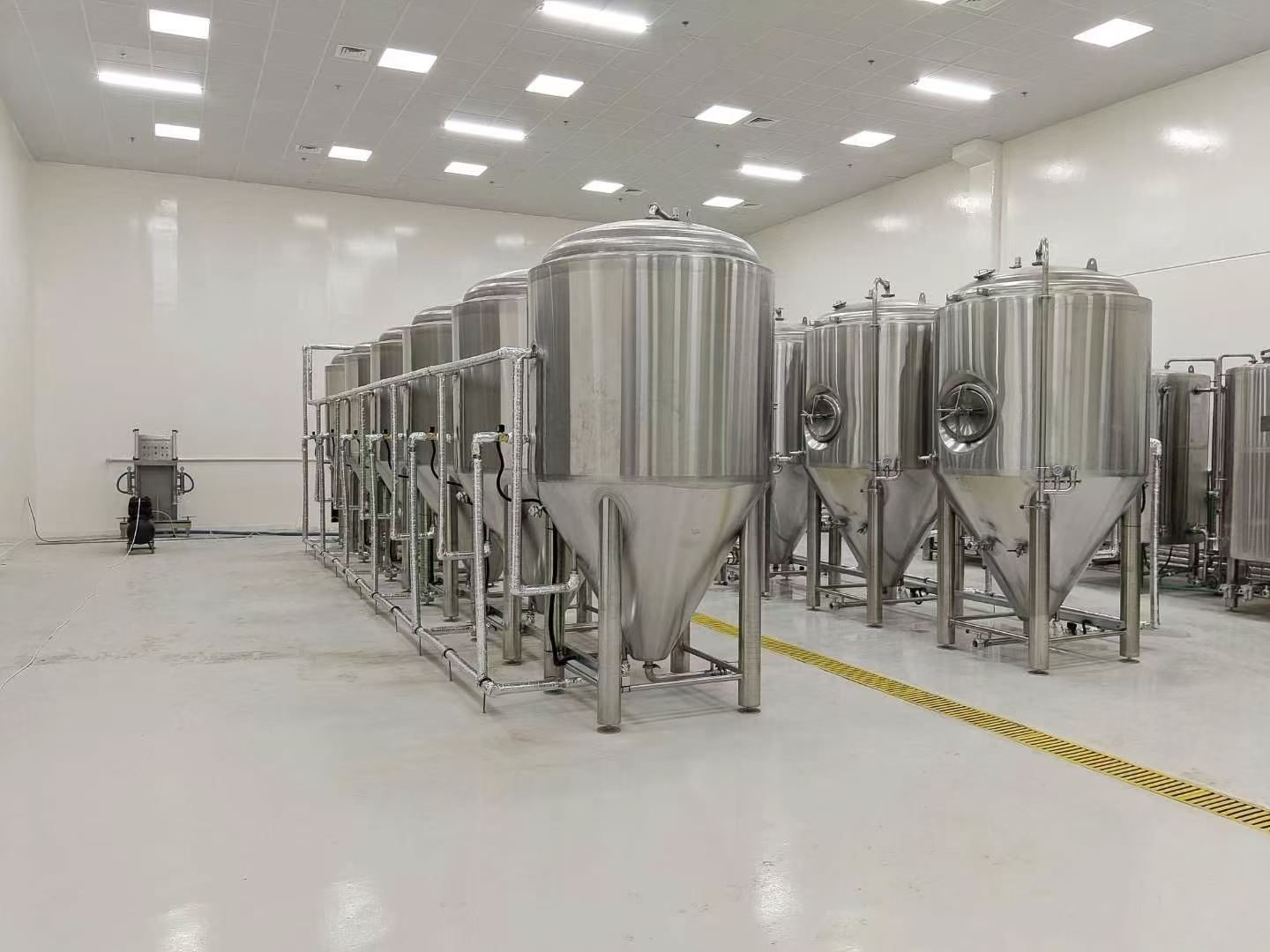
What isn’t itemized at this tier: fermentation tanks, packaging lines, and CIP systems are separate line items, not bundled into the base brewhouse package by default. A distributor quoting a “complete turnkey” system to their own customer needs to confirm which additional equipment gets added and priced separately, since the 2–10 BBL brewhouse figure alone won’t cover a full production setup.
MOQ Tiers: What’s Published and What You’ll Need to Ask For
Minimum order quantities for wholesale brewing supplies aren’t published in MICET’s available material. Distributors accustomed to seeing tiered MOQ pricing from other equipment categories should not assume the same structure applies here without confirming it directly — this is a genuine information gap in the source data behind this article, not an oversight in this guide.
What is documented is the scale of the operation behind the equipment: a 10,000+ m² certified production base and 22 years of combined technical engineering experience on the team. Neither figure substitutes for an MOQ number, but both are relevant context when a distributor is deciding whether a manufacturer can handle a multi-unit order on a compressed timeline.
Certification Distributors Need for Their Own Market
This is where distributors run into the most friction, because certification schemes are regional and a certificate covering one market doesn’t automatically satisfy another.
MICET holds a PED Verification (certificate 3N231110.SICS093, issued by Ente Certificazione Macchine Srl, valid through November 9, 2028) covering brewing equipment, beer equipment, brewery equipment, and pressure vessels under the EU’s Pressure Equipment Directive 2014/68/EU, tested to EN 1626:2008. That certification sits at the organization and product-line level — it doesn’t automatically apply to a specific used unit pulled from resale inventory, and a distributor reselling a used system should request that unit’s individual test documentation separately.
On the gebrauchte Brauereianlagen product page specifically, certification is referenced generically as “ASME/CE” craftsmanship, without a registration number or issuing body listed. That distinction matters for distributors targeting the US market: ASME (the American boiler and pressure vessel code) and the EU’s CE/PED scheme are not the same certification framework, and a CE-marked pressure vessel isn’t automatically ASME-compliant. Distributors selling into ASME-jurisdiction markets should confirm ASME-specific documentation exists for the actual units they’re ordering, not assume CE coverage extends there.
Pricing Structure by Tier
| Package Tier | Published Range |
| Microbrewery equipment | 30,000–80,000 USD |
| Commercial brewery equipment (10 BBL minimum) | 50,000–80,000 USD |
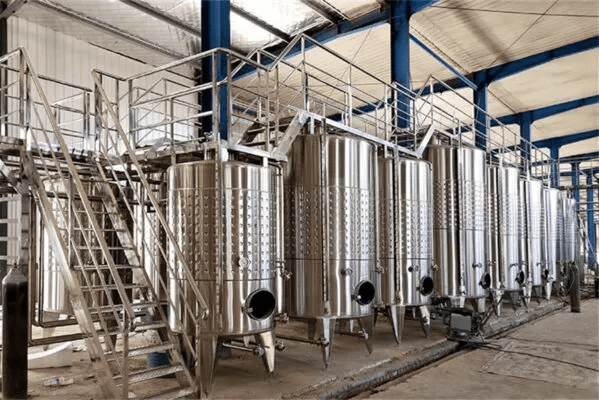
| Fermentation, kombucha, distillery, wine, and packaging lines | Not published — quote required |
For a distributor building a resale price list, only the two brewhouse tiers above have a published floor and ceiling. Everything outside the brewhouse category needs a direct quote before it can be priced for a customer, and that quote request should specify capacity and configuration rather than assuming the brewhouse ranges scale proportionally to other equipment types.
Where MICET Already Has Agents — and Where That Leaves Room
MICET operates service centers or agent offices in France, Australia, Canada, Argentina, and Chile, with confirmed sales agents or distributors already active in Canada, the USA, the UK, France, Georgia, Italy, South Africa, India, Argentina, and Chile. A distributor evaluating a new territory should check this list first — a region with an existing agent means a different conversation (possible sub-distribution or coordination) than a region with no coverage yet, which is a more straightforward greenfield discussion.
After-Sales Support: Who Handles the Warranty Call?
MICET advertises 24/7 after-sales service and more than 20 sales representatives across different countries. What isn’t specified in the available material is how warranty and service responsibility splits between MICET directly and a regional distributor once equipment is installed — whether the distributor becomes the first point of contact for their own customers, or whether service requests route back to MICET’s team regardless of territory. This is a contractual detail distributors need to settle before finalizing a regional agreement, not something to infer from the general after-sales claim alone.
The Compliance Gap Most Distributors Miss First
The most common mistake in wholesale brewing equipment sourcing isn’t a pricing error — it’s assuming a supplier’s published certification covers every export market a distributor plans to sell into. A manufacturer with solid EU documentation can still leave a distributor exposed in a market that requires ASME, UL, or a national equivalent that hasn’t been tested against. The fix isn’t complicated, but it does take an extra step most distributors skip under deadline pressure: confirm certification scope against each target country’s actual import and installation requirements before quoting a customer, not after the equipment ships.
Getting Set Up as a Regional Partner: 6 Steps
- Identify whether your target territory already has a confirmed MICET agent or service center, using the coverage list above.
- Request current pricing for the specific package tier and capacity range you plan to resell.
- Ask directly about MOQ, OEM/ODM terms, and any private-label or nameplate options — none of these are published, so they need a direct answer before you build a resale price list.
- Confirm certification scope for your target market specifically, including whether ASME or another regional equivalent is available or needs separate arranging.
- Clarify the after-sales service split in writing — who handles first-line support, warranty claims, and spare parts requests once equipment reaches your customer.
- Request documentation you can hand to your own customers: installation manuals, layout drawings, and individual-unit test records where applicable.
FAQ
Q: Does MICET offer white-label or private-label branding for distributors?
A: This isn’t confirmed in MICET’s published material. Distributors interested in nameplate or branding options should raise it directly rather than assume it’s a standard offering.
Q: What’s the minimum order quantity for wholesale brewing equipment?
A: MOQ figures aren’t published. Distributors should request tier-specific MOQ information directly when discussing a regional agreement.
Q: Is MICET’s CE/PED certification enough for the US market?
A: Not automatically. The published PED Verification (3N231110.SICS093) covers the EU’s Pressure Equipment Directive scheme. ASME, the US pressure vessel code, is a separate framework, and the used equipment line’s certification is referenced only generically as “ASME/CE” without a registration number — distributors targeting ASME-jurisdiction markets should confirm specific documentation before quoting customers there.
Q: Can MICET dispatch technicians to support installation in a new territory?
A: MICET advertises 24/7 after-sales service and a team of more than 20 sales representatives across different countries, but on-site technician dispatch terms for a specific territory aren’t detailed in the available material and should be confirmed directly for the region in question.