










Buying the wrong used system can drain cash, delay opening, and create hygiene risks. The pressure grows when the price looks attractive but the history is unclear. The solution is simple: inspect the tank, brewhouse, utilities, controls, and supplier support before you commit.
Used brewery equipment is pre-owned brewing equipment for sale, often from brewery closures, expansion projects, or inventory changes. Buyers should check stainless steel quality, capacity, tank pressure rating, weld condition, chiller load, control systems, cleaning design, shipping cost, and after-sales support before purchase
Résumé
- Used brewery equipment can reduce startup cost, but only when the system matches your brew size, building utilities, cleaning plan, and future expansion.
- The biggest risks are hidden tank damage, poor weld quality, missing control systems, incomplete pipeline parts, and wrong voltage or chiller capacity.
- A second-hand brewhouse may work well for a taproom, brewpub, kombucha room, winery, or small beverage plant, but not every pre-owned system fits every process.
- Food and beverage production equipment should support hygienic cleaning, safe operation, and practical maintenance; FDA CGMP guidance and ASME BPE principles are useful references for sanitary design.
- Buyers should compare total project cost, not only the machine price. Freight, removal, spare parts, installation, and retrofitting can change the real budget fast.
- As a professional brewery, distillery, winery, kombucha, and beverage equipment manufacturer, we suggest a technical review before any purchase decision.
Schéma de l'article
- What is used brewery equipment, and who should consider it?
- Why is second-hand brewery equipment attractive for startup and expansion projects?
- Which brewhouse size should you choose: 3bbl, 5hl, 7bbl, 10hl, or 20hl?
- How do you inspect a tank, fermenter, brite tank, and cellar system?
- What should you check in brewhouse equipment, kettle, mash tun, and pipeline?
- Are chillers, glycol systems, and cold liquor tanks safe to reuse?
- Do fillers, canning lines, keg washers, and kegging equipment make sense second-hand?
- How do control systems, electrical panels, and utilities affect total cost?
- Where can buyers find used brewing equipment, and how should they judge the seller?
- When is new brewery equipment better than used equipment?
What Is Used Brewery Equipment, and Who Should Consider It?
Used brewery equipment means pre-owned machinery for beer brewing, fermentation, cooling, cleaning, packaging, and serving. It can include a brewhouse, fermenter, brite tanks, chiller, glycol piping, keg washers, filler units, canning lines, and control panels. Some systems come from brewery closures. Others come from a closure, shutdown, upgrade, or expansion.
This option is popular with a startup brewery, microbrewery, brewpub, restaurant chain, cider producer, kombucha brand, cold brew coffee producer, winery, distillery, and beverage co-packer. They often want a shorter lead time and a lower first investment. That goal is reasonable. Cash matters.
But used brewery equipment should never be judged by price alone. In my project experience, the lowest quote can become the highest cost if key parts are missing. A missing pump, wrong voltage, damaged jacket, or undersized chiller can stop the whole brew plan.

Why Is Second-Hand Brewery Equipment Attractive for Startup and Expansion Projects?
Second-hand systems attract buyers because they can lower entry cost. A new and used comparison often shows that pre-owned brewhouses or tanks may reduce the starting budget, especially when the buyer already has a building, drain plan, and installation team. For a small brewpub, that can be helpful.
Used equipment also supports fast market testing. If a brewer wants to test local demand before building an industrial brewery, a small 3bbl or 5hl system may be enough. If the taproom grows, the buyer can add more fermentation capacity later. This step-by-step path feels safer than buying a large system too early.
However, the trade-off is clear. You may save money at the front, but you must accept inspection work, transport risk, cleaning verification, and possible retrofitting. Used brewery equipment is a good choice only when the real condition is known and the system fits your brewing operations.
Which Brewhouse Size Should You Choose: 3bbl, 5hl, 7bbl, 10hl, or 20hl?
Capacity is the first practical question. A 3bbl system may suit a small taproom, pilot room, or recipe testing project. A 5hl system can serve a small brewpub or boutique beverage room. A 7bbl system often fits local craft breweries that want regular onsite sales. A 10hl or 20hl system is better for commercial breweries with stronger demand.
Le right size depends on sales volume, batch frequency, fermentation days, cellar capacity, staff time, and packaging plan. Many new buyers focus only on the brewhouse. That is a mistake. If you can brew faster than your fermenters can hold product, production still gets stuck.
Here is a simple planning table:
| System Size | Common User | Main Advantage | Main Risk |
|---|---|---|---|
| 3bbl | Taproom, pilot brewery | Low starting cost | Limited output |
| 5hl | Brewpub, small brand | Flexible batch size | May outgrow quickly |
| 7bbl | Local craft beer producer | Good balance | Needs enough cellar space |
| 10hl | Growing microbrewery | Better production scale | Higher utility demand |
| 20hl | Commercial beer brewing | Strong output | Bigger building and budget needed |
A good supplier should ask about your sales plan before discussing equipment. We do this because the brewing process is a system, not one machine.
How Do You Inspect a Tank, Fermenter, Brite Tank, and Cellar System?
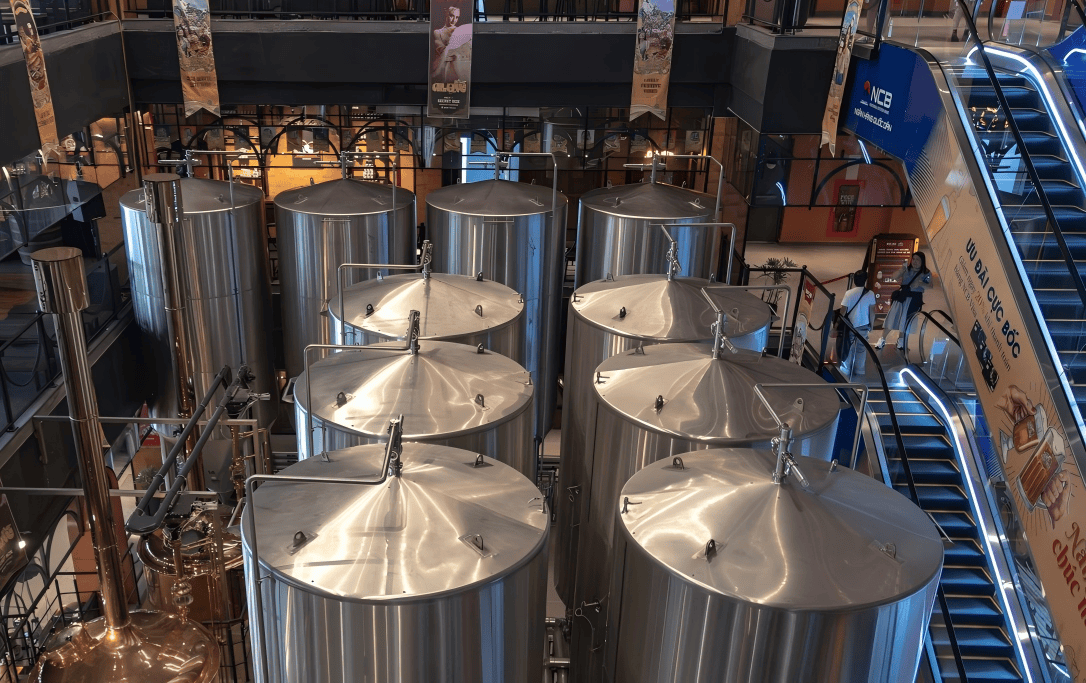
The tank is the heart of fermentation. When checking a fermenter, look at the inner surface, welds, manway, cooling jacket, pressure rating, valves, sample port, CIP spray ball, and bottom cone. A conical tank can work well for yeast collection, but only when the cone and outlet are clean and undamaged.
Brite tanks also need careful review. Check pressure design, carbonation stone, sight glass, level tube, relief valve, and cleaning access. If a tank once held strong chemicals or unknown liquid, avoid it unless you can verify its history. For beverage equipment, hygiene matters more than shine.
A buyer should request photos, videos, nameplates, drawings, pressure test records, and packing details. If the tank has dents, damaged jackets, deep scratches, or unclear welding repairs, the low price may not be worth it. In food and drink production, the hidden surface is often more important than the visible one.
What Should You Check in Brewhouse Equipment, Kettle, Mash Tun, and Pipeline?
Brewhouse equipment includes the mash tun, lauter tun, kettle, whirlpool, pumps, heat exchanger, valves, platform, and pipeline. Some complete brewhouses also include grain handling, hot water tank, cold liquor tank, and control systems. The more complete the package, the easier the installation.
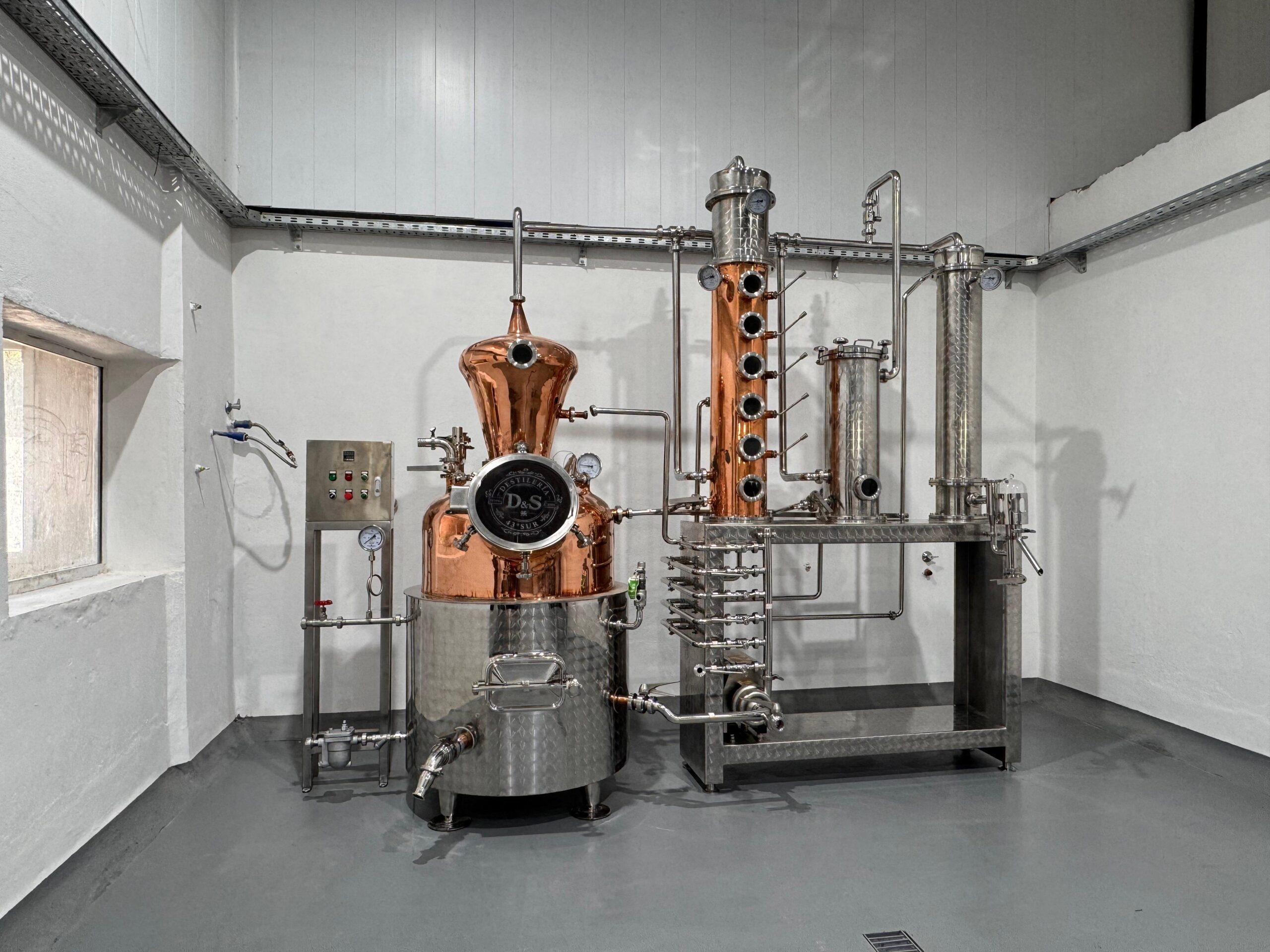
When checking a used brewhouse, inspect heating method, steam jacket, electric heater, gas burner, mixer motor, false bottom, spray ball, pump condition, and connection size. Check whether the system was made for the same brew style and output you plan to run. A system built for one process may not suit another.
Pipeline layout is also important. Poor pipe design can trap liquid and make cleaning harder. The FDA’s CGMP information on food manufacturing highlights the importance of equipment, sanitary operations, facility sanitation, and production controls. ASME BPE also covers hygienic design principles for process equipment. These references are not “marketing claims.” They help buyers ask better questions.
Are Chillers, Glycol Systems, and Cold Liquor Tanks Safe to Reuse?
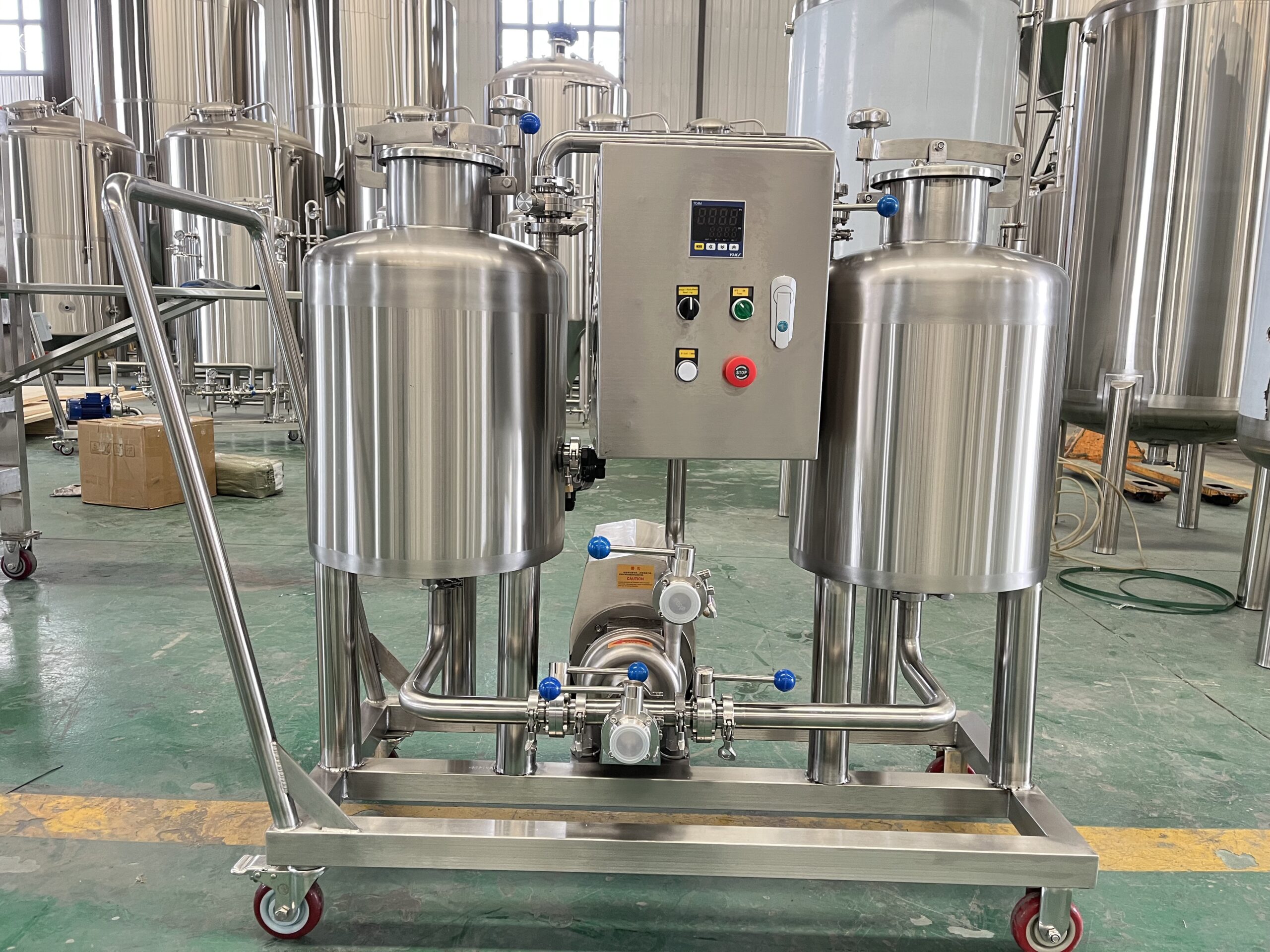
A chiller can be reused if the cooling load, refrigerant condition, compressor, pump, heat exchanger, and electrical system are suitable. But it must match the full project, not only the tank count. Fermentation heat, crash cooling, ambient temperature, and future expansion all affect chiller sizing.
Glycol systems need careful inspection. Check leaks, pump performance, insulation, pipe condition, temperature control, and valve operation. If glycol lines are old or poorly insulated, energy cost may rise. A cheap chiller can become expensive every month.
Cold liquor tanks are simpler, but still need attention. Check the inner surface, weld quality, insulation, cooling coil, and CIP access. For startup buyers, my usual advice is this: reuse tanks only when condition is clear, but be more cautious with refrigeration and automation because failures can stop production quickly.

Do Fillers, Canning Lines, Keg Washers, and Kegging Equipment Make Sense Second-Hand?
Packaging machines can save money when bought second-hand, but they also carry more risk. A 4-head filler, bottle filler, can seamer, canning line, or keg washer has many moving parts. Small wear can affect oxygen pickup, fill level, foam, seal quality, and cleaning.
Canning lines need special review. Check can size range, seam quality, change parts, conveyor condition, dissolved oxygen control, and spare parts availability. Kegging equipment should be checked for cleaning cycle, pump, chemical dosing, steam or hot water requirements, and safety interlocks.
A used filler may be fine for a small taproom, but it may not support stable commercial packaging. If you sell through distributors or agents, product consistency becomes more important. In that case, compare the used price with a new, correctly sized filler from a manufacturer that can provide installation guidance and service.
How Do Control Systems, Electrical Panels, and Utilities Affect Total Cost?
Control systems can make or break a used system. Old panels may use parts that are hard to source. The screen may fail. The program may be locked. Sensors may not match your local voltage, language, or safety rules. This is one of the most common hidden costs in used brewing equipment.
Before buying, confirm voltage, phase, frequency, PLC brand, wiring drawings, sensor type, and whether remote support is possible. If the system comes from another country, you may need electrical conversion. That cost should be included in your budget from day one.
Utilities are just as important. Steam, electric power, water, drainage, compressed air, ventilation, and floor loading all matter. A brewery is not only a row of shiny tanks. It is a working production room. If the building cannot support the system, the project will slow down.
Where Can Buyers Find Used Brewing Equipment, and How Should They Judge the Seller?
Buyers often look at a marketplace, used-brewing-equipment.com, EquipNet, auction sites, local brokers, brewery closure lists, and direct contacts in the beer industry. Some also search brands such as Portland Kettle Works, GEA, or other leading manufacturers when they want known origins.
That is a useful starting point, but the seller matters. A private seller may know the story but cannot provide engineering support. A broker may have inventory but limited technical knowledge. A manufacturer that supplies both new and used systems can help inspect, modify, ship, install, and support the system.
Utilisez cette liste de vérification pour l’acheteur :
- Does the seller provide real photos and videos?
- Is the nameplate clear?
- Are drawings and parts lists available?
- Can the system match your brew size and building utilities?
- Are valves, pumps, control panels, and pipelines included?
- Who handles removal, packing, and international shipment?
- Can technical service support the system after arrival?
For international buyers, this support is not a luxury. It is risk control.
When Is New Brewery Equipment Better Than Used Equipment?
New brewery equipment is better when hygiene, layout, warranty, automation, or exact capacity matters most. If you need a complete craft beer brewing line, complete brewhouses, matched cellar tanks, CAD/3D layout, and long-term support, new equipment can be the safer choice.
New systems also make sense for kombucha, winery equipment, distillery projects, cider, juice, cold brew, and beverage producers with special process requirements. These projects may need custom tank shape, special cooling systems, sanitary fittings, pressure design, or different control logic. A used beer system may not fit.
There is no single answer. Used equipment can be smart. New equipment can be smarter. The decision depends on total project cost, timing, risk, and product plan. As brewing equipment manufacturers, we often help buyers compare both paths before they spend money.
Comparison Table: Used vs New Brewery Equipment
| Decision Factor | Équipement d'occasion | New Equipment |
|---|---|---|
| Prix d'achat | Usually lower | Coût initial plus élevé |
| Délai d'exécution | Can be fast if ready | Depends on manufacture schedule |
| Custom layout | Limitée | Entièrement personnalisable |
| Garantie | Often limited | Usually included |
| Hygiene confidence | Must be inspected | Easier to control from design |
| Pièces détachées | May be uncertain | Easier to plan |
| CAD/3D layout | Usually not included | Can be provided |
| Meilleur pour | Budget startup, pilot brew, fast upgrade | Long-term commercial brewing and expansion |
The smartest buyer does not ask only, “Which is cheaper?” The better question is, “Which option gives me safe production, stable quality, and the lowest total risk?”

Practical Case Study: A Startup Buyer Choosing Between 5hl Used and 10hl New
A startup buyer once asked us to review a 5hl second-hand system. The price looked good. The tanks were clean, and the seller seemed honest. But the buyer planned to open a taproom and distribute to three local bars within the first year.
After checking the batch plan, fermentation cycle, and expected demand, we found the 5hl system would become a bottleneck within months. The chiller was also undersized, and the control panel needed conversion. The real cost was no longer low.
The final decision was a hybrid plan: new 10hl brewhouse, new chiller, and selected pre-owned cellar tanks after inspection. This balanced budget and future growth. The buyer avoided buying twice. That is the point of a technical review.
What Standards and Good Practices Should Buyers Keep in Mind?
For beverage projects, equipment should support cleaning, safe operation, and stable product quality. The FDA’s 21 CFR Part 117 CGMP information discusses food plant design, plant equipment, sanitary operations, and production controls. Breweries and beverage plants outside the U.S. may follow different local rules, but the logic is still useful.
ASME BPE is often used as a reference for high-hygiene process equipment design, fabrication, inspection, testing, and certification. Not every brewery requires ASME BPE-level construction. That is the assumption and trade-off. A small brewpub does not always need pharmaceutical-grade design. Still, sanitary welds, cleanable surfaces, and good drainage are always important.
The Brewers Association Draught Beer Quality Manual is also useful for beer quality after production. It covers line cleaning, draught system components, gas balance, sanitation, and serving quality. Good brewing does not end at the tank. It ends in the glass.
FAQs About Used Brewery Equipment
Is used brewery equipment safe to buy?
Yes, if the equipment is inspected, cleaned, documented, and suitable for your process. Avoid systems with unknown history, damaged tank jackets, poor welds, missing controls, or unclear pressure ratings.
What is the most important part to inspect first?
Start with tanks and brewhouse condition. Check inner surface, welds, ports, valves, pressure rating, heating method, cooling jacket, and cleaning design. Then review controls, chiller capacity, and utilities.
Is a used brewhouse better for a startup?
It can be a good choice for a startup with limited budget. But if your plan includes fast growth, distribution, or strict layout needs, a new system may reduce long-term risk.
Can I use beer brewing equipment for kombucha or cold brew coffee?
Sometimes, yes. But kombucha, cold brew coffee, cider, wine, and other beverage products may need different tank design, cleaning, temperature control, and material choices. Review the process before buying.
What hidden costs should I expect?
Common hidden costs include removal, shipping, customs, electrical conversion, missing pumps, new valves, control upgrades, chiller repair, pipeline changes, and installation labor.
Should I buy from a marketplace or a manufacturer?
A marketplace can help you find equipment for sale, but a manufacturer can provide technical review, customization, layout support, spare parts, and installation guidance. For global projects, that support can be more valuable than a small price difference.
Principaux enseignements
- Used brewery equipment can reduce cost, but only when the condition and fit are clear.
- Never judge second-hand systems by price alone.
- Check tanks, brewhouse, chiller, glycol system, controls, packaging machines, and pipeline carefully.
- Confirm voltage, building utilities, spare parts, drawings, and shipping scope before payment.
- Used systems work best for budget-sensitive projects, pilot production, and selected expansion needs.
- New systems are often better for custom layout, long-term commercial production, automation, and hygiene control.
- A professional review can prevent expensive mistakes before buying and shipping.
If you are evaluating used brewery equipment, new brewery equipment, or a hybrid project plan, the best next step is a technical review of your target capacity, building layout, product range, and budget. Our team can help compare options and recommend a practical brewing and fermentation solution before you make a purchase.