Nancy Shang | Fondatrice e CEO, MICET Brewing | Pubblicato il 5 settembre 2026
Le “attrezzature per la produzione commerciale di birra” comprendono tutto, da un nano impianto da 2 BBL a installazioni industriali su larga scala ben oltre i 50 BBL; trattarle come un'unica categoria è il motivo per cui così tante discussioni sul capex prendono una brutta piega. Questa guida suddivide il mercato in quattro fasce operative, indica cosa è documentato in merito a prezzi e disponibilità di impianti ricondizionati per ciascuna e segnala i casi in cui un dato semplicemente non è ancora pubblico.
Come il settore suddivide le scale dei birrifici
Nano, micro, regionale e industriale non sono etichette specifiche di MICET: sono convenzioni utilizzate in modo non rigoroso nel settore della birra artigianale e i diversi fornitori tracciano i confini in modo leggermente diverso. Per questa guida, utilizziamo la dimensione della cotta in barili (BBL) come linea di demarcazione, poiché è l'unità su cui si basano la maggior parte dei preventivi per le attrezzature:
- Nano:meno di 3 BBL per cotta
- Micro:3–15 BBL per cotta
- Regionale:15–50 BBL per lotto
- Industriale:50 BBL e oltre per lotto
Nei casi in cui MICET dispone di dati di prodotto o prezzi documentati che rientrano in una determinata fascia, ciò è indicato di seguito. Quando una fascia non rientra in quanto attualmente pubblicato, viene segnalato anziché colmato con una stima.
Scala nano: meno di 3 BBL
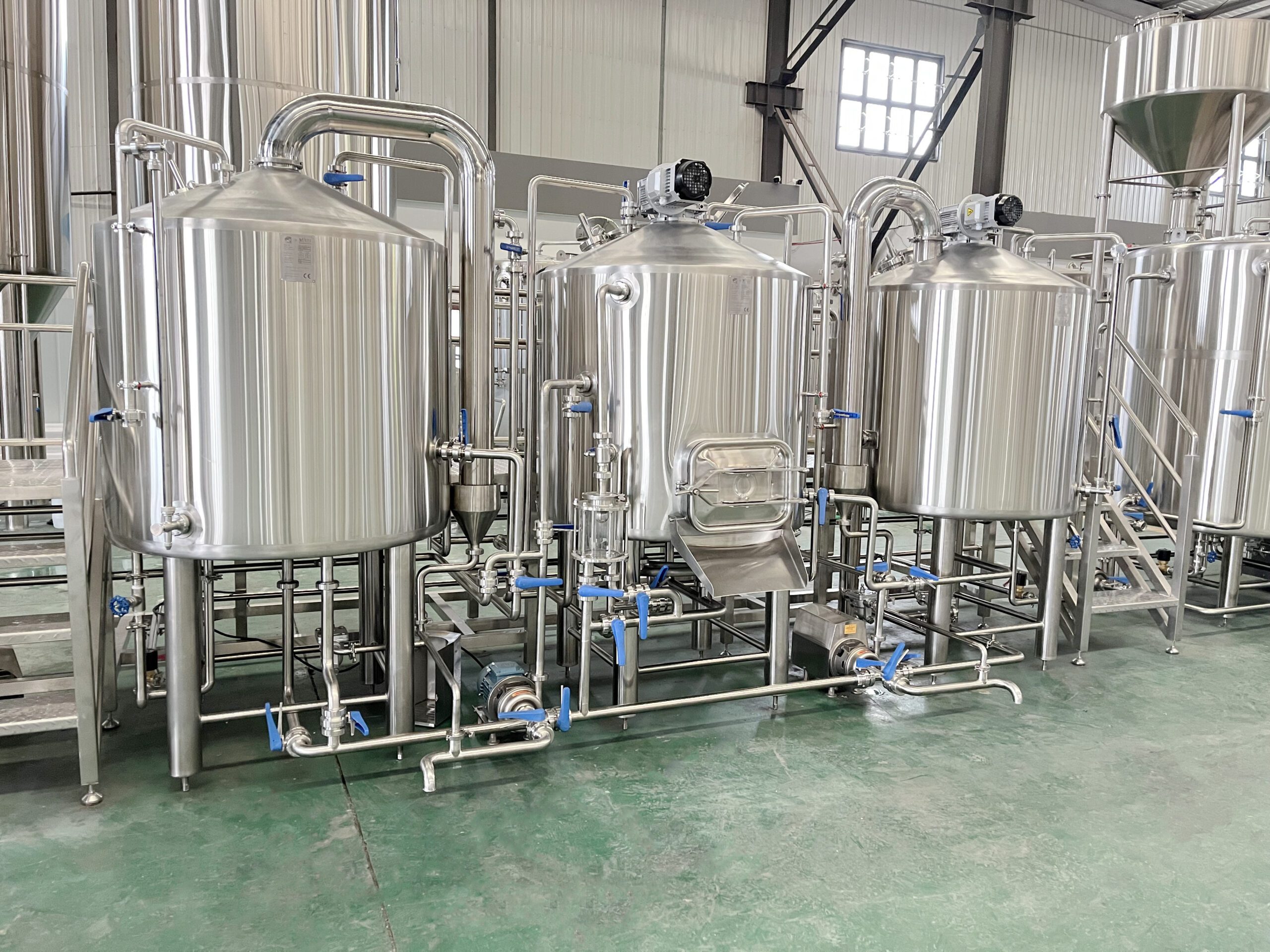
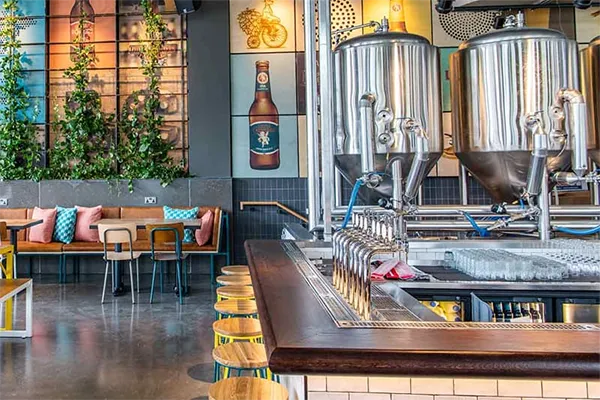
Questa fascia è pensata per taproom, brewpub che sperimentano ricette a basso volume o gestori che stanno validando un concetto prima di impegnarsi in un allestimento più ampio. La linea documentata di attrezzature usate di MICET parte da 2 BBL e comprende configurazioni compatte di sala cottura che riuniscono tino di ammostamento, caldaia e serbatoio dell’acqua calda, con pompe, scambiatore di calore e pannello di controllo inclusi in un unico pacchetto.
There’s no nano-specific price band published separately from the broader microbrewery range below — a 2 BBL package would sit at the low end of that band, but an exact figure at this specific size requires a direct quote. What is documented is that this size class exists as a standing product line, not a custom one-off build, which generally means shorter lead times than a size that has to be engineered from scratch.
Micro Scale: 3–15 BBL
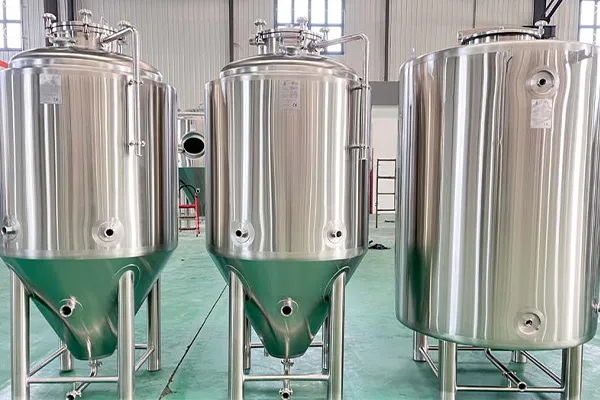
This is the tier most craft brewery startups actually land in, and it’s also where MICET’s published pricing is most specific. A full attrezzature per microbirrifici package — brewhouse, fermenters, and support equipment bundled together — runs $30,000–$80,000 USD. Fermentation capacity at this scale is documented at 3–5 BBL and 10 BBL sizes, built in SUS304 stainless with a glycol jacket, polyurethane insulation, and a 0.2 MPa design pressure tested to 0.3 MPa.
The width of that price range (nearly 3x from low to high) comes down mostly to how much of the package is new-build versus what’s assembled from existing used inventory, and how much auxiliary equipment (filling, packaging, CIP) gets bundled in versus quoted separately. If a quote comes in near the bottom of that range, it’s worth asking specifically what’s included and what isn’t.
Regional Scale: 15–50 BBL
This tier is where a brewery has outgrown “startup” and is running consistent enough volume to justify commercial-grade automation. MICET’s documented commercial brewery pricing starts at a 10 BBL minimum system, priced $50,000–$80,000 USD, which sits at the lower edge of what we’re calling regional here. Fermentation tanks are documented up to 40 BBL and in the 2T–6T metric range (2,000–6,000 liters total capacity), built to the same SUS304 / glycol jacket / 0.2 MPa design pressure standard as the micro-scale tanks, just at larger volume.
Above the 10 BBL floor, there’s a real gap in what’s publicly priced: MICET doesn’t currently publish a capex band specific to, say, a 30 BBL or 40 BBL system as distinct from the 10 BBL minimum figure. Installed systems at this scale exist in our project history, but none of those records carries a published price in the documentation this guide draws from. If you’re planning at this scale, treat the $50,000–$80,000 figure as a floor, not a ceiling, and get a quote against your specific batch size.
Industrial Scale: 50 BBL and Above
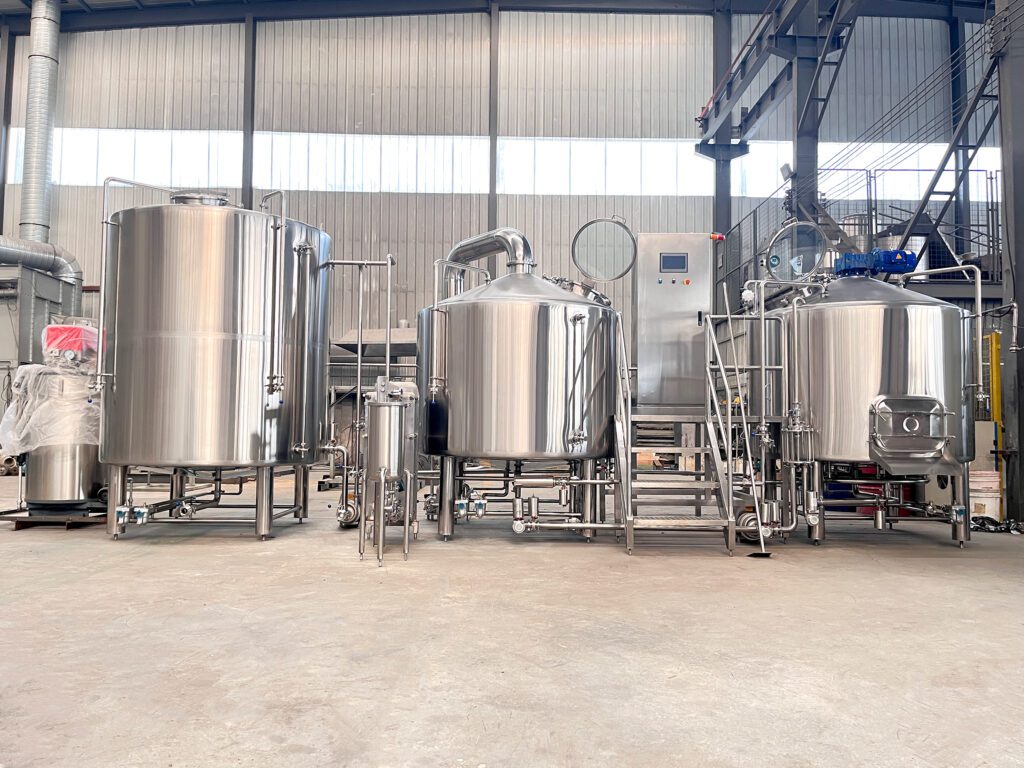
At this tier, equipment moves from “commercial brewery” language into full production-line territory — automated fermentation cellars, larger bright tank batteries, and packaging lines built to run continuously. MICET’s project history includes installations at this scale, which indicates the manufacturing capacity exists to build at this size, though none of those records carries published pricing.
What isn’t documented is pricing. Neither a capex range nor a per-BBL cost figure for industrial-scale systems appears in the published price data available for this guide, and refurb/used-equipment availability at 50 BBL and above isn’t separately tracked from the smaller-scale used equipment line either. If your project is at this scale, a direct quote isn’t optional — there simply isn’t a public number to reference yet, and stating one here would be a guess dressed up as data.
Scale Tier Comparison
| Tier | Batch Size | Documented Capex | Fermenter Sizes on File | Refurb/Used Availability |
| Nano | Under 3 BBL | Not separately published; falls within microbrewery band below | 3–5 BBL and up | Documented as a standing 2–10 BBL used equipment line |
| Micro | 3–15 BBL | $30,000–$80,000 USD (bundled package) | 3–5 BBL, 10 BBL | Documented as a standing used equipment line |
| Regional | 15–50 BBL | $50,000–$80,000 USD floor (10 BBL minimum); no published band above that floor | Up to 40 BBL, 2T–6T | Installed examples exist; no separate refurb pricing published |
| Industrial | 50 BBL+ | Not published — quote required | Installations above 50 BBL exist in project history | Not separately tracked; quote required |
A Common Misconception
New brewery owners often use “commercial brewing equipment” as if it describes one price point and one equipment class. The table above shows why that framing breaks down: a 5 BBL micro system and a 50 BBL industrial system are both “commercial,” but they differ by 10x in batch size and sit in entirely different pricing conversations. When you’re getting quotes, specify your batch size in BBL up front — “commercial” alone tells a supplier almost nothing about what to price.
Where the Tier Boundaries Get Messy in Practice
Batch sizes that fall right at a boundary — an 18 BBL system, for instance, sitting between micro and regional — don’t cleanly belong to either published price band. In practice, equipment at these in-between sizes tends to get quoted individually rather than pulled from a standard package, since neither the $30,000–$80,000 microbrewery band nor the $50,000–$80,000 commercial floor was built with that exact batch size in mind. This is worth planning for if your target output lands between the tier lines above: budget for a custom quote rather than assuming a published range applies directly.
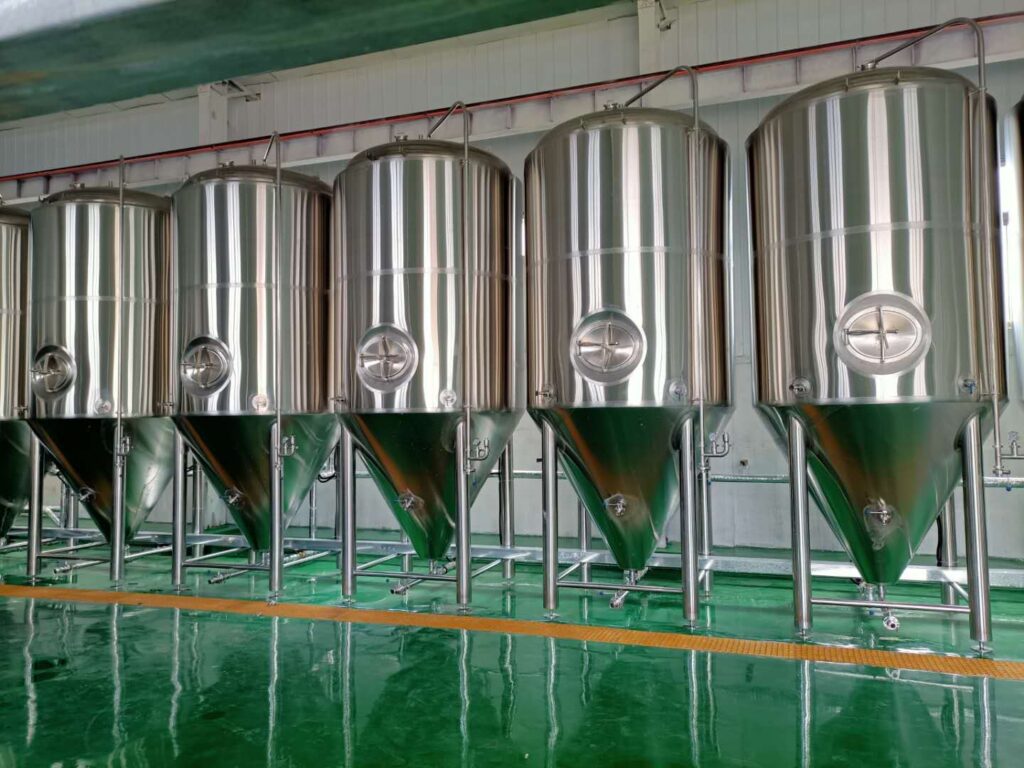
Weighing Scale Against Capital
Buying equipment sized for where you expect to be in three years, rather than where you are today, avoids a second capital outlay when you outgrow a nano or micro system. The trade-off is real, though: oversized equipment run at partial capacity means paying for cooling, cleaning, and floor space you’re not using yet, and a regional-scale brewhouse run at nano-scale output volumes doesn’t operate efficiently. Sizing to current output with a clear expansion plan, rather than sizing to a hoped-for future volume, is generally the more capital-efficient path unless growth is already contracted or highly predictable.
Compared with assuming one blanket “commercial equipment” price applies across this entire range, working from documented tier-specific figures — and being explicit about which tiers don’t have published numbers yet — gives a more accurate starting budget, even when that means telling you a quote is required rather than a number from this guide.
FAQ
Q: What’s the difference between micro and regional brewery equipment?
A: Micro scale covers roughly 3–15 BBL batches with a documented $30,000–$80,000 package price. Regional scale covers roughly 15–50 BBL, with only a 10 BBL-minimum floor price ($50,000–$80,000) currently published — larger regional systems require a direct quote.
Q: Is there a published price for industrial-scale (50 BBL+) brewing equipment?
A: No. MICET has documented installations at this scale, but capex figures for industrial systems aren’t part of the currently published pricing data. A direct quote is required.
Q: What size batch counts as “nano” brewing?
A: Generally under 3 BBL per batch. MICET’s documented used equipment line starts at 2 BBL, bundled as a compact brewhouse package.
Q: My target batch size falls between two tiers — how should I budget?
A: Treat the nearest lower published range as a floor rather than an exact figure, and request a quote specific to your batch size. Boundary sizes (like 18 BBL) typically get custom-quoted rather than pulled from a standard package.
Q: What certification should I ask about on pressure-rated brewing tanks at any scale?
A: MICET’s pressure vessel equipment is covered under PED verification certificate 3N231110.SICS093, issued by Ente Certificazione Macchine Srl against EN 1626:2008, valid through November 2028. Asking for a certificate number and issuing body, at any scale, is a reasonable baseline question.